
Lancet research uncovers widespread under-recognition of heavy menstrual bleeding, which can often be the first sign of an underlying bleeding disorder
Irish researchers involved in an international commission investigating female blood conditions have called for better care for women here.
The week the Irish launch of the Lancet Haematology Commission on women’s health and haematology bringing together clinicians, researchers, health-system leaders and policymakers.
The Commission examines inequalities in the diagnosis, treatment and research of haematological conditions affecting women, and highlights issues including iron deficiency and anaemia, heavy menstrual bleeding and bleeding disorders, thrombosis and complications during pregnancy and following childbirth.
Among the issues identified is the widespread under-recognition of heavy menstrual bleeding, which affects around one-in-three women and can be the first indication of an underlying bleeding disorder. The Commission also highlights substantial delays experienced by women in receiving diagnoses for bleeding disorders.
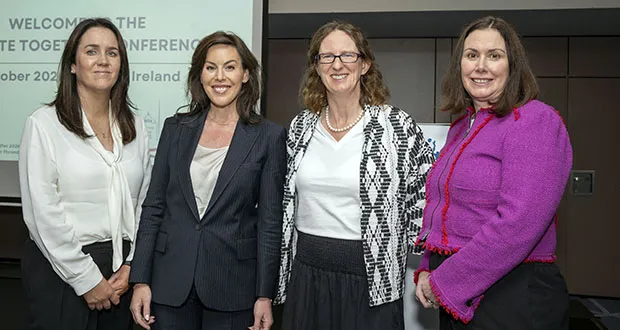
Among the members of the international Commission were Prof Fionnuala Ní Áinle, consultant haematologist at the Mater Misericordiae University Hospital and the Rotunda Hospital, and Dr Michelle Lavin, consultant haematologist in the National Coagulation Centre, St James’s Hospital, Dublin.
“For too long, important aspects of women’s blood health have been under-recognised or sometimes accepted as simply part of being a woman,” said Prof Ní Áinle.
“Heavy menstrual bleeding, iron deficiency, bleeding disorders and the particular risks associated with pregnancy and thrombosis can have a profound impact on women’s lives.
“This Commission is about changing that. It brings together international evidence and expertise, but crucially it is also a call to action for health systems, policymakers and clinicians.
“The opportunity now is to translate those findings into better awareness, earlier diagnosis and better care for women in Ireland.”
The launch was held during VTE Together 2026, an annual collaborative medical conference that brings together clinicians, researchers, and healthcare professionals from Ireland, the UK, and internationally to advance the prevention, diagnosis, and treatment of venous thromboembolism (VTE).
Among the research projects showcased at the two-day meeting was PARTUM, an international research programme examining the prevention of VTE following childbirth.
The current PARTUM trial is investigating whether low-dose aspirin can provide an alternative to usual-care low-molecular-weight heparin injections for the prevention of VTE among postpartum women with relevant risk factors.
Dublin’s Rotunda Hospital is playing a central role in the study. Prof Ní Áinle and consultant obstetrician at the Rotunda and Mater hospitals Dr Jennifer Donnelly have also participated in the international HIGHLOW research programme examining approaches to preventing recurrent VTE during pregnancy.
Meanwhile, ahead of World Thrombosis Day on October 13, the HSE is reminding people that blood clots can happen to anyone, at any time.
Dr Denis O’Keeffe, HSE clinical lead for the VTE National Clinical Programme and a consultant haematologist in University Hospital Limerick, said: ‘‘We’re encouraging people to become aware of the signs and symptoms of a blood clot, understand your risk and seek medical attention without delay if you ever suspect you have a blood clot.
‘‘Over 60 per cent of all blood clots happen during or in the 90 days after a hospital stay. Additional times of increased risk are in people with cancer, women who are pregnant or in the six weeks after giving birth, and those who have their lower leg immobilised, e.g. in a cast. However, clots can happen suddenly in any person. Knowing your risk, recognising the signs and symptoms of a blood clot in your leg or lungs and taking immediate action if they occur, could save your life.”
He added: “This year’s International World Thrombosis Day is focusing on women’s health and thrombosis awareness. Blood clot risk can change throughout a woman’s lifespan, including through pregnancy, postpartum, menopause and beyond.
‘‘We are working to support efforts to improve awareness among healthcare staff and women so that risks are recognised early and evidence-based preventative measures are implemented. Our key message is understanding your personal risk factors and seeking medical advice promptly can help prevent serious outcomes.’’