
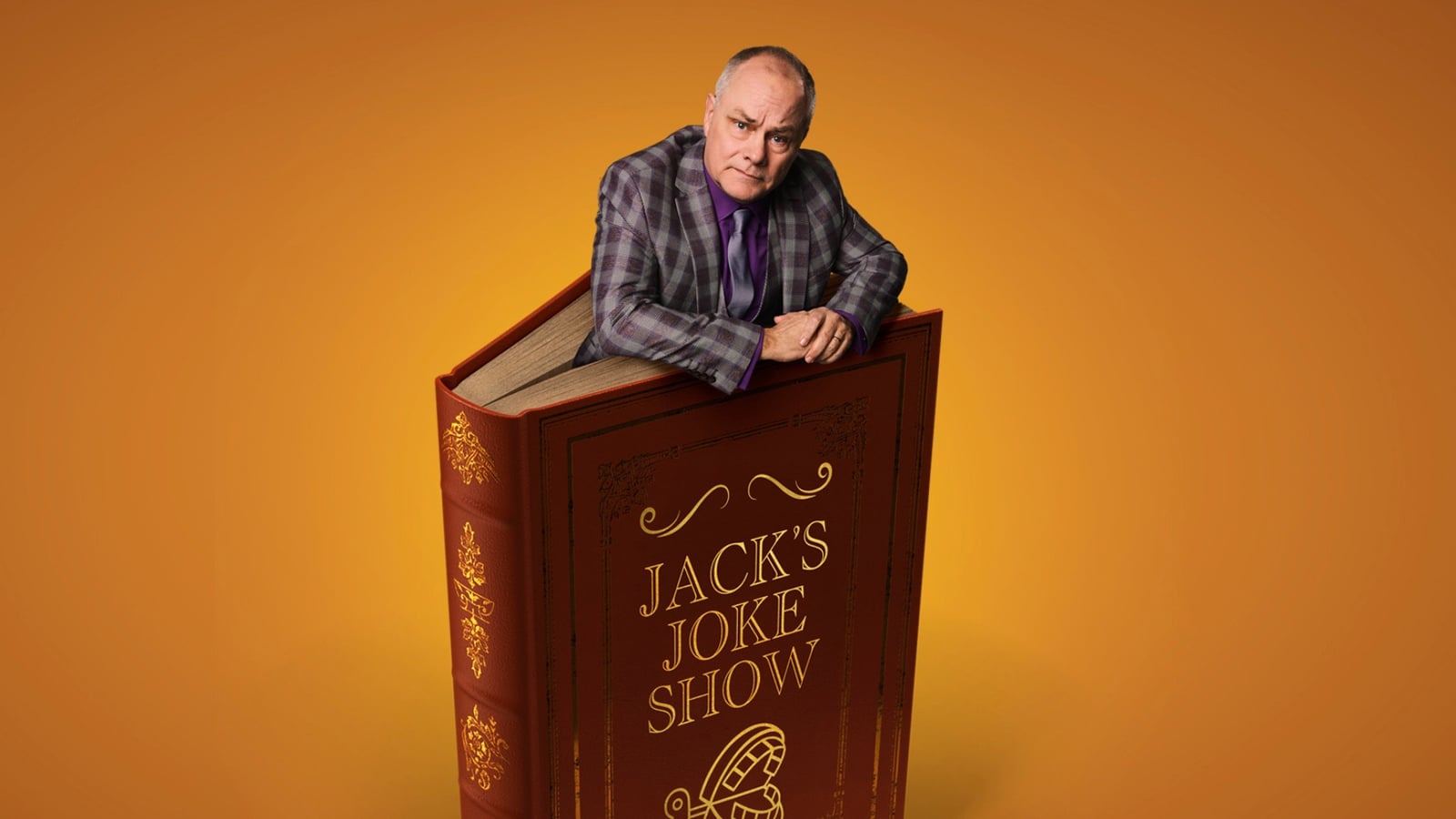
British comedian Jack Dee is celebrating 40 years of stand-up with Jack’s Joke Show, a stand-up show that guarantees ‘no new material’.
Telling the story of his life through ‘pub jokes’ and funny anecdotes, he reflects on the moments and people that made him, giving audiences a glimpse into the influences that shaped him.
Dee returns to Ireland this October, playing The Everyman in Cork, the Wexford Spiegeltent Festival, the Lime Tree Theatre in Limerick, and the Galway Comedy Festival.
Ahead of the tour, he tells RTÉ Culture about the importance of folklore, joke-telling, and the Irishman who inspired him.
Congratulations on 40 years! Looking back on your various jobs (podcasts, TV, writing, live performance) – what is it that keeps you coming back to stand-up?
I love the immediacy of stand-up. You have an idea for a gag or a routine and try it out that night, and you know there and then if it works. Often if it does, you’ll be riffing on it in front of the audience and bringing them with you, developing the idea and gauging the response as you go along.
When it works, there is nothing I’ve done on stage that is more exciting. I often think that writing stand-up is the last thing you should do to it – in other words, I like to get the working parts up on stage first and then finally write it down so I remember it.
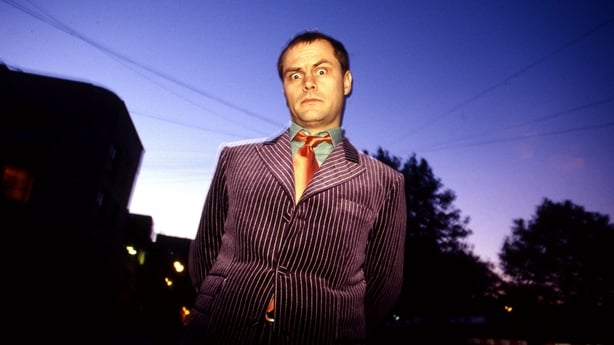
Jack Dee in 1995
‘Jack Dee’ the comedian is known for sarcasm and a deadpan wit, but audiences have been introduced to a softer side through your podcast with Seann Walsh. Do you think this has affected your on-stage persona?
Podcasting with Seann and Sara is a lot of fun, but it is a different medium from stand-up, and it would be a mistake to treat it as just another opportunity to crowbar bits of the act.
The point is that we lead and cajole each other into areas that we may or may not touch when we are on stage – and that involves all three of us committing to being honest and taking the risk of letting an audience see the non-stage version of who we are.
What is interesting is that I think that process is influencing my stand-up in unexpected ways. I can’t wait to see where it leads me.
Reflecting on your life for this show must have brought up some incredible memories. Has there been any that have been particularly of interest to you to look back on?
The show has proved to be an enjoyable way of telling my life story, and in particular, how I got into comedy and got started. It’s poignant for me because it was, obviously, such a life-changing point in my life and bringing some of the people who were involved, who are no longer with us, back to life meant a lot to me. I’ve known some amazing characters, and this show celebrates some of them.
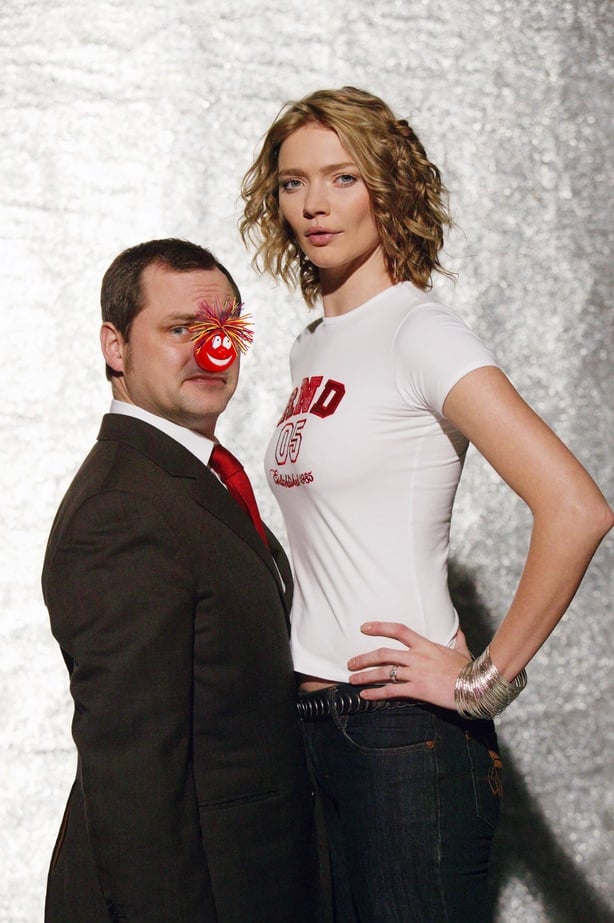
Model Jodie Kidd and comedian Jack Dee posing together for Red Nose Day 2005
No new material guaranteed is a fantastic teaser – why are these jokes so important for you to bring back to the public?
Jack’s Joke Show is a memoir that recalls my journey from childhood through to a career in comedy. But the building blocks of the show are all really old (what I call) Pub Jokes. They don’t belong to anyone in particular; no one knows where they came from, and yet they are a subtle part of our culture.
Joke-telling itself has gone out of fashion, but I feel these stories really have a place in our folklore. When Barry Cryer passed away, I started wondering who might carry the torch. Who is going to pass these funny stories on to the next generation?
You must have done a lot of research into the origins of these jokes – what makes a joke belong to the world as opposed to being a copyright issue?
Some of the jokes in the show are over a hundred years old, and I did find many of them appear in different forms told by various people over the decades. Jokes that I assumed to be of Scottish, Welsh, English or Irish origin frequently have American versions, that the likes of, say, Milton Berle, Bob Hope or Sid Caesar. So, if the jokes do have an author, I have certainly been unable to definitively trace him or her.
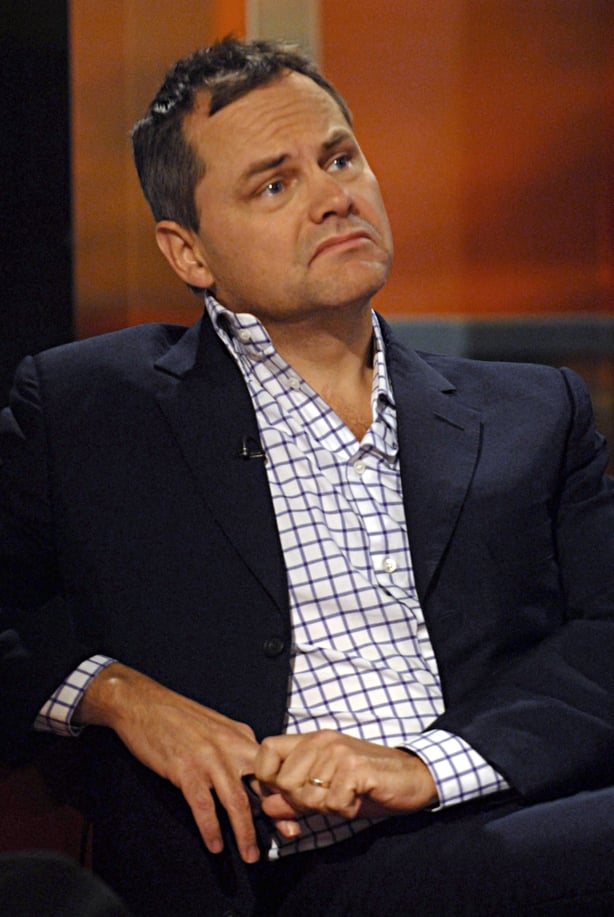
Actor and comedian Jack Dee in 2007
You seem enamoured with joke-telling, folklore and storytelling. Why is that so important to you?
Partly because jokes were so integral to my growing up. If I heard a good one, it was like a currency – I’d look forward to going into school and telling it. I was the youngest in my family, and when jokes and stories were being told around the dinner table at a family event, it felt like I was listening to a bespoke cabaret that everyone could take part in. Like a sing-song but funny. You can’t row when you’re swapping jokes.
You’ve mentioned some important ties to Ireland throughout your career and life – what makes it so special to you?
The short answer is Dave Allen. He was and remains a major influence on me. More than any comedian outside the US, he showed that stand-up could be slick and elegant. That you could win the room without vulgarity. I’m also convinced that Ireland’s storytelling tradition informs the wit and garrulousness that I find there.
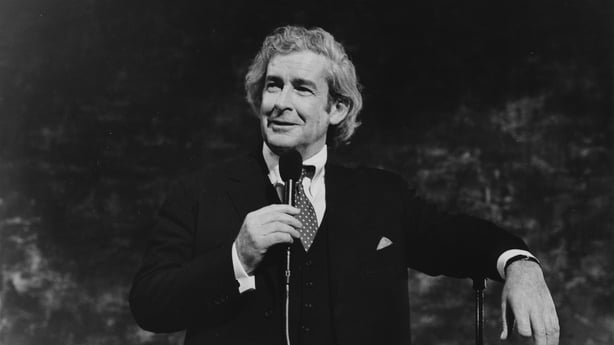
Irish comedian Dave Allen in 1989
Were there any specific influences from your life who surprised you?
Another interesting one is Billy Connolly because he frequently tells old jokes alongside his own stories, and you can see how the former influences the latter in the way he paces his routines, inserts detail, acts out scenarios and reveals the punchline.
Finally, is there a favourite joke that didn’t make the cut?
Quite a few, in fact. Many of them were told to me by my grandfather when I was very young, and they were almost like witty truisms. Not laugh-out-loud (which is kind of why they didn’t make the cut), but they are stories that I remain very fond of.
He had a series of jokes that started with a country bumpkin sitting on a gate. Then a toff would pull up in a sports car and ask the way to the nearest town, and the yokel would say, “If I were you, I wouldn’t start from here.”
In another version, the man doesn’t know, and the toff says, “I say, you’re a bit simple, aren’t you?” To which the country fellow would say, “Maybe. But I’m not lost”.