
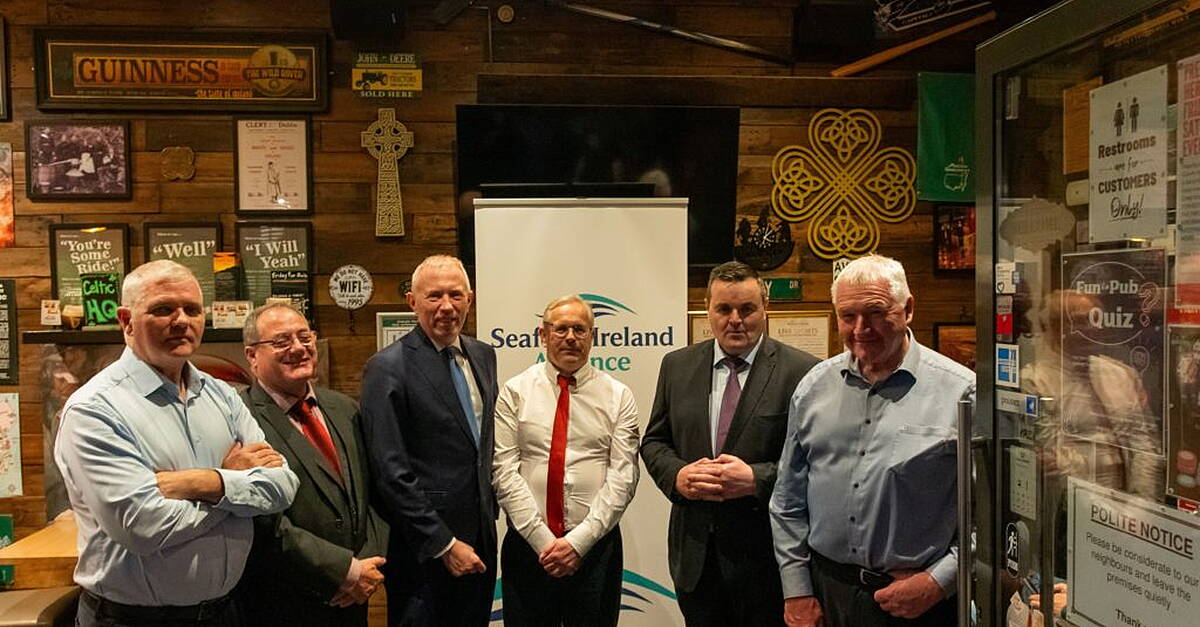
Members of the Seafood Ireland Alliance, including members of the Killybegs Fishermen’s Organisation, welcomed seafood stakeholders across the EU to a special event in Brussels this week.
The event marked Ireland’s EU Presidency, and highlighted the challenges faced by the Irish fishing sector ahead of the December Council where 2027’s fishing opportunities will be signed off on.
A large number of guests were also present, including Minister of State at the Department of the Marine Timmy Dooley, TD, MEP Ciaran Mullooly, Fisheries Attaché Martin Crowley, and staff from the European Parliament, DG MARE and various Permanent Representation officials.
Representatives from Seafood Industry Ireland set out the industry’s key priorities for the quota negotiations over the months ahead, during an evening of Irish seafood and hospitality.
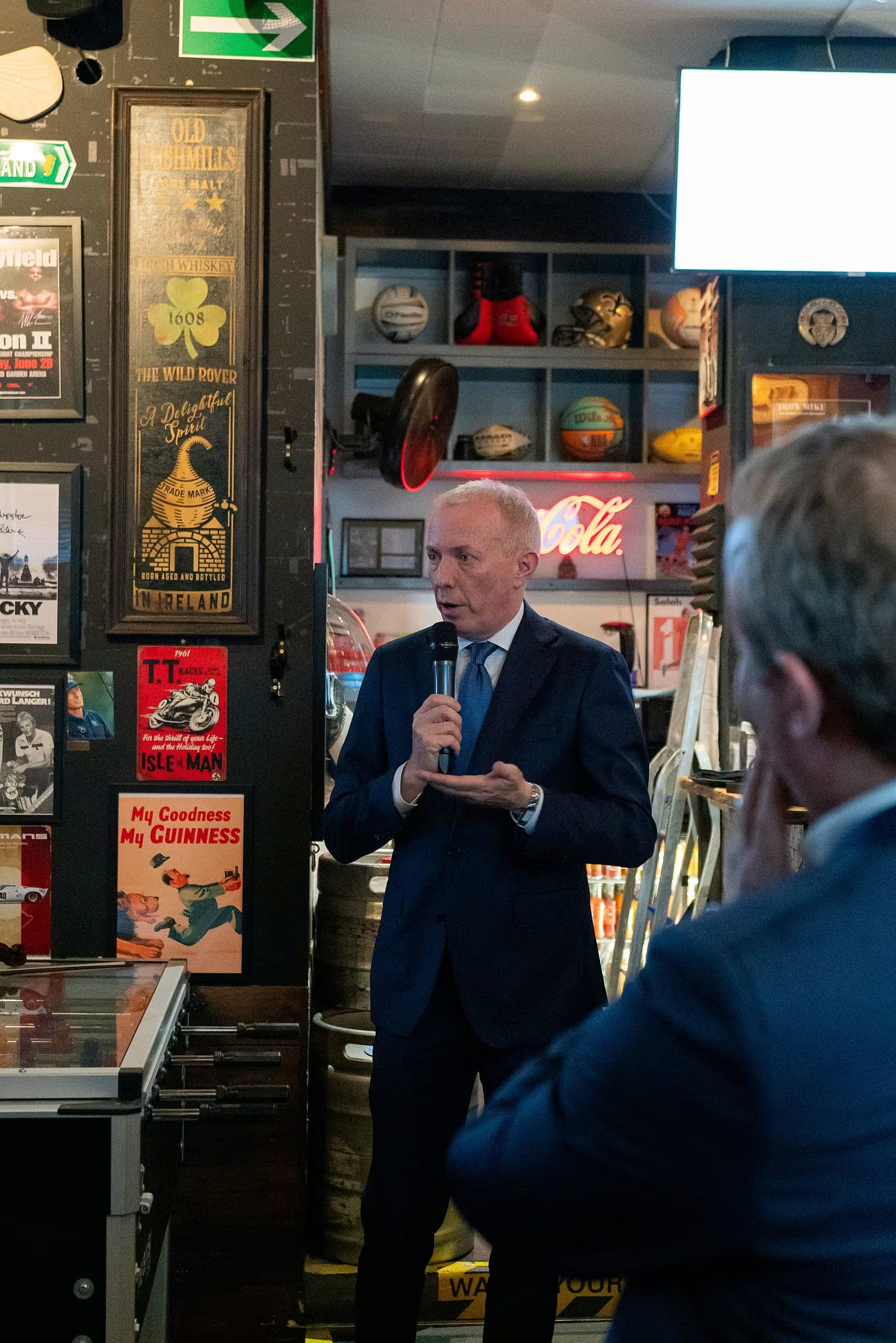
Minister of State Timmy Dooley said that the sector having a strong presence in Brussels was important.
“I want to thank the Seafood Ireland Alliance for their positive engagement to date. This sector faces real challenges, which is why a strong presence in Brussels matters for the Irish seafood sector.”

Bord Iascaigh Mhara CEO Richard Donnelly was also in attendance.
He said that BIM was fully supportive of the alliance’s efforts.
You may also be interested in
“BIM is here to fully support the Seafood Ireland Alliance and the collective, forward-looking approach it has taken in setting out the critical importance of the Irish fishing and seafood processing sectors to an audience in Brussels.”
Following the event, a spokesperson for the Seafood Ireland Alliance said that the event being held during Ireland’s EU Presidency was not a mistake.
“The timing of this event was deliberate. Ireland holds the Presidency of the Council of the EU until the end of December, culminating in agreement on fishing opportunities for 2027. Those decisions will determine the continued viability of fishermen in every fishing port in the country.”
“It comes after a difficult year. Quota cuts borne by Irish producers in 2026 are estimated to have cost the industry over €200 million. Long-standing imbalances in shared stocks remain unresolved, and processors face rising raw material and energy costs that are making business uneconomical. The impact reaches beyond the boats to processors, netmakers, shipyards and, most of all, the coastal communities built around this industry over generations.”
“We would like to thank everyone who attended, and we look forward to engaging with stakeholders in Brussels over the coming months.”