
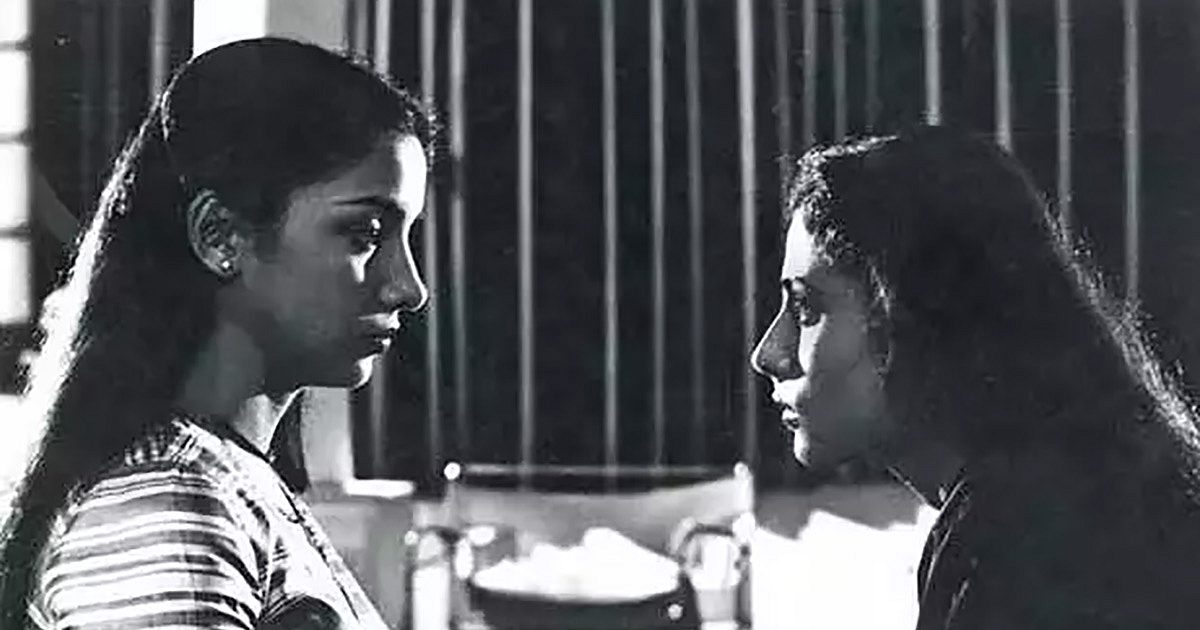
‘The last time I saw Smita, she had become a mother. The door opened. I walked in. I saw her.’
‘I said, “Smita, the most creative role of your life begins now. As a mother.” She laughed.’
‘I spoke as if we had years. Years to meet again. Years to work again. Years to watch her child grow.’
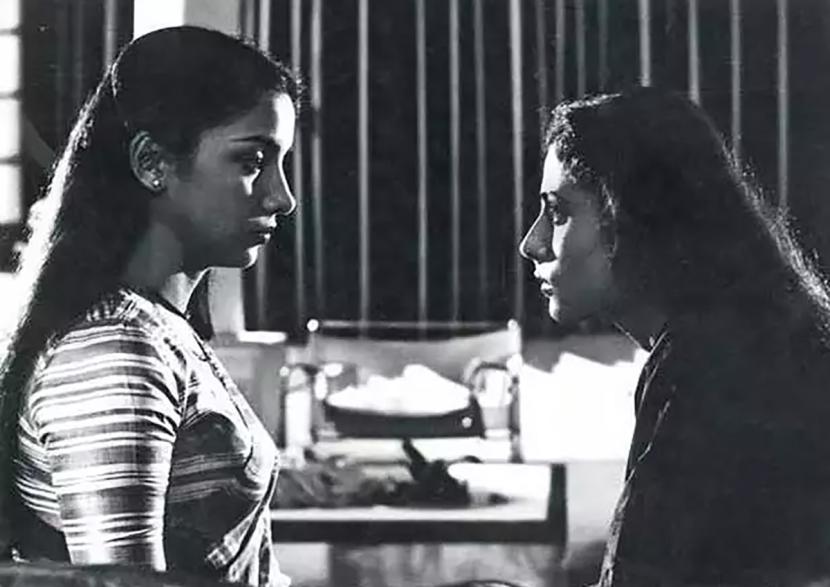
IMAGE: Shabana Azmi and Smita Patil in Mahesh Bhatt’s Arth.
Key Points
‘Today is the seventeenth of October. Smita Patil would have been seventy-one. This December, it will be forty years since she left.’
‘I handed her the signing amount. Twenty thousand rupees, if I remember right. She looked at the money and burst out laughing. “Oh my God. You give me a great role in a great film, and money too?” I can still hear that laugh.’
‘She was herself in love with a married man. The whole world was watching her, ready to judge. And here she was, agreeing to stand in front of a camera and show the need, the fear, the loneliness of a woman people would rather blame than understand.’
Mahesh Bhatt recalls Smita Patil’s fearless leap of faith in Arth, her laughter, her courage, and how she helped transform his wounds into timeless cinema. An eloquent conversation with Subhash K Jha on the legendary actress’ 71st birth anniversary.
How vital was Smita Patil to your being?
Arth was not mine alone. Every successful man carries a lie in his pocket.
No, not that he will live forever. That he made himself. He looks back at the wreckage he has walked through. The humiliations. The rejections. The nights when nobody believed in him. And he says it, with a straight face: I made myself. I have said it too.
And if there is one film I have been tempted to say it about, it is Arth. Arth came out of my guts. My trespasses. My unprocessed grief. A marriage cracking under the weight of another woman. Nobody else lived that life. Nobody else bled it onto the page. So surely, I have told myself, that film is mine.
Today is the seventeenth of October. Smita Patil would have been seventy-one. This December, it will be forty years since she left. And every year on this day, she punctures that lie.
When did you first meet Smita Patil?
The first time I saw her, it was night in Film City. She was leaning against a car. Behind her, they were lighting a huge set for Tajurba. In the half-dark, I told her the story of Arth.
She listened the way she did everything. Completely. When I finished, she said, “I’ll do it. “Just like that. I handed her the signing amount. Twenty thousand rupees, if I remember right. She looked at the money and burst out laughing. “Oh my God. You give me a great role in a great film, and money too?” I can still hear that laugh.
At that juncture in your life, 20,000 meant a lot?
Yes. I had four flops behind me. I was a director the industry had written off. Dead on arrival. And this woman heard my story and decided it was worth giving herself to. Before there was a film anybody could clap for, there was her yes. And she was not alone.
There was Kuljeet Pal. A gambler. An audacious producer who had the guts to put his money on a man with four flops behind him. Who in his right mind does that?
And Shabana?
And there was Shabana Azmi, who gave herself without holding anything back. She took no money. She brought her own clothes. She brought clothes for Smita too, because we could not afford the wardrobe the role demanded.
Remember that the next time someone tells you Arth was my film. The money someone risked. The fee someone gave up. The clothes someone carried from home. These things are the real story of Arth. I had lived the life. They made it possible for me to make the film.
Later Smita felt insecure about Shabana?
Smita played Kavita. The other woman. She knew the story belonged to the wife. She knew where the audience’s heart would go. She knew who they would blame. She took the part anyway. Think about that.
She was herself in love with a married man. The whole world was watching her, ready to judge. And here she was, agreeing to stand in front of a camera and show the need, the fear, the loneliness of a woman people would rather blame than understand.
How much of her own heartbreak did she pour into Kavita?
I don’t know. That was hers. I won’t pretend to own it. But I know this. She gave that woman a life I could never have put on paper. I wrote her scenes. Smita had to stand there and live them.
And when I look back today, I ask myself how easily I let their courage become my achievement. How quickly the applause found its way to my name.
When was the last time you met Smita?
The last time I saw Smita, she had become a mother. The door opened. I walked in. I saw her. I said, “Smita, the most creative role of your life begins now. As a mother.” She laughed. I spoke as if we had years. Years to meet again. Years to work again. Years to watch her child grow.
Then, in the middle of the night, the phone rang. It was my dear friend, the director Dilshad Pandey. “She’s gone.” She was thirty-one. Even today, I cannot put that laugh and that phone call in the same life. They refuse to sit together.
Arth outlived Smita?
Arth went on without her. People found themselves in it. Even now they stop me, a scene on their lips, a song, a memory of what the film did to them.
I wish she could hear them. I wish I could tell her I still remember that night in Film City. How much rested on a handful of people who chose to believe in a director who had given them no reason to.
My life gave me the wounds. It took Kuljeet, Shabana and Smita to help me turn them into a film. So whenever I catch myself saying I made myself, I go back to that woman leaning against a car, listening to me in the dark. I did not make myself. Smita helped make me.
Happy birthday, Smita.