

When millions of people died in Europe during the Black Death, biodiversity suffered too, new research suggests. The findings suggest that human activities once promoted biodiversity in the landscape — and experts say we could use these findings to boost biodiversity in our modern agricultural landscapes.
The 14th century was a tumultuous time for the people of Europe. Persistent cold, wet weather at the beginning of the century led to widespread agricultural failures and unprecedented levels of starvation in what became known as the Great Famine from 1315 to 1317.
Latest Videos FromLive Science
You may like
What to read next
Mosaic landscapes
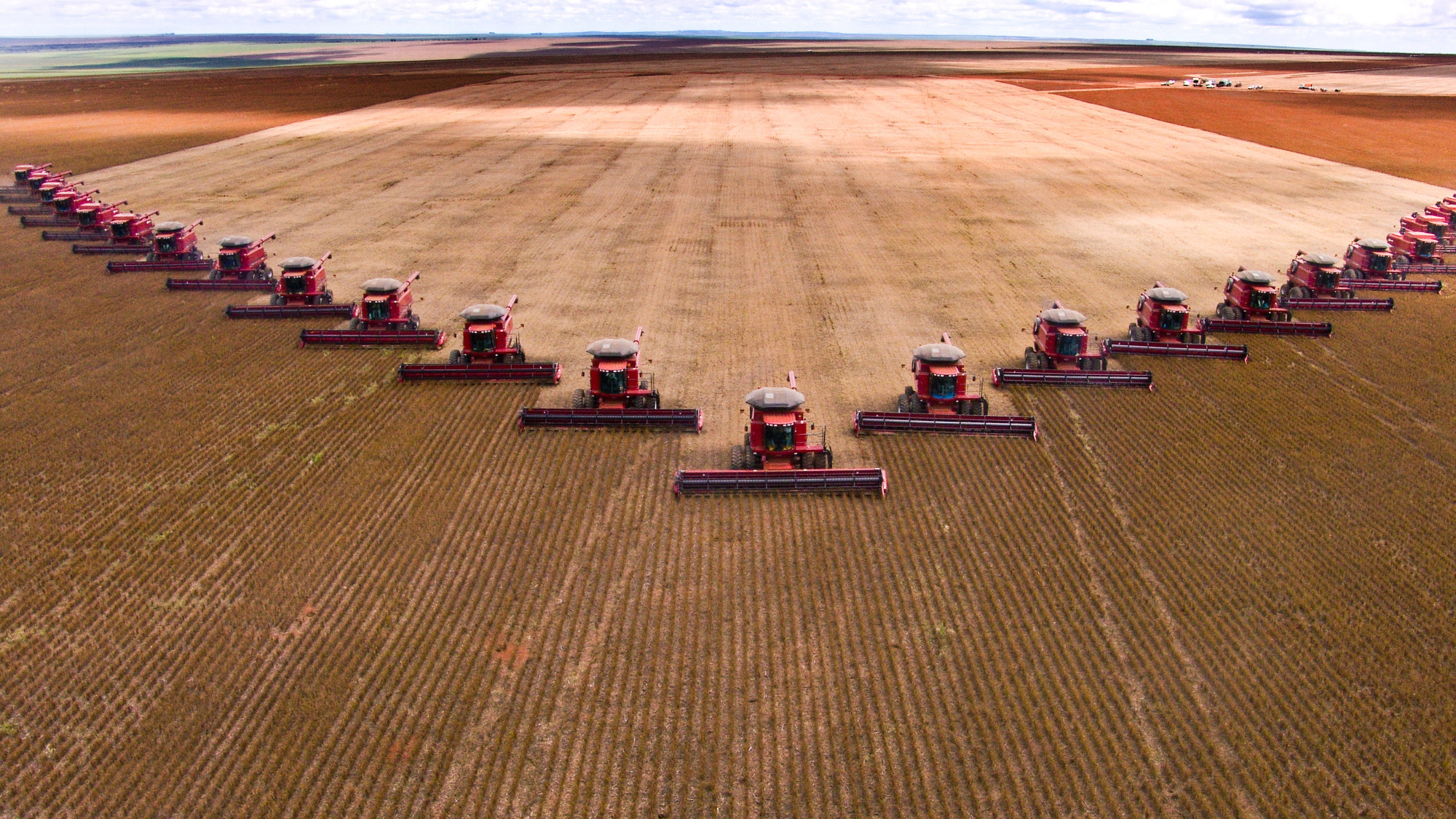
Modern farming often uses monoculture, where one crop species is grown over a large area. This lowers biodiversity in the area.
(Image credit: alffoto via Getty Images)
Gordon, J. D., Fagan, B., Finch, J., Gillson, L., Milner, N., & Thomas, C. D. (2026). Black death land abandonment drove European diversity losses. Ecology Letters, 29(3), e70325. https://doi.org/10.1111/ele.70325