
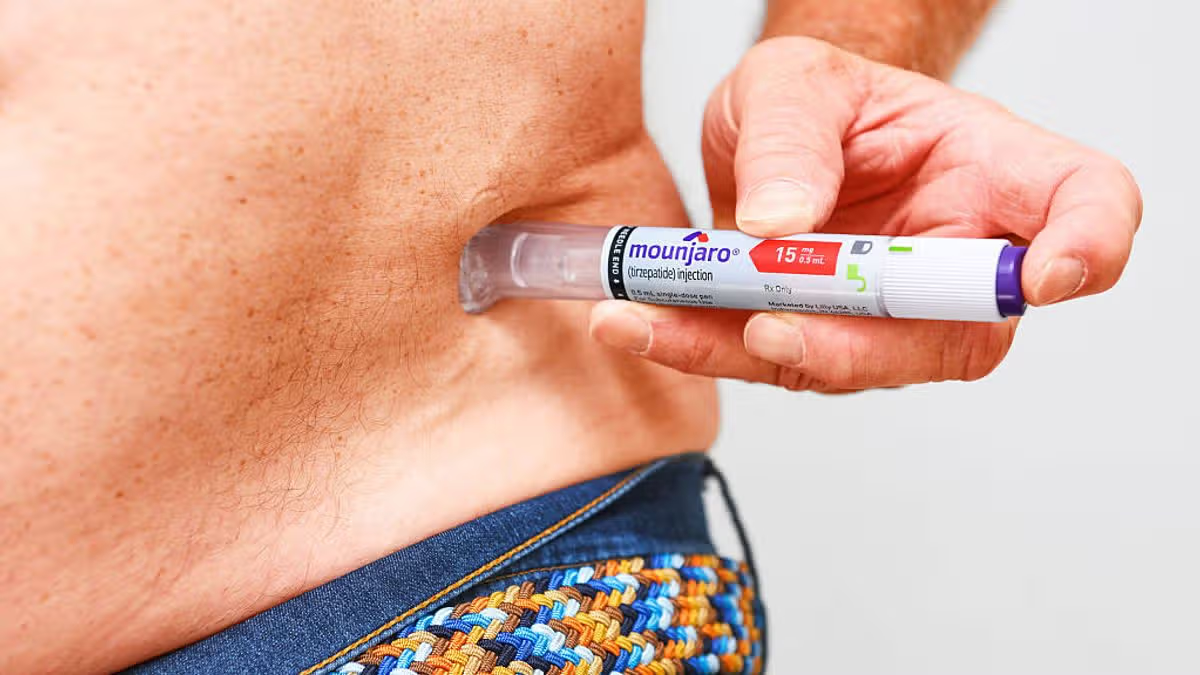
The HSE has convened a meeting to discuss whether funding should be allocated to help Irish patients access the weight-loss drug Mounjaro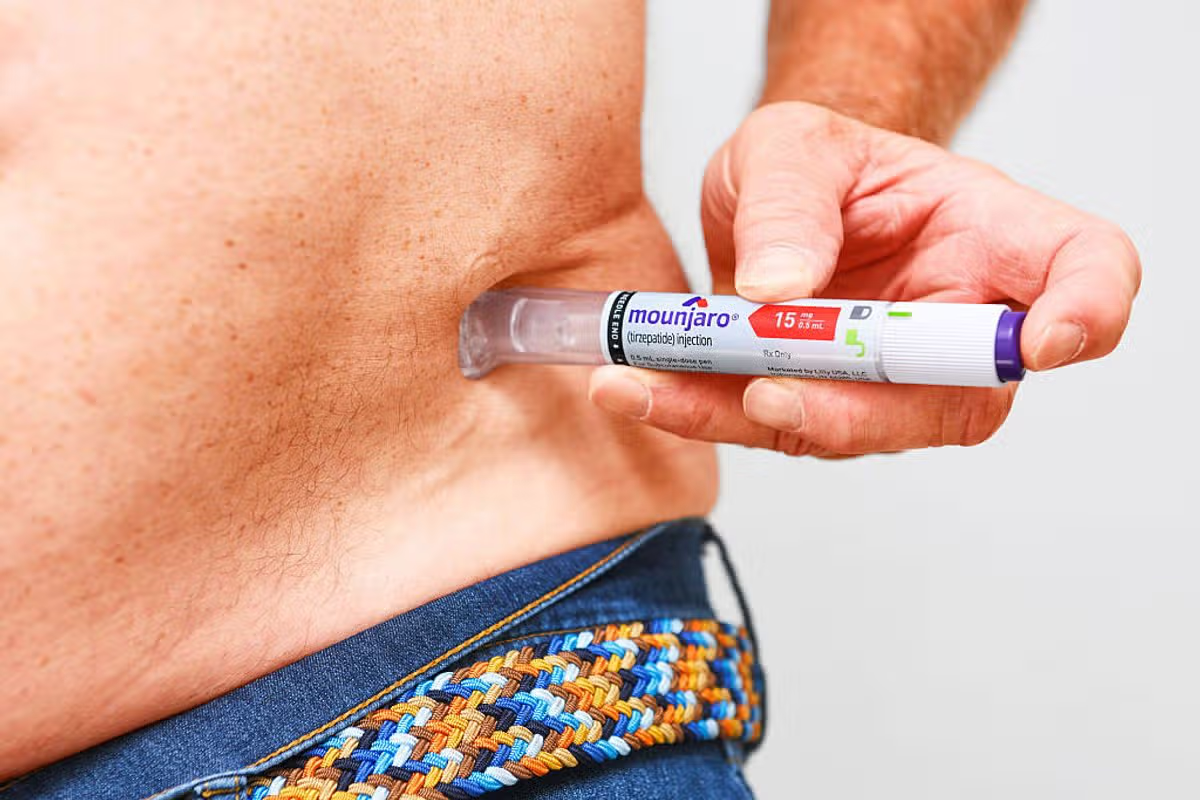
The HSE is considering reimbursing weight-loss drugs such as Mounjaro after receiving a number of applications – stock photo
Senior HSE officials gathered this week for a meeting to determine whether funding should be provided to enable Irish patients to obtain the weight-loss medication Mounjaro.
While the medication is currently available on prescription, it cannot be reimbursed for Medical Card holders or for its application as a weight-loss treatment under the Drugs Payment Scheme.
The HSE meeting will assist in establishing whether the medication should secure funding through these schemes, thus making it accessible to eligible Irish patients either without charge or at a subsidised rate.
If given the green light, the scheme is projected to cost up to €3 billion, with over one million patients throughout Ireland potentially qualifying for the prescription.
However, experts supporting the medication’s approval maintain the advantages would significantly exceed the expenditure.
The medication’s producer, Eli Lilly, has liaised with the HSE in recent months regarding pricing proposals, and Professor Michael Barry from the National Centre for Pharmacoeconomics indicated the discounted price could render the medication a cost-effective investment, reports Cork Beo.
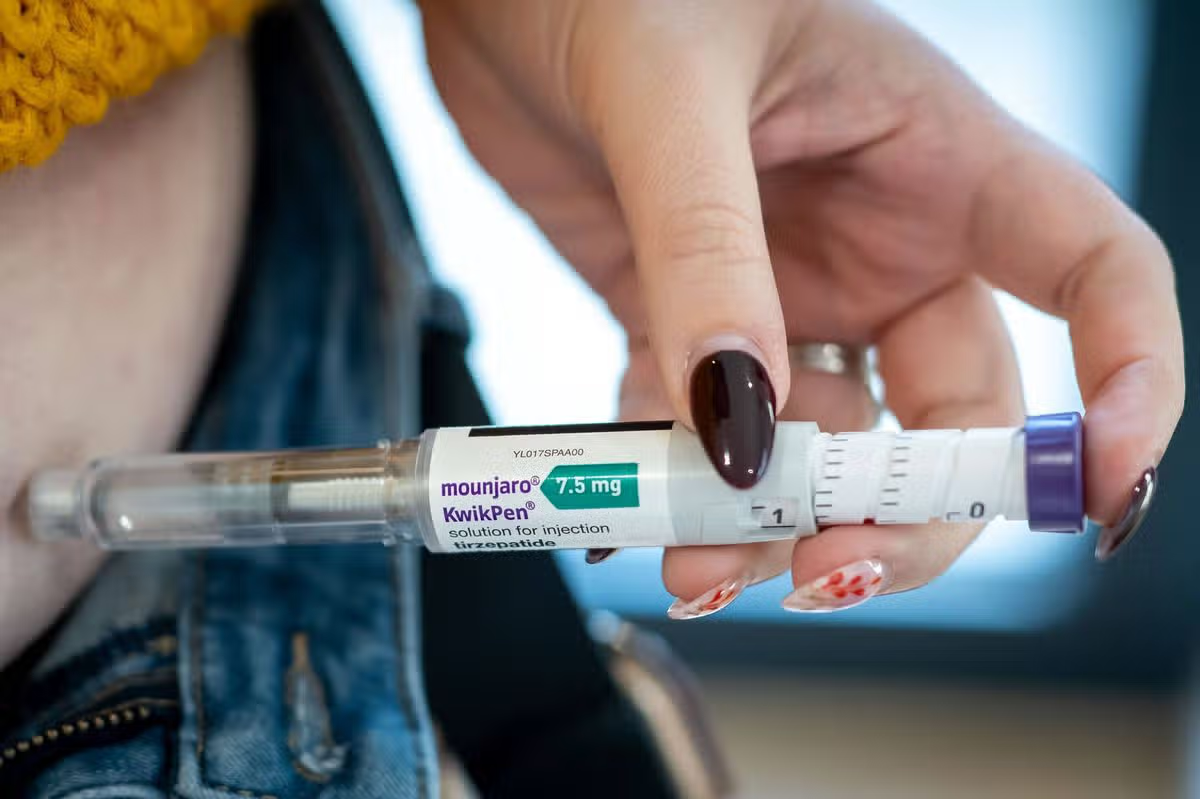
A Mounjaro KwikPen injection pen(Image: Matthew Horwood/Getty Images)
Speaking on RTÉ this week, Professor Barry emphasised how weight loss enhances blood pressure, reduces the likelihood of diabetes and decreases people’s chances of developing cancer.
The professor also pointed out that the medication could prove especially beneficial for those with Down syndrome, as the weight reduction triggered by the medication could lower their dementia risk. More broadly, however, Professor Barry contends that the far-reaching advantages of widespread weight loss would be more nuanced, as a healthier population would conserve money and resources throughout the health service.
It has been suggested that the drug be made accessible to those with a BMI exceeding 30, or those with a BMI of 27 alongside additional risk factors, such as cardiovascular disease or pre-diabetes.
At this week’s gathering, the HSE received testimony from specialists at the National Centre for Pharmacoeconomics as part of their deliberations, with the group set to reach a final verdict after carefully considering the input of several expert panels.
However, no recommendation has been yet made to the HSE Senior Leadership Team on whether public patients should get it.
Subscribe to our newsletter for the latest news from the Irish Mirror direct to your inbox: Sign up here.