
The key takeaways from the Covid report on care homespublished at 15:50 BST
15:50 BST
 Nick Triggle
Health correspondent
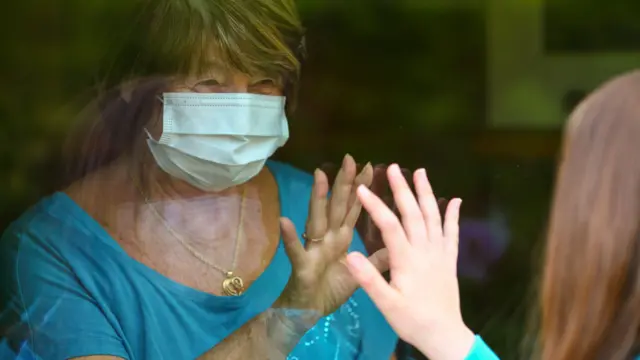 Image source, Getty Images
The sixth report of the Covid inquiry is highly critical of the way the government tried to protect people in care settings in the UK.
It found action to protect the approximated 500,000 people living in care homes at the start of the pandemic came too late, causing devastating consequences.
What does the report say?
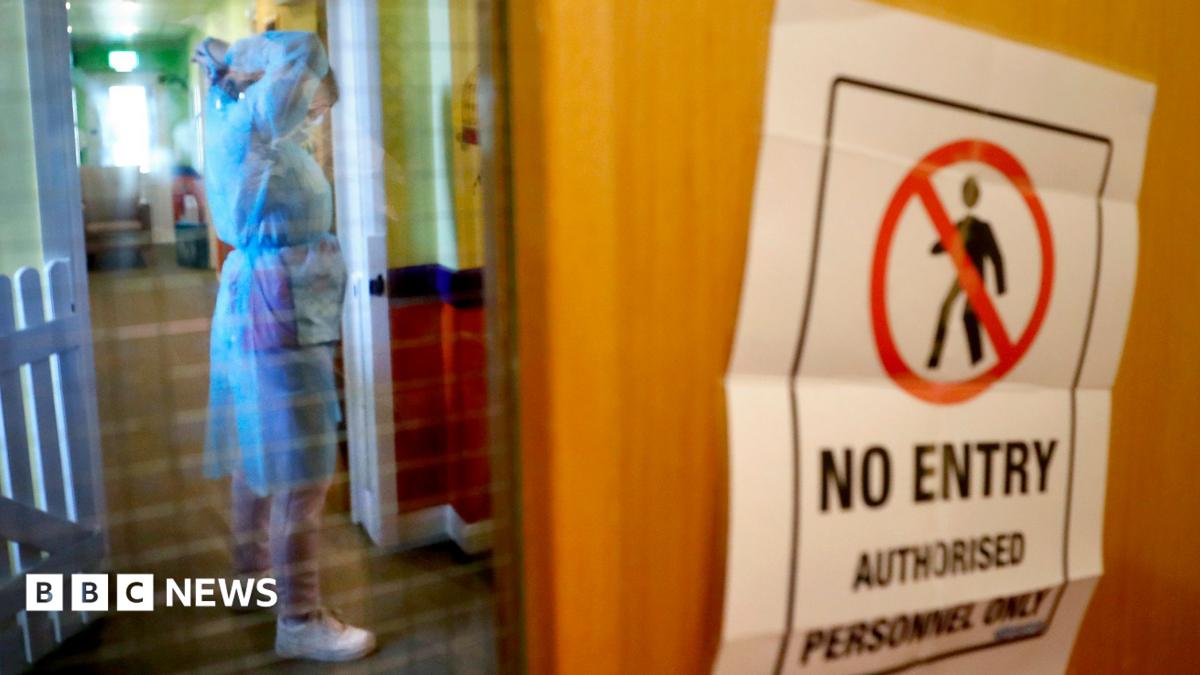
No “protective ring”: At the start of the pandemic, the then-health secretary Matt Hancock said the UK government had placed “a protective ring” around care homes. Citing a catalogue of failings, the report says this was not the case and that the care sector appeared to be “something of an afterthought”.
Long-standing weaknesses: High level staff vacancies and turnover, financial pressures and a fragmented system all undermined the ability of the sector to respond to the pandemic, the inquiry says. These weakness were exposed and exacerbated by the pandemic.
Visiting restrictions: Precautionary steps taken to restrict visiting, as part of infection control, went too far according to the report. Evidence suggested visitors posed a “marginal risk”, as staff were judged to be the key entry point for infections.
Do not resucutate orders: The inquiry says it heard evidence of GPs imposing blanket do not resuscitate orders (DNACPR) on care home residents and pointed to records showing a sharp increase in orders being put in place.
‘Deep distress’: Staff told the inquiry of the deep distress they suffered. Seeing so many residents die placed an enormous strain on workers, who often had to provide end-of-life care to multiple people at the same time.
Read my full breakdown of the key takeaways from the Covid report on care homes