

Listen to this article
Estimated 2 minutes
The audio version of this article is generated by AI-based technology. Mispronunciations can occur. We are working with our partners to continually review and improve the results.
After years of planning and construction, Quebec City’s new $84-million pavilion dedicated to housing the work of painter and sculptor Jean Paul Riopelle opened Wednesday.
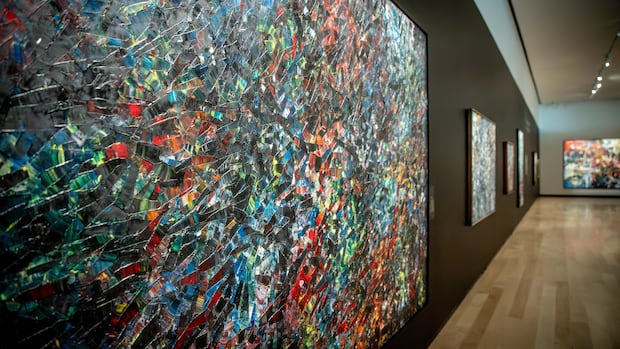
The three-storey building on the Plains of Abraham, in the heart of the Musée national des beaux-arts du Québec (MNBAQ), houses about 130 paintings, sculptures, and works on paper by Riopelle, along with about 100 works by other Quebec artists.
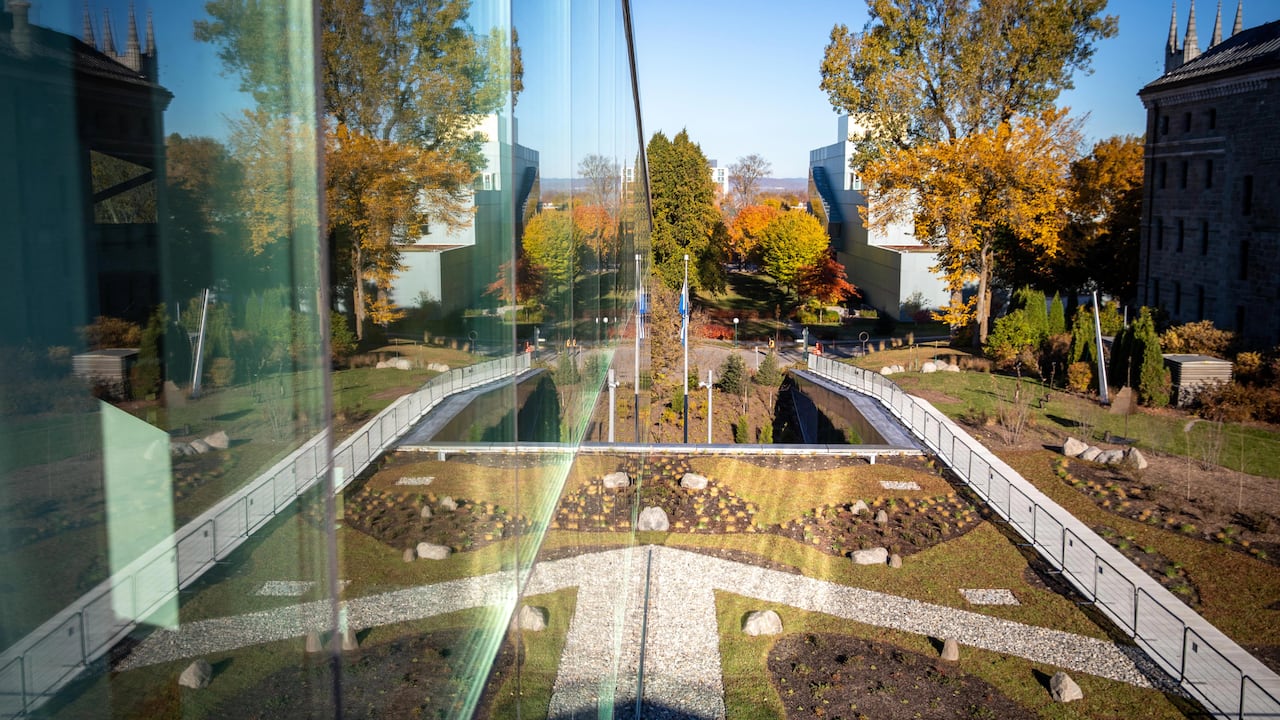
The exterior of the new Espace Riopelle. (Olivia Laperrière-Roy/Radio-Canada)
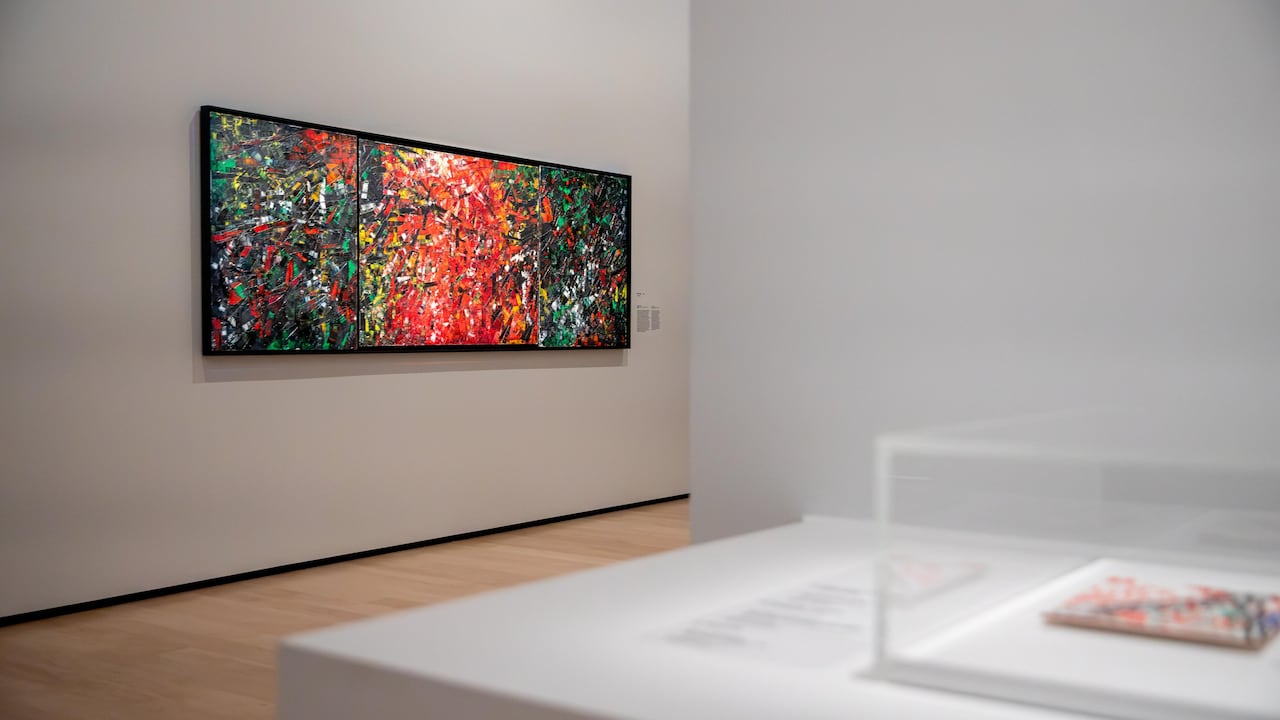
One of the works showcased in the new Espace Riopelle. (Olivia Laperrière-Roy/Radio-Canada)
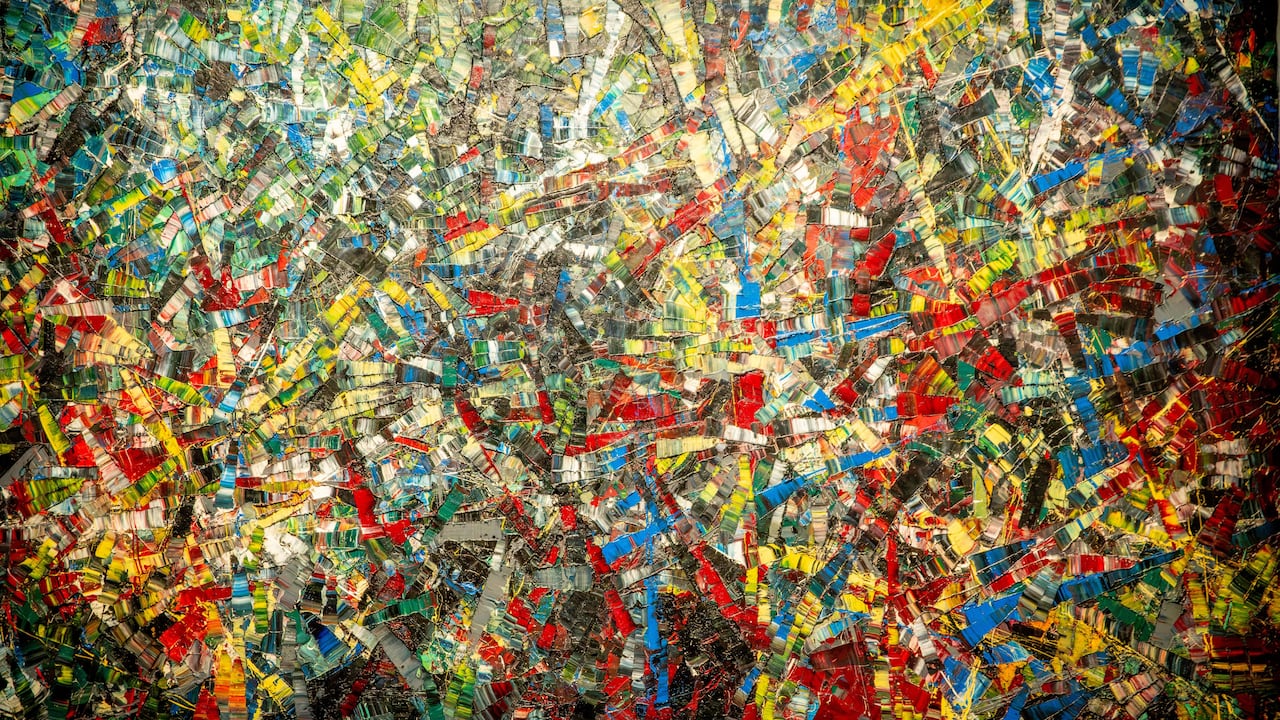
A work displayed at the new Espace Riopelle. (Olivia Laperrière-Roy/Radio-Canada)
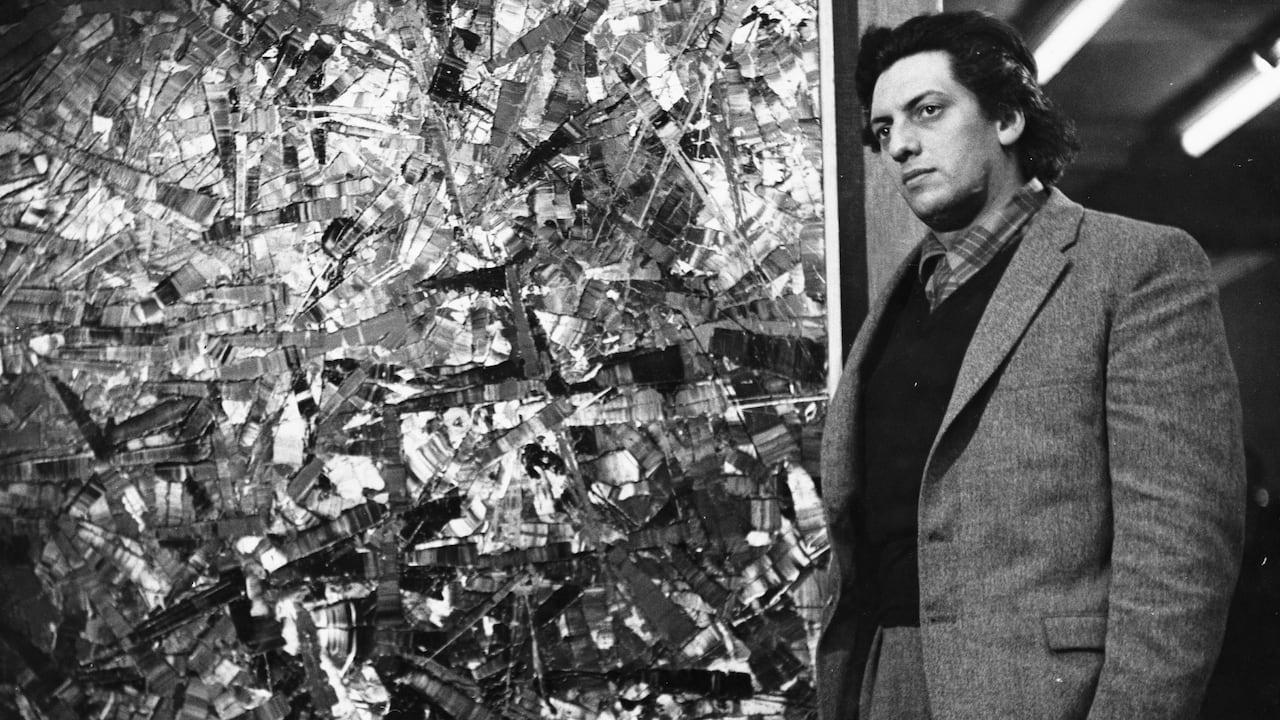
Jean Paul Riopelle standing in front of one of his works in 1956. (Submitted by the National Film Board of Canada)
Riopelle rose to fame in France after the Second World War and and made a mark on the Paris and New York art scenes with his abstract impressionism in the 1940s and ’50s.
He is considered by many to be one of Canada’s most influential artists. Among the pieces featured in the new pavilion is the expansive 40-metre-long L’Hommage à Rosa Luxemburg.
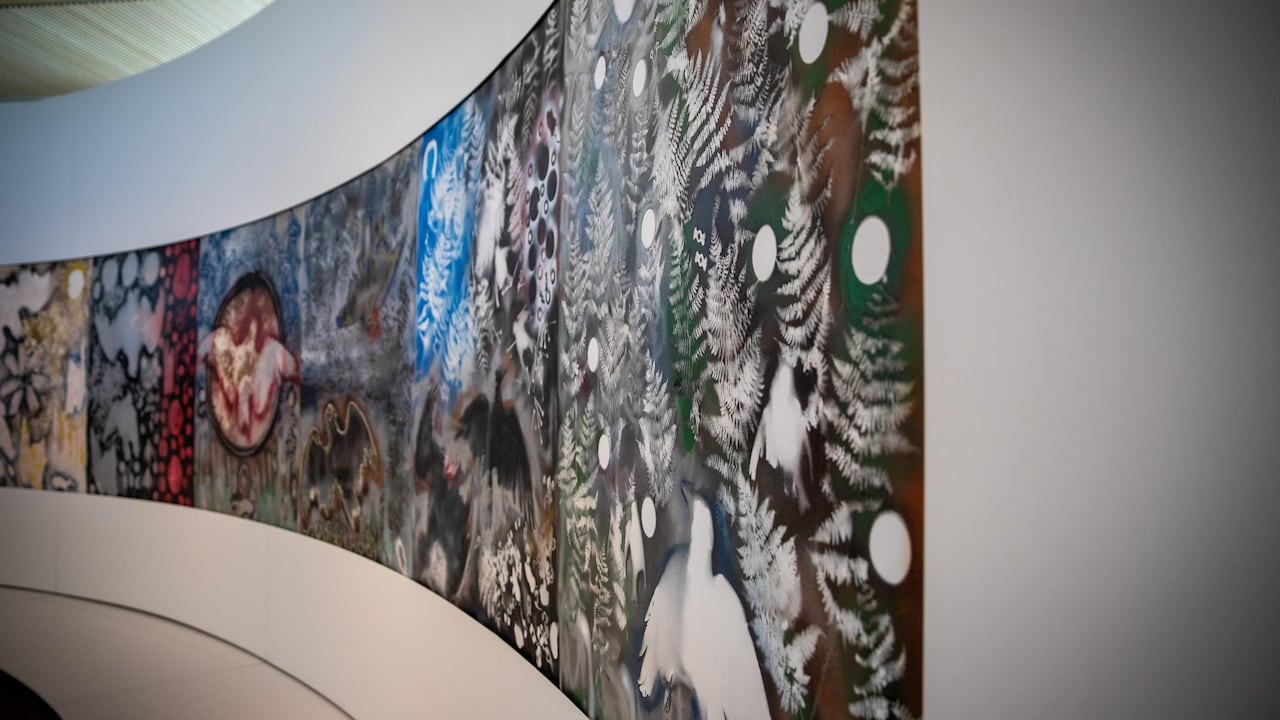
The L’Hommage à Rosa Luxemburg painting, presented at the new Espace Riopelle. (Olivia Laperrière-Roy/Radio-Canada)
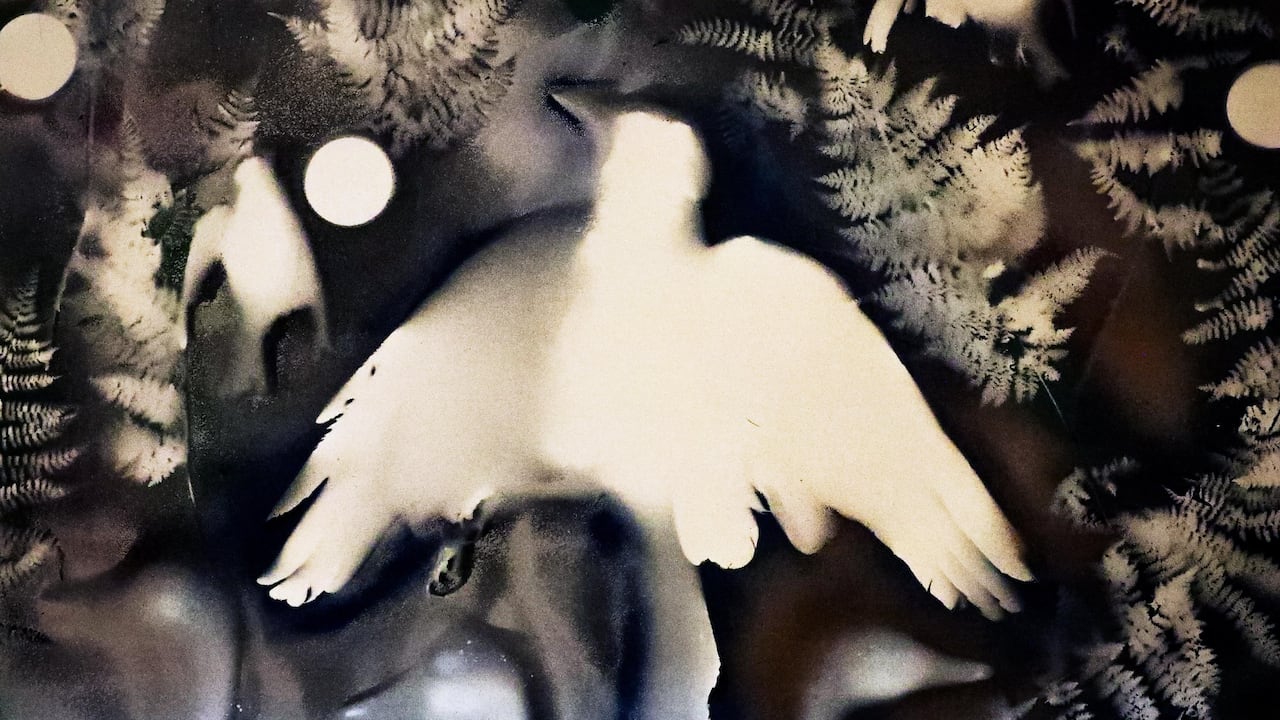
A section of the painting L’Hommage à Rosa Luxemburg. (Olivia Laperrière-Roy/Radio-Canada)
The painting is displayed in an exceptionally bright room, according to Radio-Canada. To prevent damage from sunlight, the museum uses UV-protective glass and an automatic blind system.
The blinds remain lowered until late morning to protect the artwork during periods of intense direct sunlight.
Bernard Lamarche, contemporary art curator at the museum, says the specially constructed semi-circular setting for the painting allows for total immersion within the piece. “It’s the first time you can see all the panels at a single glance,” he said.
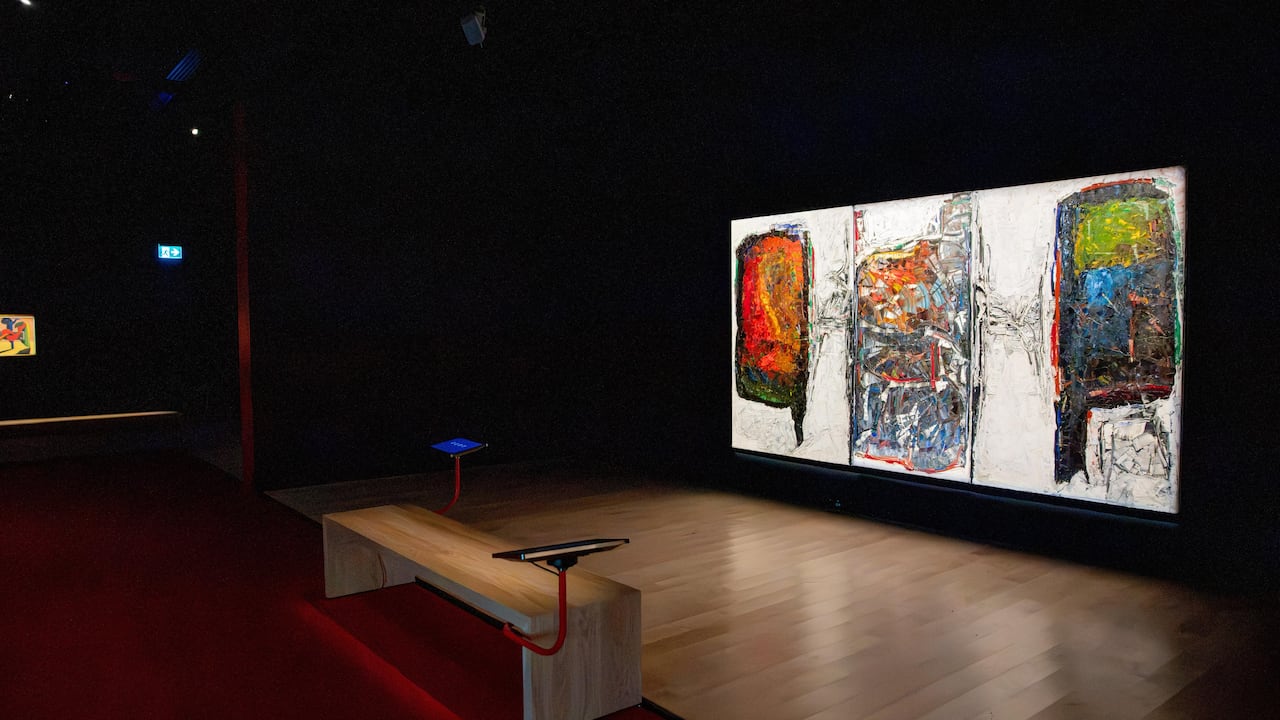
A work presented at the new Espace Riopelle. (Olivia Laperrière-Roy/Radio-Canada)
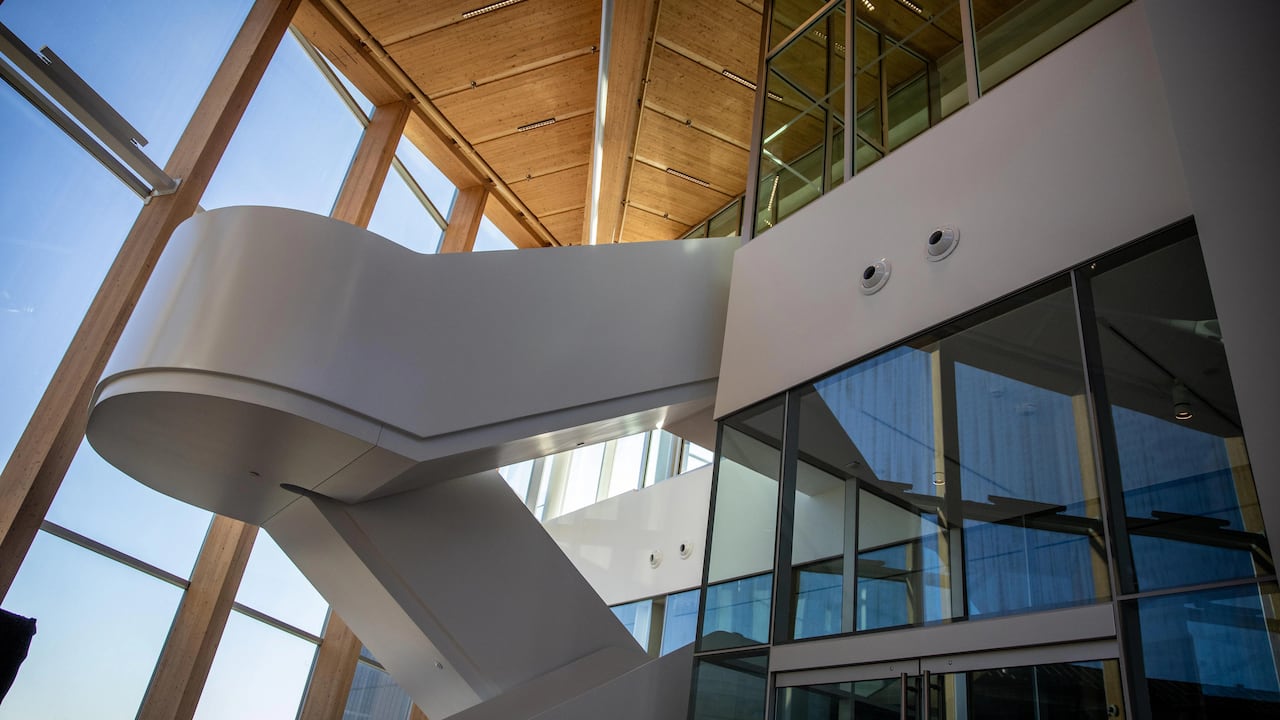
An inside look at the new Espace Riopelle. (Olivia Laperrière-Roy/Radio-Canada)
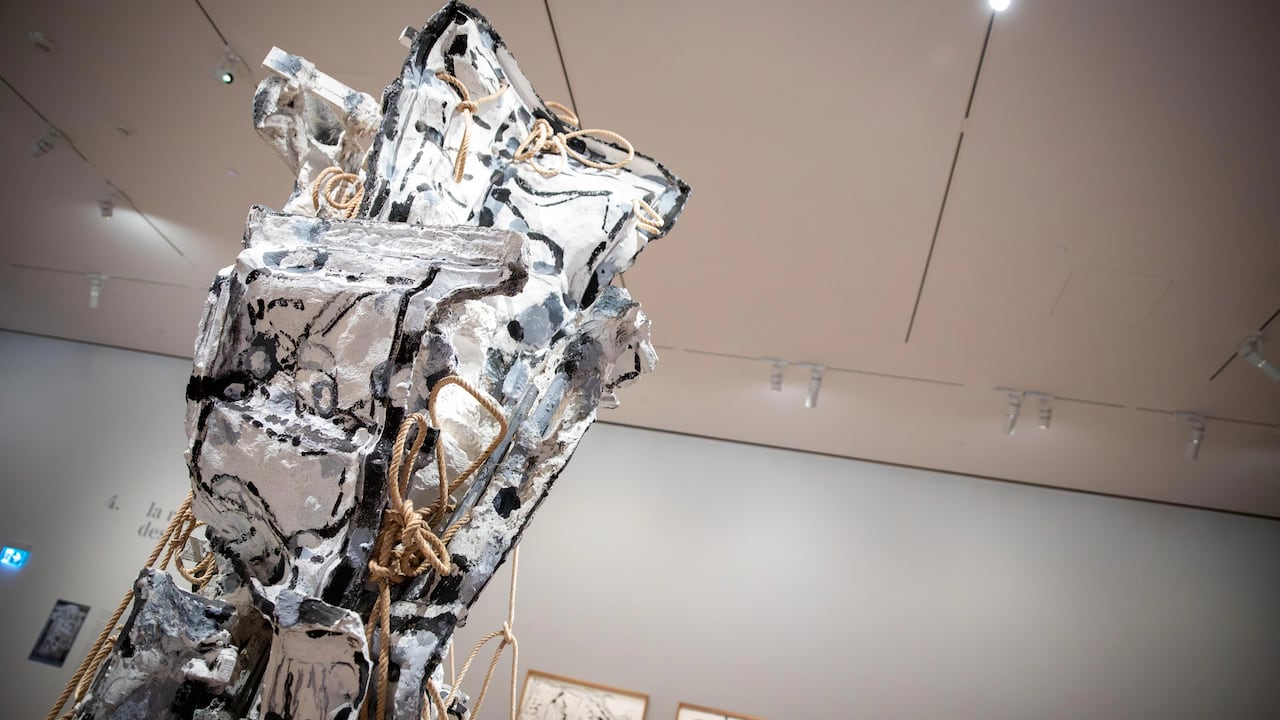
A sculpture on display at the new Espace Riopelle. (Olivia Laperrière-Roy/Radio-Canada)
At a ceremony for the project in the spring, then Quebec premier Christine Fréchette lauded Riopelle’s work.
“He painted Quebec like no other before him. He painted the forests, our lakes, our winters, our wildlife,” she said.
Even after getting international recognition and living abroad, Fréchette said Riopelle always chose to come back home to Quebec, living his final years on L’Isle-aux-Grues in the Chaudière-Appalaches region.
The exterior of the new Espace Riopelle. (Olivia Laperrière-Roy/Radio-Canada)
“With the Espace Riopelle, we are building much more than a pavilion,” she said.
“We are bringing our culture to life, we are honoring its legacy, we are passing it on as an inheritance to future generations.”
Until Oct. 25th, the museum is offering several activities to celebrate the pavilion’s opening.