

Researchers at Mass General Brigham have developed an AI health assessment tool trained on more than 40 million pictures
People can upload their photo(Image: victor alfonso arguello martinez via Getty Images)
A single photograph could reveal a person’s biological age and their likelihood of surviving cancer, according to new research. Scientists from Mass General Brigham in Massachusetts have created an AI tool that analyses over 40 million images to identify crucial health markers.
The cancer predictions were subsequently validated against actual patient records to confirm their reliability, the researchers noted. Biological ageing measures the body’s health and functionality rather than chronological years lived.
Hugo Aerts, professor at Harvard University and director of the AI in medicine programme at Mass General Brigham, said the new work “advances the field of facial health recognition AI a step further by learning survival risk directly from facial photographs of patients with cancer”.
He added: “To our knowledge, this is the first demonstration that an AI model can directly predict cancer survival from a simple photograph.”
The study also revealed that lifestyle choices significantly impact facial ageing, with heavy drinking, drug consumption and smoking all linked to appearing biologically older. Smoking demonstrated the most pronounced effect, with active smokers appearing older than ex-smokers, who in turn looked older than those who’d never smoked.
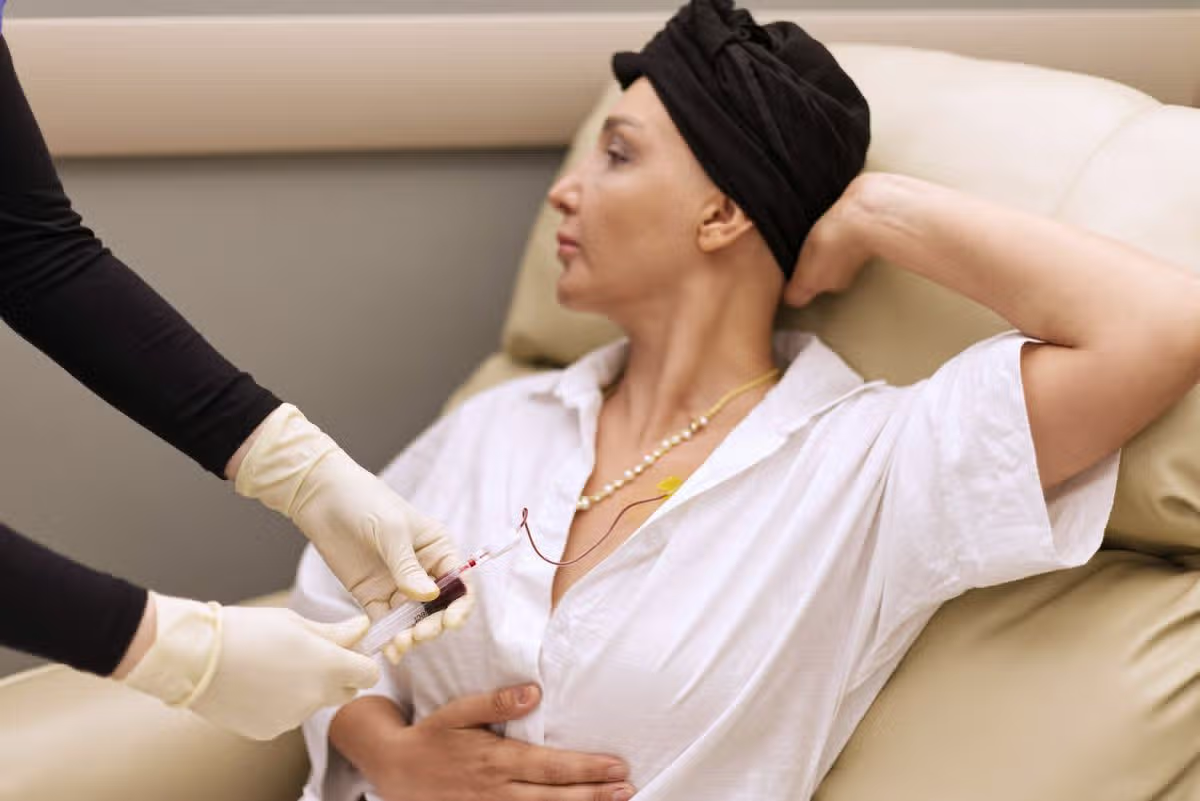
More people are needed to get involved(Image: Mehmet Algin via Getty Images)
Raymond Mak, associate professor of radiation oncology at Harvard Medical School, revealed the research team was taken aback by the reliability of the findings “across common real-world photo variations, including pose, lighting, facial expression and makeup”.
He continued: “Our goal is to make face photograph-based health assessment more quantitative, consistent and scalable so it can support personalised treatment decisions rather than replace physician judgment.”
The research appeared in Lancet Digital Health. Individuals can submit a photograph and obtain their personal results by participating in the study at faceage.bwh.harvard.edu..