
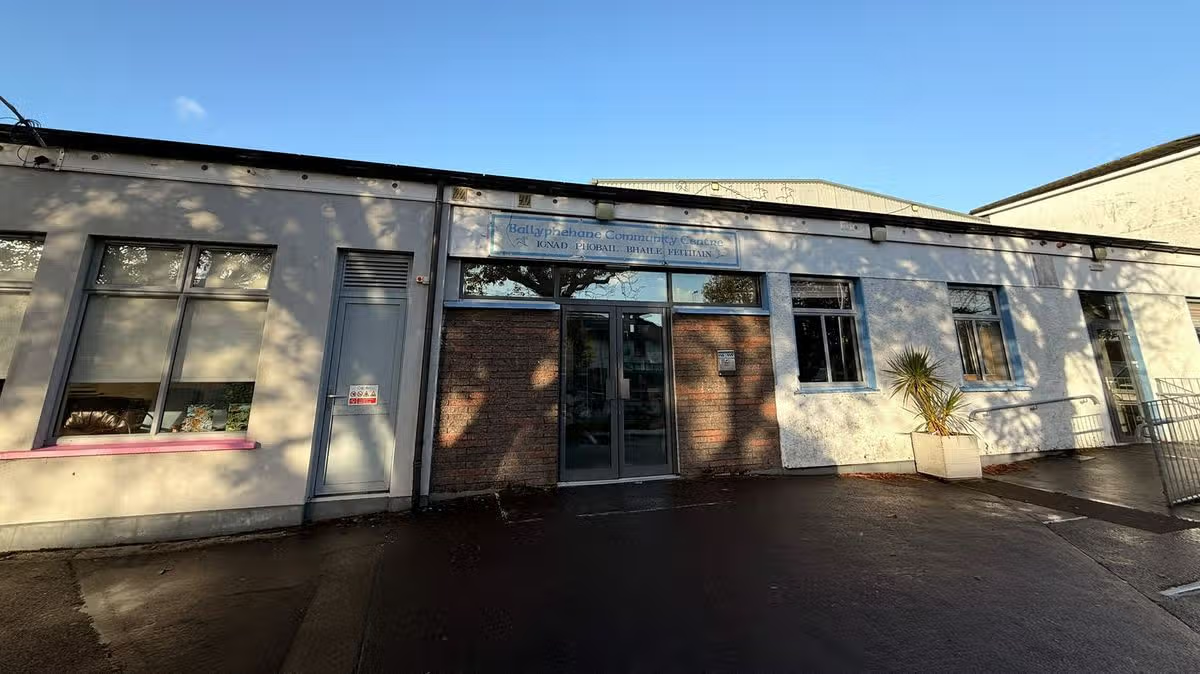
Fraudsters overseas shared posts across social media for a phoney craft fair in Cork city – all to take money from hard-working, talented traders.
The fake ads were for a Halloween festival at Ballyphehane Community Centre last weekend. At first glance, it all seemed above board. It was shared on a number Facebook pages, mentioning free entry, and even had its own section on a reputable ticketing website.
Upon closer inspection, however, bizarre wording and a handful of inconsistent details made it clear the listings were AI-generated. And while they weren’t asking people to pay for tickets – they were taking money from traders to book a space for their stall at the non-existent event.
Speaking to Cork Beo, Manager of the Ballyphehane Community Centre, Cian O’Brien, said their team had been trying to take down ads for the fake fair for weeks. In one social media post, he saw that fraudsters were asking traders to transfer money to an IBAN linked to a bank in London.
He said: “We reported it to page admins on Facebook, had it taken down, but then it popped up again later. They then had a section on an official website as well… You could tell it was AI-generated from a mile away.
“We told people a while ago that anything official would come directly from us, it was a disaster really. With social media, it’s hard to keep on top of these things. You can’t check every single page out there.”
Thankfully, it’s believed the scam had little impact, as Cian said he only got one phone call from a person confused about the listing. The Ballyphehane Community Centre team confirmed they have no plans for a Halloween festival this year, but will be hosting a Christmas event in their newly done-up hall. You can get the latest updates from their Facebook page here.
Cian stressed that if people have any doubts about any events like these in the future – you should always check official social media channels, or just ring the organisers themselves.
Unfortunately, we have seen a rise in AI scams like these over the past year, which can easily be carried out by fraudsters anywhere in the world. Elderly people and those with little social media literacy are most at risk for cons like these.
Back in January we saw a similar scam for a fake family business claiming to be located on Oliver Plunkett Street in Cork city. AI posts marketing a fake jewellery shop showed a lovely elderly couple called Ciara and Connor, who were supposedly selling stock at bargain prices as they looked to retire.
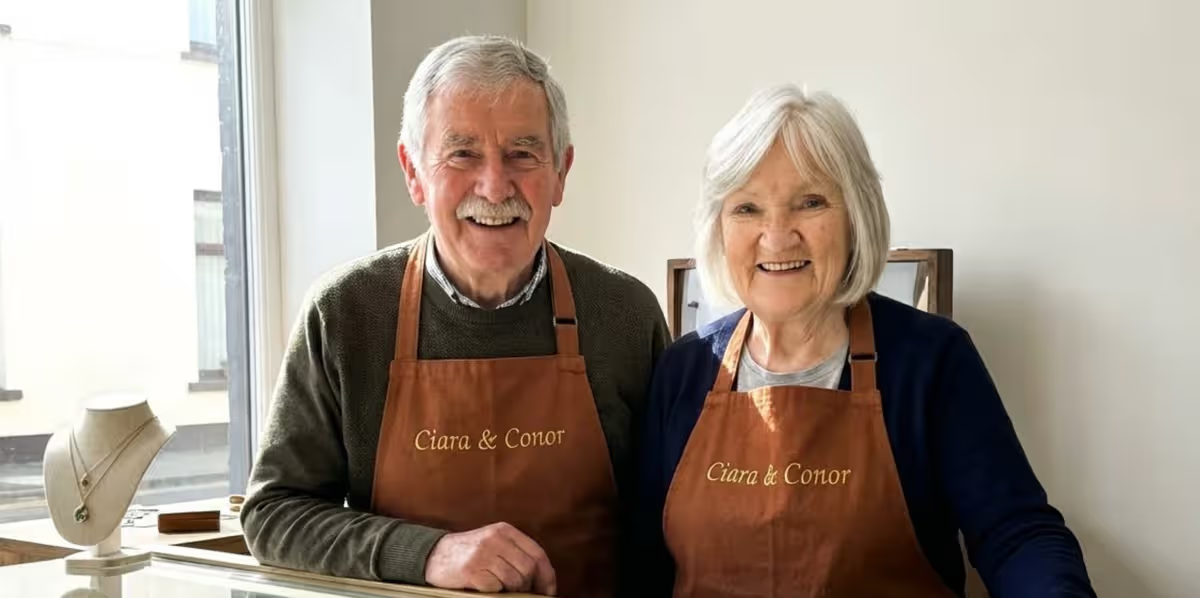
Ciara & Conor – AI generated images on a scam site
The phoney ads claimed they had been working hard for 50 years, but were finally closing down their store for good. It seemed like a sweet story. A quick search, however, would reveal that the photos were all AI-generated, using readily available software and prompts like “Elderly lady showing jewellery in her shop.”
The deals on offer were, of course, also too good to be true: chunky 18-carat gold necklaces reduced from €450 to €35, and bundles of jewellery going for ridiculously low prices. This Ciara & Connor site is one of thousands of similar scam sites that are all over Facebook and other social media sites.
In some cases, people are even using AI to create fake artists to advertise music and merchandise – both of which are also made by AI.
Take for example the ‘country singer’ Orla Callan on social media, who appears to be living the perfect Irish lifestyle – making music from a sprawling, picturesque farm, wandering the dew-soaked Irish hills in little more than a nightie. She has plenty of admirers online, racking up thousands of (mostly male) followers across Facebook and Instagram.
Her very active legion of fans send her daily compliments and even proposals of marriage – with many of them apparently believing that Orla is a real woman.
While it’s clear many people genuinely enjoy ‘her’ music – for some people, this artform is all about a connection to the person who wrote it. The rise of AI music has generated serious controversy over the last couple of years.
In 2025, more than 1,000 flesh-and-blood artists – including Kate Bush and Annie Lennox – released a “silent album” to protest against AI music. Beatles legend Paul McCartney said: “We’ve got to be careful about [AI music] because it could just take over and we don’t want that to happen, particularly for the young composers and writers for whom it may be the only way they’re gonna make a career. If AI wipes that out, that would be a very sad thing indeed.”
As AI becomes more and more popular on social media, a good rule of thumb is to always be sceptical if anything seems ‘too perfect.’ If you examine them closely, you can always find a few things that don’t seem right with AI-generated images – whether that’s slightly distorted faces or hands, or signs that just don’t make sense.
And if you really can’t tell, always try to double-check whatever the post is advertising or claiming on Google, or by contacting any listed organisers.