
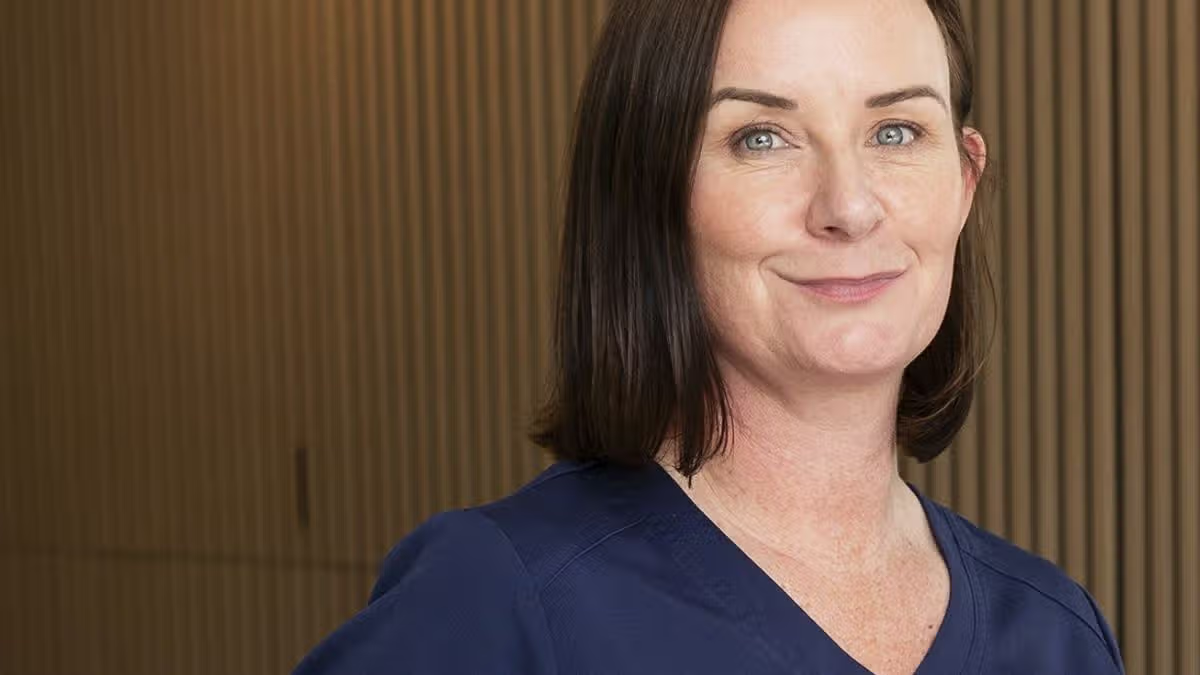
As Breast Cancer Awareness Month draws to a close, it’s important to always be aware of the symptoms and check your breasts – expert Carol Spillane has shared her knowledge
14:08, 27 Oct 2026Updated 09:13, 28 Oct 2026
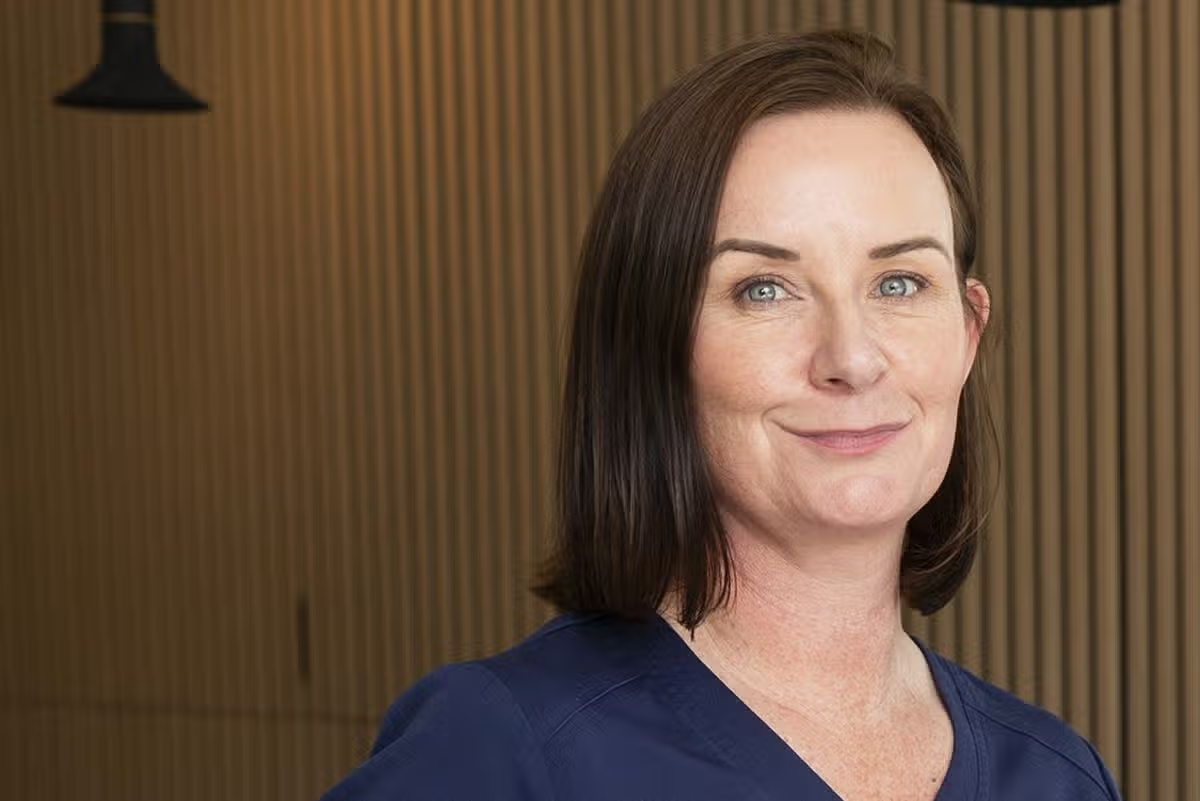
Breast Care Advanced Nurse Practitioner Carol Spillane
October is Breast Cancer Awareness Month, and while it may be drawing to a close it doesn’t mean that we need to stop being vigilante about checking our breasts.
People should always be aware of the symptoms and keep an eye out for any changes – and it’s always better to see a doctor as soon as possible if you notice anything.
Breast Care Advanced Nurse Practitioner Carol Spillane has been working in the field for years, and part of her job is to keep women as at ease as she can when they’ve been referred to her clinic.
“When they come to the clinic, they meet one of the nurses with the consultant whilst they’re having a breast exam,” she explained to RSVP. “If they’re having an ultrasound or a biopsy done, one of us will be there to support them through that.
“Then they’ll come back to us if they’ve had a biopsy for results and we’re there. If they’re getting a diagnosis, one of the nurses will support them through that diagnosis with their family members.
“Then we will coordinate their care from the diagnosis right through whilst they’re being followed up with women’s health, generally for a period of kind of five to ten years. We’re there for the entire time, from diagnosis right through to survivorship. That’s the role: from coordination, emotional support, psychological support, anything that they need to help them get through their journey. One of the breast care nurses will support them with that.”
Carol shared some of the most important symptoms of breast cancer that women should be keeping an eye out for.
“A lump is synonymous with a fear of breast cancer, so it’s a lump in the breast or underneath the arm,” she explained. “That’s also quite important, examining under the arm.
“Then you’re looking for any changes in your skin, so it’s important to look and feel. I always advise my ladies to stand in front of the mirror and raise their hands above their head, and then put their hands on their hips and contract. Those movements will show you if there’s any changes in the shape of your breast, any puckering in or pulling in of your skin that you mightn’t necessarily feel when you’re examining yourself.
“You’re looking at your nipple-areolar complex. Is there any nipple discharge that’s spontaneous? Sometimes women will press their nipple and get a little bit of discharge, that’s not unusual. Except if it’s spontaneous, or it’s bloody or pink or serous in colour, but any discharge should be investigated.”
She added: “If the nipple pulled in and it wasn’t pulled in before, if it’s a new thing, or sometimes women will get a scaly rash that looks like eczema around the nipple-areolar complex. Most of the time it is eczema, but we just need to investigate it for something called Paget’s disease. They’re the main symptoms that we’re looking for.
“About 80% of women will develop breast pain in their lifetime. But breast pain in isolation generally isn’t something to be concerned about. If it’s persistent for a period of three months, it’s no harm having a chat with your GP. They can make some lifestyle recommendations for you. If it still persists, well then maybe having a mammogram just to rule out anything else would be really helpful for that woman. But in isolation, it generally is very annoying, but nothing of concern.”
Carol spoke to RSVP as a new specialist Breast Service was launched at the Blackrock Health Women’s Health Centre in Dublin 2.
The new one-stop triple assessment clinical service has been developed to give women prompt access to expert care, significantly reducing the anxiety associated with waiting for diagnostic results. The service provides comprehensive specialist evaluation for patients presenting with:
A breast lumpBreast painChanges in breast shape, skin or nippleFamily history concerns requiring assessmentOther breast symptoms requiring specialist evaluation
Aligned with National Cancer Control Programme (NCCP) guidelines, the service offers complete end-to-end care from initial assessment and imaging to treatment, surgery and long-term recovery support.
To learn more about the Breast Care Service at the Blackrock Health Women’s Health Centre, please click here.
Want to see more of the stories you love from RSVP ? To add RSVP as a preferred source of news on Google, simply click here