
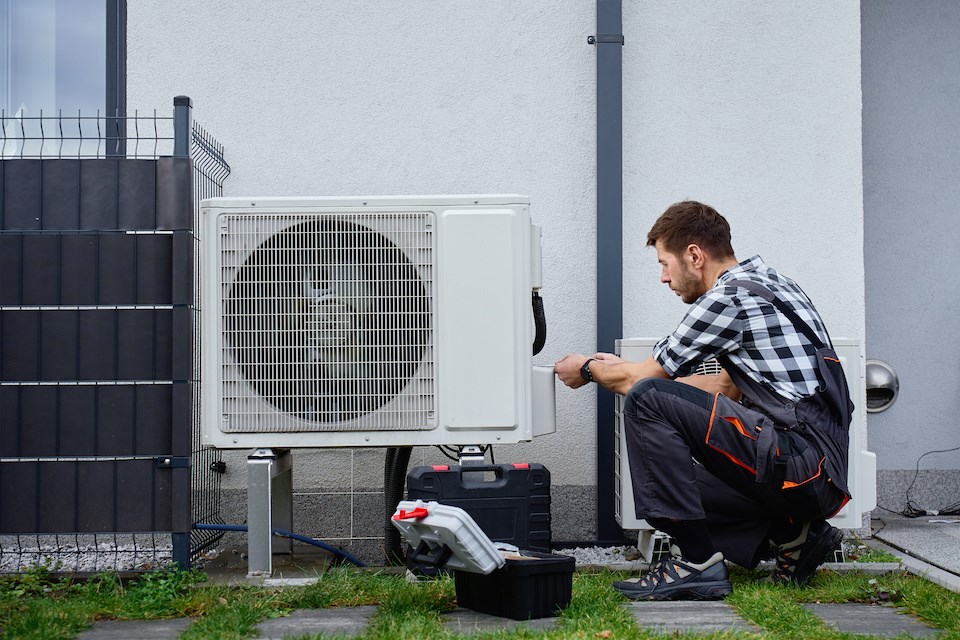
For Northern Ontario homeowners considering a heat pump, the better question isn’t simply whether the technology works in cold weather, but how it would work as part of the heating system in their particular home.
For homeowners thinking about their next heating and cooling system, heat pumps can raise an obvious question: Will one work through a Northern Ontario winter?
It’s a reasonable place to start, but it doesn’t tell you whether a heat pump is the right choice for your house.
The more useful assessment looks at the home itself, how it is currently heated and what role the heat pump would play within the overall system. Two houses on the same street can have different heating needs, even though they experience exactly the same winter temperatures.
Start with the house, not the equipment
A heating system has to meet the demands of the home it’s installed in.
The size and layout of the house, its insulation and air leakage, existing ductwork and the heating equipment already in place can all influence how a new system should be designed.
That’s why deciding on a heat pump isn’t simply a matter of choosing a model rated for cold temperatures.
A homeowner with an existing forced-air system may be approaching the decision differently from someone relying on another type of heating. A house with ductwork presents different possibilities than one without it. And a homeowner replacing both heating and cooling equipment may have different priorities from someone trying to supplement an existing system.
Understanding those conditions first helps determine what role a heat pump could realistically play.
It doesn’t have to be an all-or-nothing decision
One misconception worth getting past is that considering a heat pump always means deciding whether it can completely replace the home’s existing heating system.
Depending on the house and system design, a heat pump can be incorporated into a broader heating strategy rather than considered in isolation.
That matters in a cold climate because heating demand changes throughout the year. The system has to be designed around what the home requires not only on a mild fall afternoon, but during colder periods as well.
For some homes, that may mean considering how a heat pump works alongside another source of heat. For others, a different configuration may make sense.
The important part is determining the strategy first and selecting equipment around it, rather than choosing a heat pump and trying to make the house fit the decision afterward.
Think about heating and cooling together
There is another reason to consider the whole system: a heat pump can provide both heating and cooling.
That can make the conversation particularly relevant for homeowners approaching the replacement of an aging furnace, air conditioner or both.
Instead of viewing each piece of equipment as a separate purchase, this can be an opportunity to consider what the home needs year-round and how the different parts of the system will work together.
S&T Group designs, installs, services and repairs heat pumps and other residential heating and cooling systems, including furnaces, boilers, mini-splits, forced-air systems and comfort controls.
A professional assessment can help determine what the home requires and which system configuration is appropriate before a homeowner commits to a particular piece of equipment.
For Northern Ontario homeowners, the cold is certainly part of the heat-pump conversation. It just shouldn’t be the entire conversation.
The better question is what heating strategy makes sense for your particular home, and whether a heat pump has the right role within it.
Learn more about S&T Group online.