
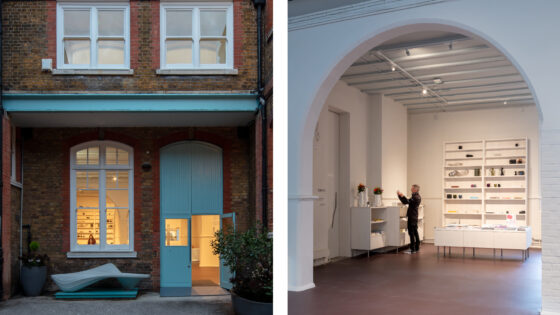
Established by the Pritzker Prize-winning British-Iraqi architect Dame Zaha Hadid (1950-2016), the Zaha Hadid Foundation (ZHF) is an independent charitable organisation dedicated to the legacy of Hadid.
In addition to maintaining Hadid’s collection and archive, the foundation runs public programmes, supports educational initiatives and partners with a range of organisations from its newly refurbished base at 10 Bowling Green Lane, the former Design Museum at Shad Thames and globally.
The foundation’s home at 10 Bowling Green Lane in Clerkenwell has been revamped alongside the development of a new visual identity, website and future programme of exhibitions, archive presentations, contemporary commissions, emerging talent residencies and public events.
Plans for the Victorian schoolhouse site in Bowling Green Lane – the one-time offices of Zaha Hadid Architects – were first revealed in 2022 as part of the foundation’s initiative to create ‘a gallery, museum, learning centre, research facility and think-tank.’
The refurbishment, led by London-based Studio KA, includes galleries, a learning space, lecture hall and collection display, alongside other spaces for hosting exhibitions, talks, workshops and creative residencies.
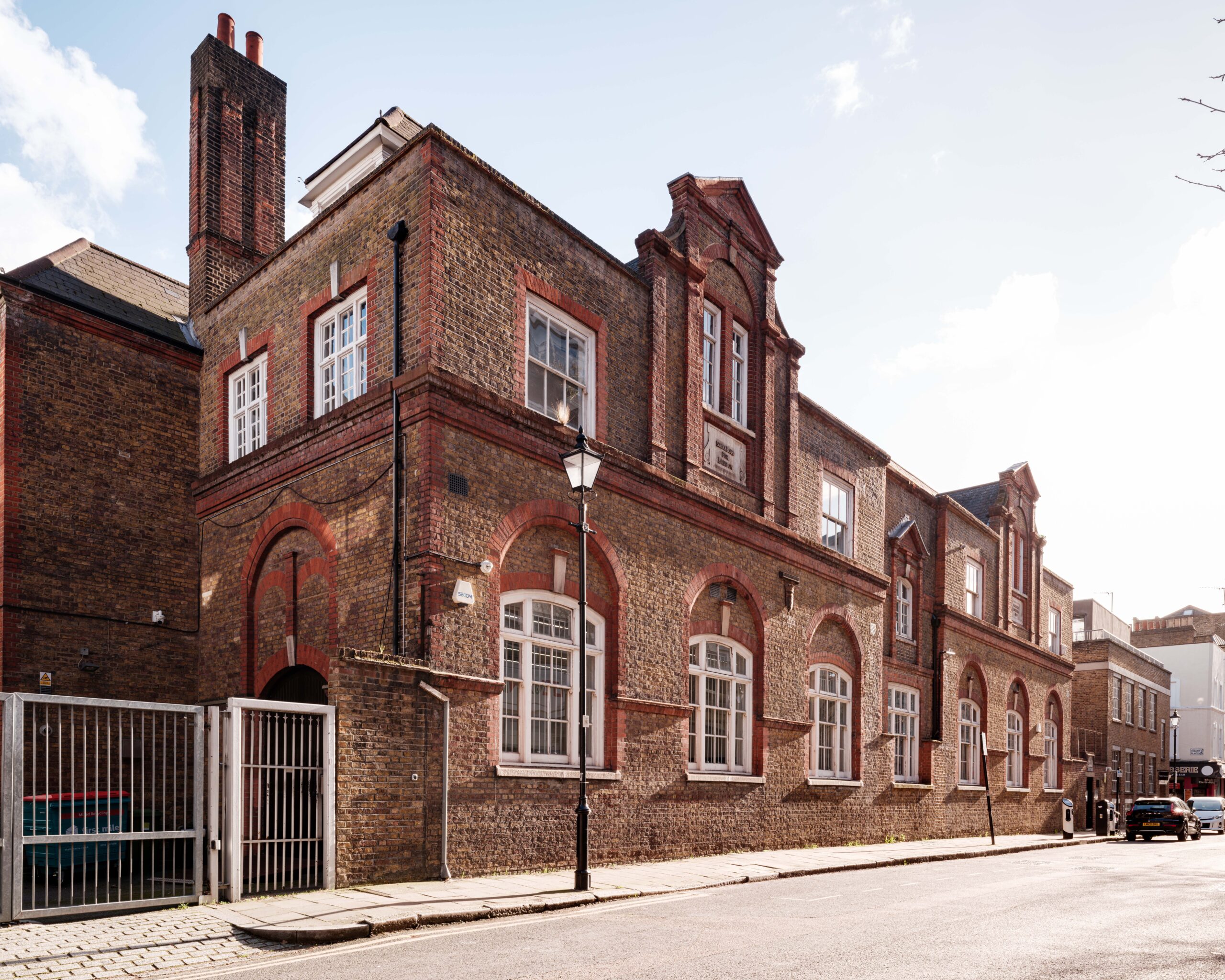
Exterior of 10 Bowling Green Lane
Source: Fred Howarth
Within the Grade II-listed 1870s former schoolhouse, original features have been restored while the key spaces have been opened up and reconfigured to improve circulation and functionality.
New flooring and other finishes have been applied throughout, inspired by colours found in Hadid’s paintings. In addition, details previously implemented by Hadid, such as her Z-shaped door handles and shard-like flooring insets, have been preserved.
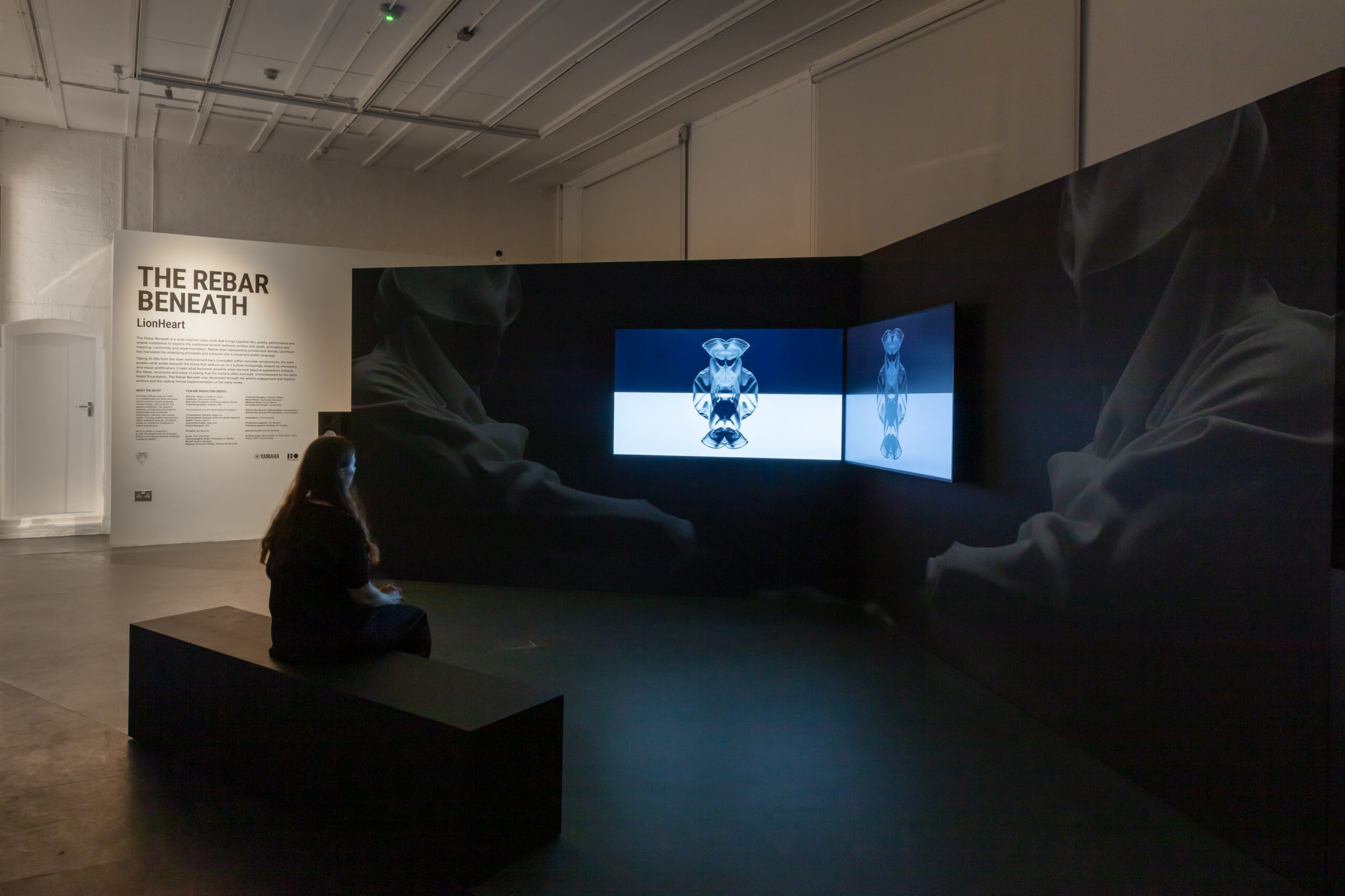
Within the space, multidisciplinary artist LionHeart has created a bespoke dual-channel video exhibition, specially commissioned by the ZHF to mark the tenth anniversary year of the architect’s passing.
Titled The Rebar Beneath, the 11-minute work, open to the public until April next year, brings together film, poetry, performance, movement and a spatial installation inspired by Hadid’s early drawings and paintings.
For the work, LionHeart engaged with her extensive archive to question how form, perception and the unseen structures below surfaces shape how we understand the world.
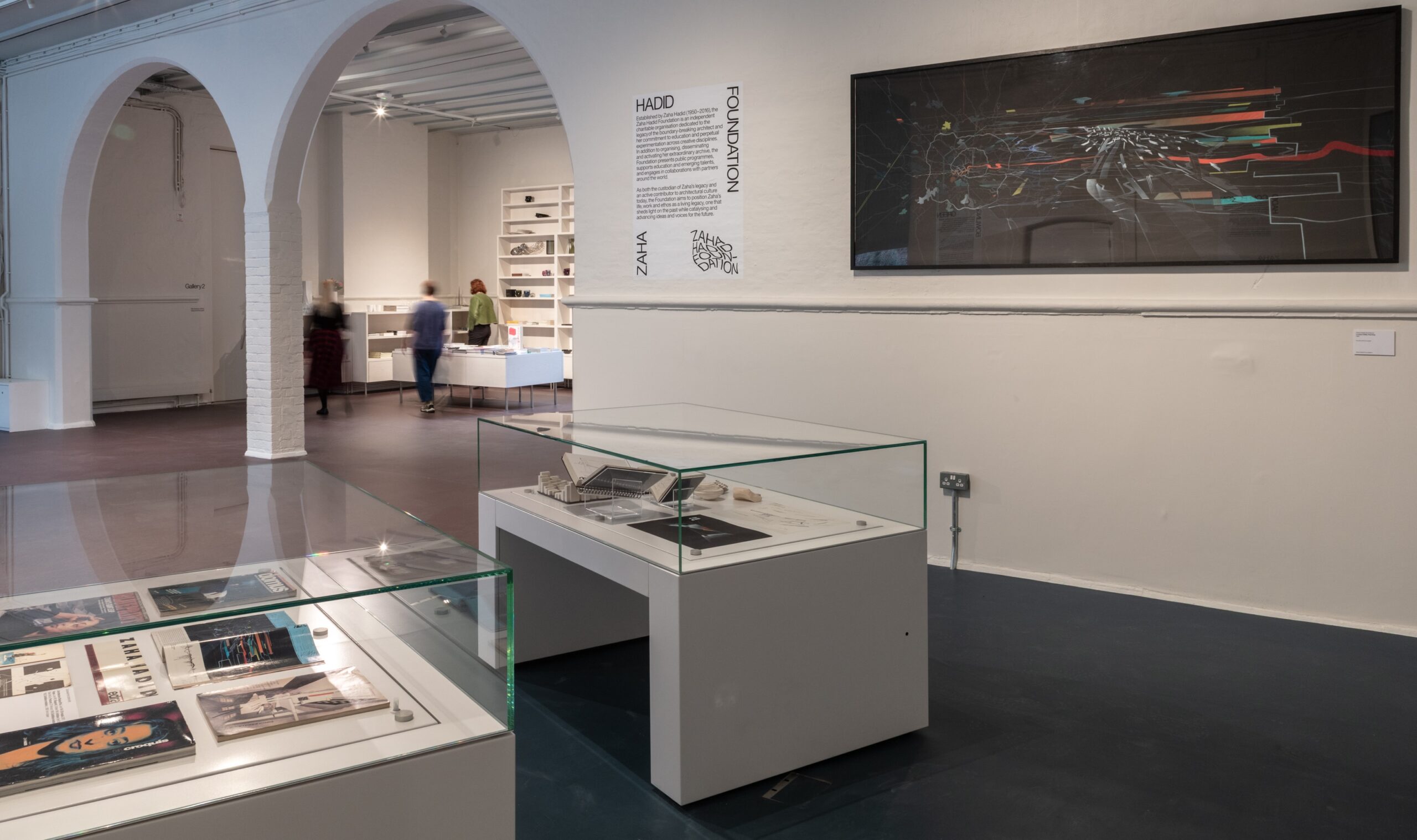
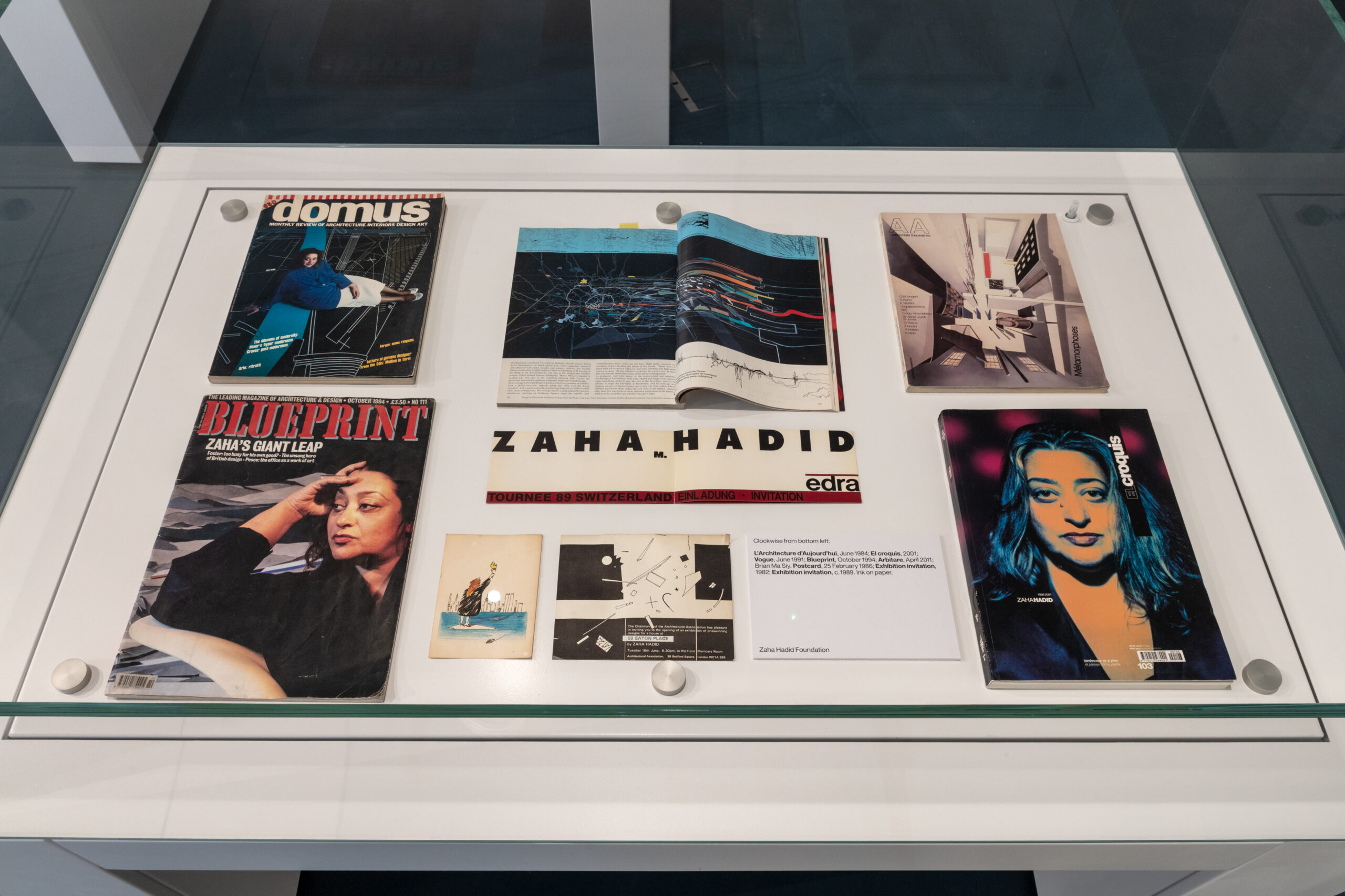
Alongside this commission is the exhibition Zaha Hadid: Architecture of Performance, curated by the foundation’s curatorial lead, Catherine Howe, and guest curator Libby Sellers. The foundation’s first collection-based exhibition, the show is dedicated to stages and sets designed by Hadid and her office, as well as the artwork The Completely Exhausting Inexhaustibility of Zaha Hadid by Pulitzer Prize-winning illustrator Mona Chalabi, which shows key moments of the architect’s life in a timeline.
Today’s public opening – Tuesday 3 November – was preceded by a two-day symposium, 89 Degrees of Zaha Hadid, run in collaboration with the Architectural Association and Serpentine that took place across three venues over the weekend.
Over the summer, the Architecture Foundation, with ZHF, launched POST PRESS, a temporary event space at the foundation’s Clerkenwell base. More than 30 events programmed by emerging practices appearing in the newly published New Architects 5, the latest edition of AF’s guide to the UK’s key emerging architecture practices, were hosted there.
Zaha Hadid, who died, aged 65, 10 years ago, first rented a classroom in the former Bowling Green Lane School in 1983, eventually taking over the whole building as the practice grew. The studio finally moved its base from Bowling Green Lane to a nearby office at Goswell Road five years ago after over 30 years in the building.
Hadid bought the Design Museum building in 2013 to house and display her archive. It never opened to the public, however, yet houses the majority of her drawing, modelling and painting work.
Earlier this year, ZHA won a Court of Appeal case over the renegotiation of its naming rights contract, which previously tied it to the foundation. The practice rebranded as ZHA Architects.
Artist’s view
Zaha Hadid has always been an avant-garde outlier and a north star for experimental practitioners challenging established conventions across creative fields. I was delightfully overwhelmed and incredibly excited to have access to the drawings and sketches of one of my heroes, and to encounter her explorations of how borders and boundaries can fuel creative genius, allowing us to alter and occupy existing spaces with bravado while pushing the limits of human experience.
I am grateful to the director and trustees of the Zaha Hadid Foundation for allowing me the creative freedom to explore and honour Zaha’s legacy of endless experimentation. The Rebar Beneath aims to be eloquent yet provocative, challenging viewers to question and subvert the underlying frameworks that shape everyday architectural design and practice.
LionHeart
Client’s view
It was Zaha’s wish for the Foundation to preserve her legacy while carrying her ideas forward: advancing education, supporting future generations and contributing to the wider field of architecture. At the heart of that mission is her extraordinary archive, a profound record of her work, imagination and intellectual life. This next step will allow us to safeguard that archive, open it to wider audiences, and create new opportunities for learning, scholarship and creative discovery, ensuring that Zaha’s ideas continue to inspire generations to come.
Rana Hadid, chair of the trustees, Zaha Hadid Foundation
2018 predictions: Will the profession continue to be marginalised?