
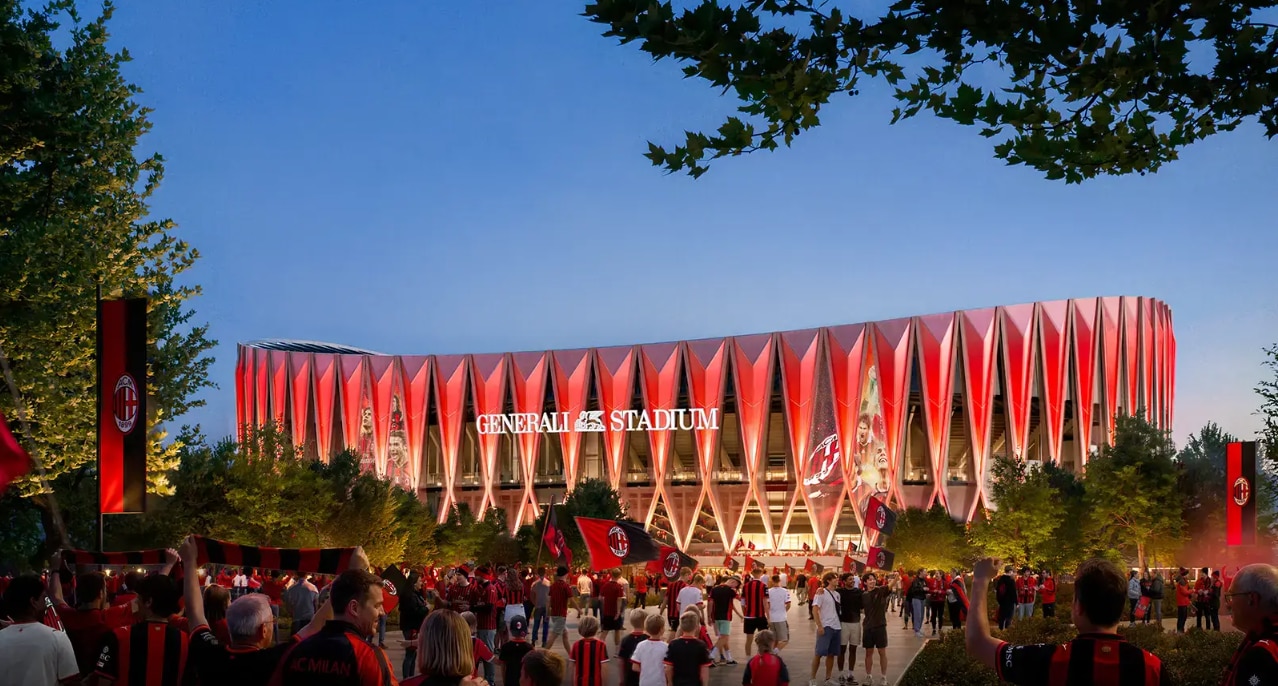
Of all the possible ways to make architectural history, Norman Foster chose one inscribed in his very surname: to foster, meaning to encourage, promote, and push toward growth. For sixty years, the great British architect has exercised a rare talent: intervening in places where transformation confronts a strong collective memory.
It is into this confrontation that Foster arrives, bringing something novel enough to represent the future and familiar enough to capture the affection we held for the past. Because designing a symbol is difficult, but building one meant to replace another is an even more complicated endeavor—especially when the previous symbol is a stadium, whether in London or in Italy.