
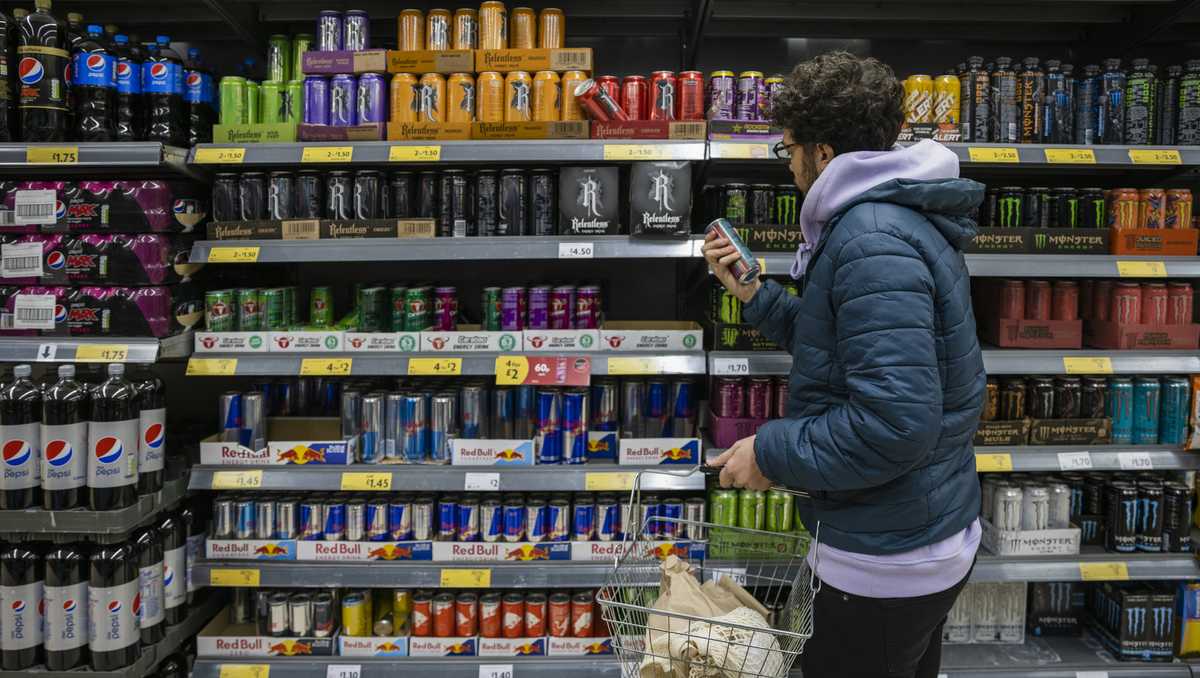

Energy drinks have been linked to a higher risk of cardiac arrest, a new study shows, particularly in younger adults.
A new study examined “adverse-events” reported to the U.S. Food and Drug Administration over eight years.
That study found that energy drinks and other caffeine-fueled beverages were linked to increased reports of cardiac arrest, heart attacks and other heart problems.
Researchers reviewed more than 28,000 reports filed from 2017 to 2025. Cardiac arrest appeared about 11 times more often in reports involving products with caffeine or other stimulants than in reports about products without them, according to new independent preliminary research to be presented at the American Heart Association’s Scientific Sessions 2026.
Heart attacks were about 4.5 times more likely to be reported, while irregular heartbeats were about four times more likely, the study states.
Nearly half of the heart-related reports involving these products concerned adults ages 18 to 34.
The researchers say the pattern raises concern because young adults are not usually considered at high risk for heart problems.
But the findings show a link in reports, not proof that the products caused the events.
The data also does not show how many people used these products without problems, or how many heart events went unreported. Some energy drinks and workout supplements contain far more caffeine per ounce than brewed coffee, and people may consume them before intense exercise or alongside other substances.
Researchers say more study and better safety monitoring are needed. For now, they urge health professionals to ask younger patients with symptoms such as chest pain, fainting or a racing heartbeat whether they use these products.