
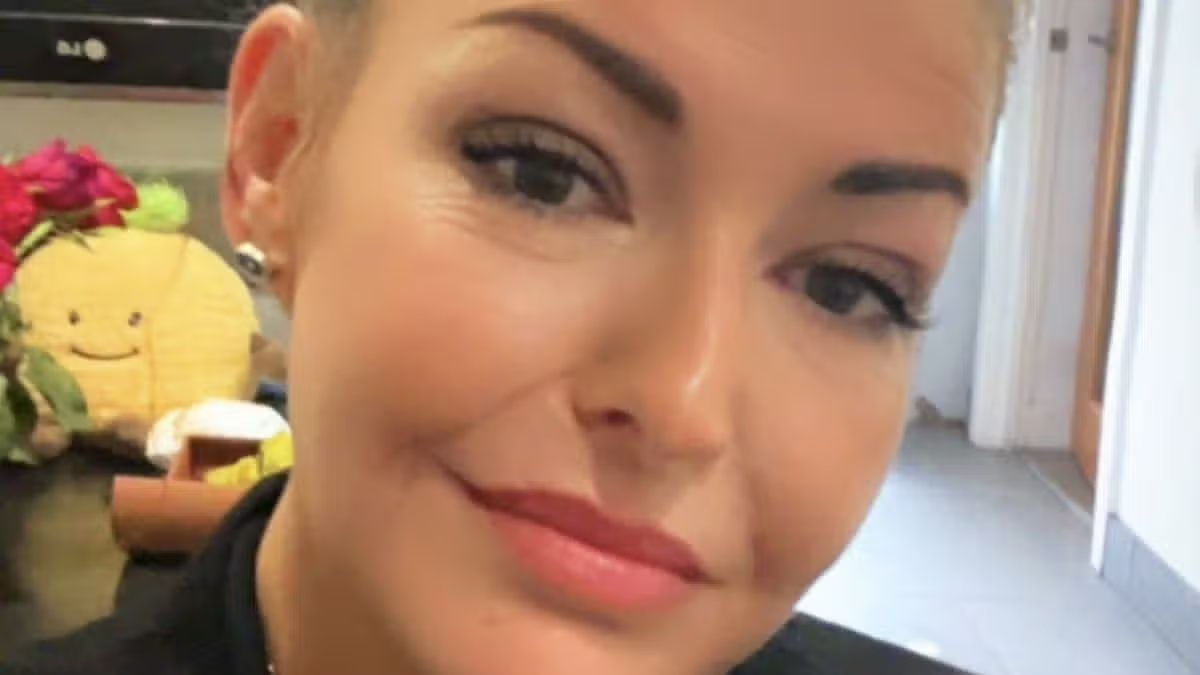
She was going from pharmacy to pharmacy to get a daily supply and taking 32 at a time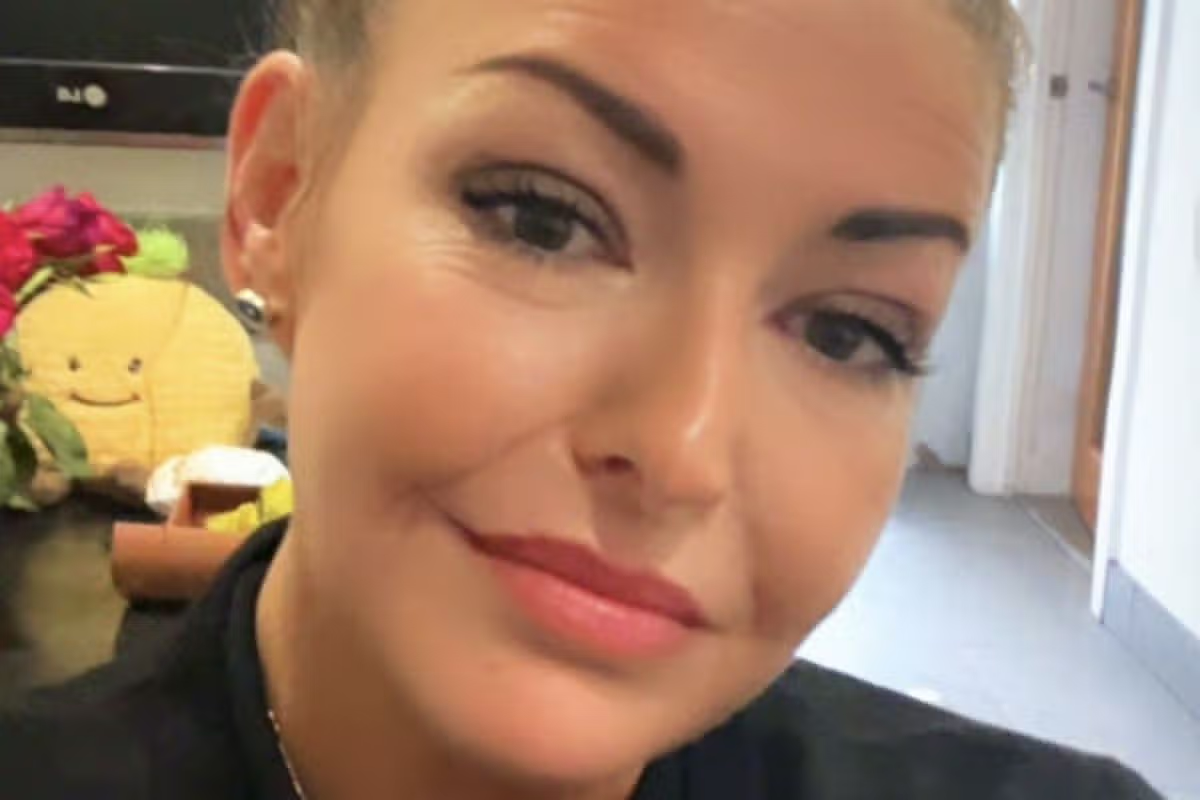
Nicola Zawadski (Kennedy News and Media)
A mum says a heartbreaking miscarriage led to a 20-year addiction to ibuprofen that made her feel like a ‘superwoman’ but then almost killed her. Nicola Zawadzki was originally prescribed codeine after losing her first baby while three months pregnant.
The 46-year-old said she instantly became hooked on the painkillers that felt like being ‘wrapped up in a warm blanket’. After taking codeine pills every day for four years, Nicola’s GP stopped her prescriptions, which led to her buying boxes of an over-the-counter painkiller that combines 200mg of ibuprofen and 12.8mg of codeine.
She found herself ‘pharmacy hopping’ to get her daily box of 32 pills. The mum-of-four says the tablets made her feel like ‘superwoman’ until she began developing stomach ulcers before suffering a severe bout of pancreatitis – an inflammation of the pancreas.
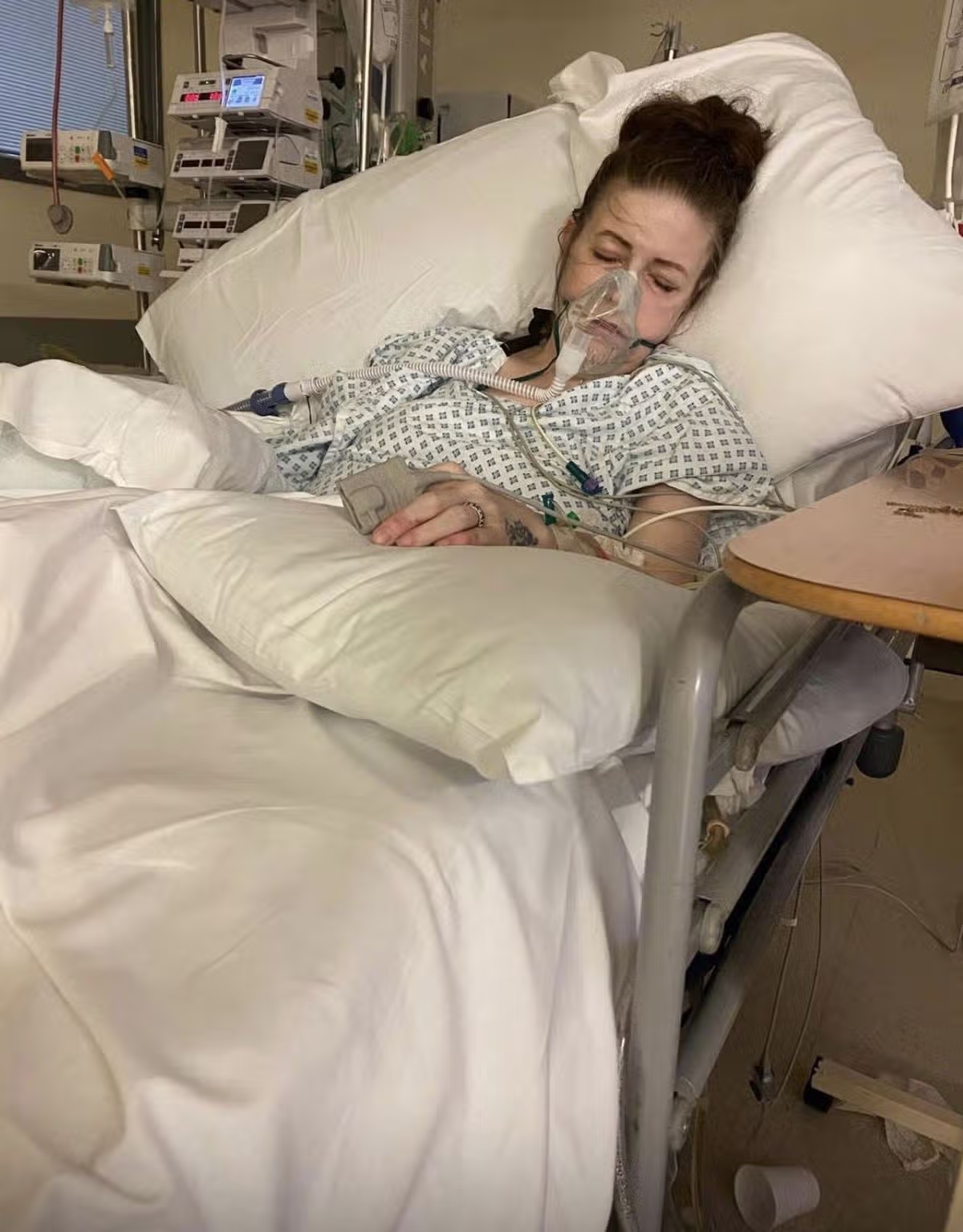
Nicola Zawadzki, 46, was hospitalised due to her long-term drug use(Image: Kennedy News and Media)
In May 2024, Nicola’s teenage son discovered her blue and unresponsive in bed, leading to an emergency tracheotomy. She was left her in a month-long coma caused by her long-term use. Luckily, Nicola made a recovery but said the near-death incident made her ditch painkillers for good.
Codeine is part of the opioid family of drugs and the NHS warns that they’re addictive and doses should be regularly reviewed with a doctor if taken long-term. Nicola, who lives in Derby, said: “I lost a baby at three-and-a-half months in 2002. This was the first time I’d fallen pregnant.
“[After miscarrying] you still have to deliver them. It was very traumatic. [After inducing the birth] I just literally haemorrhaged in hospital. I was falling in and out of consciousness, I had to have lots of blood transfusions. They gave me codeine. I’d never had it before, I didn’t even know they could be addictive.
“I took these tablets and it felt like someone was just wrapping me up in a warm blanket. I remember thinking this makes me feel better. Initially, my prescription was for a week then I went to my GP and he gave me more.
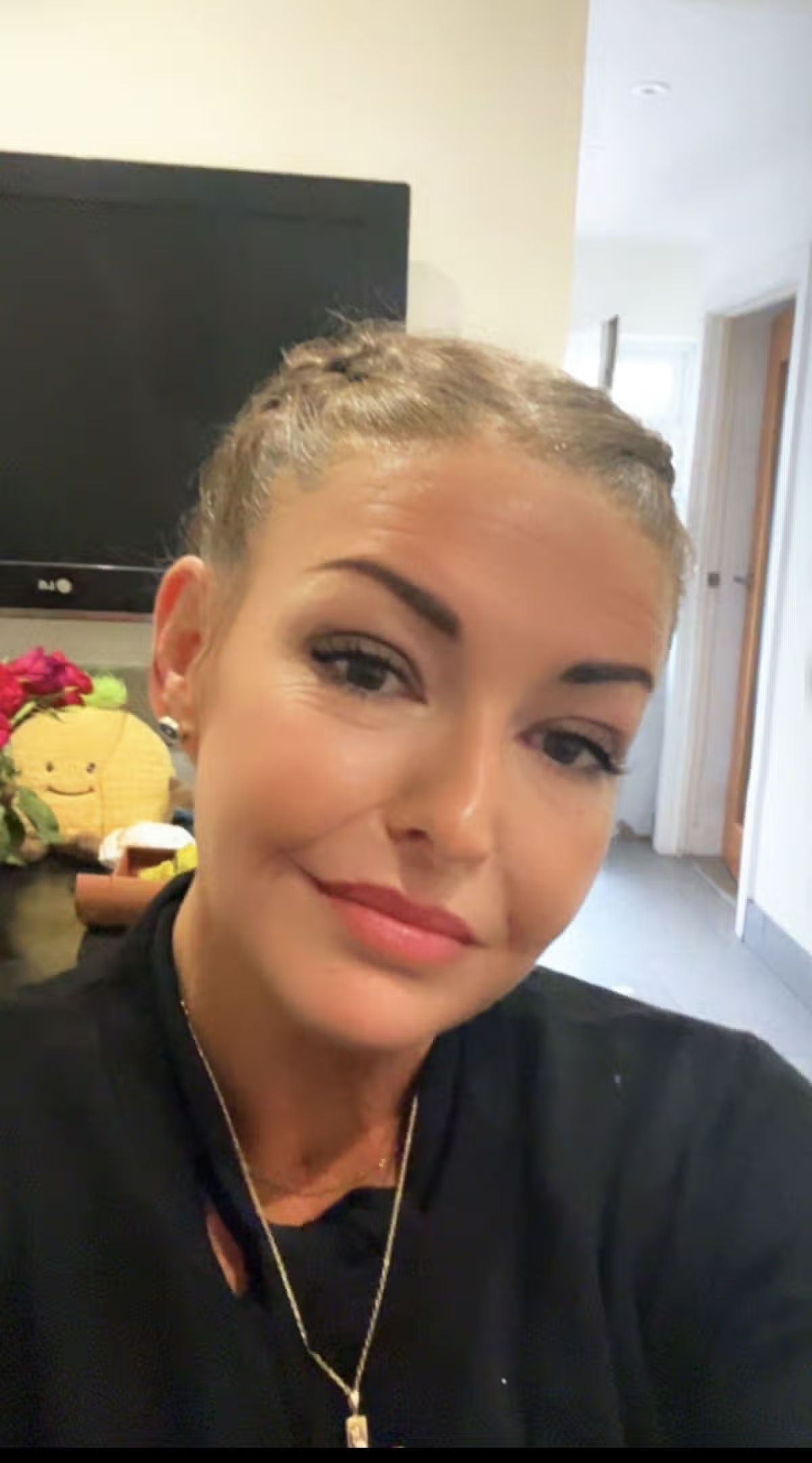
Nicola Zawadski (Kennedy News and Media)
“And it just went from there. I just went back for more prescriptions. I was self-medicating because I felt so low. I was on repeat prescription so it was so easy to get them. It was constant, I didn’t have any breaks. It just got very quickly out of hand.”
Within a year, Nicola became dependent on the painkillers – spending around £80 a week on 32 pills a day to fuel her addiction. When doctors stopped her codeine prescription in 2006, Nicola was forced to switch to over-the-counter medication which she bought for the next 18 years.
Nicola said: “I’d have to keep going to different chemists. I would take a whole box, which is 32 tablets, in one go. It controlled everything. We couldn’t just go on holiday because I had to figure out what I’d do for my medication or I’d get poorly. I would never miss a day. I was on something for 20 years.
“Because it gave me energy, I used to feel like superwoman doing all the washing and cooking. I used to take it to just feel normal. I thought I was doing okay because I was still cooking and cleaning, but then I started getting stomach ulcers. It made me really poorly. I had so much scar tissue on my stomach I had to have an operation.”
Fighting for her life
In May 2024, Nicola suffered a severe bout of pancreatitis that left her fighting for her life in a month-long coma. In hospital, Nicola was also treated for aspiration pneumonia – a lung infection that develops when you accidentally inhale food, liquid, saliva, or stomach contents into your lungs. Nicola said: “I remember going to bed because I was feeling poorly, and my son came up and said I was blue.
“I don’t remember any of it because my oxygen levels were so low. In hospital, my heart stopped for about five minutes. My pancreas had just stopped working in my sleep. This was just from long-term ibuprofen use. All the contents of my pancreas went into my stomach.
“I had a tracheotomy and fell into this coma. They couldn’t wake me up. They told my kids to come in and say goodbye. The doctors said they didn’t know how I got through it. After being in hospital, I never took anything again. I got the kick up the bum I needed. I’d never wanted to stop in the past. That scared the life out of me.”
Now, Nicola is warning others about the dangers of prescription drugs before they ‘dictate’ your life. Nicola said: “A lot of people on heroin started off on painkillers. It needs to be taken more seriously. I was very naive, you just trust your doctor. I wish I wasn’t given them.
Warning to others
“Deal with it. Get on top of it before it gets on top of you. If I can do it, I want to show people that they can do it too. It controls and dictates your life.”
NICE (National Institute for Health and Care Excellence) guidelines state that prolonged use of codeine, particularly for longer than three months, may lead to drug dependence and addiction, even at therapeutic doses. NICE recommends that patients are provided with regular monitoring and support, and that their dosage is slowly tapered off at the end of treatment to reduce the risk of withdrawal symptoms.
A spokesperson for Reckitt, which manufactures Nurofen Plus, said: “We are concerned and saddened to hear this individual’s story, as patient safety is our top priority. Nurofen Plus is a specialist product that contains a low dose of codeine. In line with UK regulations, patients can only buy these medicines under the supervision of pharmacists who provide advice on appropriate use.
“Pharmacist-dispensed pain medications that contain codeine can play an important role in short-term pain relief when used as directed. Our packaging and patient information leaflet clearly state that the product is only for short-term use. Anyone whose symptoms persist should seek medical advice.
“We support initiatives led by the UK’s MHRA to help pharmacists identify potential misuse in order to protect patients.”