
The Teachers’ Union of Ireland (TUI) and the Irish Federation of University Teachers (IFUT) have warned that the growing use of artificial intelligence (AI) among students has huge implications for academic integrity and assessments.
The two unions are holding a meeting today to discuss the new “reality across higher education campuses”.
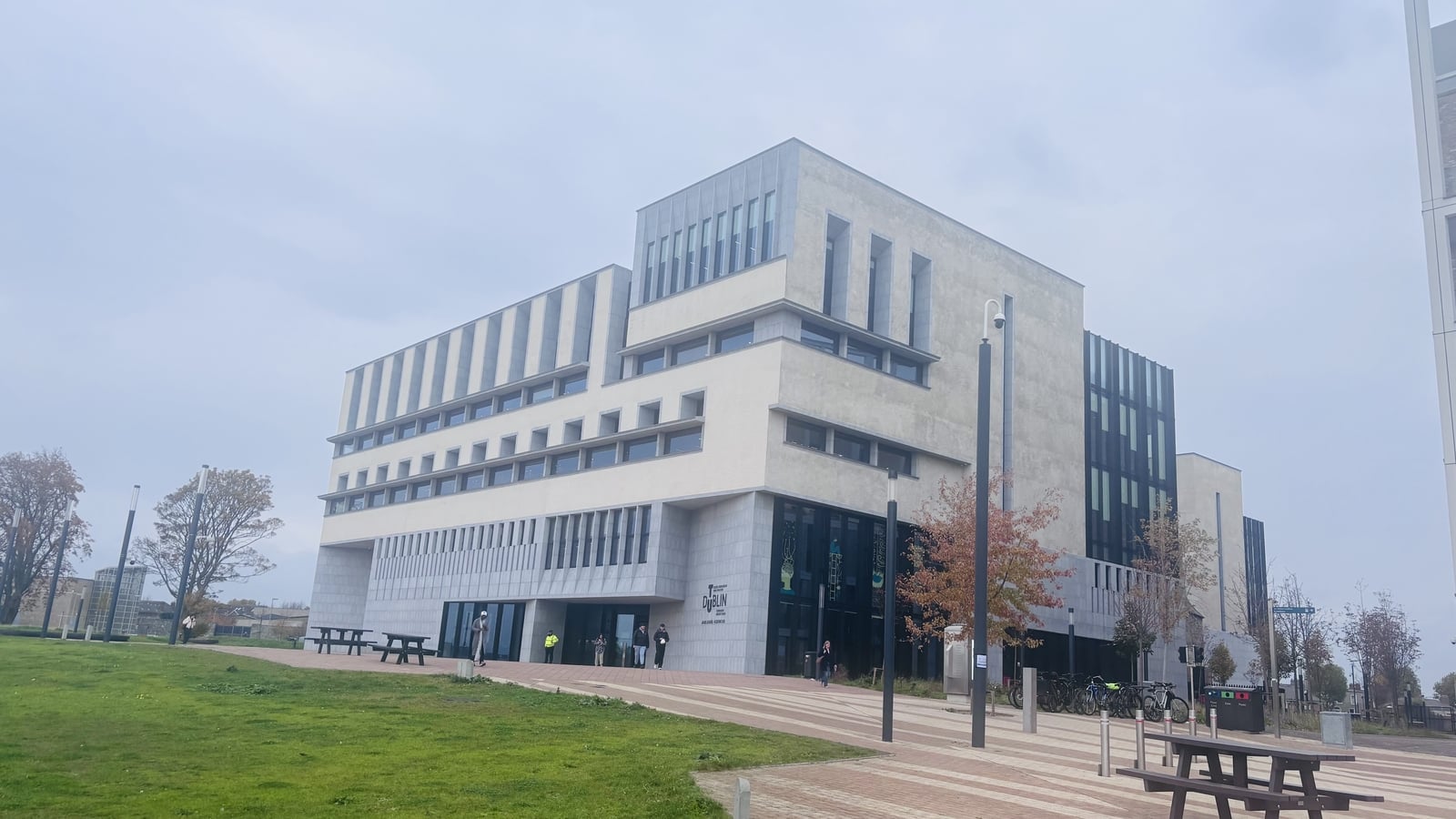
The meeting at Technological University Dublin’s Grangegorman campus heard from lecturers who described how AI is transforming the way students engage with teaching, learning and assessment.
They said traditional assessment methods are increasingly being challenged by students’ ability to use AI to produce assignments and other academic work.
More students turn to AI tools to help complete assignments and essays with many relying on it as a “shortcut”.
Lecturers highlighted worry that students may be losing creativity and curiosity by using ChatGPT and other AI tools for their work, while also warning about the effects of cognitive decline.
We need your consent to load this rte-player contentWe use rte-player to manage extra content that can set cookies on your device and collect data about your activity. Please review their details and accept them to load the content.Manage Preferences
Lecturers at the meeting admitted many of them were “grappling” with the influence of AI across third level education.
Miranda Cocoran, a lecturer in 21st Century Literature at UCC said she is “troubled” by the way that AI encourages students to neglect their own critical thinking capacities.
“Unfortunately, it means students are not learning the skills we want to teach them,” she said. “A lot of research shows it leads to cognitive decline.”
Others expressed more optimism that AI tools could be used creatively, including Kelly Fitzgerald, a lecturer at UCD.
“Use it as a tool, bring it in, perhaps a way to help you be more creative in different ways you hadn’t thought about,” she said.
“But in other ways let’s still go back to what we are good at and that is being human.
“While I would want my students to have the highest level of AI literacy and competency, I would also want them to have other skills and credentials that allow them to take on whatever life faces them.”
Eva McMorrow, a lecturer at Atlantic Technological University, said it is difficult to challenge students on the use of AI and changes must be implemented to address this problem.
“When students are using it and saying ‘No I didn’t, how do you know?’ We need to start thinking creatively on how to assess them so they don’t use AI or else we incorporate AI into the assessment.”
She said she used AI for the first time last September, to “experiment” with the tools.
“The more you use it, you kind of know the output it gives you and then you start to know students use it,” she said.
“It is very hard without proper guidance and proper training to see how students are using it and to what extent.”
‘Era-defining challenge’
The unions stressed that relying solely on AI detection tools or prohibiting the technology was no longer a sufficient response.
IFUT General Secretary Frank Jones said that there has been a seismic and fundamental shift in how students and academics engage with teaching, learning and assessment.
He said the priority should not simply be detecting the misuse of AI, but rethinking assessment methods to ensure students genuinely acquire the knowledge and skills they are expected to demonstrate in their chosen disciplines.
TUI General Secretary Michael Gillespie described the situation as an “era-defining challenge”, adding that institutions must protect academic standards while recognising that AI, when used appropriately, can make a valuable contribution to teaching and learning.
Despite the problems and threats caused by AI, both unions are in agreement that it should not be banned, recognising that it can also play a valuable role in supporting teaching and learning.
They are calling for greater investment in staff training and resources around AI and the regular revision of clear guidelines on the use of it.
The unions also want staff representatives involved in decisions about how AI is used across higher education institutions.