
The competition
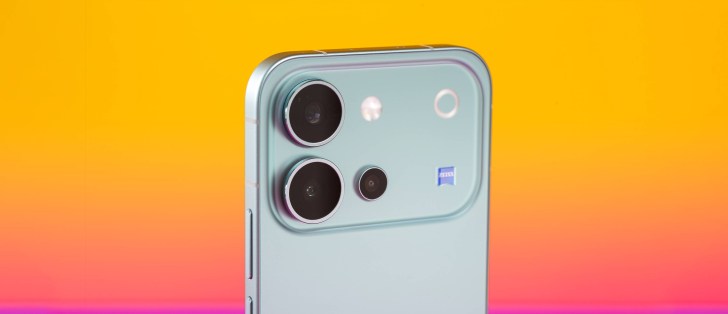
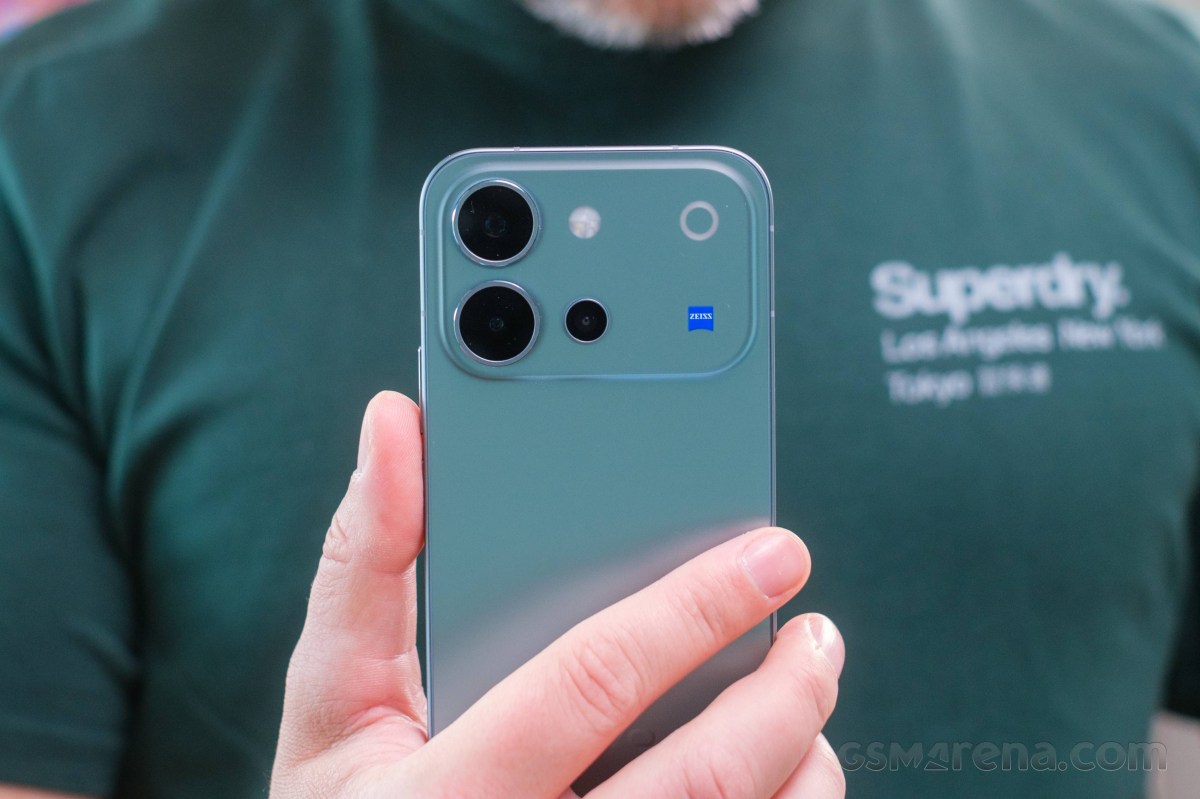
The vivo V80 isn’t exactly affordable, with a launch price of just over €500. It’s an attractive upper-midrange smartphone with a strong emphasis on photography and multimedia, and it delivers on most of those priorities. However, with hardware that’s largely unchanged from previous generations, it has plenty to prove when it comes to value for money.
Naturally, when considering the alternatives available, our first suggestion would be to consider the older V70 or even the V60. Both phones share much of the V80’s hardware, including the chipset and camera setup, with the main differences coming down to design, battery capacity, and a few other refinements. If you can find either predecessor at a meaningful discount, there’s little reason to pay extra for the V80.
The Motorola Edge 70 Pro is priced in the same ballpark, but offers a more powerful chipset and a more versatile camera setup, with a higher-resolution ultrawide camera and telemacro capabilities. It also boasts improved drop resistance, a larger display, and wireless charging. It’s definitely worth putting on your shortlist if it’s available in your region.
Then there’s the Poco X8 Pro Max, which offers flagship-grade performance and class-leading battery life. Its cameras aren’t quite as impressive, though, and it lacks a dedicated telephoto, making it a less appealing choice for photography enthusiasts.
Alternatively, the Galaxy S25 FE is worth considering for its powerful hardware, capable and versatile camera system, and wireless charging support. On the flip side, its battery life is mediocre, wired charging is slower, and its 1080p display is less sharp than the V80’s.

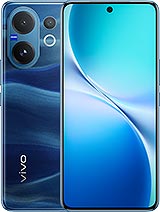

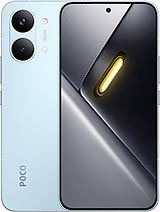
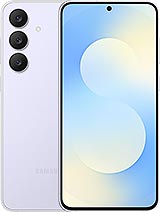
vivo V70 • vivo V60 • Motorola Edge 70 Pro • Xiaomi Poco X8 Pro Max • Samsung Galaxy S25 FE
Our verdict
The vivo V80 is an easily likable smartphone. It combines a stylish and durable design with a bright AMOLED display, long battery life, good speakers, and a versatile camera setup. There’s plenty to appreciate here, even if the hardware is starting to feel overly familiar.
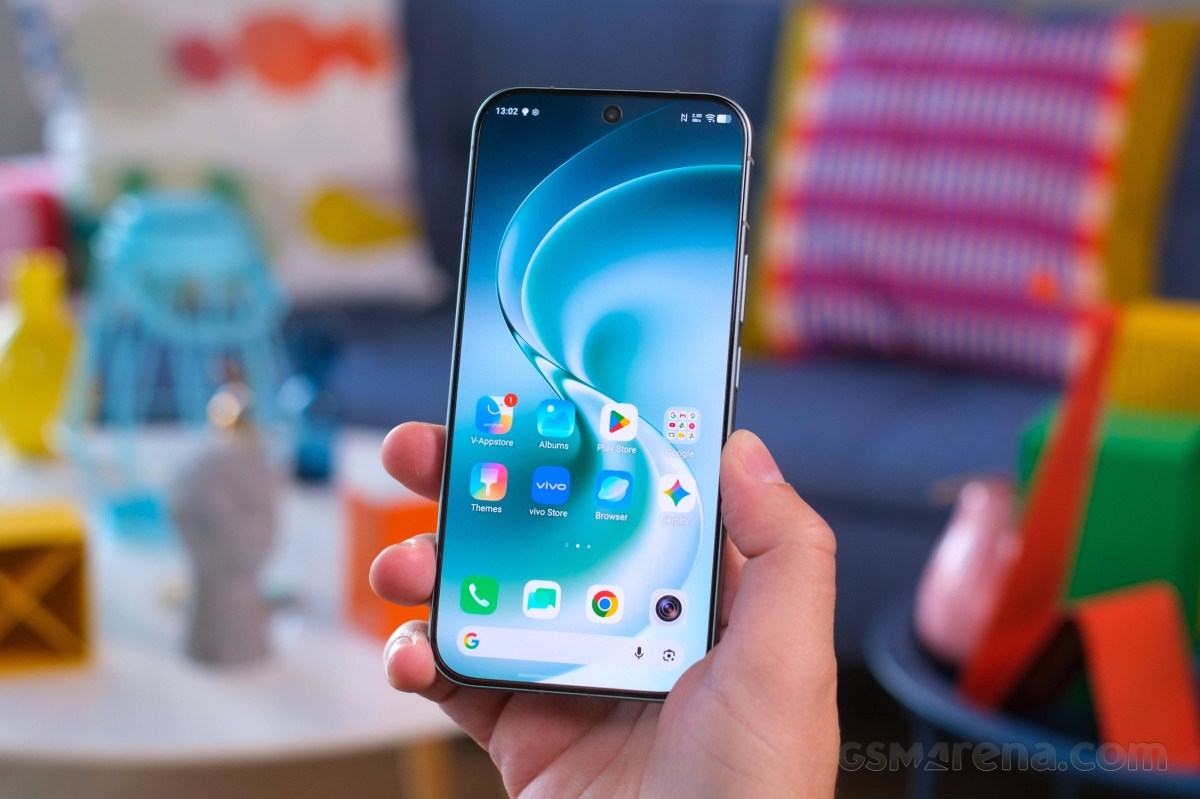
The display is excellent for multimedia, offering high brightness, sharp resolution, and proper HDR support. Battery endurance is another highlight, with the V80 posting impressive results in most of our tests. And despite the larger battery, charging remains reasonably fast, reaching 53% in 30 minutes and taking just under an hour for a full charge.
Photography is arguably where the V80 makes its strongest case. The main camera consistently delivers great photos and videos in both daylight and low light, while the telephoto is another solid performer, apart from its low-light video capabilities. The selfie camera is also among the better ones in the class. The basic 8MP ultrawide is the weak link here, but let’s say vivo has prioritized the cameras that arguably matter more.
OriginOS 7, running on top of Android 17, is another strength, offering extensive customization, capable multitasking, and some surprisingly useful cross-device features.
Unfortunately, the V80 also comes with its fair share of compromises. Its headline 144Hz refresh rate is restricted to just a handful of supported games, making the upgrade over the previous 120Hz panel largely academic.
The Snapdragon 7 Gen 4 is still perfectly adequate for everyday tasks, but seeing it reused for a third consecutive generation is disappointing. That said, the decision is easier to understand this time around, considering the similarly conservative hardware choices we’ve seen from midrange competitors in the second half of 2026. With memory prices rising considerably, we suspect manufacturers are having to make compromises wherever they can.
Ultimately, the vivo V80 is a good all-round smartphone with a particular talent for photography and multimedia. But it’s also a remarkably modest upgrade over its predecessors, and its launch price makes it difficult to recommend without reservations. A discounted V70 or V60 could offer much the same experience for less money, while the V80 itself would become a far more compelling proposition with a price cut.
Pros
Stylish design, IP68/IP69-rated.
Bright, sharp AMOLED with HDR10+.
Very good battery life, reasonably fast charging.
Feature-rich OriginOS 7.
Great main camera, solid telephoto, nice selfies.
Good stereo speakers, IR blaster, ultrasonic fingerprint reader.
Cons
Unchanged chipset for a third generation, average performance for the price.
144Hz refresh rate available in just a few games.
Basic ultrawide camera.