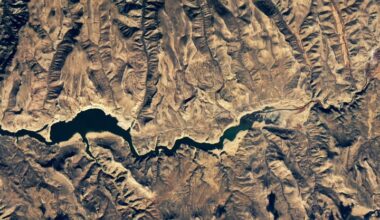
SSpace Read More Examining Algal Blooms in Blue MesaJuly 6, 2026 The summers of 2021 and 2022 were tough seasons for Colorado’s Blue Mesa Reservoir. A severe drought gripped…
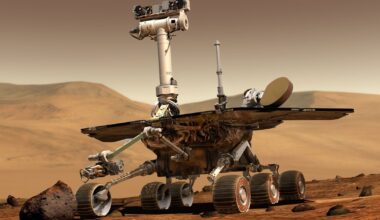
SScience Read More In 1971, the Soviet probe Mars 3 became the first spacecraft to land softly on Mars. It survived the descent, began transmitting from the surface, and then went permanently silent after just 14.5 seconds — a failure that has never been fully explained.July 6, 2026 On 2 December 1971, the Soviet Mars 3 lander did something no spacecraft had ever done. It descended…
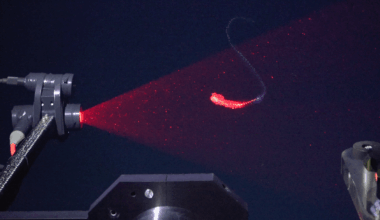
EEnvironment Read More 31 alien-like marine species discovered off the coast of BrazilJuly 6, 2026 Get the Popular Science daily newsletter💡 Breakthroughs, discoveries, and DIY tips sent six days a week. By signing…
SSpace Read More See The Milky Way At Its Best As Planets Glow: The Night Sky This WeekJuly 6, 2026 Topline With the bright glare of the full Strawberry Moon now fading into the early morning hours, this…
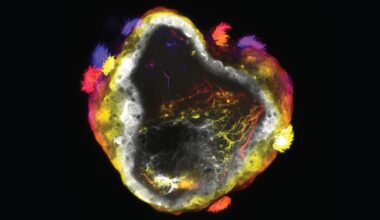
SScience Read More Scientists build living ‘neurobots’ that grow their own neural networksJuly 6, 2026 The notion of “adapt or die” is an underlying principle of Darwinian evolution theory. This adaptation, known as…
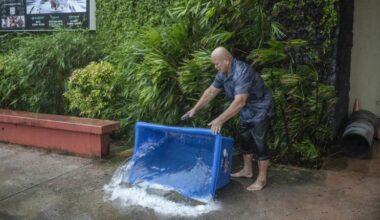
EEnvironment Read More Super Typhoon Bavi smacks into US Pacific island territories home to key military basesJuly 6, 2026 One of the strongest super typhoons on the planet this year was striking the US Pacific Islands on…
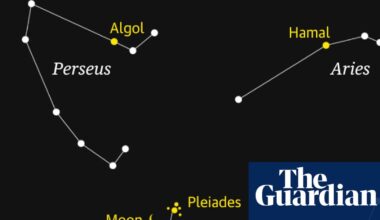
SSpace Read More Starwatch: Waning crescent moon pairs up with the Seven Sisters | SpaceJuly 6, 2026 In the early hours of 11 July, the waning crescent moon will be gliding past the beautiful Pleiades…
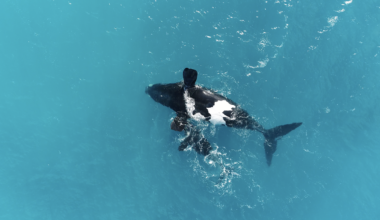
WWildlife Read More Upside-down whales aren’t sick or hurt – they’re just restingJuly 6, 2026 If you stand on one of Australia’s southern shorelines at this time of the year, you might be…
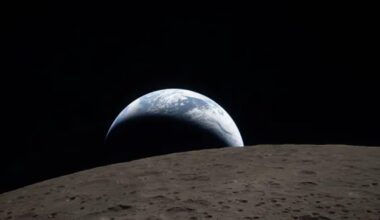
SScience Read More NASA wants to light the first fire on the moon. Here’s whyJuly 6, 2026 article Images from Artemis II mission. (NASA Johnson National Space Center / FOX Weather) NASA is preparing to…
SScience Read More On the journey to the Moon, dark-adapted Apollo crews averaged one unexplained flash of light every 2.9 minutes — roughly 20 per hour — from something that had no business existing behind closed eyesJuly 6, 2026 On the outbound leg of Apollo 11 in July 1969, Buzz Aldrin closed his eyes in the darkened…
SSpace Read More US in renewed Moon race with China, timeline now measured in months: NASA chiefJuly 6, 2026 Home » International » US in renewed Moon race with China, timeline now measured in months: NASA chief…
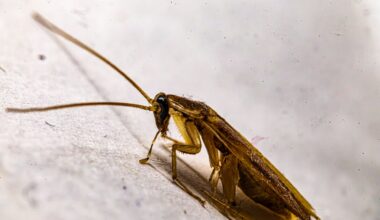
SScience Read More A cockroach can survive for about a week without its head, dying eventually of thirst rather than injury, because its open circulatory system and body-wide breathing let it function long after decapitation would kill a mammalJuly 6, 2026 Entomologists who have spent careers studying the American cockroach Periplaneta americana will tell you the same thing: cut…