
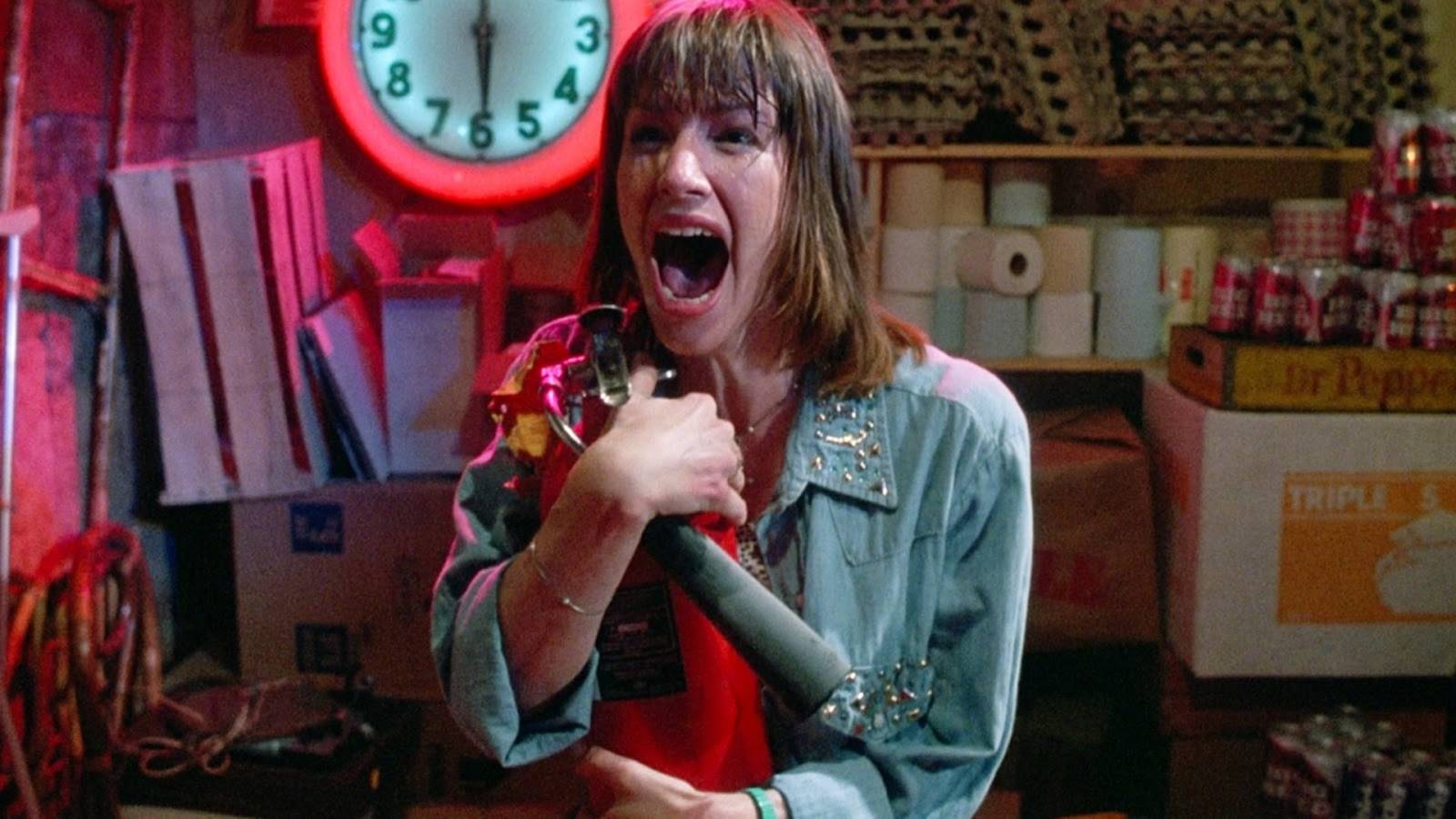
Horror movies have always had a bad reputation with critics, and there are plenty of so-called “rotten” movies that are absolutely worth watching. Since cinema began, horror has been a platform for filmmakers to tell hair-raising stories that pack movie houses with fans ready to be scared. Also, the genre has allowed for plenty of social critique along the way.
However, critics haven’t always been onboard with horror, and the genre has generally been pooh-poohed by the establishment. While some critiques are fair, others seem to dismiss horror simply because it’s a subversive genre that uses terror to get its point across. As such, history is littered with many excellent films that earned derision from critics.
Rotten Tomatoes has grown to become the premiere name in popular film criticism, and its percentage rating system is the new standard by which movies are judged. Unfortunately, the system is quite flawed, and doesn’t always fairly represent the quality of a movie. A “rotten” score is anything below 60%, but the numbers don’t always add up in horror.
The Night Flier (1997)
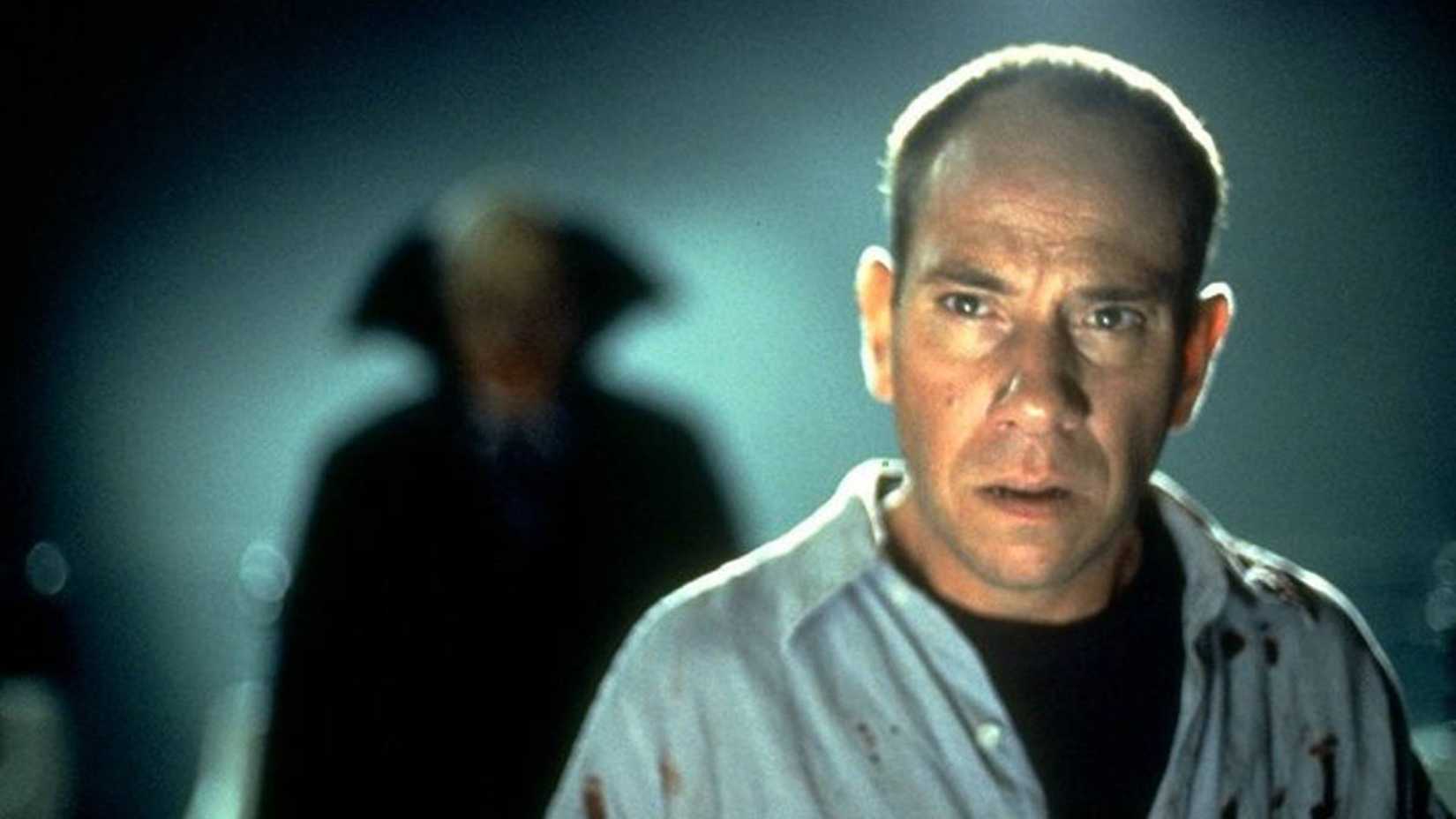
Dees looks scared while the vampire looms over his shoulder in The Night Flier
Stephen King’s movies might always be popular, but the horror author has seen his fair share of poorly-reviewed outings. The Night Flier is one of King’s lesser-known adaptations, telling the story of a reporter on the trail of a vampire. Despite its odd premise, the story is cynical and atmospheric, and has a genuinely harrowing ending.
The movie scored a rotten 33% score, but with six professional reviews, the jury is still out on The Night Flier. The film is anchored by a stellar performance from Miguel Ferrer, and the additions to the vampire mythos make for a nice twist. The Night Flier isn’t the greatest King adaptation ever, but it’s an underrated gem worth watching.
Bride Of Chucky (1998)
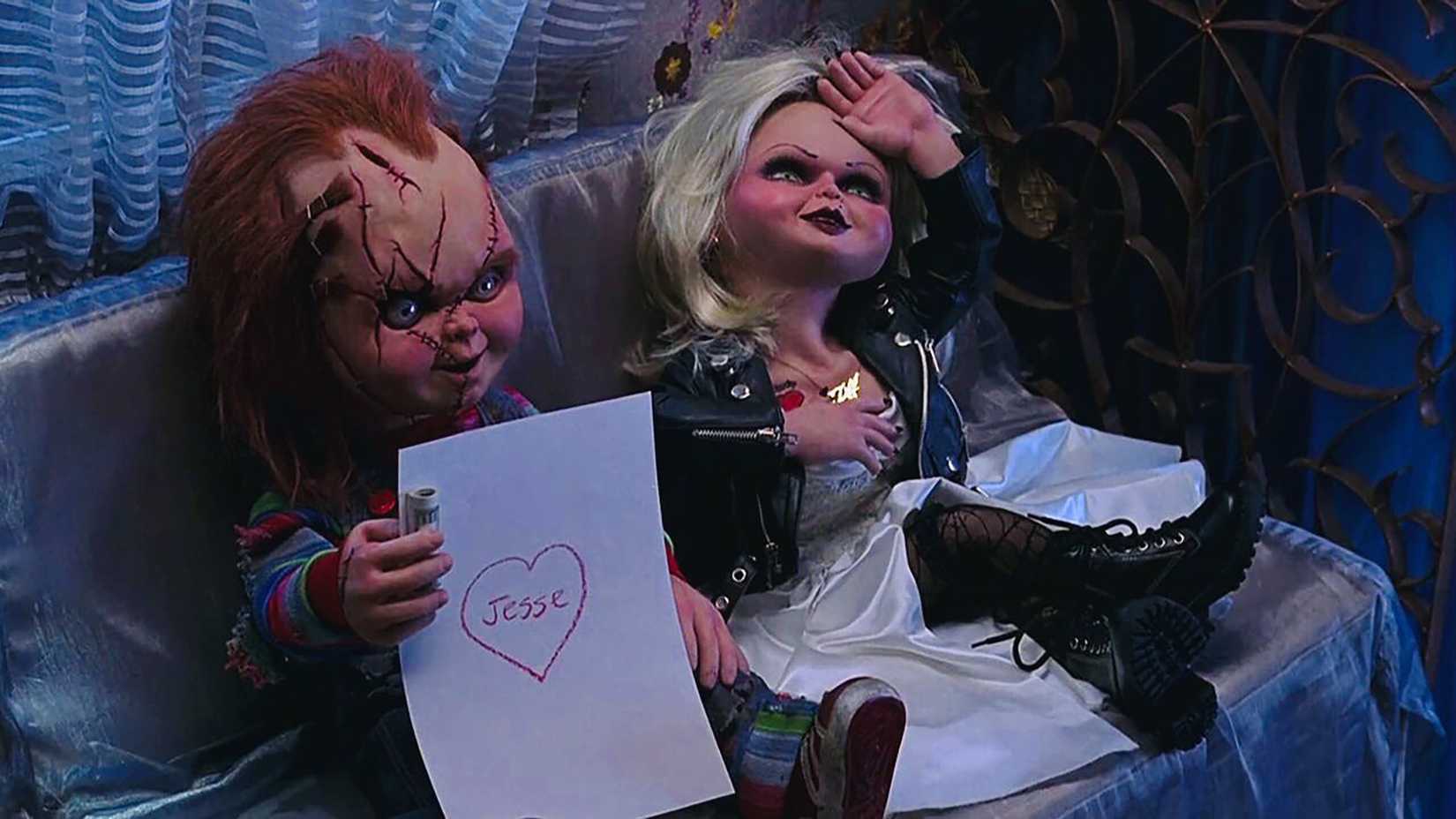
Chucky and Tiffany sit together on a couch in Bride of Chucky
More than 25 years after its release, it’s safe to say that critics just didn’t understand what Bride of Chucky was going for. After a trio of straight-up slasher flicks starring Chucky, the 1998 horror comedy completely recontextualized the franchise. Chucky and his bride suddenly became the heroes, and Child’s Play entered a new phase.
Though some of the humor misses, Bride of Chucky is much better than its 47% score. Horror comedies are typically divisive, but the film has the added challenge of injecting humor into what was previously a conventional horror franchise. Considering it influenced the rest of the series, Bride of Chucky is required viewing for any horror fan.
Wishmaster (1997)
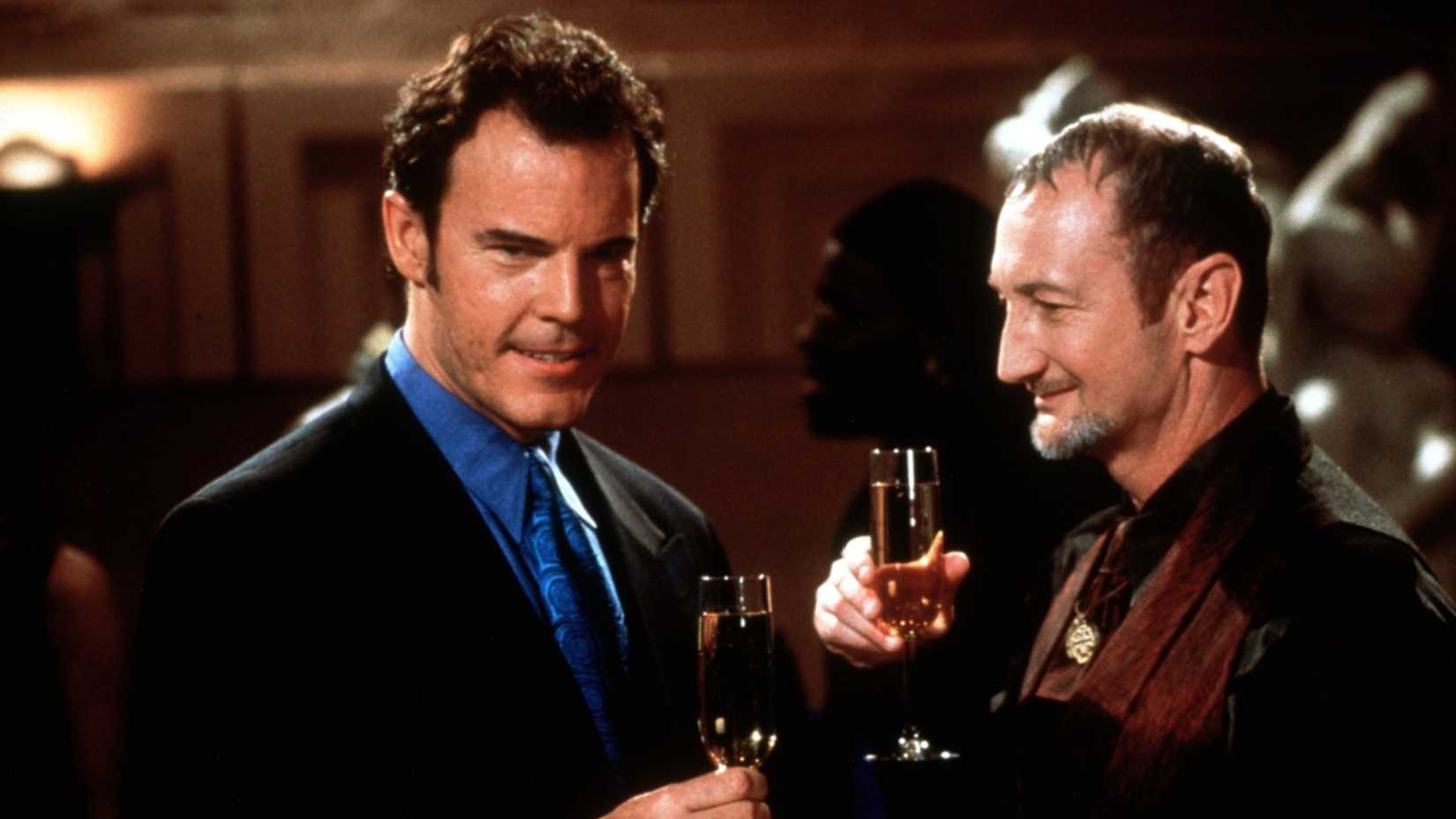
Andrew Divoff and Robert Englund toast champagne in Wishmaster
Scoring a paltry 26% on Rotten Tomatoes, it was clear what critics thought of Wishmaster. The low-budget horror film follows a djinn that is accidentally freed, thus unleashing his evil wish-granting powers. Robert Kirkman’s sleeper hit was a fun diversion from the self-aware horror that dominated the late 1990s, and soon became a franchise.
Wishmaster is not a great movie by any stretch of the imagination, but the creative kills and exaggerated effects are charming and quaint. With cameos from horror legends like Robert Englund, Tony Todd and Kane Hodder, Wishmaster is a tribute to the genre’s recent past. The movie’s critical score was far too harsh, and they didn’t appreciate its goofy simplicity.
Maniac (1980)
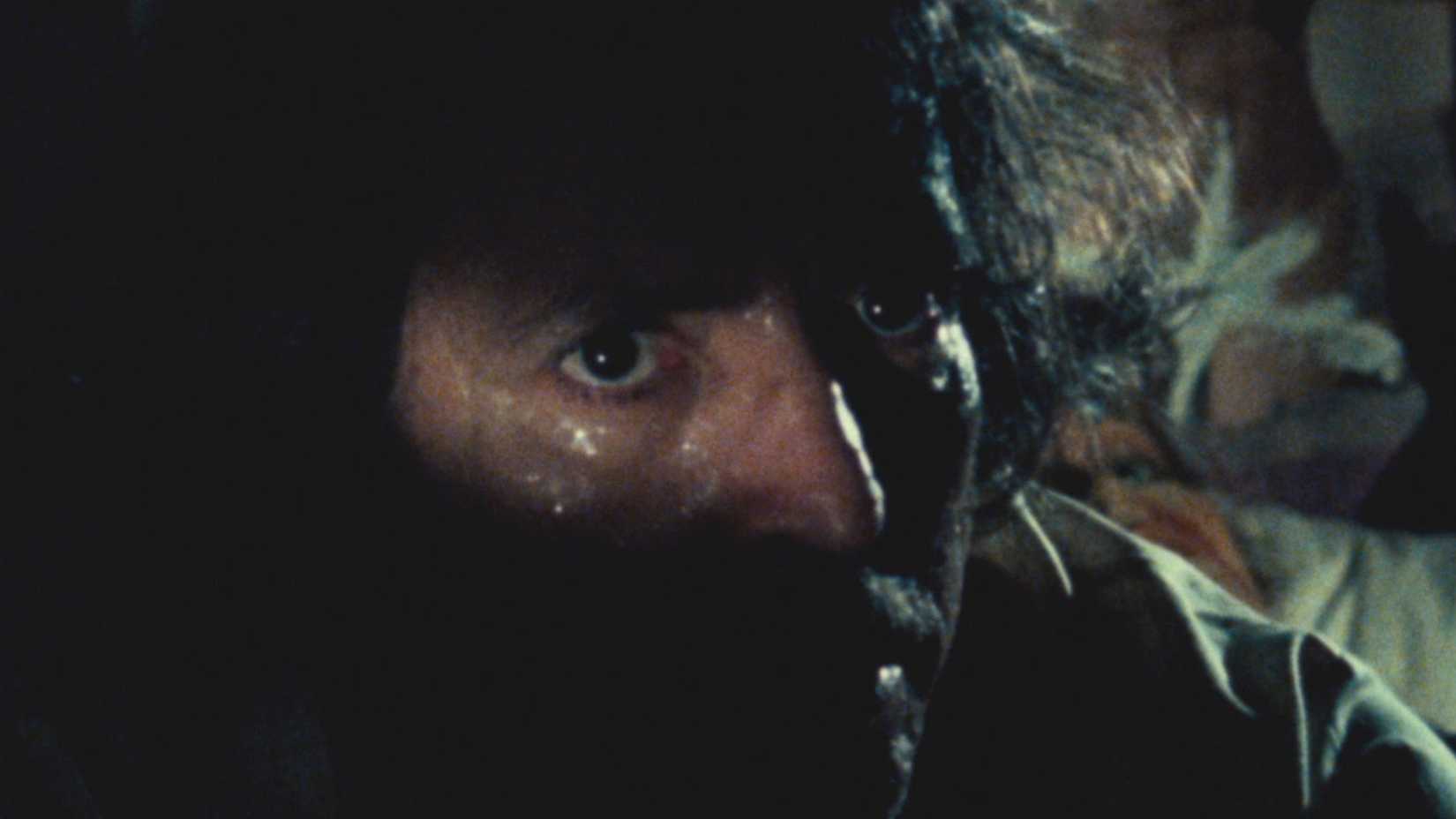
A closeup of a man’s eyes in the dark in Maniac
William Lustig’s Maniac was never going to be popular with critics, and the psychological slasher flick pushed the boundaries of good taste in the early ’80s. Reflecting real-life fears of urban crime, the main character is a strange loner who goes on a killing spree. Maniac intentionally keeps the audience off balance, and it’s a dour cinematic experience.
Critics were torn on the film, and some appreciated the surrealism while others were thoroughly turned off by the weirdo gore. However, a 45% score doesn’t do the movie justice, especially when compared to retrospective reviews. Extreme horror movies don’t always put in so much effort as Maniac, and it’s a legitimately strong film underneath all the blood and guts.
Halloween III: Season Of The Witch (1982)
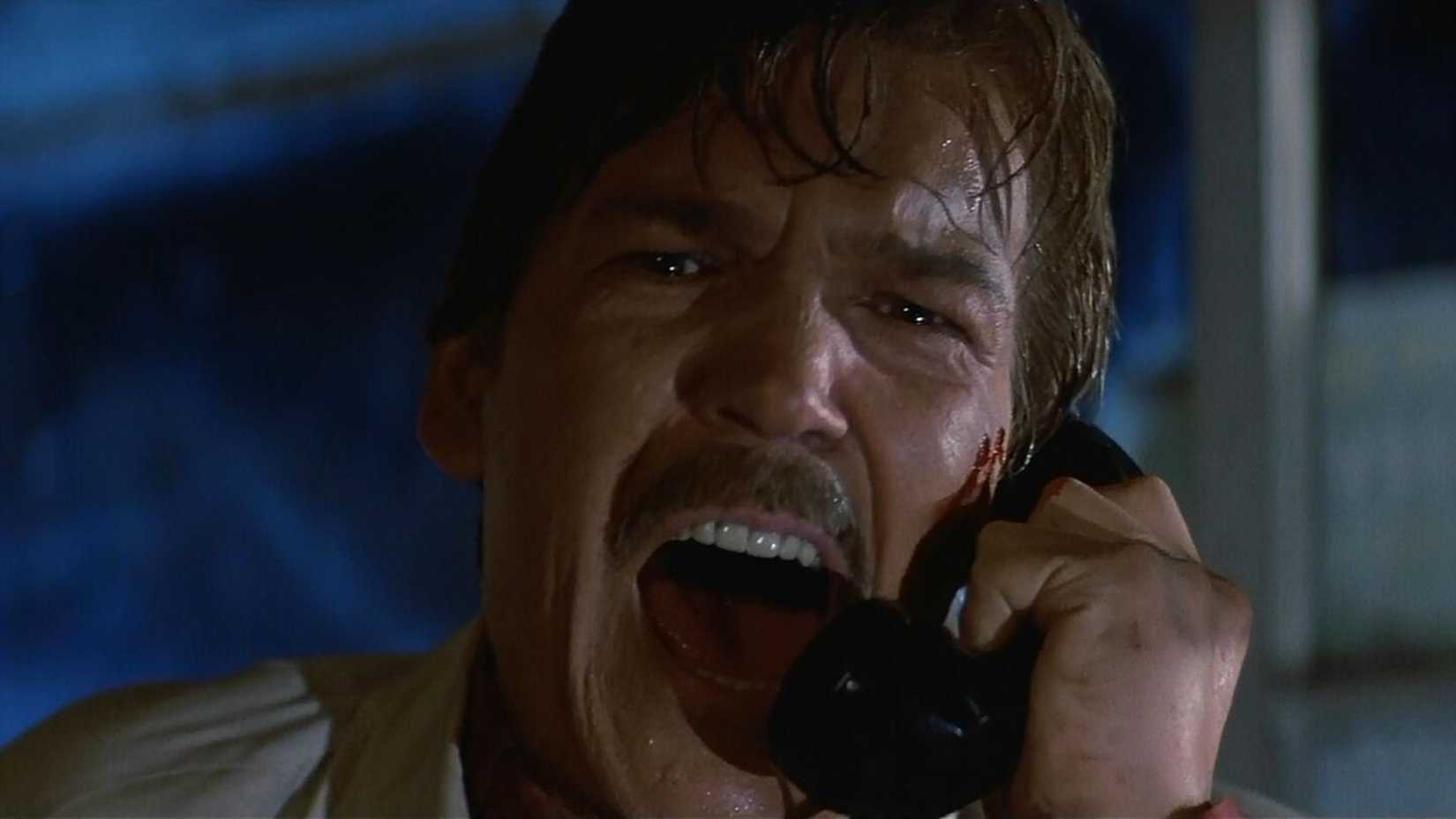
Tom Atkins screams into the telephone in the ending of Halloween III: Season of the Witch
The third film in the Halloween franchise, Season of the Witch remains the most controversial addition to the beloved horror series. After two movies with the masked killer Michael Myers, Halloween III made the bold decision to become an anthology series. Reaction was understandably mixed, but it has since become a cult classic.
Fans initially revolted due to a lack of Michael Myers, but critics were also somewhat harsh on the intriguing standalone horror story. Though imperfect, it’s certainly better than a 48% score, and is arguably the best sequel in the franchise. It isn’t a slasher film, but is actually a nightmarish fantasy horror story with a great soundtrack and strong performances.
Nightbreed (1990)
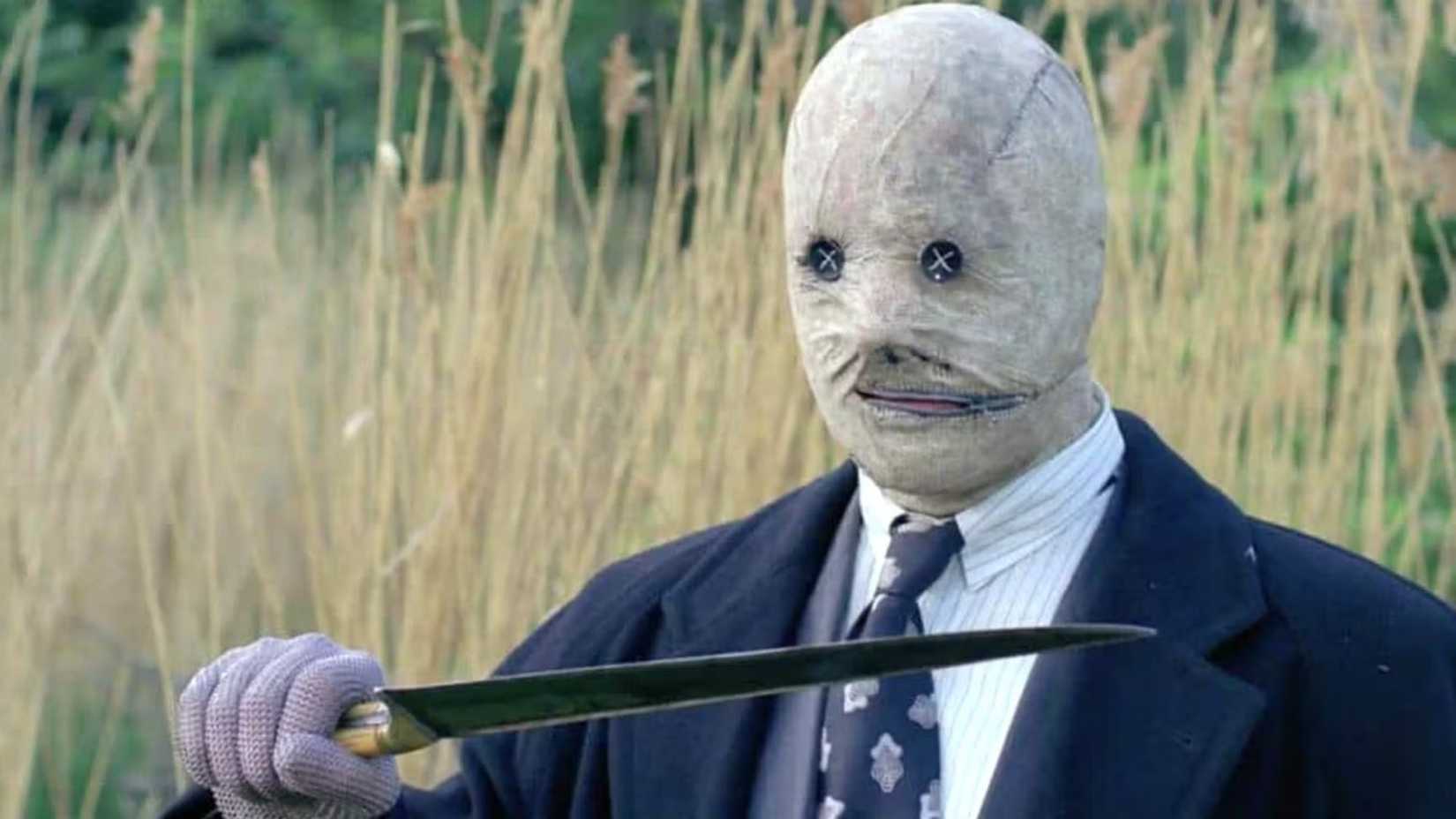
A man in a sewn mask holds up a knife in Nightbreed
Clive Barker became one of the new faces of horror in the late 1980s, and in many ways, Nightbreed was his magnum opus. Complete with the author/filmmaker’s signature body horror touches, the story is a dark fantasy thrill-ride with a lot of complex lore. It bombed because the studio had no idea how to properly market such a weird movie.
It nearly earned a fresh score, but 56% fell just short of the 60% threshold. Critics didn’t out-and-out hate the film, but were mostly perplexed by its complexities and butchered theatrical release. The director’s cut of Nightbreed is far superior, and eliminates most of the confusion from the narrative. It’s still being discovered as a worthy cult classic.
The Texas Chainsaw Massacre Part 2 (1986)
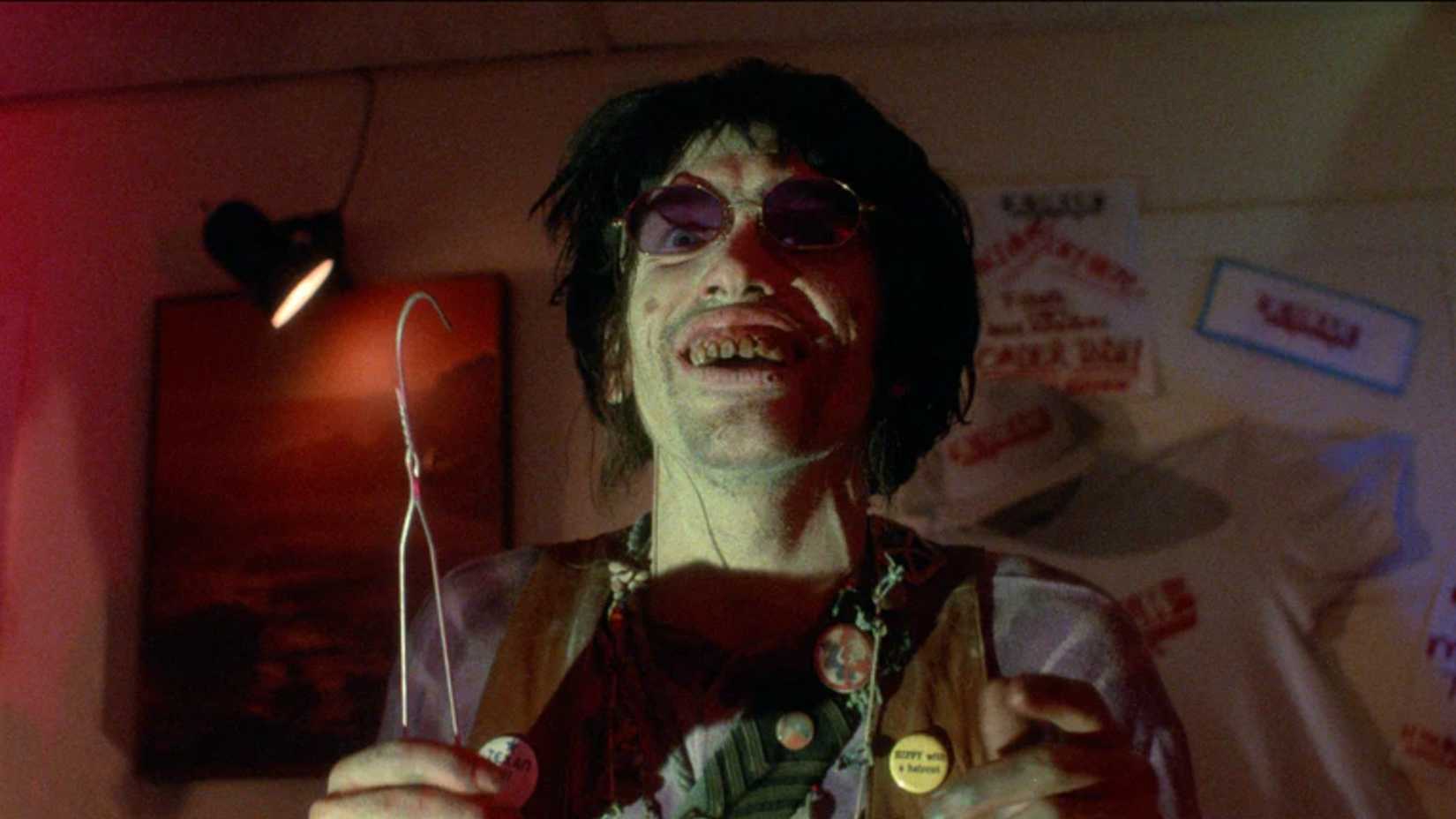
Chop top smiles while holding up his coat hanger in The Texas Chainsaw Massacre Part 2
What happens when a filmmaker returns to make a sequel a decade after the original? The result is an odd-ball experiment like The Texas Chainsaw Massacre Part 2. Tobe Hooper brought the saw out of retirement to capitalize on the slasher trend, and delivered an absurdist film that’s almost parody. It doesn’t take itself seriously, which is good and bad.
Critics bestowed a surprising score of 52%, but the film was never going to get good reviews. The sequel is a diamond in the rough, and it’s clear that the existing edit of the film is an absolute hatchet job. Nevertheless, The Texas Chainsaw Massacre Part 2 is worth watching because there are no films like it out there.
Pandorum (2009)
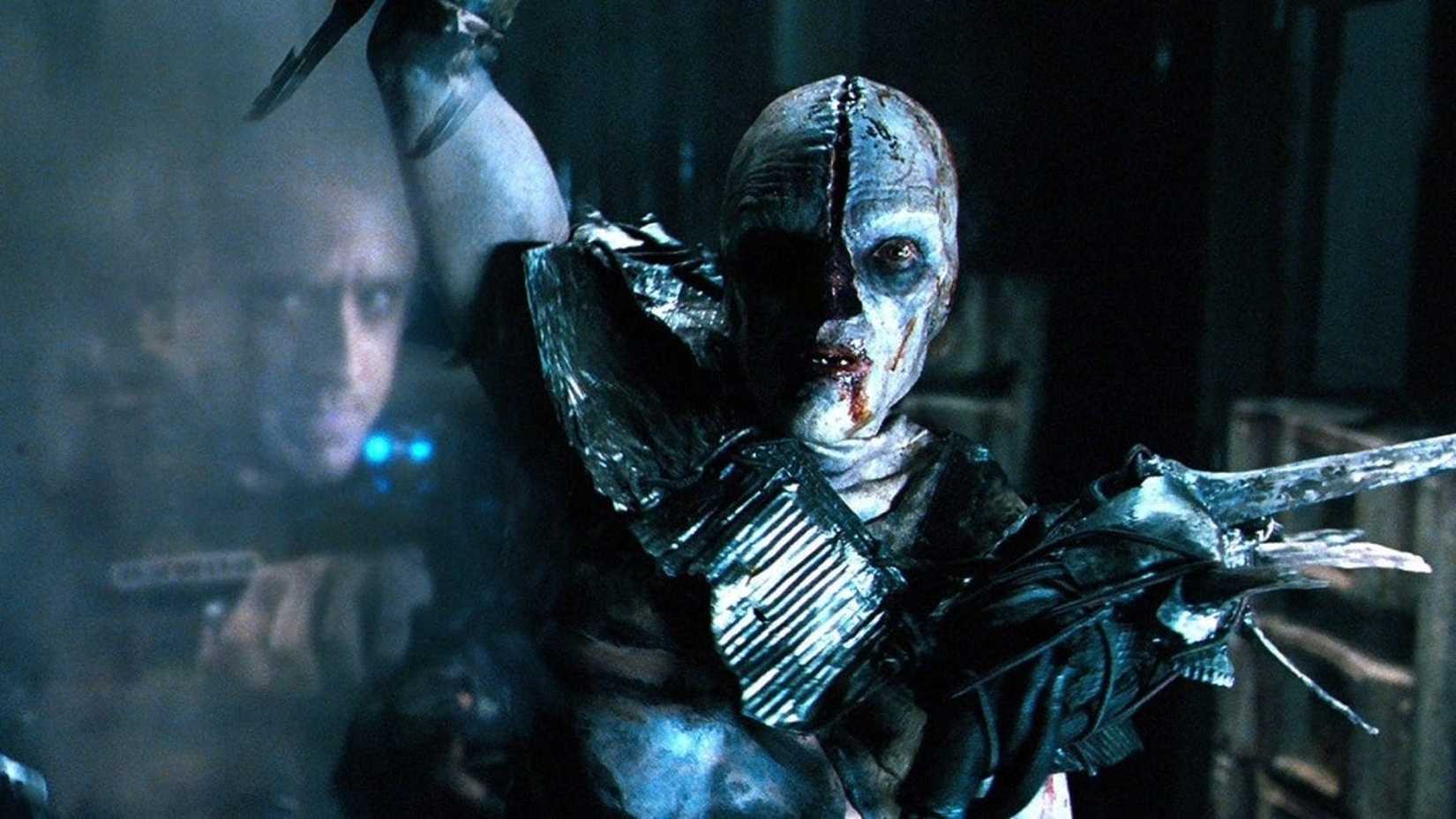
A cannibal monster lunges in Pandorum
There have been some excellent sci-fi horror movies, and 2009’s Pandorum can make a case for being included. The mind-bending box office flop stood out from the rest of the sci-fi films being released around that time, thanks in large part to its bleak plot and imaginative production design. It came and went with little fanfare, which is a shame.
Abysmal reviews didn’t help things, and Pandorum was bestowed a 26% score. Though it’s certainly guilty of devolving into a silly monster movie at times, it’s an effective chiller with some fun ideas underneath the surface. The bad reviews shouldn’t be a deterrent, and the Dennis Quaid horror vehicle is actually a worthy watch.
Ghost Story (1981)
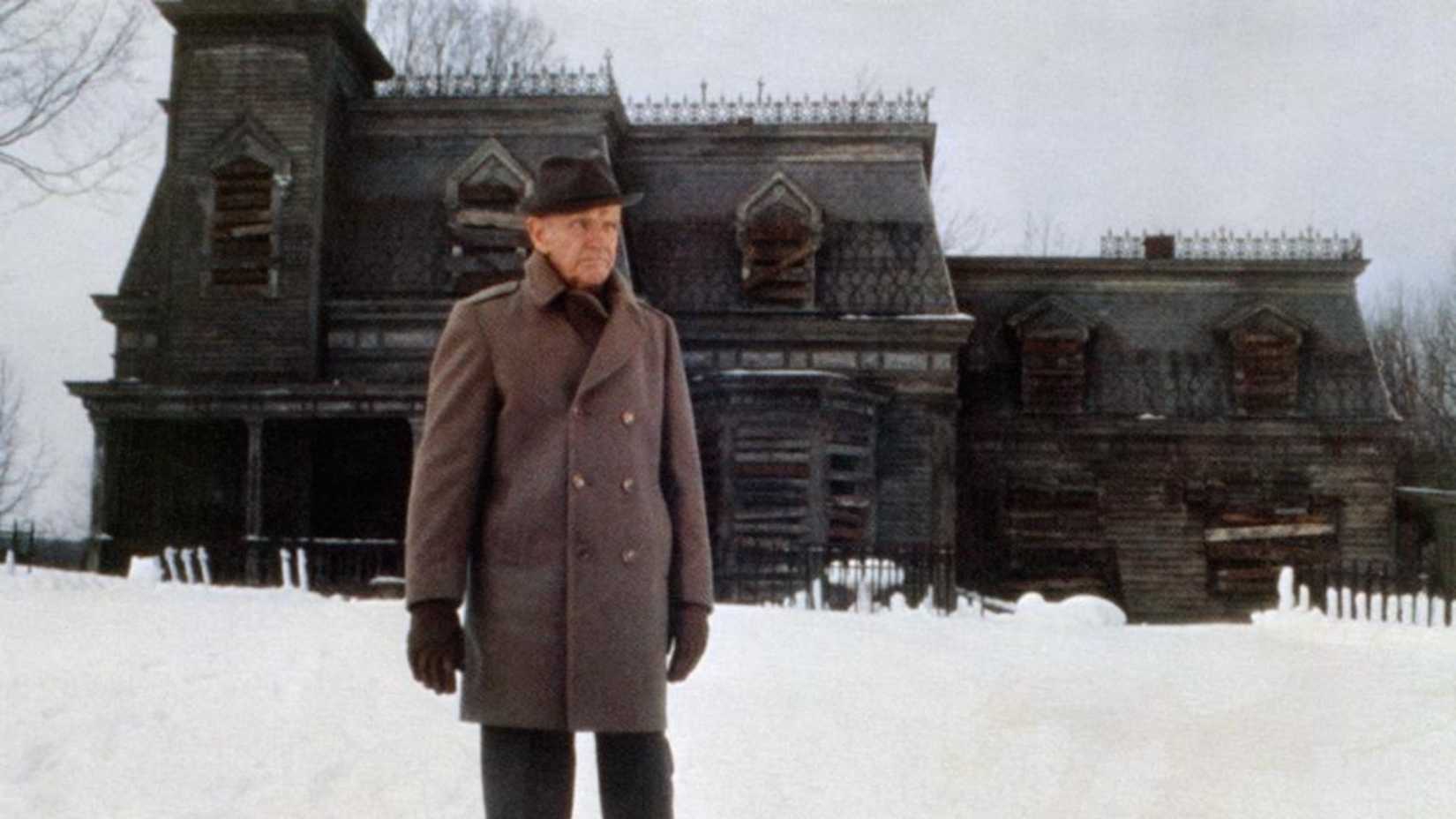
Fred Astaire looks grumpy while standing in the snow in front of an abandoned house in Ghost Story
Author Peter Straub is sometimes lost in the shuffle of Stephen King contemporaries, but the 1981 adaptation of his novel, Ghost Story, shouldn’t be forgotten. Living up to its title perfectly, the supernatural horror film embraces the oral tradition of ghost tales, and has some truly spooky moments. It was a modest box office success, but faded quickly.
It earned 28% on Rotten Tomatoes, and critics took umbrage with the changes from the novel. However, as a standalone horror film, it’s one of the best ghost movies of the 1980s. The slow-burning terror is accentuated by terrific effects and a cast of literal Hollywood legends like Fred Astaire. Rarely has a critical score been so off the mark.
Thirteen Ghosts (2001)
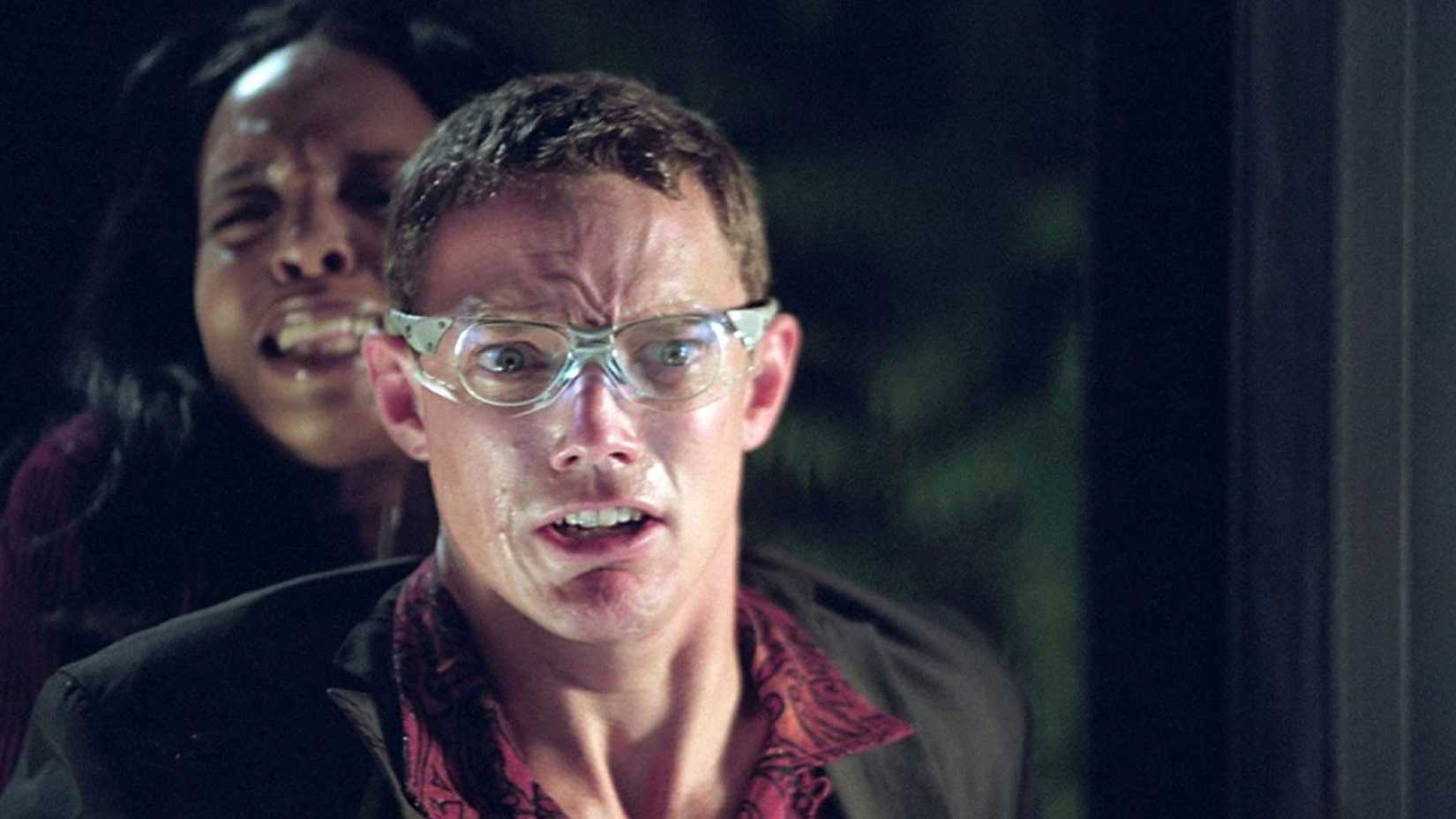
Matthew Lillard looks scared in Thirteen Ghosts
Bursting with early 2000s cheesiness, Thirteen Ghosts gleefully embraces its own silly premise. The remake of the William Castle classic ups the ante with horrifying ghosts and plenty of blood and guts. Another thing the movie openly embraces is its simplicity, and the characters and situations are all intentionally pedestrian in the best way possible.
This allowed for the movie’s effects and chills to really shine through, though that didn’t earn it high marks from critics. Rotten Tomatoes lists the movie at 19%, which is a pretty fair assessment based on their limited system. However, Thirteen Ghosts has strengths that don’t come through in reviews, and is an unabashedly fun horror movie.