
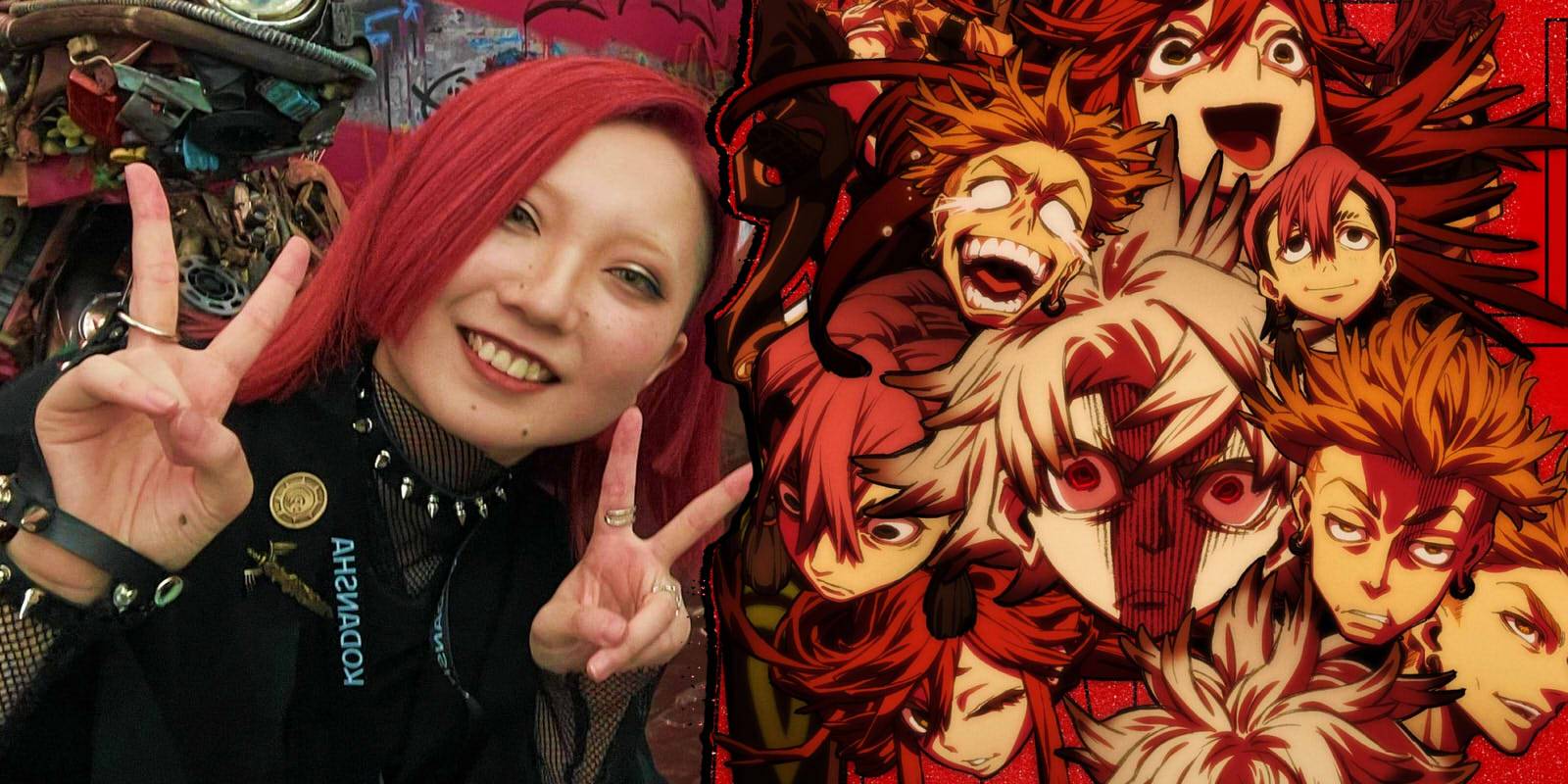
Kei Urana, also known by the handle “Kanaru,” is a fairly new manga artist and writer who is responsible for the hottest Crunchyroll anime of Summer 2025, Gachiakuta. Gachiakuta is an action-packed battle shonen series that gives a whole new meaning to the phrase “one man’s trash is another man’s treasure” and grants power to sentimentality.
With such a captivating story filled with immersive lore and aesthetically pleasing visuals, it’s a wonder what Urana has been doing up until now. As it turns out, Urana has her origins rooted in the same garden as another well-known manga creator with his own hit shonen series, the anime of which is still currently ongoing. Before the Gachiakuta manga’s official launch, Kei Urana worked under Atsushi Ohkubo, the writer and artist behind Fire Force and Soul Eater, as an assistant.
Gachiakuta is an Instant Hit Among Anime & Manga Fans
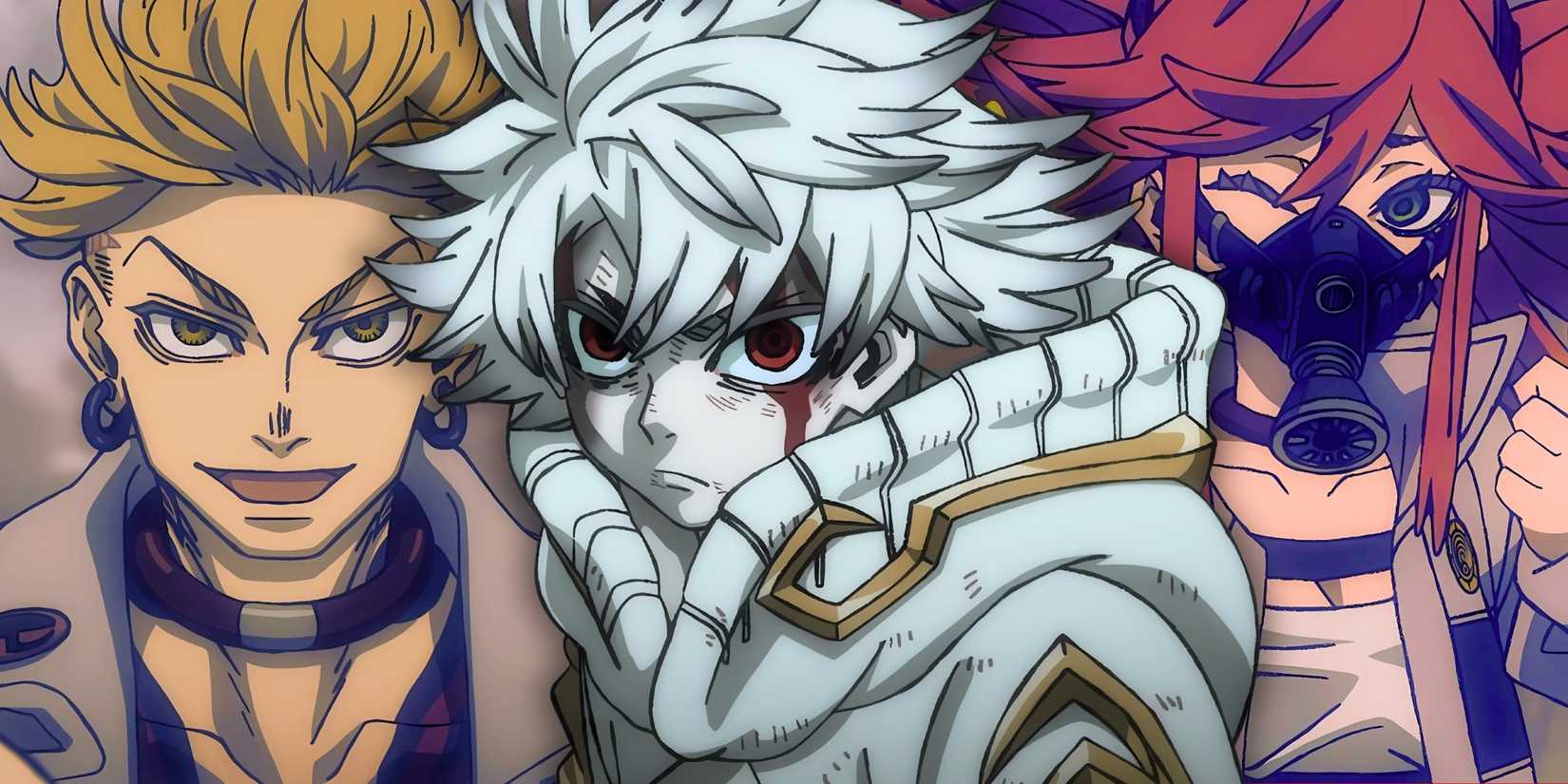
A collage featuring the main characters of GachiakutaImage by Yéred García
The Gachiakuta manga was first released in Japan in February 2022 before becoming officially translated into English in January 2024. The series quickly amassed a loyal readership that couldn’t have been any more excited when an anime adaptation by Bones Film (the very studio currently producing the final season of My Hero Academia) was announced later that same year. The trailers featured splendid animation, bringing Kei Urana’s highly stylized art and character designs to life. When the anime’s premiere finally released in July this year, not a single fan was disappointed.
The quality of the Gachiakuta anime adaptation’s first season is top-tier, breathing motion and color into the gritty and dark post-apocalyptic fantasy of Urana’s mind, as well as the exceptionally written characters who fill it. The soundtrack and sound design enrich the experience of every battle, punctuating every move and emotion with an intensity that couldn’t be replicated in black and white ink. Not to mention, the English dub’s voice acting cast has done a stellar job in making the anime watchable for a broader audience. There is no question why Gachiakuta is Crunchyroll’s flagship of Summer 2025, being the platform’s most viewed anime of the season.
Kei Urana’s Career Has Been a Short but Strong Path
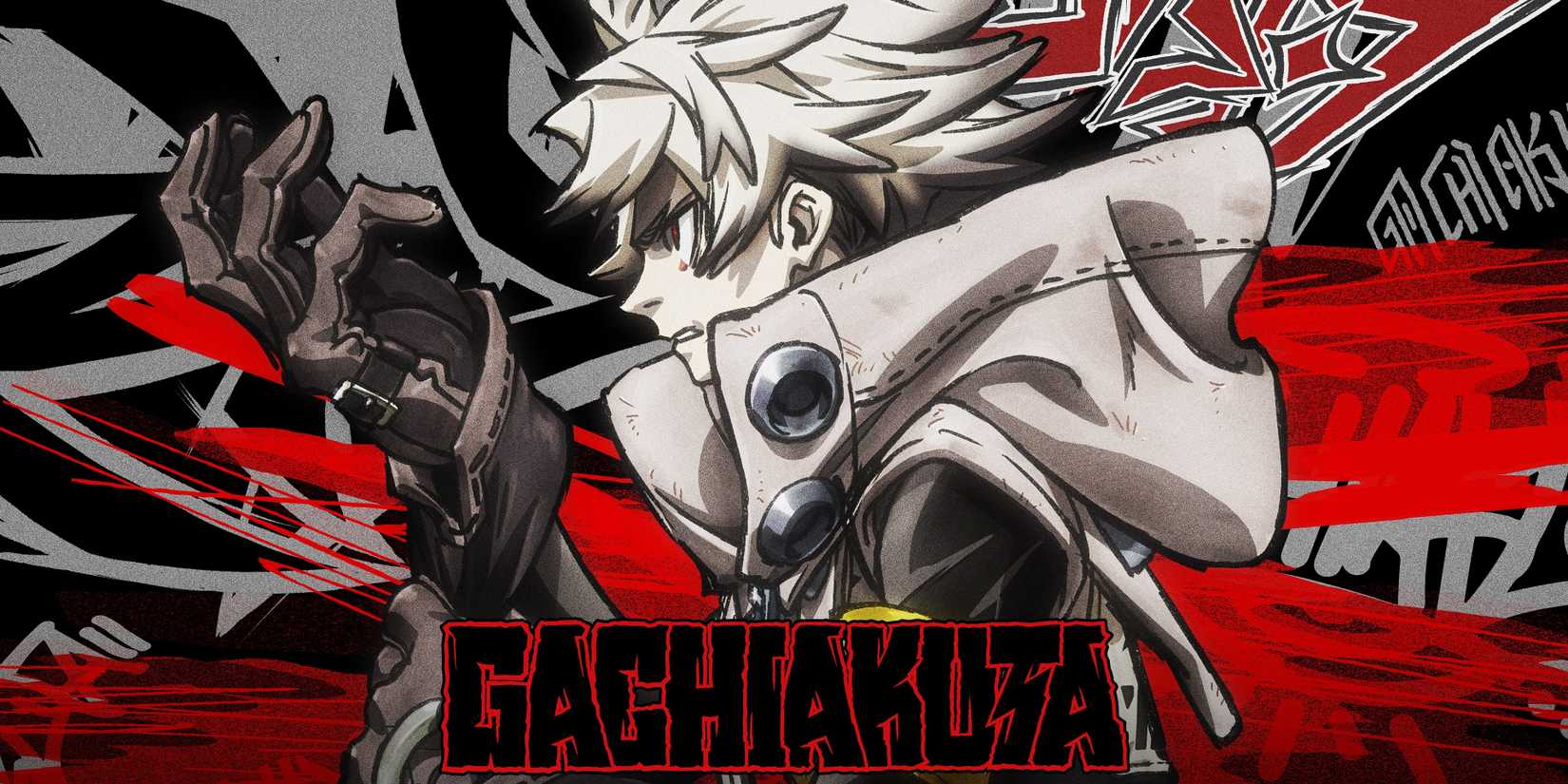
©Kei Urana, Hideyoshi Andou and KODANSHA/ “GACHIAKUTA” Production Committee
Surprisingly, Kei Urana’s career as a mangaka hardly spanned a decade before Gachiakuta began its serialization in Shonen Magazine Weekly. In 2018, she created Nokase, a one-shot series in which a young man tries to act against the tyrannical deity that reigns over his world. A year later, she released Shikido, another short manga where numerous young swordsmasters compete with each other for the coveted title of “Shikijin.”
Shikido actually won Urana first place in Shonen Magazine’s 103rd Newcomer Manga Awards. However, the most notable part of her career prior to Gachiakuta is her time under the wing of Fire Force creator Atsushi Ohkubo. Before a mangaka comes to make a name for themselves with their own series, they’re lovers of pre-existing work. In her early days of stepping into the world of anime and manga, Urana was a huge fan of Ohkubo’s 2004 series, Soul Eater, which also earned its own anime adaptation in 2008.
That love and her passion for the industry eventually led Urana to become Ohkubo’s assistant as he worked on Fire Force, which was eventually picked up by studio David Production and became one of the most popular shonen series of the 2010s. Urana and Ohkubo worked closely together for years, right until the Fire Force manga’s end. The pair built a bond as creators; in fact, Urana made such an impression on Ohkubo that he’s publicly named her his “successor” and has personally brought attention to her work, urging his own fans to support her when Gachiakuta made its debut.
Ohkubo Has Passed the Baton to Urana to Continue a Creative Legacy
Fire Force is a shonen series with a unique power system built around pyrokinesis, which grows wildly complex to the point of absurdity as the series progresses. Rather than being a force that only burns and destroys, fire becomes something akin to the source of life itself. The story then goes on to unveil another power system based on divine authority and then another centered around the character of Arthur Boyle and his godlike ability to will almost anything in his mind into fruition.
The similarities between Urana and Ohkubo’s work have not gone unnoticed by fans. For example, with Arthur, Fire Force introduces the idea that strong emotions can give power and life to weapons, which is exactly Gachiakuta’s whole spiel. In Gachiakuta, a force called “Anima” is created by thoughts and emotions. Anima is what gives objects a new life—any item of any shape and size can become a magical weapon with the love and care that a person gives it.
Gachiakuta and Fire Force may have different vibes and stories, but it is obvious that Kei Urana’s time working under Atsushi Ohkubo greatly inspired her. The art styles almost resemble one another, although Urana does accentuate her linework with a bit more gritty finesse that gives the Gachiakuta that heavy and dark dystopian atmosphere. And the character designs of each character are as aesthetic, distinct, and memorable as those in Soul Eater.
Urana’s ties to Ohkubo have definitely helped in launching her career and series into success, but regardless of how much her mentor has ushered her forward or how much inspiration Urana takes from him, she’s extremely gifted as an artist and storyteller. Urana has more than earned the right to carry Ohkubo’s legacy as a creator, and Gachiakuta has everything it takes to grow into a shonen classic as beloved and popular as Masashi Kishimoto’s Naruto or Eiichiro Oda’s One Piece.