
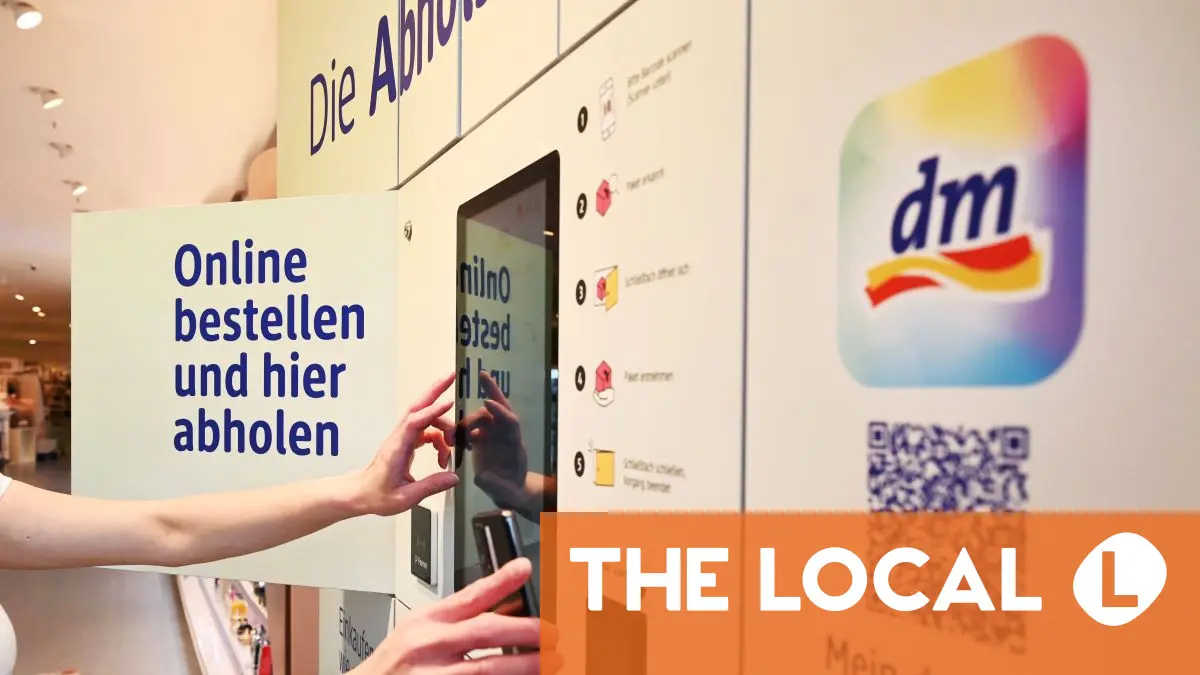
Leading drugstore chains have announced plans to enter the online pharmacy market, offering non-prescription medicines via their websites. While the move promises more choice and convenience for consumers, it also brings challenges.
The way medicines can be purchased in Germany is set to change rapidly. High street drugstore chain DM expects to launch an online pharmacy “in the coming weeks,” according to a report by business publication Handelsblatt.
Rossmann and supermarket giant Lidl are reportedly preparing to follow suit, with plans to offer non-prescription (over-the-counter, OTC) medicines via their websites.
To comply with German law, which restricts pharmacy operations to licensed pharmacists, the companies plan to ship medicines from neighbouring countries – DM from the Czech Republic and Rossmann from the Netherlands.
What will this mean for consumers?
Many foreign residents in Germany, used to picking up painkillers or cold remedies at supermarkets or drugstores in their home countries, will welcome the change.
Until now, German law has meant that even basic medicines like paracetamol or ibuprofen could only be bought at pharmacies (Apotheken), although certain low-risk remedies such as vitamin supplements or herbal teas can already be found in drugstores or supermarkets.
READ ALSO: German word of the day – Erkältungstee
The planned move by DM and others will allow consumers to order many OTC medicines online, potentially at lower prices and with greater convenience.
A survey by Sempora Consulting found that around two-thirds of respondents could imagine buying OTC medicines from trusted brands like DM and Rossmann.
The chains still won’t be able to offer common OTC medicines in physical shops in Germany, but customers will presumably be able to pick up OTC medicines ordered from DM at their in-store collection points.
The company has invested in 1,847 collection points at branches across the country, and recently started testing the use of 24/7 pick-up stations at six locations.
Prescription-only medicines will continue to be dispensed exclusively by licenced pharmacies and require a doctor’s prescription.
Advertisement
What else do people need to know?
Buying medicines online carries risks. The European Medicines Agency warns that unregistered websites may sell falsified or substandard medicines, which can be ineffective or even harmful.
Always check for the EU safety logo and verify the retailer in the national register before purchasing.
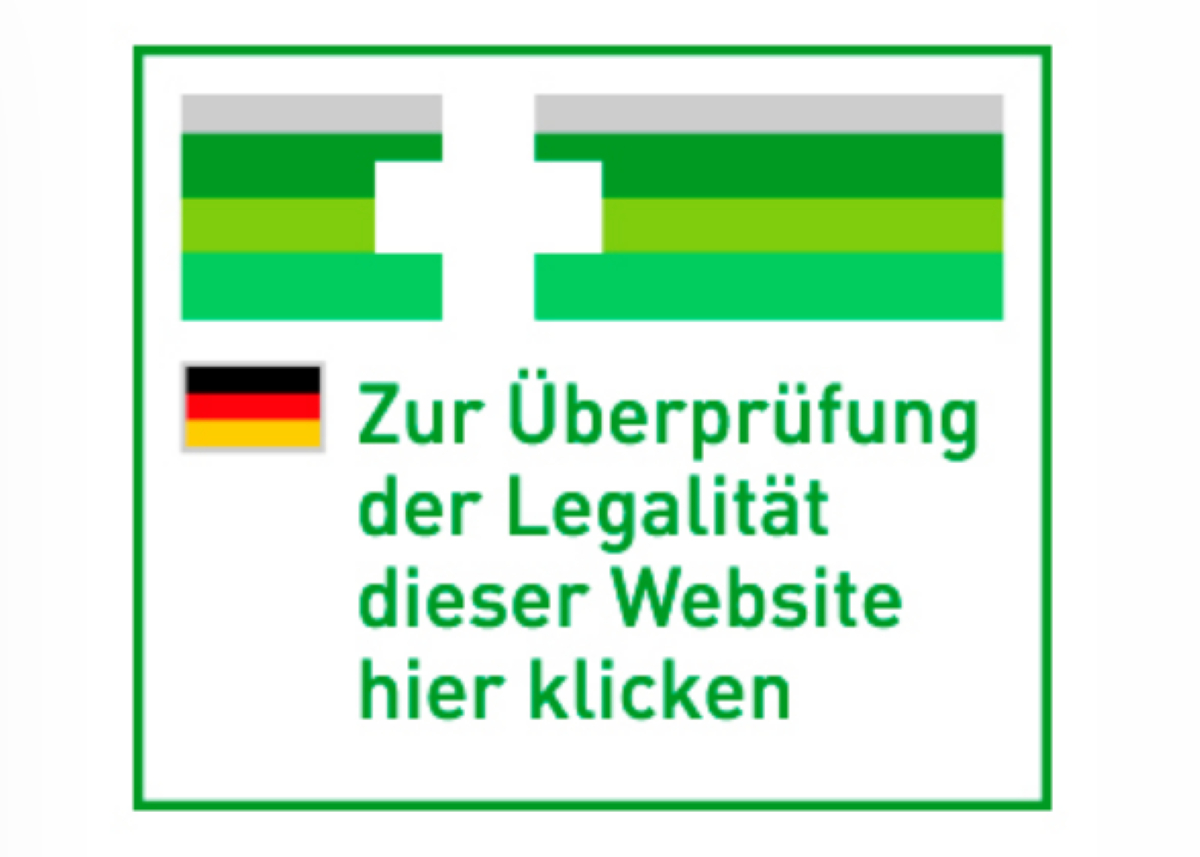
“Click here to check the legality of this website”. Look out for this logo, which appears on the websites of all online medicine retailers in the EU registered with their national regulatory authority. Image from European Medicines Agency.
Be wary of sites offering prescription medicines without a prescription, bulk discounts, or miracle cures – these are red flags for counterfeit products.
READ ALSO: The check-ups you can get in Germany with statutory health insurance
Additionally, shipping from abroad may affect returns, liability, and warranty. Always read the fine print and compare total costs, including delivery fees.
Advertisement
What does this mean for pharmacies in Germany?
The entry of major retailers into the online pharmacy market is expected to intensify competition and could threaten the survival of many traditional pharmacies.
The number of brick-and-mortar pharmacies in Germany has already been declining, reaching its lowest level since the 1970s, with just over 17,000 remaining at the end of 2024, according to the Federal Union of German Associations of Pharmacists (ABDA).
Industry insiders have described the move by DM as a major threat to traditional pharmacies, citing its strong brand trust, large customer base, and digital expertise.
READ ALSO: Why are medicines in Germany only available in pharmacies?
Fabian Kaske of the Kaske Group told Handelsblatt that, “DM brings three rare strengths to the digital health market: enormous brand trust, a huge active customer base with high app usage and a proven track record of excellence in day-to-day business.”
While online pharmacies can help fill gaps in rural areas and for people with limited mobility, the decline of local pharmacies could ultimately make it harder to access prescription medicines and professional advice, especially outside urban centres.