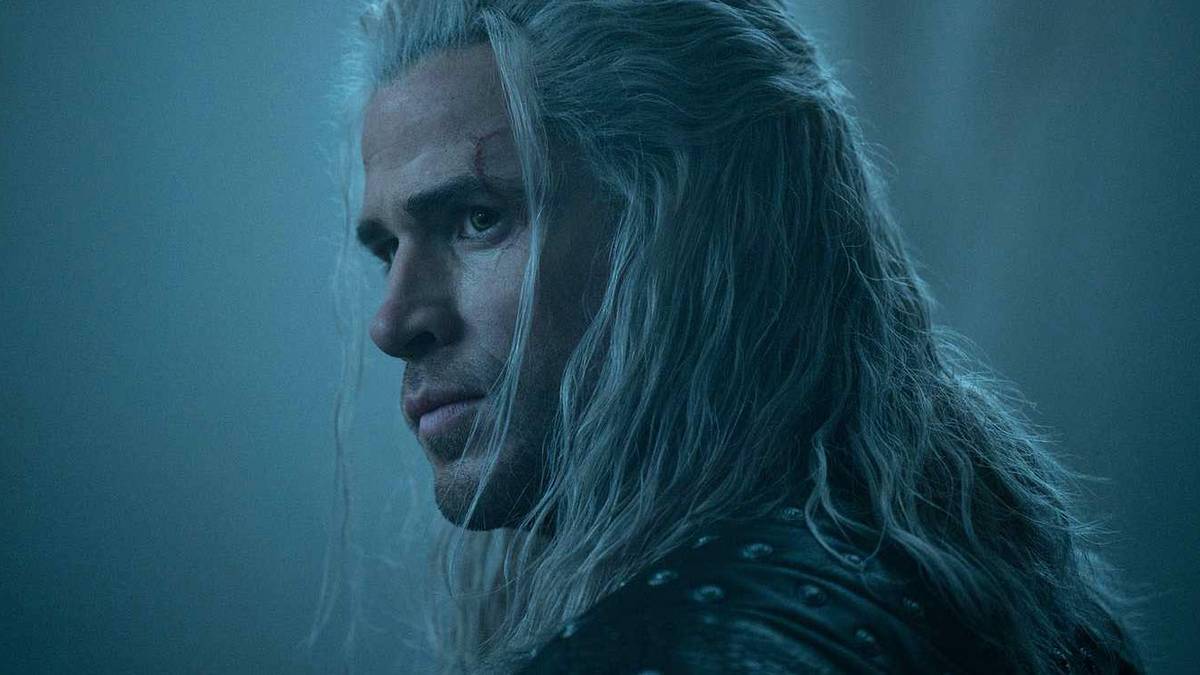
As a new season of The Witcher hits Netflix, Liam Hemsworth will make his debut as the iconic monster slayer Geralt of Rivia. Despite Hemsworth stepping into the same role Henry Cavill originated in Season 1, showrunner Lauren Schmidt Hissrich has emphasized that this Geralt will feel different, with a change in his voice, tone, and overall outlook. Producer Tomasz Bagiński added that the new Geralt “smiles a bit more” and might be “a little more emotional than before,” reflecting the story’s new focus on Geralt rediscovering his humanity after years of monster hunting. It’s clear to viewers from the first episode of Season 4 that Hemsworth is a new and much different Geralt.
All these tweaks may be small, but together, they amounted to something much smarter than a cosmetic refresh. Hemsworth’s Geralt isn’t trying to replace Cavill’s; he’s designed to repair the show’s imbalance. Where Cavill’s Geralt was powerful but often emotionally locked, Hemsworth’s interpretation opens the door to something the series has long needed: a Geralt who talks more, feels, and occasionally even smiles – the version closer in spirit to Andrzej Sapkowski’s books and CD Projekt Red’s games. That’s the genius twist.
The Witcher Finally Lets Geralt Speak His Mind
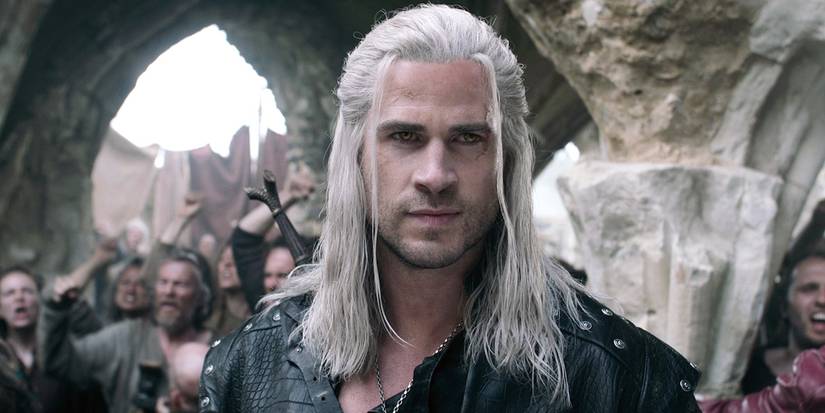
Liam Hemsworth as Geralt in The Witcher Season 4Image via Netflix
Cavill’s Geralt defined the series’ first three seasons, and his performance seemed like it was carved from granite. His on-screen work can best be described as quiet, deliberate, and steeped in physical gravitas. It was captivating but also limiting. Still, the show built itself around Cavill’s presence, turning Geralt into more of a myth than a man. Every grunt became a meme, and every rare smile felt like a celestial event.
The cost of that, however, was intimacy. Cavill’s Geralt rarely verbalized the wit, empathy, or inner conflict that made the book version so compelling. In Sapkowski’s writing, Geralt is introspective, ironic, and even tender in the unlikeliest moments. He’s a professional killer who overthinks everything. By contrast, the Netflix version often kept him at arm’s length, allowing the silence to do all the talking.
Hemsworth’s approach (and the tone shift the producers describe) appears to break that silence. This Geralt curses, laughs, and reveals flashes of warmth. It’s not that he’s suddenly verbose, but that he communicates. That difference isn’t just cosmetic; it’s a reorientation of the show’s emotional compass. A slightly chattier Geralt invites the audience closer. His humor doesn’t undermine his gravitas; it expands it. It reminds viewers that this isn’t a medieval Terminator, it’s a man wrestling with purpose.
Hemsworth’s is the Emotional Upgrade The Witcher Needed
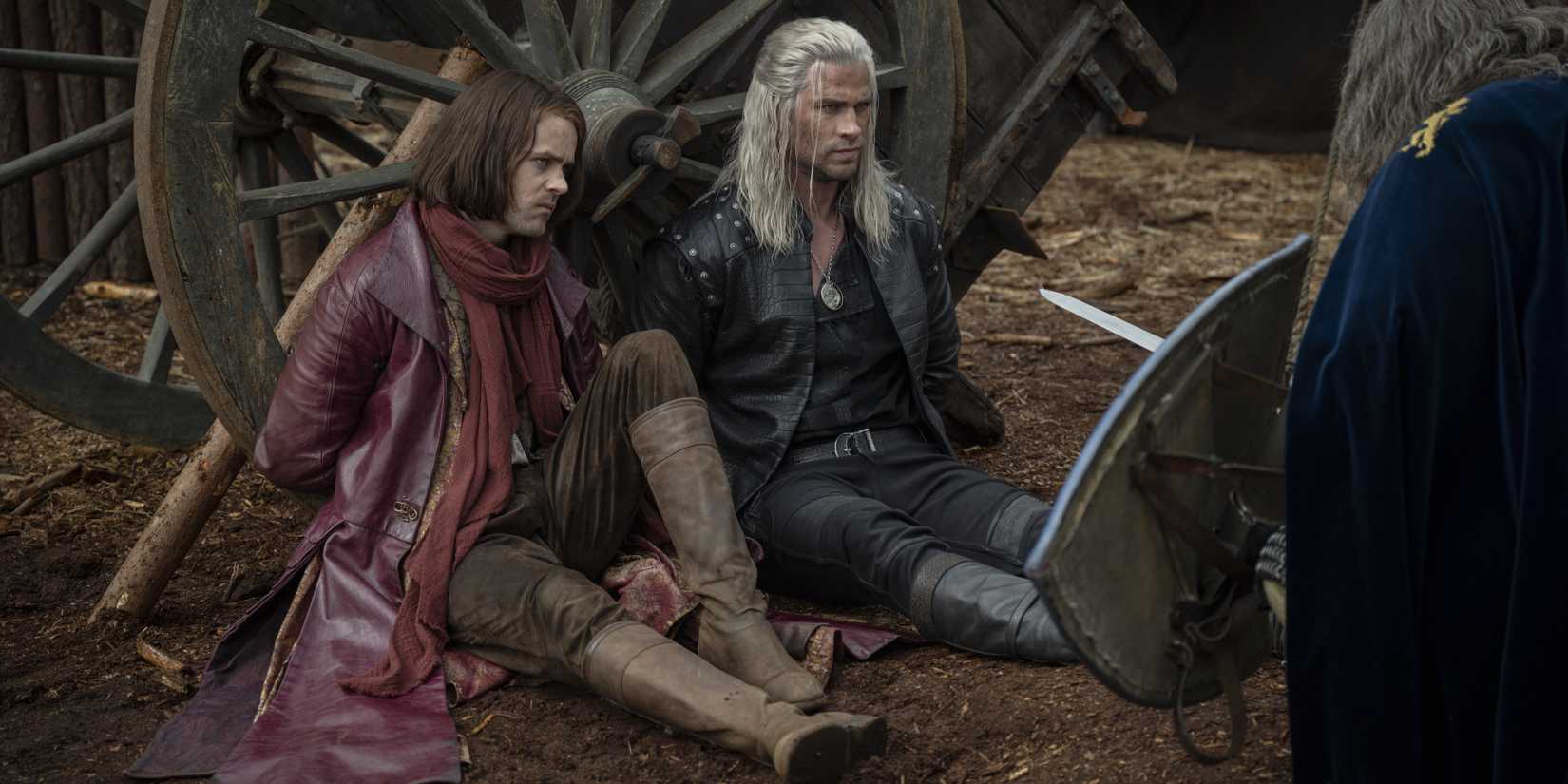
Jaskier (Joey Batey) and Geralt (Liam Hemsworth) tied up against a wagon on The WitcherImage via Netflix
The Witcher is clearly ready to ditch Geralt’s stoic surface, and Hemsworth takes that mission in stride. The series has always been the best when it dared to explore the contradictions at Geralt’s core – the warrior who longs to belong and the cynic who still saves people he knows will betray him anyway. For three seasons, those contradictions were often implied rather than expressed. Hemsworth’s take makes them visible.
That emotional accessibility does more than freshen the character; it rebalances the ensemble. Cavill’s stoicism turned the show into a one-man gravity well. Yennefer, Ciri, and Jaskier were vivid, but they often had to orbit his silence. Hemsworth’s Geralt is more expressive and reactive, which allows for true dialogue, of which emotional reciprocity is a big part.
Jaskier’s humor and Yennefer’s ambition finally meet a Geralt who shows understanding and reflects his own emotions. Even the character’s new scar plays into that metaphor. It’s a visible reminder that Geralt’s exterior can change, but the essence beneath it remains. The scar isn’t just a mark of survival; it’s a signal of vulnerability, of a man who’s endured enough to stop pretending that pain doesn’t matter.
Geralt Always Needed to Evolve in The Witcher
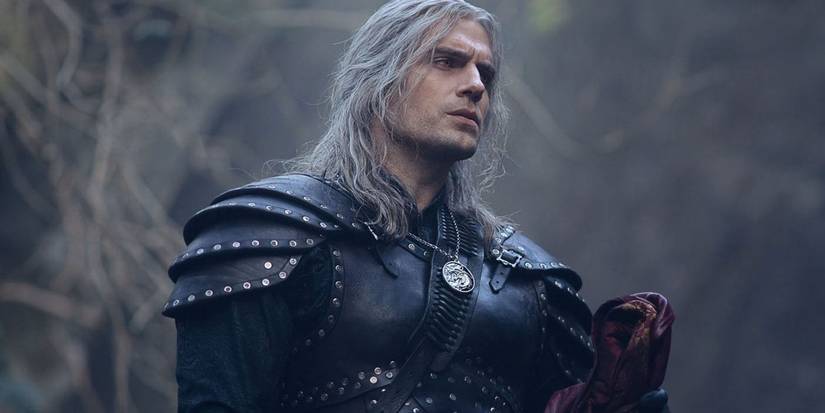
Image via Netflix
The best thing about the Cavill-Hemsworth swap is how intentionally it reframes the recast as an evolution, not an erasure. Hissrich’s confidence in the series’ new lead star isn’t just promotional optimism. It’s about the right creative strategy. The Witcher isn’t asking Hemsworth to mimic Cavill’s every movement. It’s asking him to continue Geralt’s story from a different emotional frequency that aligns with the next phase of his journey.
This choice also solves the show’s biggest long-term issue, which was its overreliance on Cavill’s personal magnetism. Cavill’s performance was so central that the show sometimes revolved around it, rather than the broader moral and political machinery of the Continent. By giving Geralt a new face, voice, and energy, The Witcher can finally loosen that gravitational pull. And the world can expand again.
If the early glimpses are any indication, Hemsworth’s Geralt doesn’t try to outgrowl Cavill; he grows beyond him. He’s still the same monster-slayer, but one who’s learned that monsters aren’t only out there. Sometimes they live in silence, in detachment, in fear of feeling too much. And if that’s where The Witcher Season 4 takes him, then the show’s most surprising twist won’t be about destiny, magic, or monsters. It’ll be about a man who finally remembers how to be human.
All eight episodes of The Witcher Season 4 premiere on Netflix on Oct. 30.
Release Date
December 20, 2019
Network
Netflix
Showrunner
Lauren Schmidt Hissrich
Directors
Stephen Surjik, Charlotte Brändström, Edward Bazalgette, Loni Peristere, Louise Hooper, Bola Ogun, Alex Garcia Lopez, Gandja Monteiro, Sarah O’Gorman
Writers
Haily Hall, Clare Higgins, Javier Grillo-Marxuach, Jenny Klein, Tania Lotia


Anya Chalotra
Yennefer of Vengerberg