
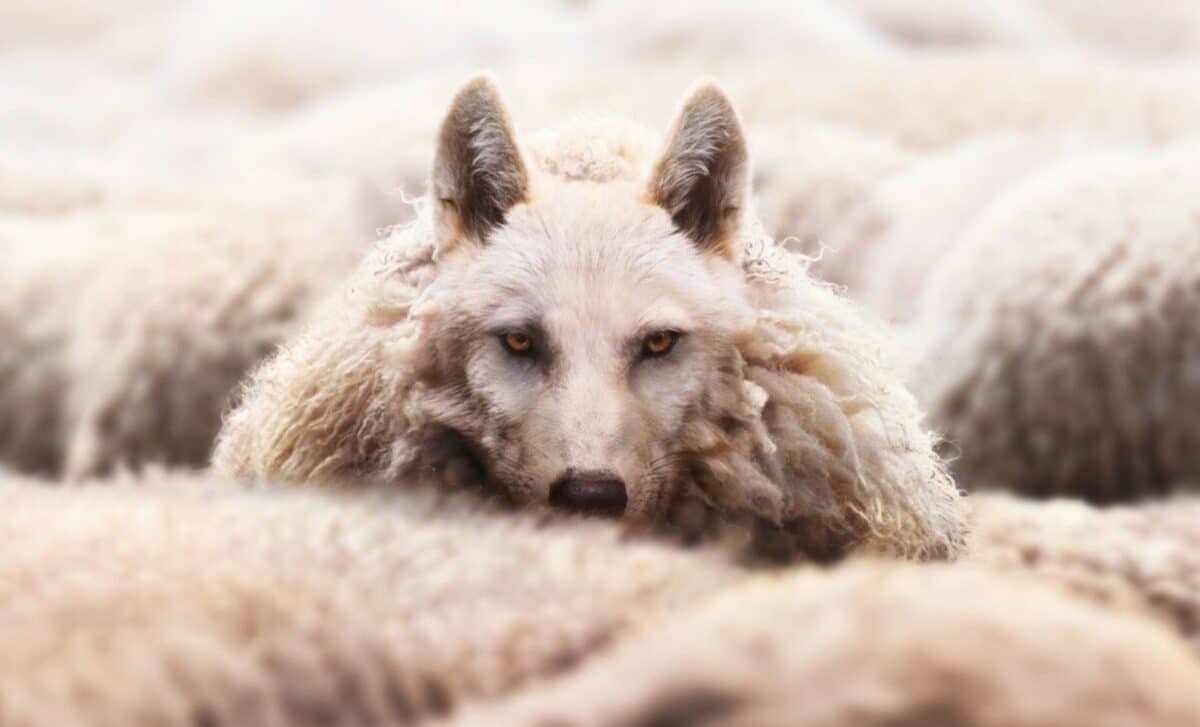
A team of Greek wildlife biologists has confirmed the country’s first genetically verified wolf-dog hybrid, identified during a multi-year study of wild wolf populations. The animal, discovered in the forests of northern Greece, carries a genetic profile of 55% domestic dog and 45% gray wolf, according to data released by the conservation group Callisto.
The finding was made during an analysis of 50 biological samples collected from wolves across mainland Greece. DNA sequencing revealed one specimen with clear hybrid characteristics. The individual was not the result of captive breeding but a wild-born animal, making it a rare and significant case in European wildlife monitoring.
Genetic Confirmation Amid Growing Wolf Numbers
While wolf-dog hybrids have been observed elsewhere—primarily based on phenotypic characteristics—few have been genetically confirmed in the wild. This case, reported by Greek City Times, is the first of its kind in Greece and among the few supported by genomic data in Europe.
Domestic dogs (Canis lupus familiaris) and gray wolves (Canis lupus) are closely related and share more than 99.9% of their genome, enabling interbreeding under specific conditions. However, natural hybridization remains infrequent due to behavioral and ecological barriers, including the territorial nature of wolves and the low likelihood of dogs surviving independently in wild environments.
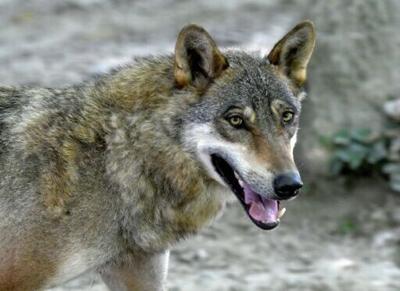 Wolf-dog hybrids are rarer than first thought. Even the theory about how dogs originated from a relative of the grey wolf (pictured here) has shifted over time. Credit: DENIS LOVROVIC
Callisto biologist Aimilia Ioakimeidou, who led the study, stated that the hybrid was likely produced in an isolated mating event involving a free-ranging domestic dog. The organization emphasized that hybridization in the wild, while biologically possible, remains an exceptional event under current conditions in Greece.
Implications for Wildlife Conservation
Greece has seen a steady recovery of its wild wolf populations since 1983, when wolf hunting was banned under the Berne Convention on the Conservation of European Wildlife and Natural Habitats. According to Callisto, the country now hosts an estimated 2,075 wolves, with active packs confirmed in the Mount Parnitha range near Athens and across northern mountain regions.
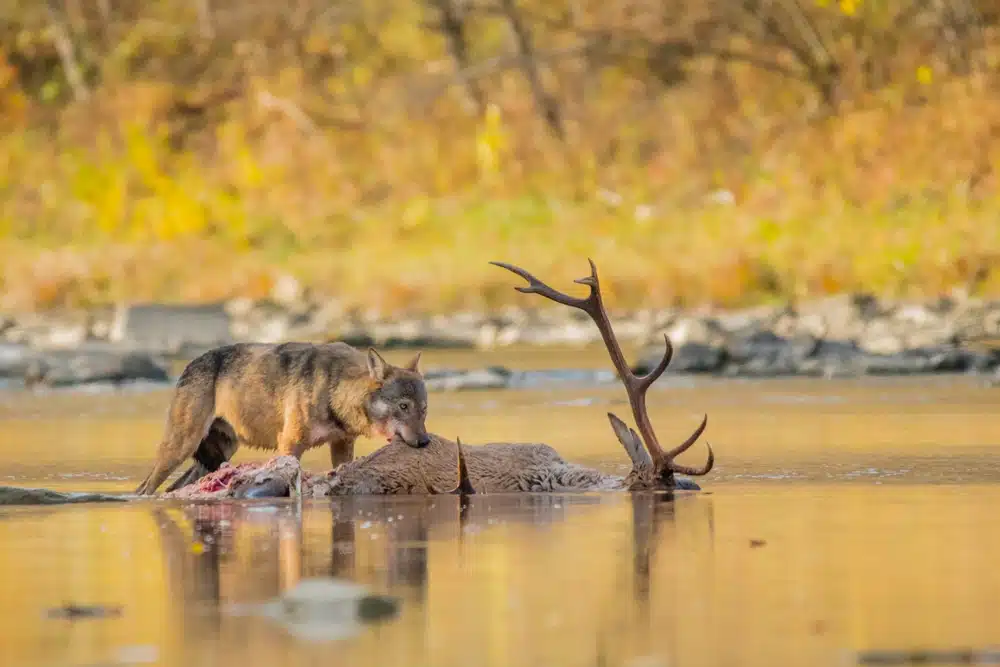 A gray wolf (Canis lupus) eating a deer. Bieszczady, Carpathians, Poland. Credit: Shutterstock
The re-expansion of wolf populations has led to closer proximity between wild predators and free-roaming domestic dogs, particularly in rural and pastoral areas. While hybridization is still considered rare, it raises concerns over the genetic integrity of wild wolf populations.
A 2020 study published in Biological Conservation noted that increased hybridization events could complicate population monitoring and conservation strategies. Hybrid individuals are often morphologically indistinct, making field identification difficult without genetic testing. In small or recovering populations, even low rates of hybridization may have long-term effects on genetic purity and behavioral ecology.
Renewed Focus on Dog Domestication Origins
The confirmation of a wild wolf-dog hybrid has also renewed scientific interest in the evolutionary relationship between dogs and wolves. While the traditional view suggests that domestication began with wolves scavenging near human settlements, recent research proposes a more active human role in the early stages of domestication.
A 2023 study in Nature Ecology & Evolution supports the theory that hunter-gatherer groups may have intentionally raised wolf pups, selecting for tameness and other social traits. This would suggest that the divergence between dogs and wolves occurred not only through natural selection but also via directed human intervention.
The Greek hybrid specimen does not directly inform domestication timelines but adds empirical weight to the premise that genetic fluidity between the two species persists under the right environmental conditions.
Callisto has confirmed that it will continue its genetic monitoring of wolf populations across the country. The organization also expressed concerns about potential risks from unmanaged domestic dogs, particularly in areas where they may interact with wildlife.