
Image credit: Richard Barnes
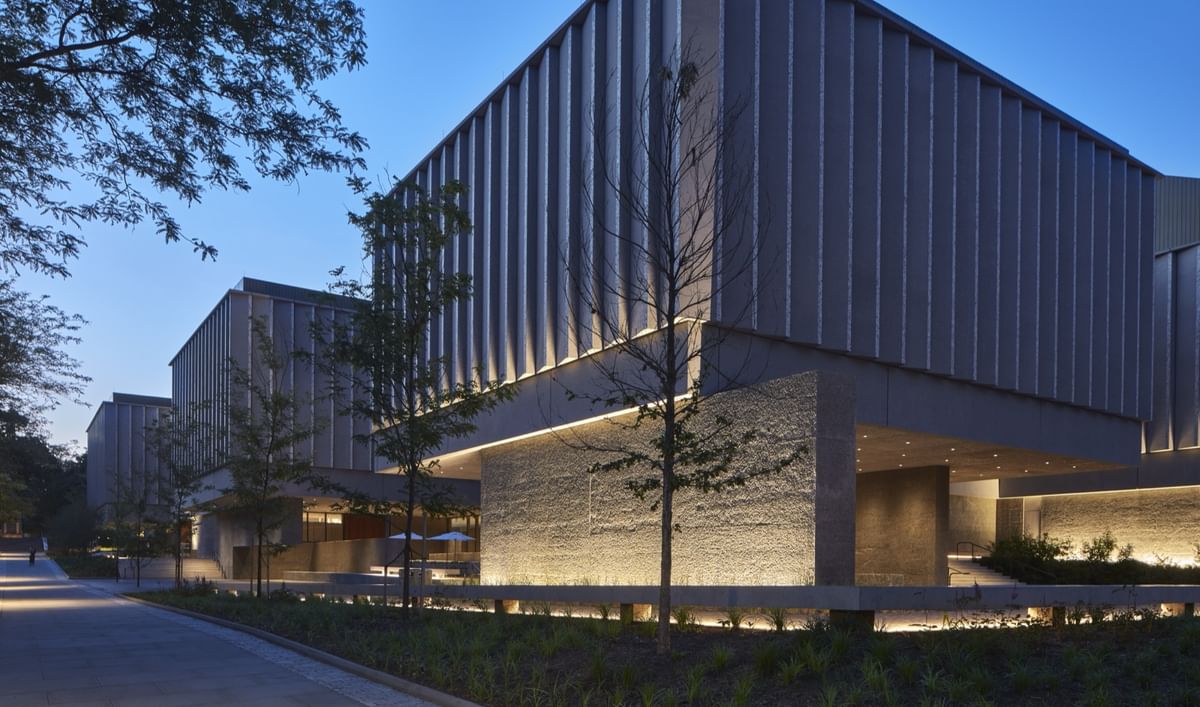
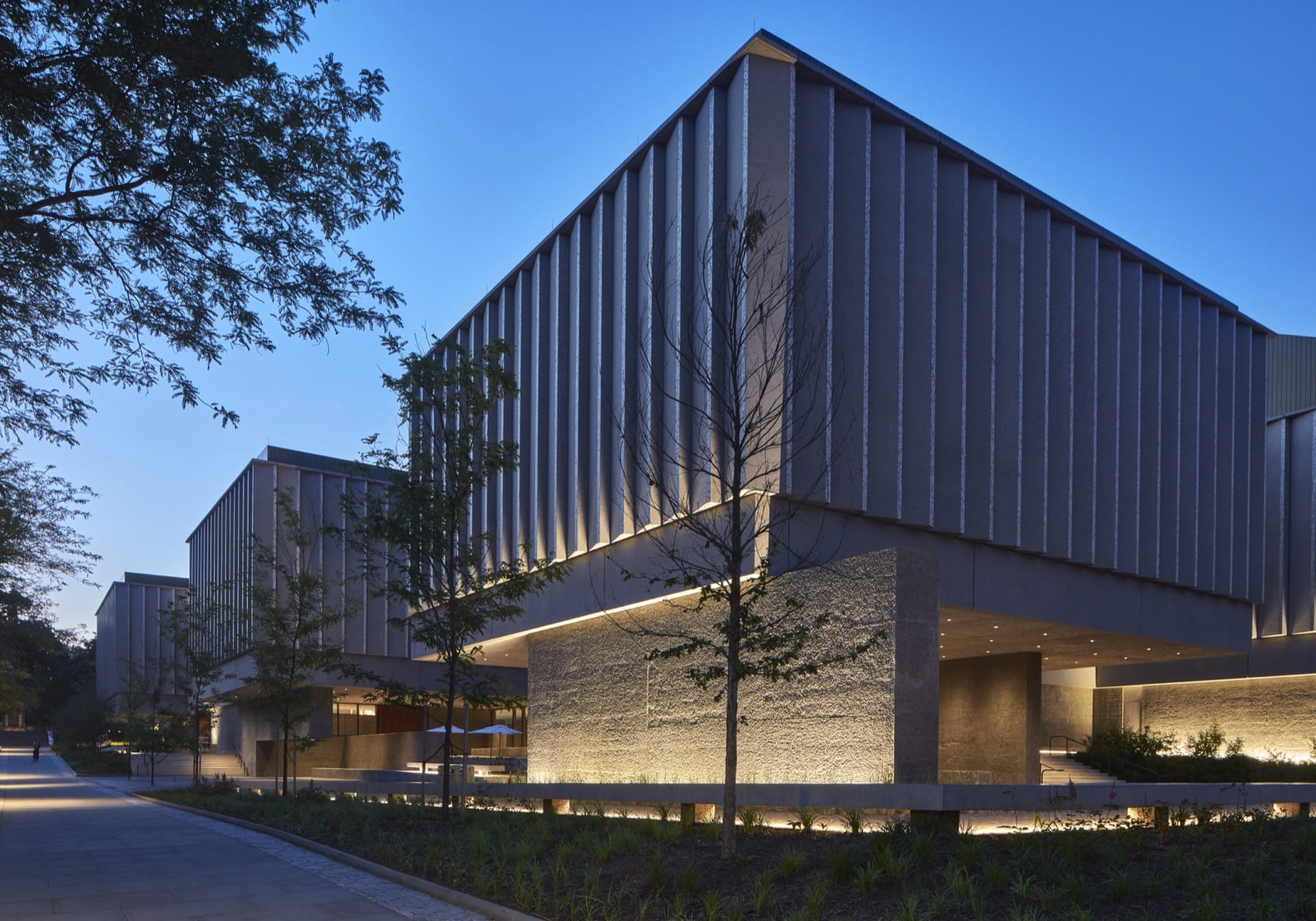
Princeton University has unveiled the institution’s newly-completed Art Museum, a 146,000-square-foot facility designed by Adjaye Associates with Cooper Robertson as Executive Architect. The building replaces the university’s previous home on the same site, doubling its size while maintaining its historic position at the heart of campus.
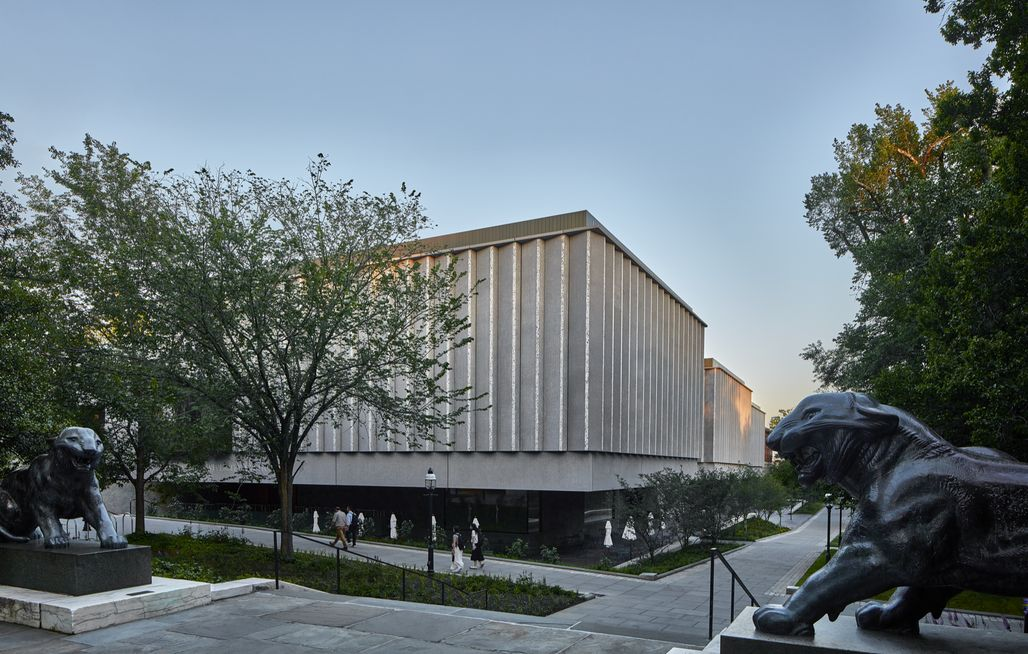
Image credit: Richard Barnes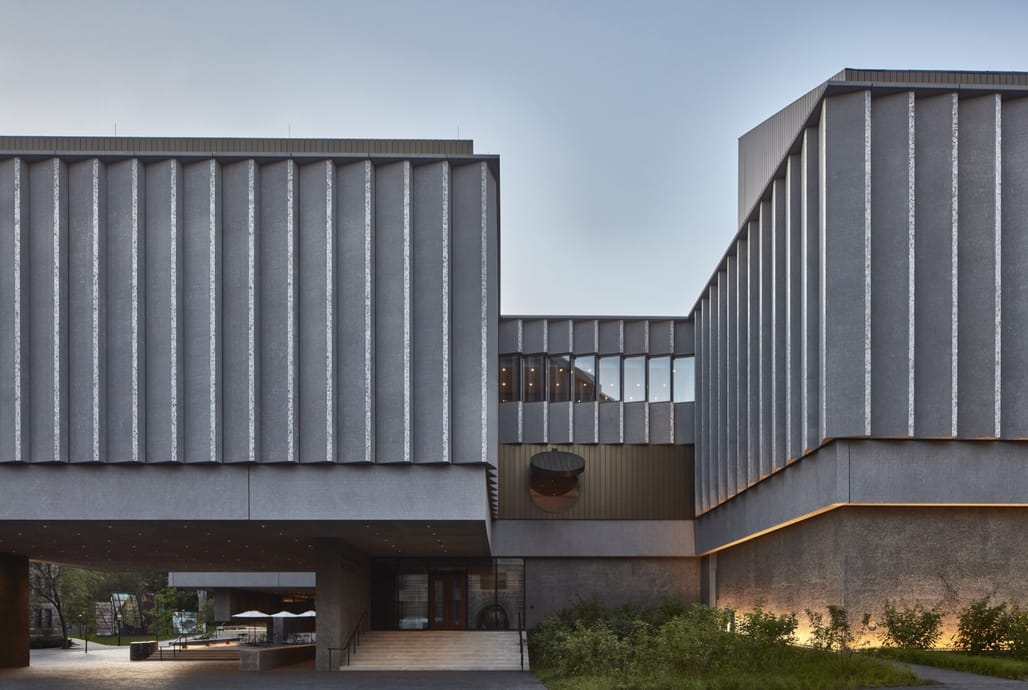 Image credit: Richard Barnes
Described by the team as a “campus within the campus,” the three-story museum is positioned between Elm Drive and Chapel Drive along McCosh Walk. The design divides the structure into nine interconnected pavilions arranged along north–south and east–west axes that align with existing pedestrian routes. The configuration seeks to reinforce the museum’s integration with daily university life.
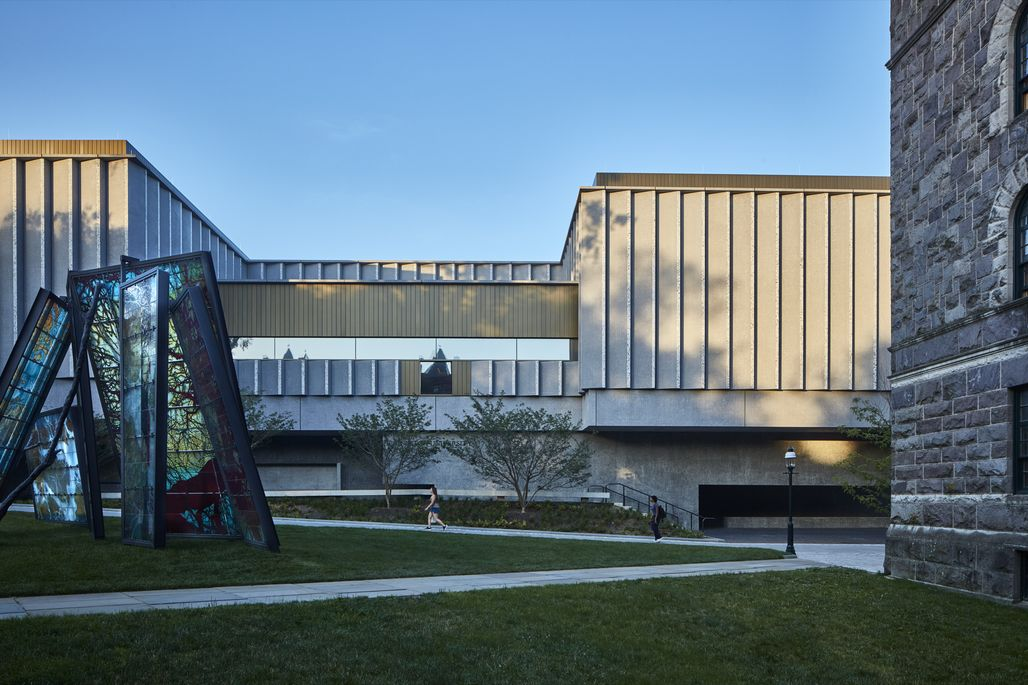
Image credit: Richard Barnes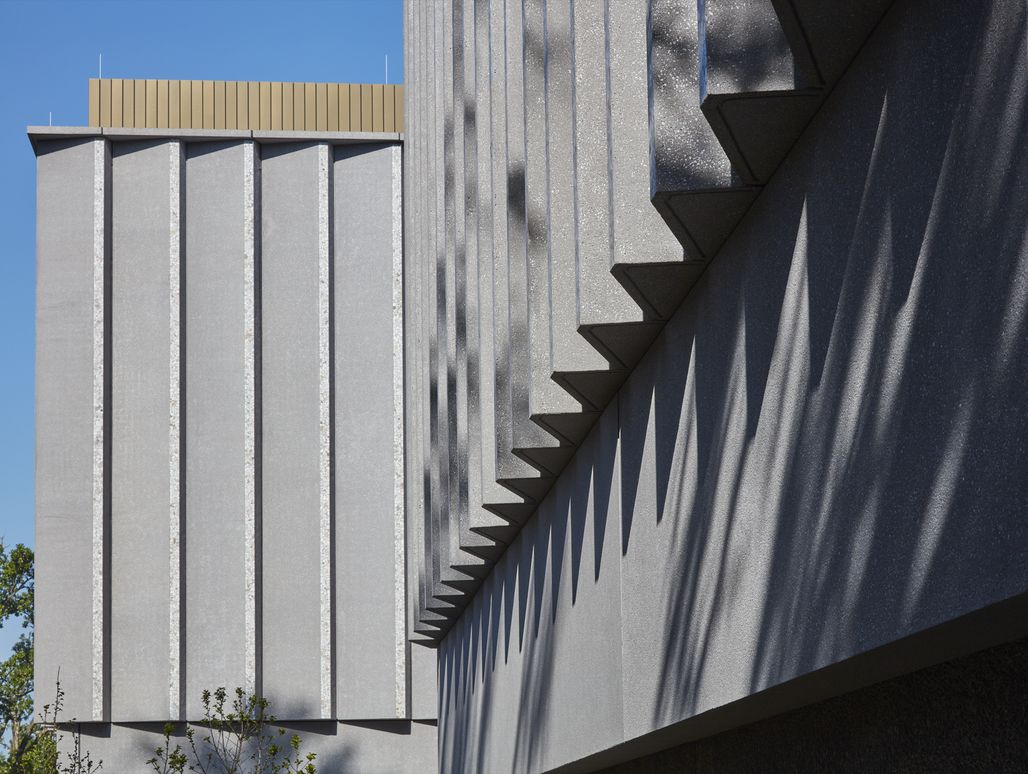 Image credit: Richard Barnes
Two primary “artwalks” cut through the ground floor, allowing visitors and passersby to still move through the building when galleries are closed. The scheme’s massing responds to the site’s natural slope, stepping down to create a series of outdoor terraces and courtyards. The spaces are designed to host public gatherings and events for up to 2,000 people.
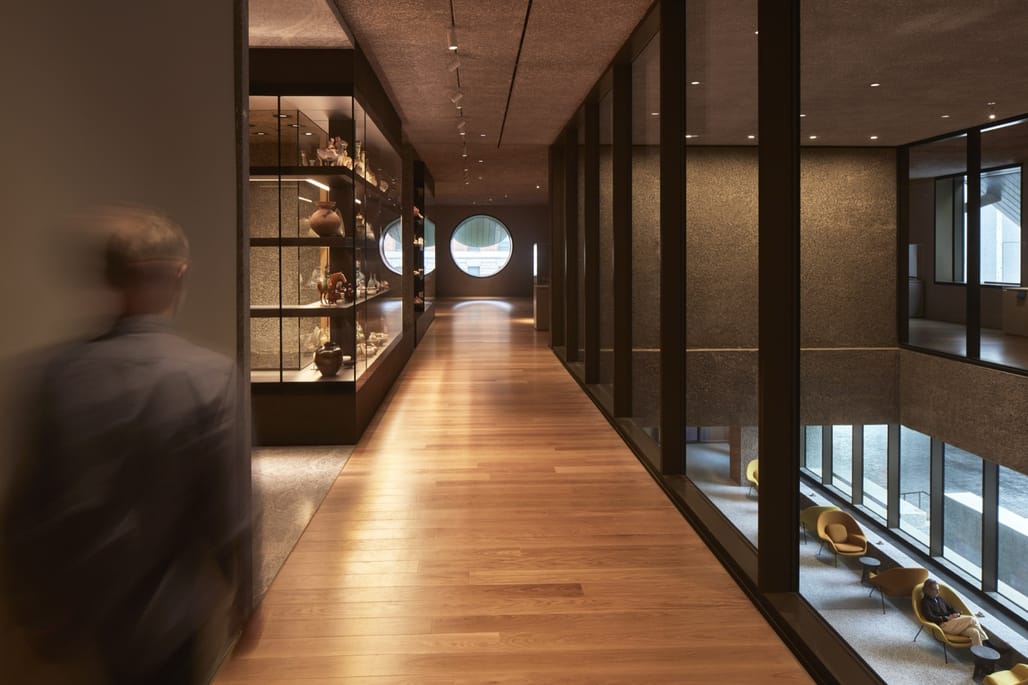
Image credit: Richard Barnes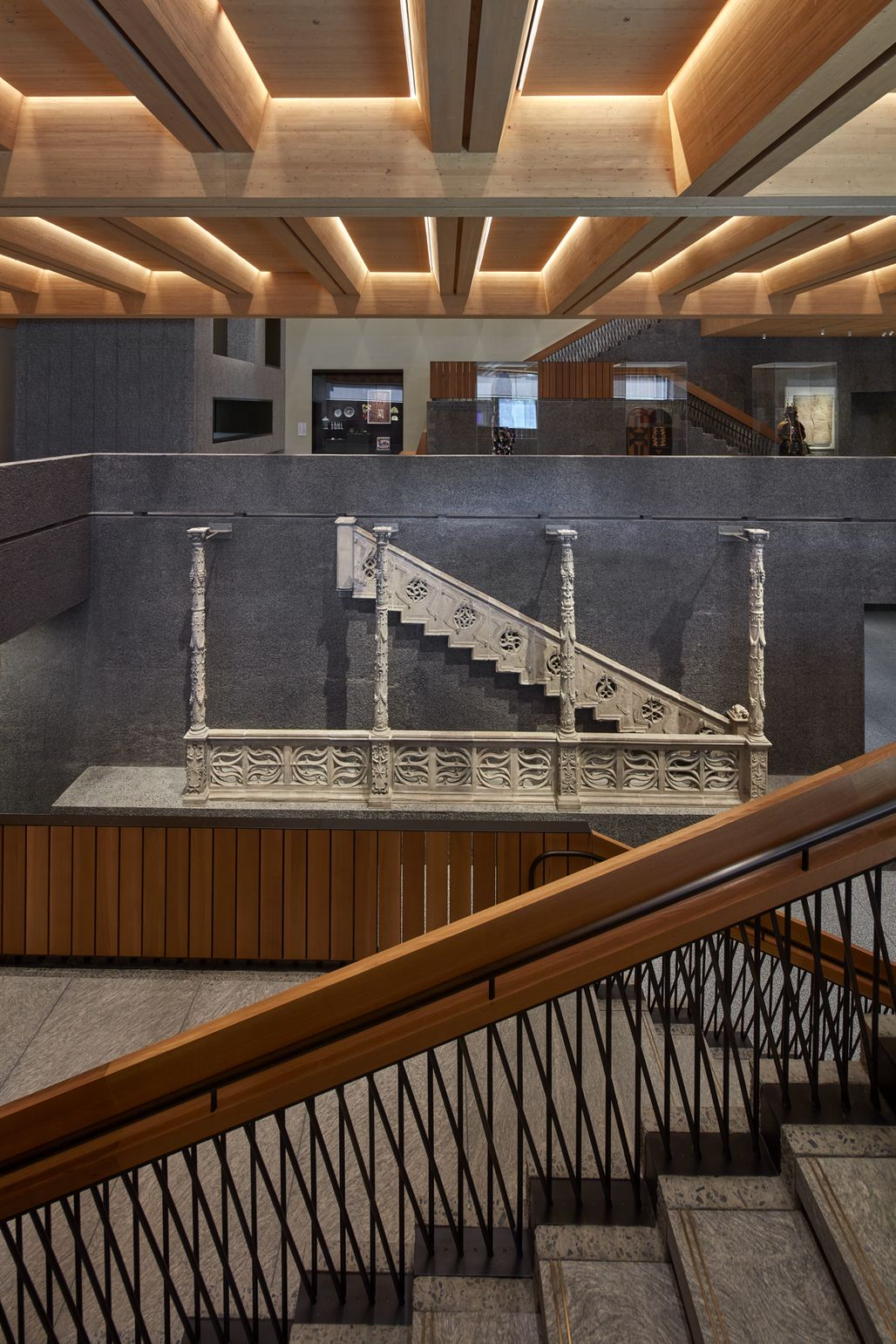 Image credit: Richard Barnes
The design of the scheme seeks to reference Princeton’s historic character while creating openness and connection. Large lens windows, light wells, and glazed circulation paths link interior spaces to the surrounding landscape and campus landmarks. The facade alternates between rough and polished stone aggregate panels, bronze detailing, and triple-glazed windows.
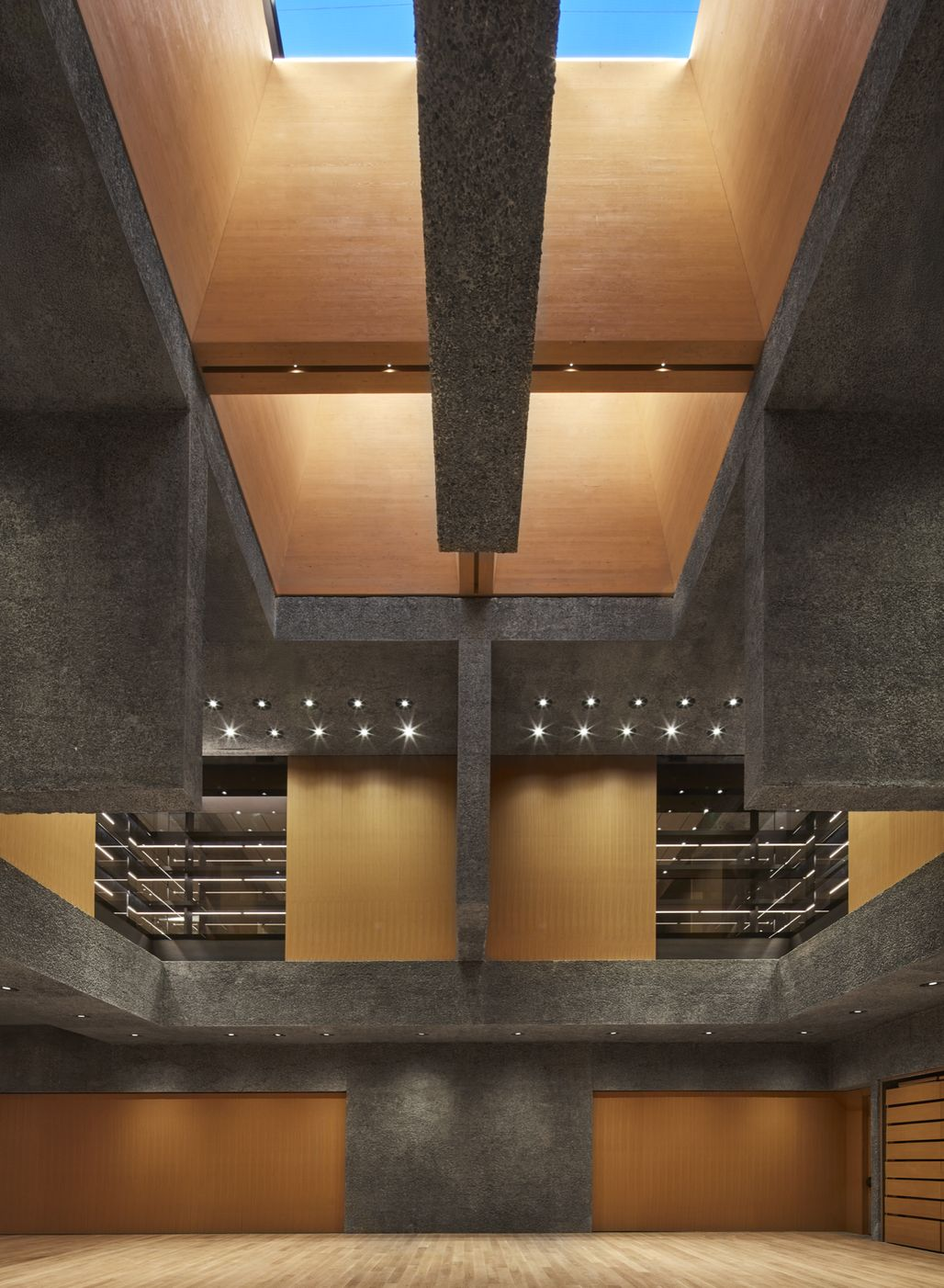
Image credit: Richard Barnes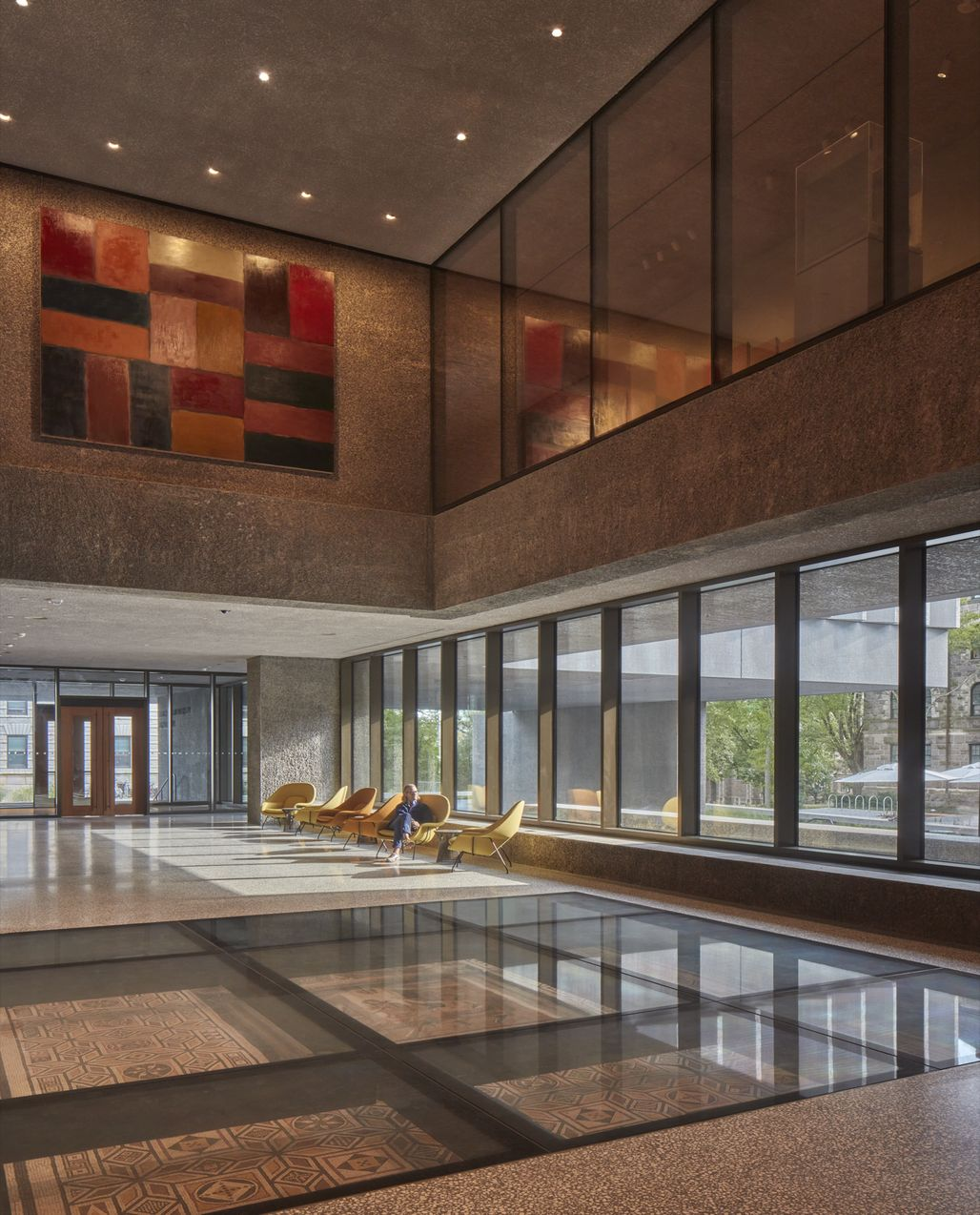 Image credit: Richard Barnes
Inside, the use of structural glulam beams, terrazzo, and wood seeks to introduce a tactile quality that complements the stone exterior. Key spaces such as the Entrance Hall, Grand Stair Hall, and Grand Hall are designed with a focus on material warmth and human scale.
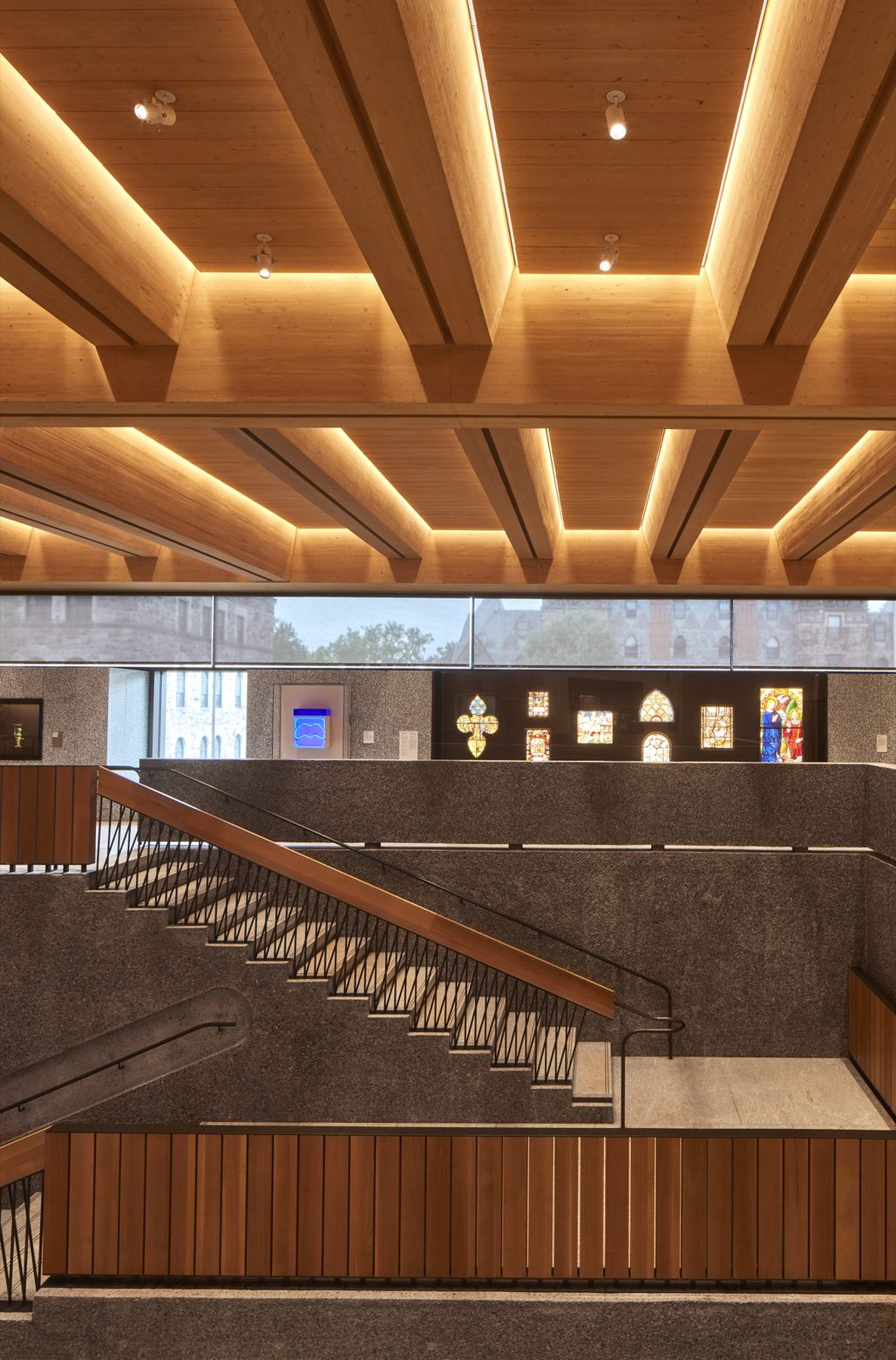
Image credit: Richard Barnes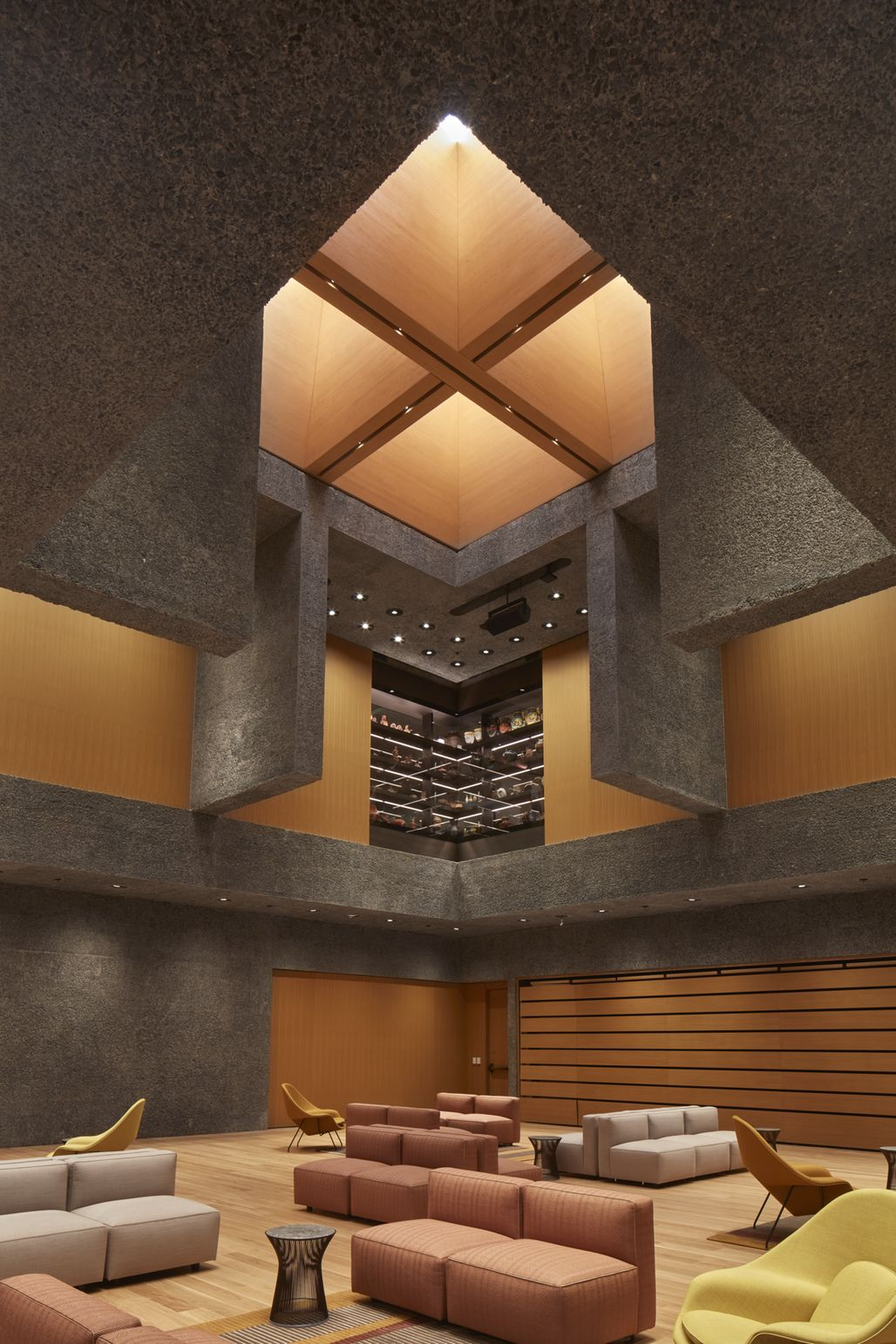 Image credit: Richard Barnes
Approximately 95 percent of the gallery space is located on a single level, encouraging movement between works from different periods and cultures. Beyond exhibitions, the museum also serves as a center for teaching and research. The ground floor includes classrooms, seminar spaces, and “creativity labs,” while upper levels contain galleries, conservation studios, and administrative offices. A rooftop cafe provides indoor and outdoor seating with campus views.
Similar articles on Archinect that may interest you…