
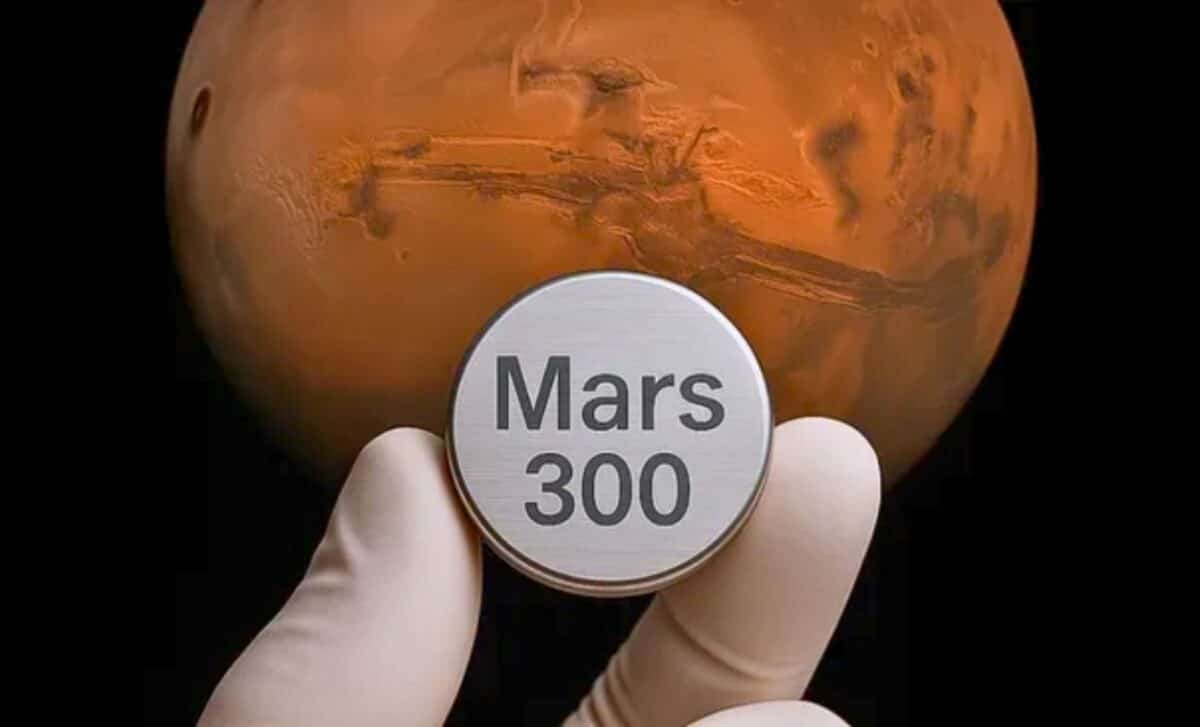
Celestis, a Texas-based space memorial company, has announced plans to send human remains to Mars by 2030. The mission, called “Mars300,” will carry the cremated ashes and DNA samples of its customers into orbit around the Red Planet, marking a bold step in the intersection of space exploration and memorialization.
For $24,995, Celestis, which has been sending cremated remains into space since 1997, is positioning its Mars-bound mission as the next step in humanity’s journey beyond Earth.
The company’s previous space flights have included memorials for well-known figures such as “Star Trek” stars and renowned space scientists. However, the Mars300 mission is unlike any before it, as it seeks to send human remains into orbit around another planet.
A New Frontier for Celestis
Celestis has long made a name for itself by providing space-bound memorial services. Their past missions have carried the remains of loved ones, celebrities, and even pets on various spacecraft, often using rockets like United Launch Alliance’s Vulcan Centaur. Now, with the Mars300 mission, Celestis is eyeing the fourth planet as the next frontier.
“This mission represents humanity’s next responsible step toward the stars,” said Charles Chafer, CEO and founder of Celestis.
The Mars300 mission is expected to launch as a secondary payload aboard a future Mars-bound cargo spacecraft. While the company has a vision for the mission, they are still grappling with the reality of launching to Mars.
As of now, the only reliable contender for a Mars launch vehicle is SpaceX’s Starship. However, the timeline for a successful flight, including the complexities of ensuring payload delivery to the martian world, remains uncertain.
“A reliable launcher is obviously still a detail to be determined,” Chafer acknowledged, underscoring the unpredictability of interplanetary missions.
The upcoming launch of United Launch Alliance’s Vulcan Centaur rocket on January 8 is a milestone in spaceflight. This 202-foot rocket, ULA’s first new design in 18 years, is vital for both U.S. national security and commercial space interests. pic.twitter.com/EZVpDFbyov
— Interesting Engineering (@IntEngineering) January 5, 2024
How to Reserve Your Place on The Red Planet
Celestis has opened a reservation list for the Mars300 mission, with spots priced at $24,995 per participant. To secure a place, customers are required to put down a 10% deposit. This move follows the company’s tradition of offering space memorials, but with the added complexity of planning a mission to The Red Planet.
Celestis promises that all payments will be placed in a dedicated trust account until the launch provider and mission details are confirmed. According to the company, this ensures transparency and protects customers’ investments.
 Celestis’ Mars300 mission: A groundbreaking way to honor loved ones, with Mars as their new home. Credit: Celestis
Mars’ Ecosphere at Risk? The Planetary Protection Debate
Planetary protection protocols are crucial to prevent the contamination of other celestial bodies with terrestrial microbes. As stated by the Committee on Space Research (COSPAR), strict guidelines are in place to safeguard the integrity of extraterrestrial environments.
The prospect of sending human remains to the red orb raises concerns about whether Celestis’ mission could violate these standards, particularly since the remains will be in orbit around the Red Planet for the foreseeable future.
“By sending cremated remains and human DNA to Mars, we unite science, exploration, and legacy in a way that speaks to our shared destiny beyond Earth,” Chafer said.
However, questions persist about how these protocols will be enforced in practice and how the company will ensure that its mission does not unintentionally introduce contaminants into the Martian environment.