
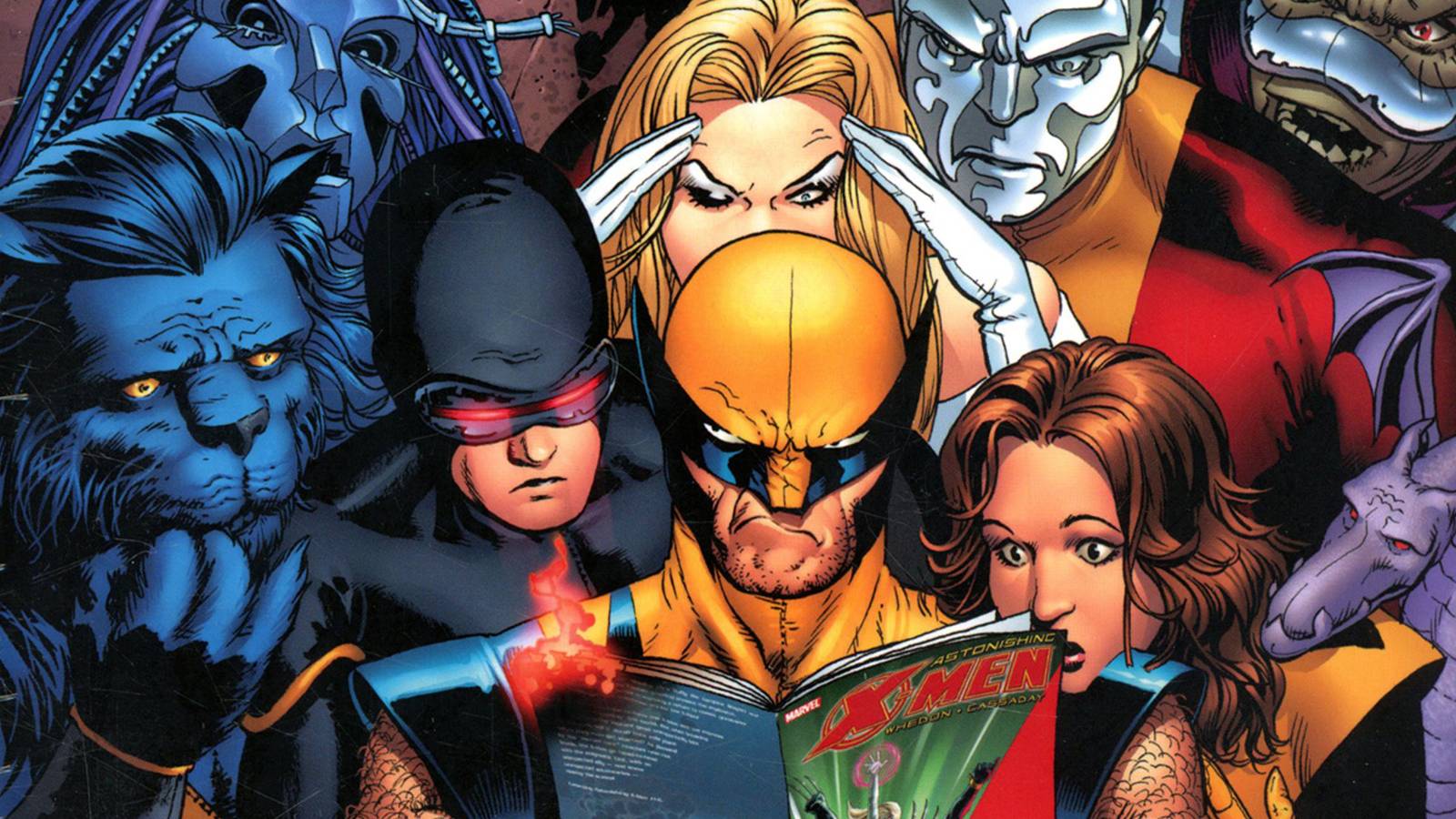
The X-Men are one of the most important and influential teams that Marvel Comics has ever brought to life, and though they may have been somewhat eclipsed in popularity in the mainstream by the Avengers, their impact on the world of Marvel and on comic books in general is hard to deny.
With decades of iconic stories, the X-Men have shaped the Marvel Universe into what it is today, and countless X-Men tales could easily be considered all-time masterpieces of the medium. Of those masterpieces, there are a few that stand out as being the very best of the best — stories that showcase all that X-Men stories can and should be, as well as highlighting what can be done within the comic book medium as a whole.
X-Men: Messiah Complex Is A Tense and Dramatic Event
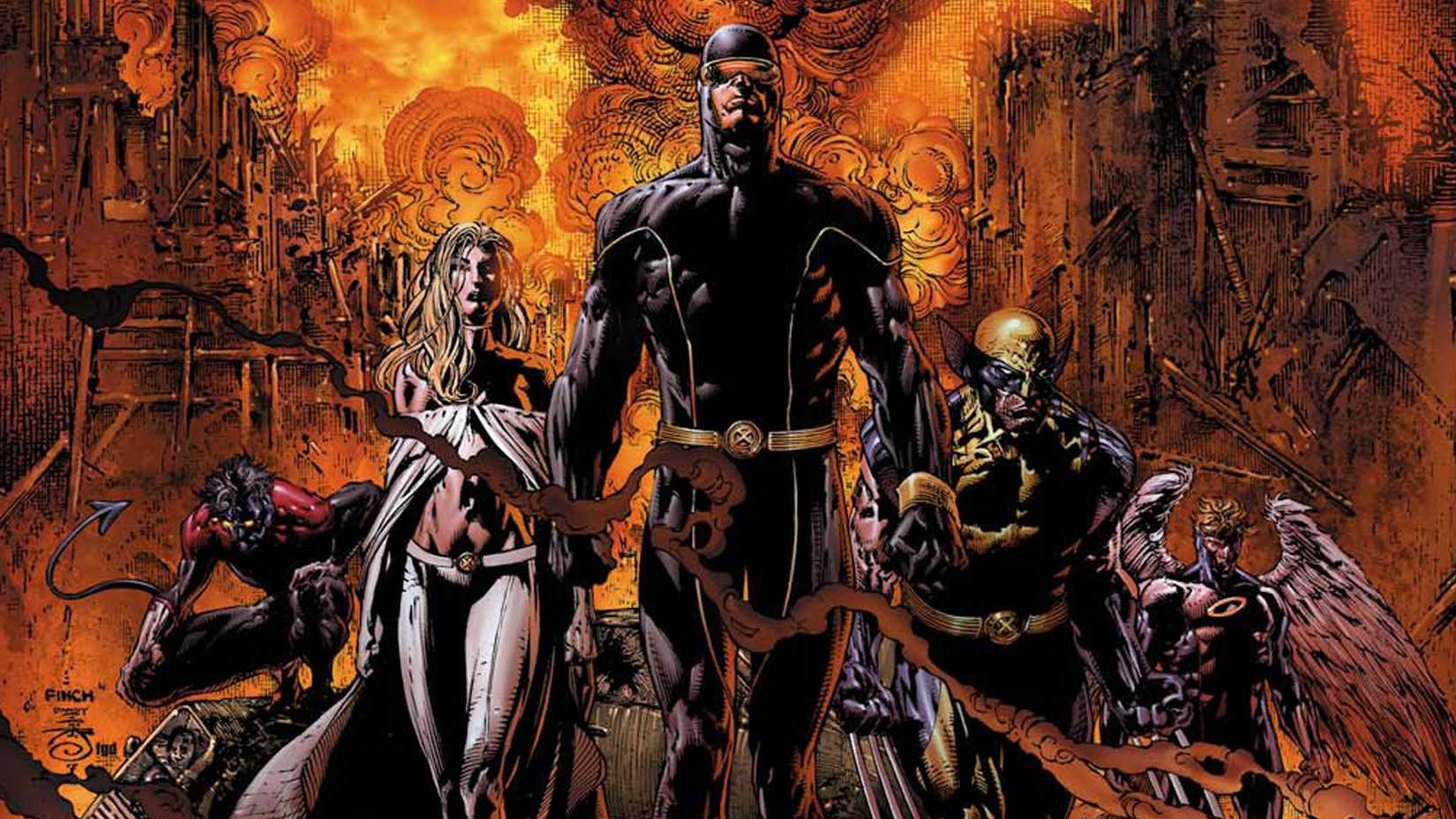
Image via Marvel Comics
In the wake of Wanda Maximoff, aka the Scarlet Witch’s iconic “no more mutants” spell at the end of the House of M event, the mutant population of Earth was decimated, leaving only around two hundred actively powered mutants on the planet. With the species so close to extinction, the arrival of a new mutant birth on the scene kicks off one of the team’s greatest events of all time, Messiah Complex.
Messiah Complex saw several mutant-centric groups fighting for control and possession of the first mutant to be born since M-day, Hope Summers, the child that would later become the adopted daughter of Nathan Summers, aka Cable. Messiah Complex is grand, shocking, and wonderfully intense, and it kicked off the future of the X-Men’s stories that is still being felt today.
Astonishing X-Men Reinvigorated The Superheroics of The Team
Writer Joss Whedon teamed with superstar artist John Cassaday to bring modern X-Men fans one of the most beloved runs of all time in the form of Astonishing X-Men, a book that mixed the complexity and intensely socially and politically conscious vibes of runs like New X-Men with the grandeur and bombast of old-fashioned superhero tales.
Astonishing X-Men also introduced fan-favorite characters like Armor, a character who has since gone on to headline her own book in Peach Momoko’s fantastic Ultimate X-Men. In addition to being wonderfully exciting, packed with eye-popping art, and featuring some of the most emotionally-charged X-Men moments ever, Astonishing X-Men also served as a perfect jumping-on point for readers feeling overwhelmed by the complex continuity of the X-books.
X-Men: Second Coming Is Even Better Than Its Predecessor
The 2000s were a surprisingly tumultuous time for the X-Men and the mutant characters of the Marvel Universe overall, as the effects of House of M were still being felt for the entirety of the decade and a large chunk of the following one. While Messiah Complex kicked off a lineup of incredible X-Men events, its sequel, X-Men: Second Coming is arguably even better.
In the wake of Messiah Complex’s ending resulting in the baby Hope Summers being taken by Cable into the far future to be raised in safety and security, X-Men: Second Coming sees the return of Hope Summers, now a young adult, and her father Cable, as the X-Men, X-Force, and many other mutant and anti-mutant groups come to blows for the future of their species. It’s an incredible testament to the power of the X-books, the ability of the superstar creative teams, and superhero stories in general.
The Brood Saga Is An Underrated Classic
Writer Chris Claremont is perhaps the most important name in all of X-Men history, and while his most famous storylines are beloved for a reason, it’s a shame that fans only really focus on a small number of arcs that the masterful creator wrote across his extensive time on the Uncanny X-Men book.
The Brood Saga is one of the most criminally underrated X-Men stories ever written, and it remains one of the most horrific, deeply unsettling mutant-centric stories to ever grace the pages of a comic book. One of the things that casual fans don’t seem to realize about the X-Men is just how sci-fi and space-oriented a number of their stories are, and The Brood Saga is a perfect example. It’s a wonderful addition to Claremont’s time on the book, and it introduced one of the Marvel Universe’s most terrifying alien species.
Uncanny X-Force Is A Spectacularly Grim Masterpiece
The world of mutantkind traveled down a rather dark path during the 2000s and 2010s, and one of the most intense X-books ever brought to readers at the time was writer Rick Remender’s spectacular Uncanny X-Force, a book showcasing an off-shoot team from the normal X-Men composed of morally gray mutant operatives who were assigned to do the work that heroes like Storm or Cyclops refused to do.
Led by Logan, aka Wolverine, X-Force tackled some of the most intense missions in mutant history, including the iconic Apocalypse Solution arc, which featured the team being forced to choose whether or not to assassinate a child clone of the world-threatening mutant villain, Apocalypse. Grim, beautifully illustrated, and wonderfully complex, Uncanny X-Force is a must-read for any mutant fan.
House of X / Powers of X Introduced An Exciting New Era
In the latter half of the 2010s, the X-Men and their supporting characters were in a bit of an odd spot creatively and narratively. There wasn’t much excitement surrounding the X-books, and it seemed that Marvel was sidelining them somewhat in an attempt to focus more on MCU-adjacent stories and characters. However, the iconic mutant team was reinvigorated in a bold new way by writer Jonathan Hickman during his House of X and Powers of X miniseries that ran concurrently.
Ushering in the Krakoa era, one of the most celebrated times in the X-Men’s modern history, the two miniseries featured some of the most shocking and exciting character work, action, and world-building ever brought to the Marvel Universe, as well as one of the most unique directions that the X-Men had ever gone down. Hickman might not have been able to fully realize his long-term vision for the X-Men during the Krakoa era, but House of X and Powers of X remain a double-header masterpiece.
E Is For Extinction Is An All-Time Great Opening To A Fantastic Run
Writer Grant Morrison is easily one of the most celebrated creatives working today in the comic book industry, and their impact on characters like Superman, the Doom Patrol, Batman, and, of course, the X-Men has been felt for decades. New X-Men was one of the boldest revamps of a Marvel team ever, and it worked out splendidly, with the opening arc, E is For Extinction, being the stand-out.
Featuring one of the most shocking and emotionally devastating events ever captured in a Marvel Comic book, the Genosha massacre, E is For Extinction is an absolute sucker punch to readers’ hearts. Complex, character-focused, and wonderfully adult, E is For Extinction proved, once again, that the X-Men were the very best team that Marvel Comics had to offer.
Days of Future Past Lives Up To The Hype
Once again coming from the brilliant mind of writer Chris Claremont, the Days of Future Past storyline from Uncanny X-Men is one of the finest examples of simple, effective storytelling across a limited amount of time. The original Days of Future Past storyline only took two issues to tell, and it remains one of the most emotionally potent, deeply moving portrayals of mutantkind and its fight for acceptance ever written.
The story has been revamped, followed up, and reinterpreted numerous times over the years, but none of them have come close to the simple elegance of the original. A dystopian world, a pack of aging heroes fighting for a glimmer of hope, and a politically-charged message make Days of Future Past timeless, and it absolutely lives up to all the hype it receives.
The Dark Phoenix Saga Is The Ultimate X-Men Tragedy
When fans of Marvel Comics think of Jean Grey, one of the founding members of the X-Men team, chances are that they think of The Dark Phoenix Saga from writer Chris Claremont. The storyline absolutely changed the game for the X-Men and for Marvel Comics in general, bringing terrifyingly high stakes, real emotions, and shocking consequences to the pages of a monthly superhero comic book.
With Jean Grey being such an iconic member of the X-Men, fans didn’t expect that she could be killed off, but that’s exactly what happened in the final issues of The Dark Phoenix Saga. It remains one of the most shocking storylines in Marvel history, and though Jean has returned from the dead numerous times, it’s hard to deny the impact of her initial demise.
X-Men: God Loves, Man Kills Is An Undeniable Masterpiece
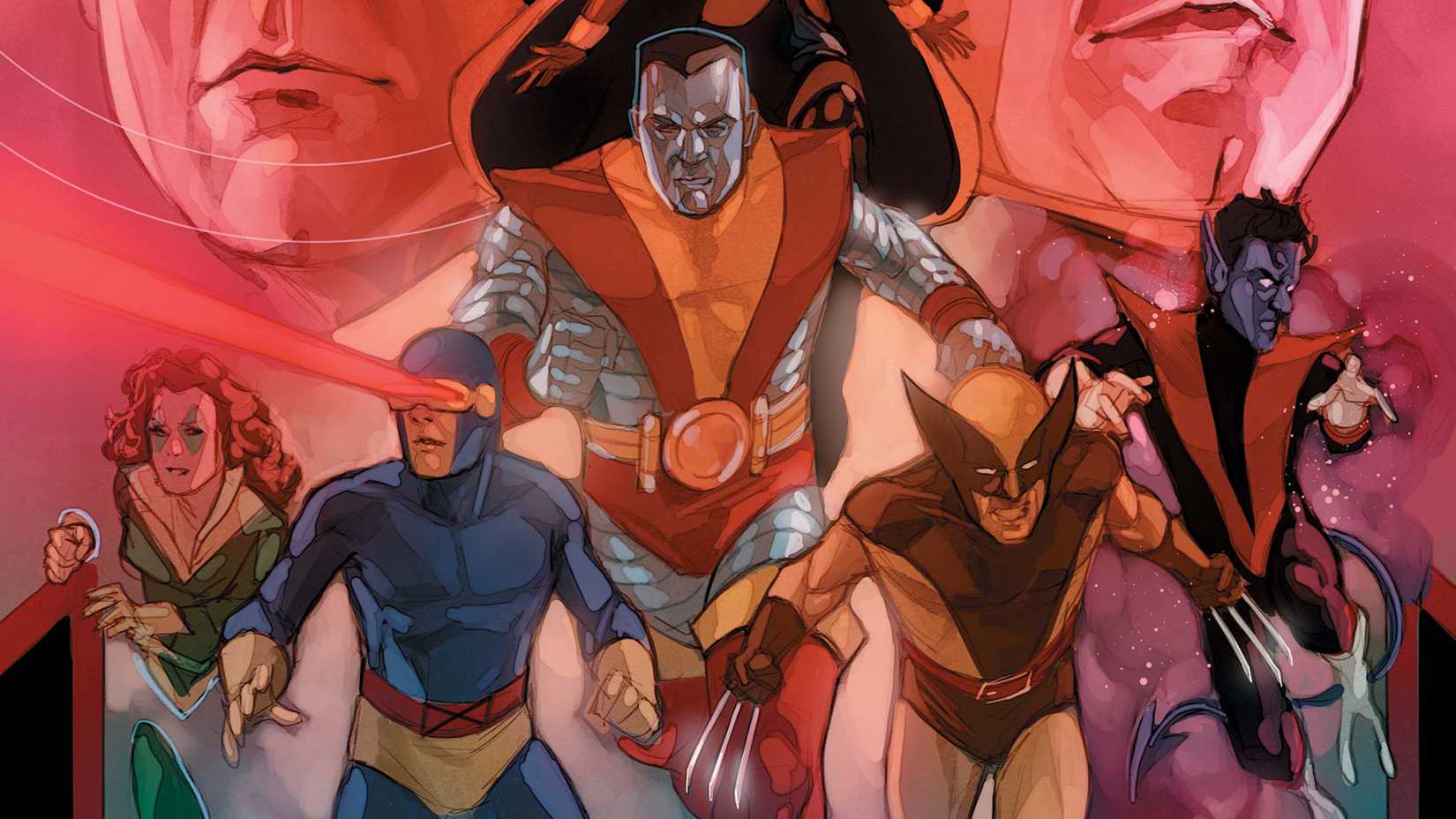
Image via Marvel Comics
There have been plenty of incredible X-Men stories over the years, and while every one of them utilizes social commentary and prescient political comparisons in some way or another, no story has ever had the impact of God Loves, Man Kills, the masterpiece graphic novel from, of course, Chris Claremont.
God Loves, Man Kills is a powerful, utterly soulful tale of mutantkind’s never-ending battle for acceptance, the radical and terrifying lengths that others will go to keep a group oppressed, and the nature of hatred and violence in society. It inspired the best X-Men live-action movie, and it remains the team’s finest story ever made.