
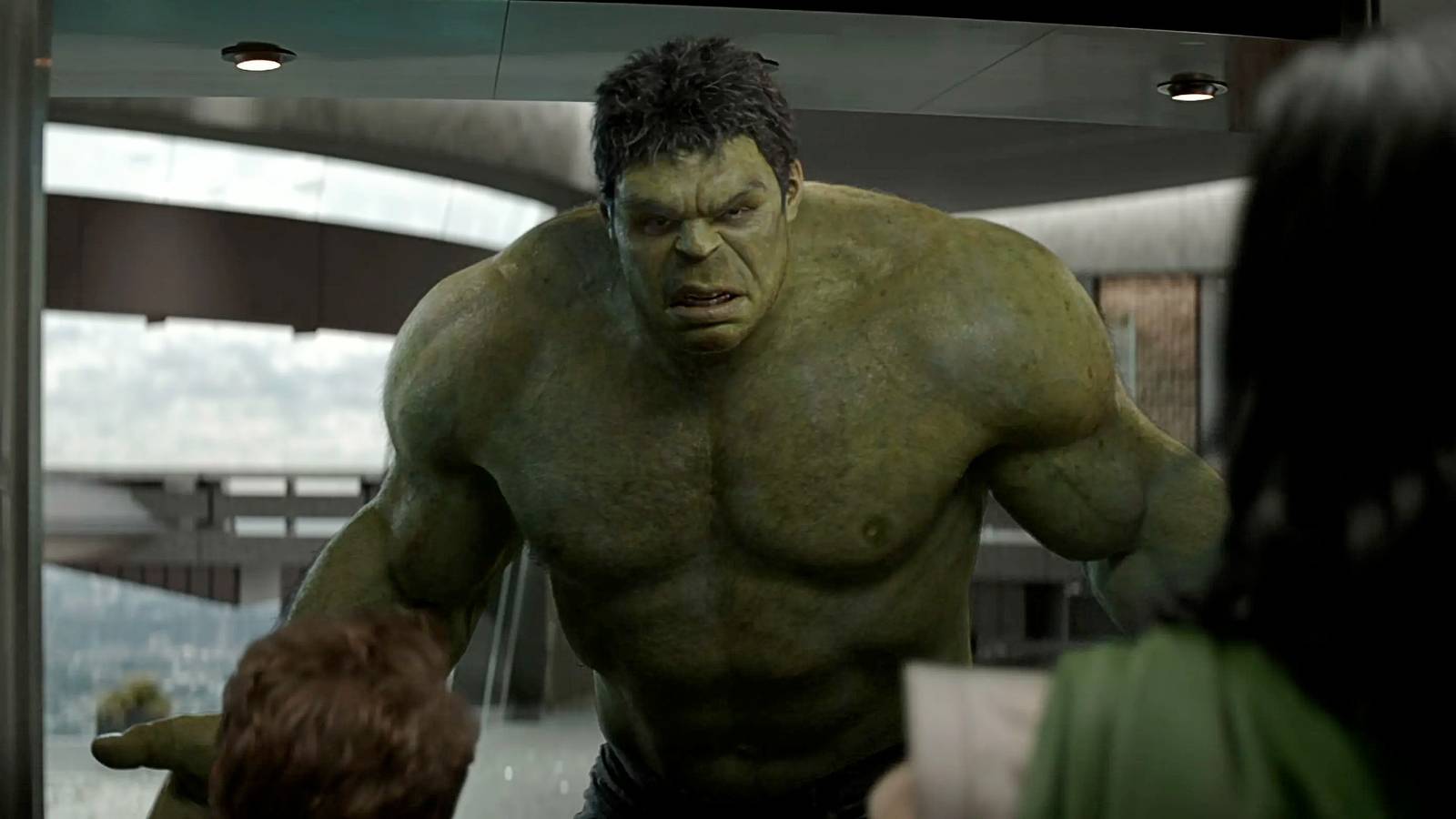
Hulk taking the stairs in Avengers: Endgame was one of the movie’s funniest jokes, but as the MCU has continued, it’s become one of the most consequential scenes in the MCU timeline. The MCU is held together by countless big decisions, sacrifices, and coincidences. Yet, what started as a simple gag in Endgame ended up reshaping the entire MCU timeline.
After the 2012 Avengers secure the Tesseract, Hulk tries to fit into the elevator with the team but is turned away. Forced to take the stairs, he storms downward in growing irritation. When he finally reaches the bottom, his pent-up frustration boils over as he smashes through the door.
Hulk accidentally knocks the time-traveling Tony Stark to the ground, and the Tesseract across the lobby. This single act of Hulk’s annoyed entrance causes the Avengers to lose the Tesseract. That one slip sets off a chain of events that defines the next decade of MCU storytelling.
Loki Escapes With The Tesseract
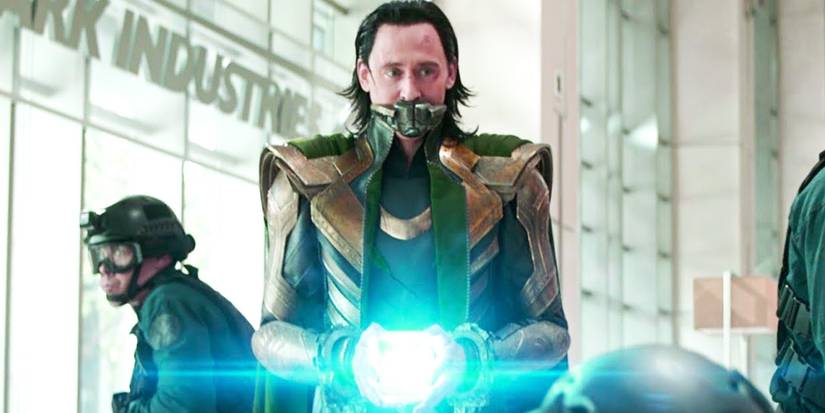
Loki holds the Tesseract in Avengers: Endgame
Loki’s escape with the Tesseract becomes one of the most pivotal divergences in the MCU timeline. Without Hulk knocking Tony over, Loki would have remained imprisoned after the Battle of New York. Instead, he takes advantage of the chaos and teleports away, creating a brand-new Loki Variant.
This alternate version becomes the foundation of an entire new character arc. The Loki in the original timeline eventually dies at Thanos’ hands, but the Variant created through Hulk’s stair-related outburst is spared that fate. This gives Marvel the opportunity to rebuild Loki from the ground up without discarding his past development.
Everything in the genre-defining superhero series Loki, from his work with Mobius to his emotional transformation into a hero, only exists because the Tesseract landed at his feet. Hulk unintentionally gave Loki a second life. This ultimately made his redemption story one of the most celebrated arcs in MCU television.
The Whole MCU Multiverse Saga
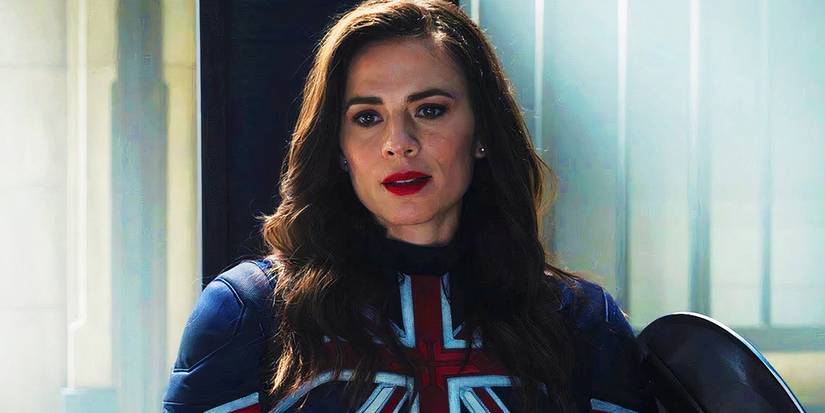
Captain Carter as part of the illuminati in Doctor Strange in the Multiverse of Madness
When Loki escapes with the Tesseract, he inadvertently creates a branching timeline, something that was supposed to be impossible within the Sacred Timeline. This event marks the beginning of the MCU Multiverse. Without Hulk’s mishap, the Avengers would have retrieved the Tesseract cleanly, preserving the timeline and delaying any Multiverse-related instability.
Because Loki disappears into an alternate reality, the TVA identifies the anomaly. This set the stage for its introduction into the MCU and the explanation of how timelines must be maintained. The entire Multiverse structure seen in Loki, Spider-Man: No Way Home, Doctor Strange in the Multiverse of Madness and Ant-Man and the Wasp: Quantumania stems from this break.
Had Hulk not smashed through the door in anger, the MCU would have needed a totally different, and likely far less elegant, way to open the Multiverse. Instead, one slapstick moment became the foundation of Phase 4 and Phase 5 storytelling. The whole second MCU saga was spawned by this fleeting scene.
He Who Remains Is Killed
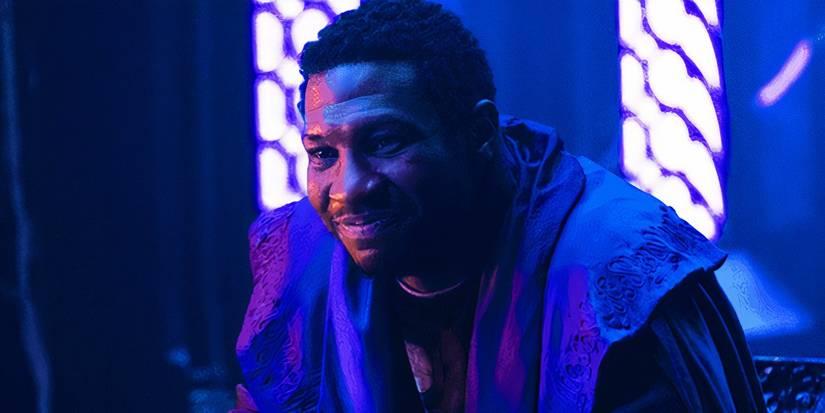
He Who Remains in his blue cloak in Loki
As seen in Loki, He Who Remains is the final guardian of the Sacred Timeline, ensuring that branching realities remain suppressed. His death triggers the Multiversal chaos that sweeps through the MCU. Yet, his fall is directly tied to Loki’s Variant escaping with the Tesseract – a chain reaction rooted in Hulk taking the stairs.
Because Loki becomes involved with the TVA, he meets Sylvie, uncovers the truth behind the organization, and ultimately participates in confronting He Who Remains. Their confrontation is a fixed point, as revealed within the series. The fact that He Who Remains expected this outcome proves Loki’s creation (and therefore Hulk’s stair fiasco) was always baked into the timeline’s structure.
When Sylvie kills He Who Remains, she unleashes infinite branching universes. It’s the defining moment of the Multiverse Saga. None of this would have happened if Hulk hadn’t barged through that doorway in a rage.
Spider-Man And Doctor Strange Cast Their Spell
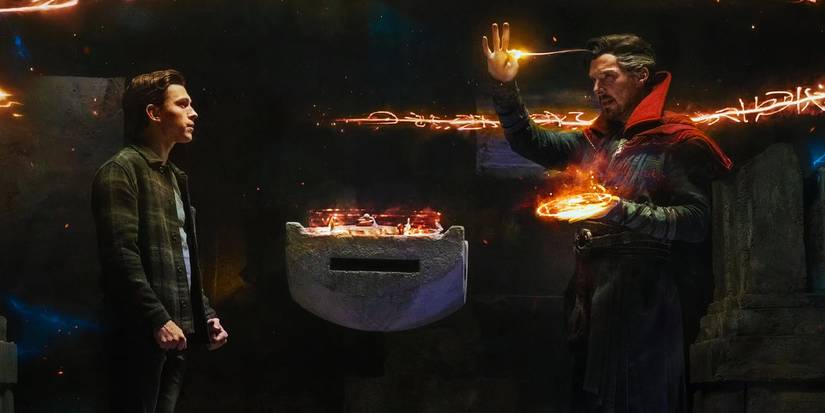
Spider-Man and Doctor Strange casting a spell in Spider-Man No Way Home
The catastrophic spell at the heart of Spider-Man: No Way Home only occurs because the TVA is no longer functional. Normally, any tampering with the timeline (or multiversal displacement) would be stopped immediately. However, because Loki and Sylvie brought down the TVA after Loki’s Variant was created, Spider-Man’s timeline-breaking dilemma goes unchecked.
Doctor Strange’s attempt to help the beloved Peter Parker by erasing the world’s memory of Spider-Man backfires dramatically. It pulls villains and alternate Spider-Men from across the Multiverse. Under normal Sacred Timeline rules, this kind of multiversal distortion could never have taken place.
However, because the TVA collapses following Sylvie’s actions (actions rooted in Hulk’s stair-related blunder), Strange and Peter’s spell reshapes the MCU. It leads to forgotten identities, new alliances, and the return of beloved legacy characters. All of it is possible only because the TVA is no longer there to prevent it.
The Scarlet Witch Dreamwalks And Kills The Illuminati
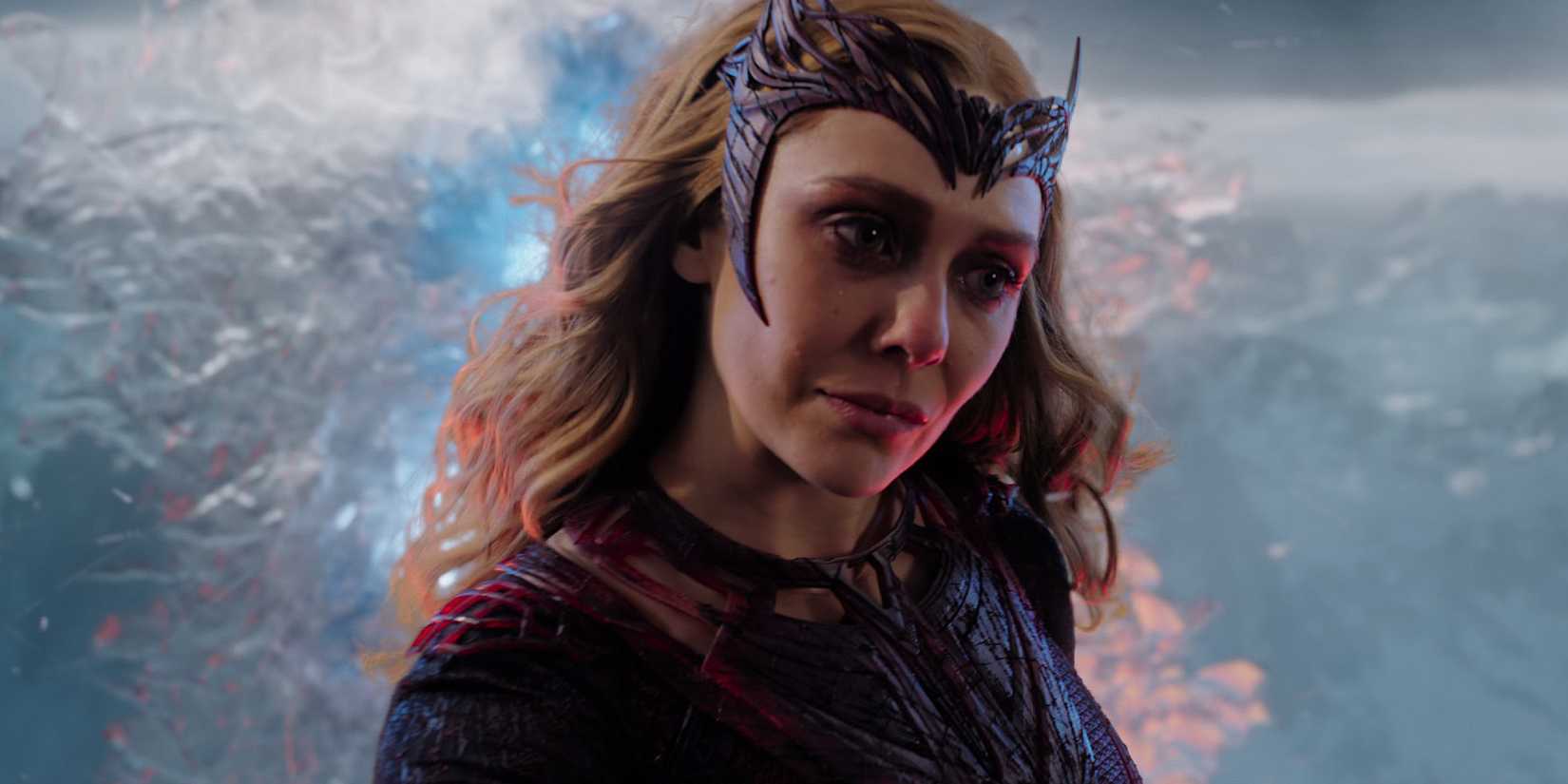
Elizabeth Olsen’s Scarlet Witch tilting her head in Doctor Strange in the Multiverse of Madness
In Doctor Strange in the Multiverse of Madness, Wanda’s ability to Dreamwalk and possess her alternate selves is a direct violation of Sacred Timeline rules. Under TVA oversight, this would have been stopped immediately. Yet since the Multiverse is now in chaos, Wanda is free to cross dimensions in pursuit of her children.
This leads to one of the film’s most shocking sequences. Wanda brutally dismantles Earth-838’s Illuminati. It’s a moment only possible in a post-TVA world, where branching universes can exist freely without instant pruning.
Because the TVA’s fall was triggered by Loki’s Variant and Sylvie’s rebellion (made possible due to Hulk’s stair detour), Wanda’s rampage becomes another ripple effect. Without Hulk, this version of the Illuminati might never have existed. They certainly wouldn’t have met such a sudden end.
Tony Stark Reconciles With His Father
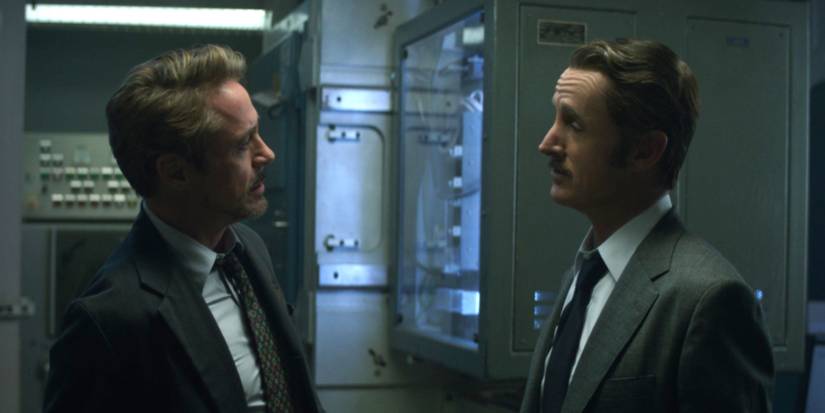
Robert Downey Jr. as Tony Stark and John Slattery as Howard Stark in Avengers: Endgame (2019)
After losing the Tesseract, the Avengers are forced to improvise. Tony and Steve travel further back in time to the 1970s to retrieve both the Tesseract and additional Pym Particles. This detour results in Tony encountering his father, Howard Stark, in one of the most emotionally significant interactions in the MCU.
The two share a heartfelt conversation that gives Tony the closure he never received in his original timeline. This moment profoundly affects Tony, helping him come to terms with his father’s flaws and virtues. It’s a major turning point that influences his decisions leading into the final battle.
None of this would have happened if Hulk hadn’t knocked the Tesseract away in 2012. In a strange twist, Hulk’s shocking frustration provides Tony with a moment of healing that redefines the arc he has been building since Iron Man. This gave his character the perfect emotional reconciliation before his dramatic death at the movie’s climax.
Captain America Retires In The Past
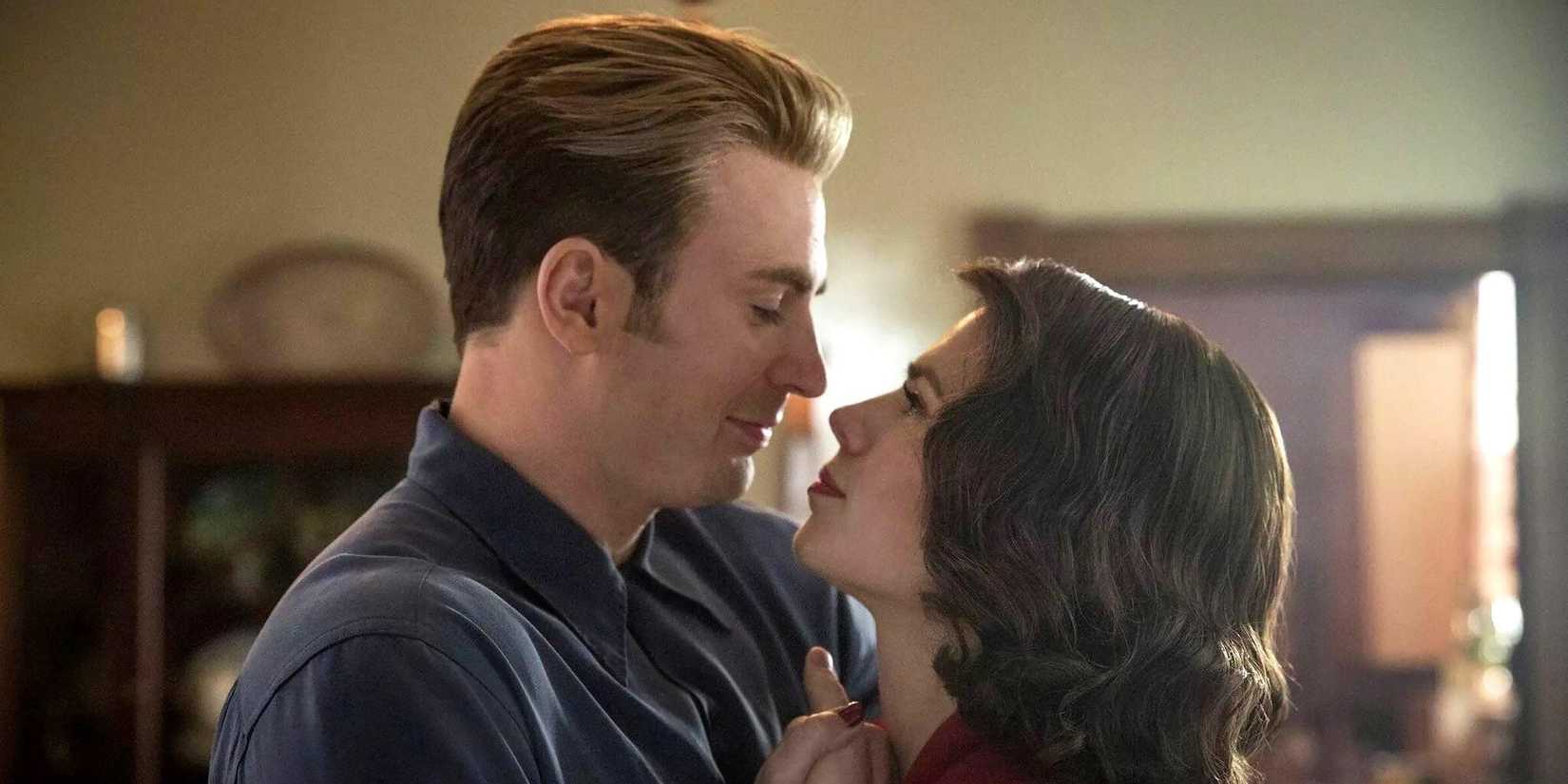
Chris Evans as Steve Rogers And Hayley Atwell As Peggy Carter Dancing In Avengers Endgame
When Tony and Steve travel to 1970 to retrieve the Tesseract in Endgame, Steve uses the opportunity to secure extra Pym Particles. These particles eventually allow him to return to the 1940s after the final battle and finally reunite with Peggy Carter. Had the initial mission gone smoothly, Steve never would have taken this second trip and therefore never had access to the extra Pym Particles he needed.
The ripple effect of Hulk’s stair incident becomes the emotional core of Captain America’s ending. It enables him to choose a peaceful life – something he had been denied for decades. Like Tony Stark, the unexpected consequences set up the perfect ending for his character, finally living the life he’d lost all those decades before.
Hulk’s angry door-smash indirectly gives Steve Rogers the chance to retire. He can live a full life with Peggy, and pass the shield to Sam Wilson. It’s one of the most heartfelt MCU conclusions, all made possible by one irritated Avenger.
Loki Becomes The God Of Stories
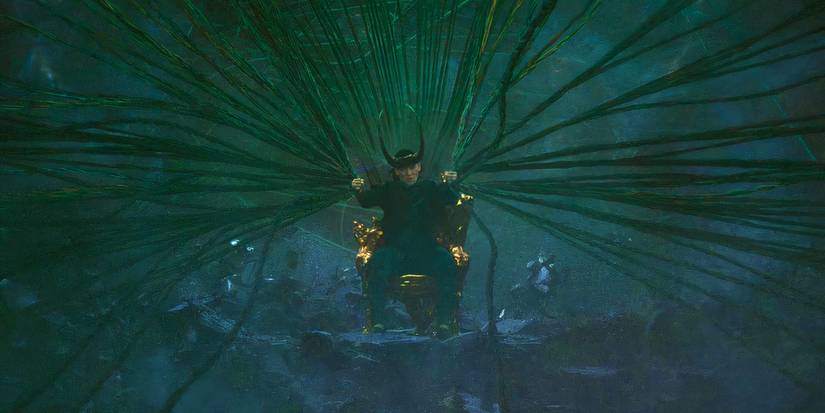
Loki sat on his throne in Loki season 2
Loki’s transformation into the God of Stories is one of the most powerful arcs in MCU television. This version of Loki transcends trickery and selfishness, ultimately taking responsibility for holding the entire Multiverse together. His sacrifice and evolution become the emotional backbone of the Multiverse Saga.
None of it would have happened if he hadn’t escaped in 2012. His Variant status allows him to break free of predestined events, find Mobius, grow beyond his former self, and ultimately seize control of the Loom. Hulk’s stair-related rage indirectly creates the circumstances that give Loki his grand destiny.
Now sitting on a throne of timelines, Loki shapes the MCU’s future. His arc will likely play a major role again, especially in Avengers: Doomsday. Yet it all began with Hulk’s rage after taking the stairs in Avengers: Endgame.
Release Date
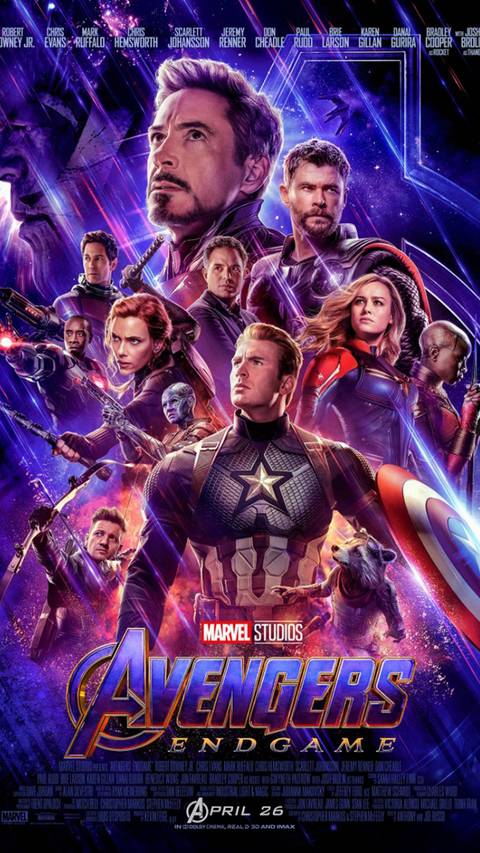
April 26, 2019
Runtime
181 Minutes