
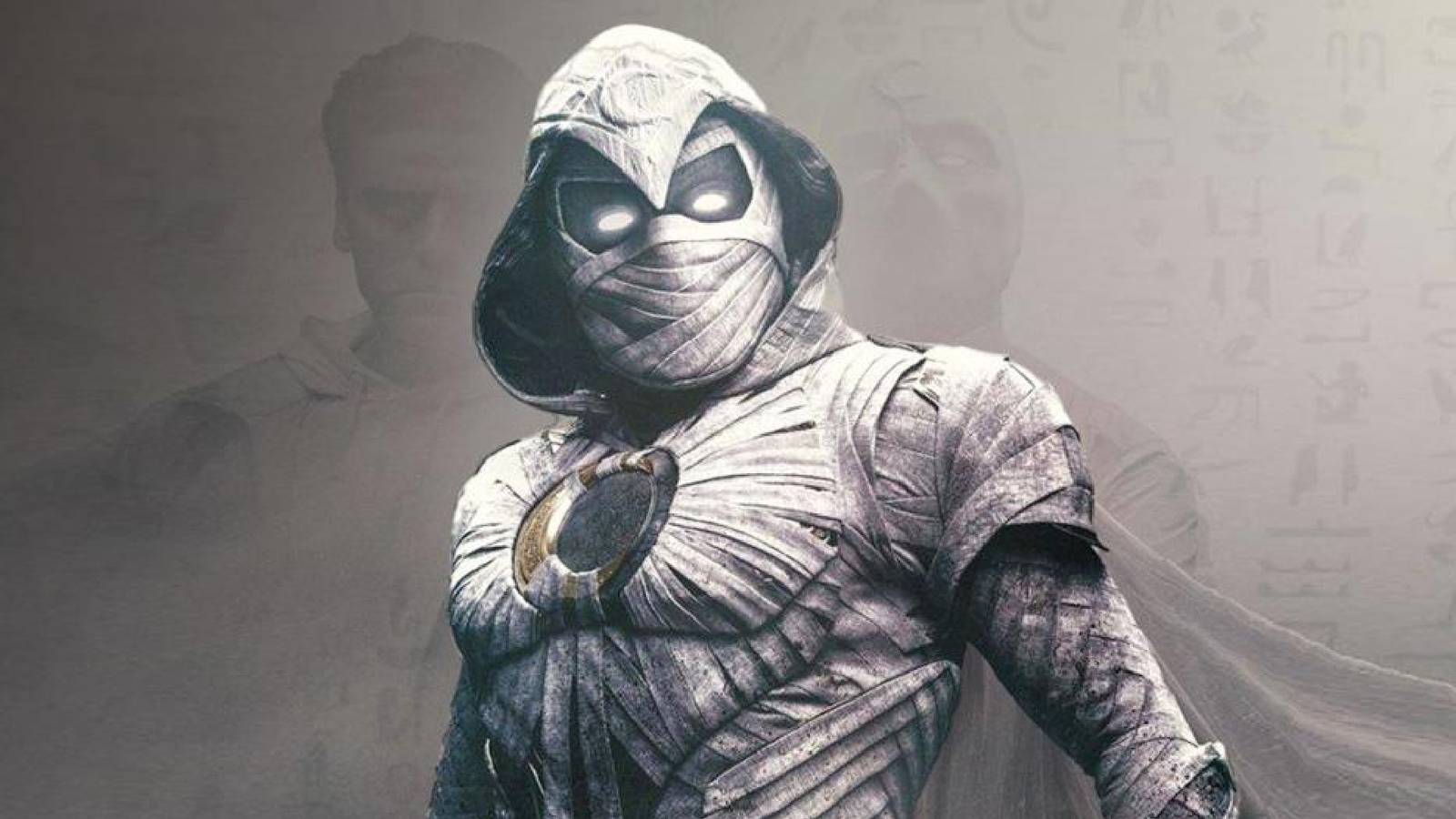
Moon Knight is one of the fastest-rising stars of the Marvel Universe. While he has never been an A-tier character on the same level as Spider-Man or Wolverine, Khonshu’s “Fist of Vengeance” has been quietly racking up excellent stories for fifty years. Now, new fans are finally beginning to discover one of Marvel’s most underrated characters, thanks to his Disney+ miniseries and his recent comic endeavors.
First appearing all the way back in 1975’s Werewolf by Night #32, Moon Knight has a long and rich history in comics that can be overwhelming to brand-new fans of the character. Thankfully, there are several distinct starting points where first-time readers can jump aboard if they want to be swept away on Marc Spector’s epic and engaging adventures.
Related
10 Best Avengers Starting Points For First-Time Marvel Fans
Discover the best starting points to dive into the Avengers franchise, from classic Marvel comics to MCU blockbuster movies and animated series.
Completionists Start With Moon Knight’s First Appearance in Werewolf by Night
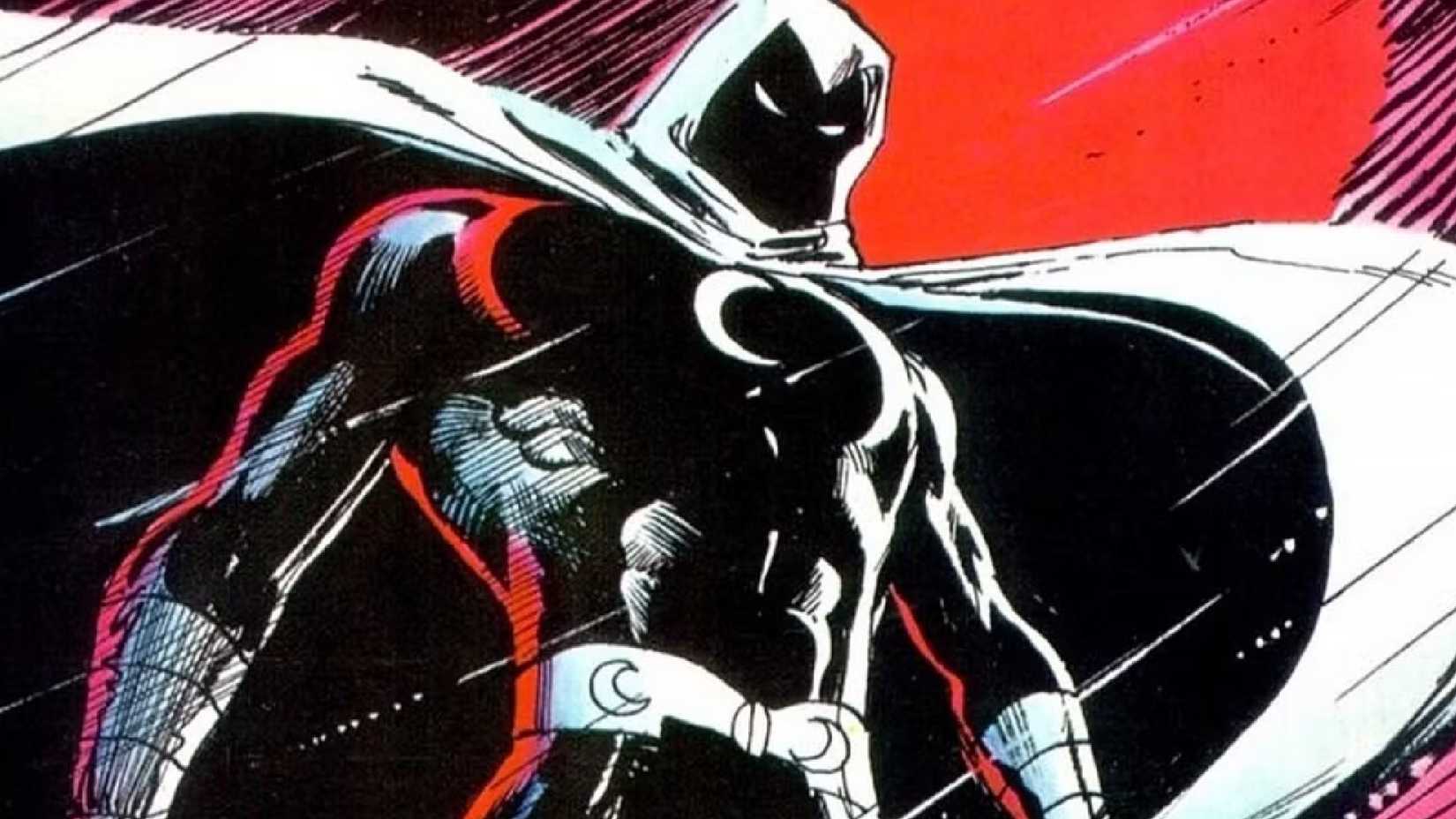
Moon Knight stands ominously in Marvel ComicsImage via Marvel Comics
Moon Knight super-fans-in-the-making have only one clear starting point for catching up on the “Fist of Vengeance” and his adventures throughout Marvel Comics. Moon Knight makes his debut in 1975’s Werewolf by Night #32 by Doug Moench and Don Perlin. Therein, the superhero-to-be is introduced as an antagonist mercenary hired to take down Jack Russell.
Although Moon Knight was originally intended to be a recurring villain, the character proved incredibly popular after his two-part storyline in Werewolf by Night #32-33. He made sporadic appearances in other comics before receiving his own title. Some of the best include Marvel Spotlight #28-29, which reframes Moon Knight as a hero, and Spectacular Spider-Man #22-23. He even briefly joins the Defenders for a fun storyline where he helps the superhero team take down the villainous Zodiac Cartel (found in Defenders #47-51). These early storylines are a lot of fun for new fans looking to see the gradual evolution of the character, but aren’t strictly necessary for readers who want to jump into Moon Knight’s better-known storyline.
Moon Knight’s First Solo Series Is an Underrated Masterpiece
The unequivocal best place to start for new Moon Knight fans is the character’s very first solo series. Beginning with Moon Knight #1, writer Doug Moench and artist Bill Sienkiewicz craft the superhero that the world knows and loves today. This series fleshes out Marc Spector’s backstory (including his resurrection by the moon god Khonshu), introduces a lovable cast of supporting characters, and includes the first appearances of iconic villains like Bushmaster, Midnight Man, and Black Spectre.
Moon Knight ran for 38 issues, beginning in 1980 and ending in 1984. While the title’s time was unfortunately cut short, it includes some of Moon Knight’s best early stories and lays the foundation for everything that will come next. Volume 1 also introduces Marc Spector’s alternate identities, Steven Grant and Jake Lockley (though these are not portrayed as legitimate alternate personalities until later stories). Moon Knight is followed by a second volume, sometimes known as Moon Knight: Fist of Khonshu. However, this 6-issue miniseries is largely unnecessary and is only notable for marking the first and only appearance of the villain Arthur Harrow, who would later appear in the Disney+ series.
Marc Spector: Moon Knight Expands the Mythos of the Character
Several years after the death of his first ongoing comic, Moon Knight returns with a new creative team in Marc Spector: Moon Knight #1. In this series, new writer Chuck Dixon takes the opportunity to flesh out more of Moon Knight’s mythos by featuring new elements to his backstory and new characters to his supporting cast. The series, while not as well-received as the original Moon Knight, eventually finds its footing after a few issues and surprisingly delivers some all-time great Marc Spector content.
Although Marc Spector: Moon Knight includes 60 issues, readers don’t have to read all of the title. Dixon’s departure in issue #24 is a good endpoint before things go completely off the rails. Incoming writer Terry Kavanagh makes several unnecessary changes to the character during his run for the rest of the title that were unpopular at the time and are mostly forgotten today. Fans looking for the essential storyline can jump from issue #24 to Amazing Spider-Man #353-358, which wraps up an important arc, and then straight to Marc Spector: Moon Knight #60 to prepare themselves for the next era of Moon Knight’s comic book history.
Related
10 Best X-Men Starting Points For First-Time Marvel Fans
The X-Men have a storied history across comic books and other mediums. If you’re a new Marvel fan, here’s where you should dive in first.
Moon Knight Returns to Form With Its Third Volume
After a controversial run under Terry Kavanagh that ended with the character’s death, Moon Knight returns to form with the hero’s original writer. Doug Moench returns for Moon Knight’s third volume, which runs for four issues in the late ’90s. In a storyline known as “Resurrection Wars,” Khonshu resurrects Marc Spector for the second time to become his “Fist of Vengeance” once again.
Moench’s return does wonders for Moon Knight, whose characterization under different writers is rarely consistent. “Resurrection Wars” also delves deeper into the relationship between Marc Spector and Khonshu; this dynamic is crucial, as it becomes a focal point of later series. Despite a limited run, the third volume of Moon Knight is a must-read for anyone who enjoyed the character’s original adventures in the 1980s.
High Strangeness Is a Great Miniseries For New Moon Knight Fans
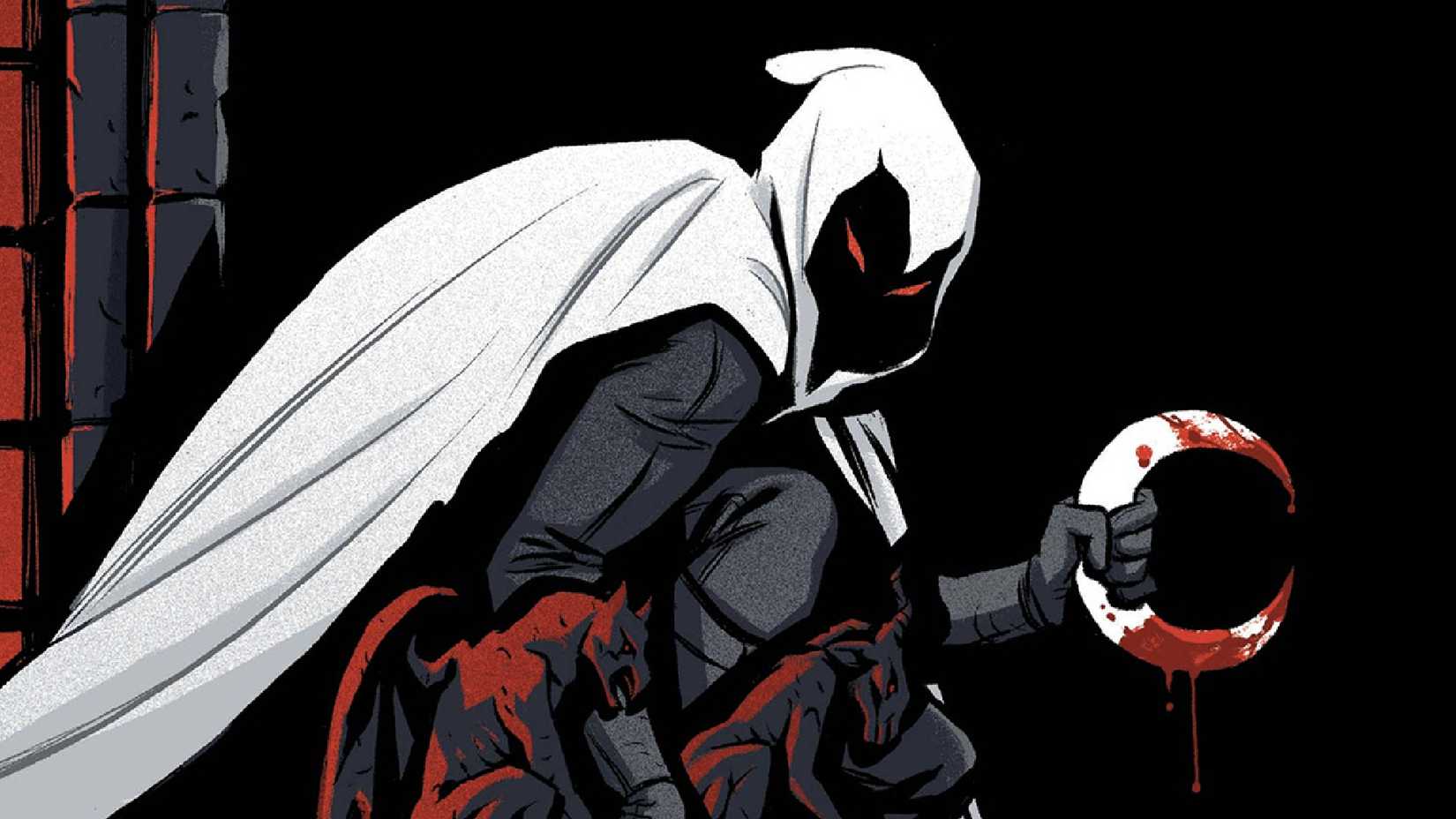
Moon Knight holds a bloody crescent dagger in Marvel ComicsImage via Marvel Comics
After the success of his previous volume, Doug Moench returns once again for another four-issue miniseries that comprises Moon Knight’s fourth volume. Titled “High Strangeness,” this volume is one of Moon Knight’s best stories of the ’90s, following the hero as he investigates a supernatural mystery. Along the way, he gradually reclaims his old life as Marc Spector after leaving it behind to be the Fist of Khonshu.
“High Strangeness” (sometimes incorrectly known as “High Strangers”) is the final Moon Knight volume helmed by the great Doug Moench. From this point onward, Moon Knight’s characterization changes drastically. While many comic book readers prefer the later iterations of the superhero, hardcore Moon Knight enthusiasts have no excuse not to read every issue penned by Moench, whose iconic version of the character has never been replicated since.
Moon Knight (Volume 5) Is a Soft Relaunch of the Character
Everything changes for Moon Knight in the 2000s, as Marvel Comics takes a new, darker approach to the character that will define him forever. The fifth volume of Moon Knight reframes Marc Spector as a hardened, brooding character, drawing comparisons to Batman. Having pushed away many of his friends and allies from previous storylines, Moon Knight goes all-in to fight crime, even if it means losing himself in the process.
The first issue of Volume 5 is one of the single-best Moon Knight comics ever written, as Charlie Huston introduces this new, darker version of the beloved character. It is in this issue that Moon Knight’s iconic “I want them to see me coming” line is first uttered. Unfortunately, the rest of the volume never quite lives up to its first issue. Still, this series is an important transitional tale that ushers in a new era of Moon Knight. Volume 5 is followed by the ten-issue series Vengeance of the Moon Knight, which introduces a more balanced version of the hero despite his new, darker characterization.

Related
10 Best Spider-Man Starting Points For First-Time Marvel Fans
Unravel the web of Spider-Man’s origins and find the perfect starting point for your Spidey journey.
Brian Michael Bendis Takes a Stab at Moon Knight With a Fun Twist
Brian Michael Bendis introduces a different take on Moon Knight in his run that was controversial at the time but proved to define the character for many years to come. After previous volumes hinted at Marc Spector’s mental illness, Moon Knight (Volume 6) leans into the idea heavily. In this volume, Moon Knight generates three additional alter-egos modeled after other Marvel superheroes. He begins to adopt the characteristics and fighting styles of Spider-Man, Wolverine, and Captain America as his dissociative personality issues grow more prominent.
Volume 6 of Moon Knight only includes 12 issues, beginning in 2011 and concluding a year later. Although the Spider-Man, Wolverine, and Captain America “alters” do not return in later volumes, the idea of Marc Spector’s identity struggles is a major recurring theme from this point onward. As a result, Bendis’s run is much more important to Moon Knight’s history in hindsight than it seemed to Marvel Comics readers at the time.
Mr. Knight Fans Will Want to Check Out Moon Knight (Volume 7)
After the conclusion of Bendis’s run, Moon Knight putters around the Marvel Universe for several years before finally returning to his solo adventures. Moon Knight (Volume 7) #1 kicks off in 2014 as part of the “Marvel NOW!” initiative, introducing more stylized representations of the hero’s adventures. Warren Ellis helms the first several issues of the series, which include some of the best Moon Knight content in years.
Volume 7 is important for Moon Knight fans who enjoy the “Mr. Knight” identity. Mr. Knight, a calmer and more well-dressed alternative to Moon Knight, is introduced several years earlier during the hero’s time with the Secret Avengers (found in Secret Avengers #1-13). Mr. Knight takes a new prominent role in this series as a new “alter” for Marc Spector. This volume also recategorizes Marc Spector’s identity struggles as a result of brain damage caused by Khonshu.
Related
10 Major Characters the MCU Introduced (and Immediately Forgot About)
The Marvel Cinematic Universe can’t always keep track of its ensemble cast, including these characters who were introduced only to disappear entirely.
Fans of the MCU’s Moon Knight Will Love Jeff Lemire’s Run
In what is probably the best Moon Knight content since Doug Moench, Jeff Lemire took over the character’s stories in 2016. Moon Knight (Volume 8) focuses heavily on Marc Spector’s dissociative identity disorder, undoing the retcons of the previous volume and revealing that he had always suffered from these issues. The volume depicts Spector incapacitated in a mental institution as he tries to work through his identity crisis, with the “alters” Steven Grant and Jake Lockley also vying for control of his mind.
Volume 8 is the primary inspiration for the MCU’s Moon Knight Disney+ series, which also heavily focuses on Marc Spector’s struggle with alternate identities. This volume begins with issue #1 in 2016, but eventually reverts to the “legacy numbering” with issue #15, which is relabeled #188. The series continues until Lemire’s departure with issue #200.
Moon Knight (Volume 9) Builds to a Deadly Crescendo
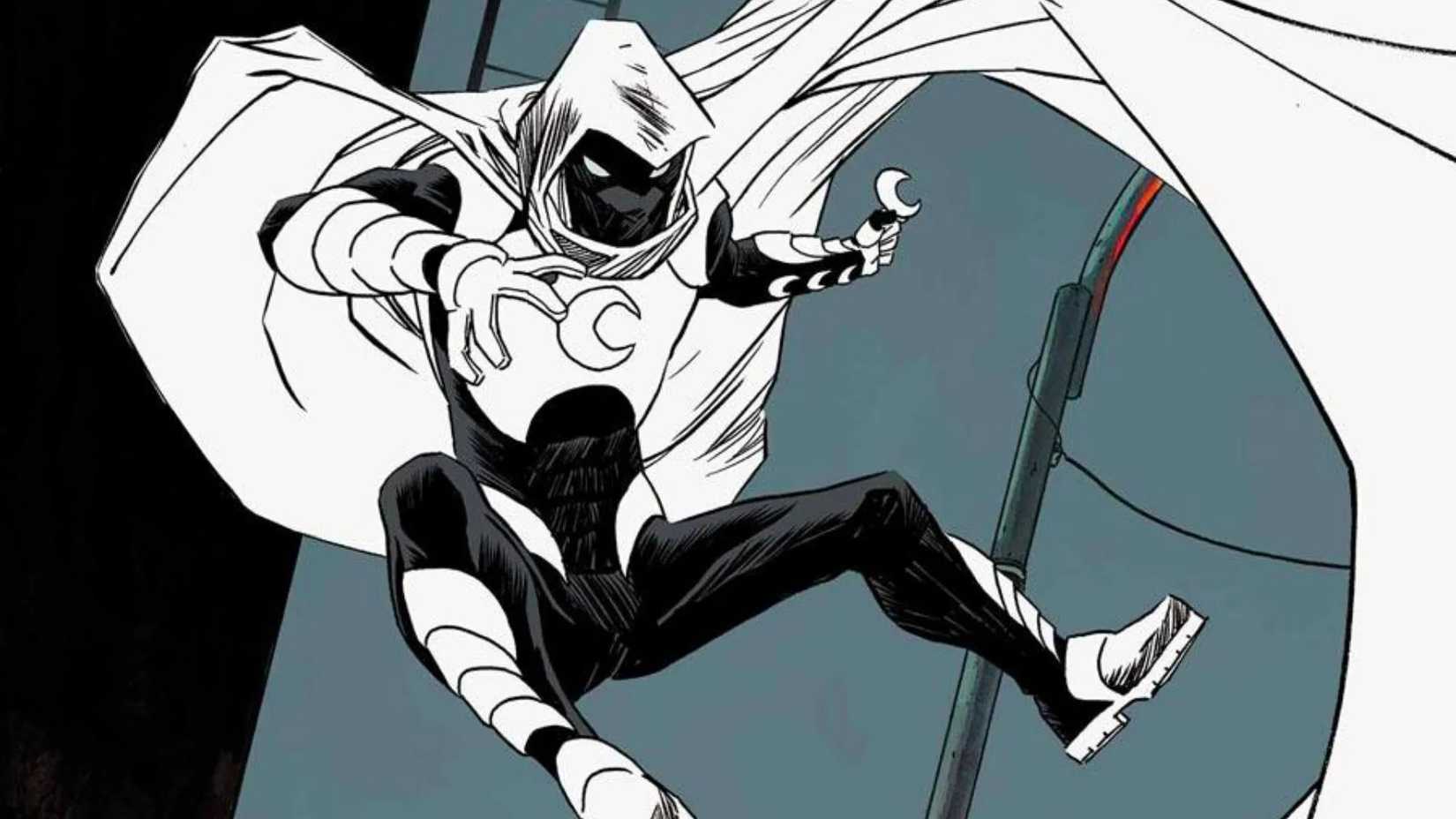
Moon Knight leaps into action in Marvel ComicsImage via Marvel Comics
Moon Knight finally gets his own series again in 2021, with Jed MacKay taking over writing duties. Moon Knight (Volume 9) #1 kicks off yet another new era for Marc Spector as he takes over priestly duties for the worship of Khonshu. This volume delves into the spiritualism behind Moon Knight’s character, particularly in his relationship with Khonshu.
Moon Knight’s ninth volume includes 30 issues, running from 2021 until 2023 and culminating in the hero’s death. Since then, the character has been resurrected in Vengeance of the Moon Knight (Volume 2), and continues to go on high-flung adventures in the Marvel Universe.