
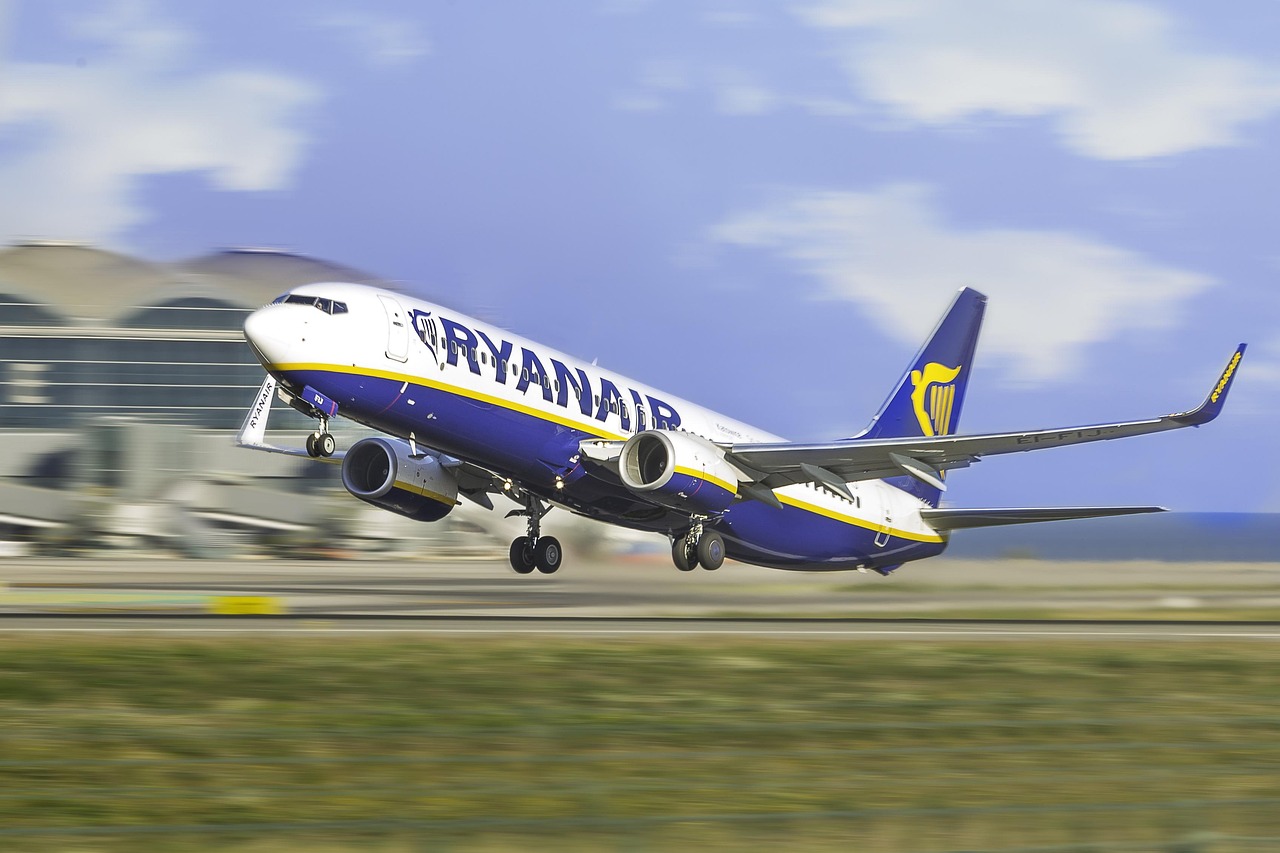

Route Suspension and Full Network Removal
Recent reports confirm that Ryanair has removed Tel Aviv entirely from its booking system following the airline’s cancellation of its 2025–26 winter schedule. What began as temporary suspensions has now evolved into a complete elimination of Israel from its route map, a significant step that reflects a deeper strategic shift rather than a short-term adjustment.
According to multiple news sources covering this development, the carrier no longer lists any Israel destinations on its website, indicating the termination of future operations. This decision follows several operational disruptions in recent months and broader challenges tied to flying in and out of the region.
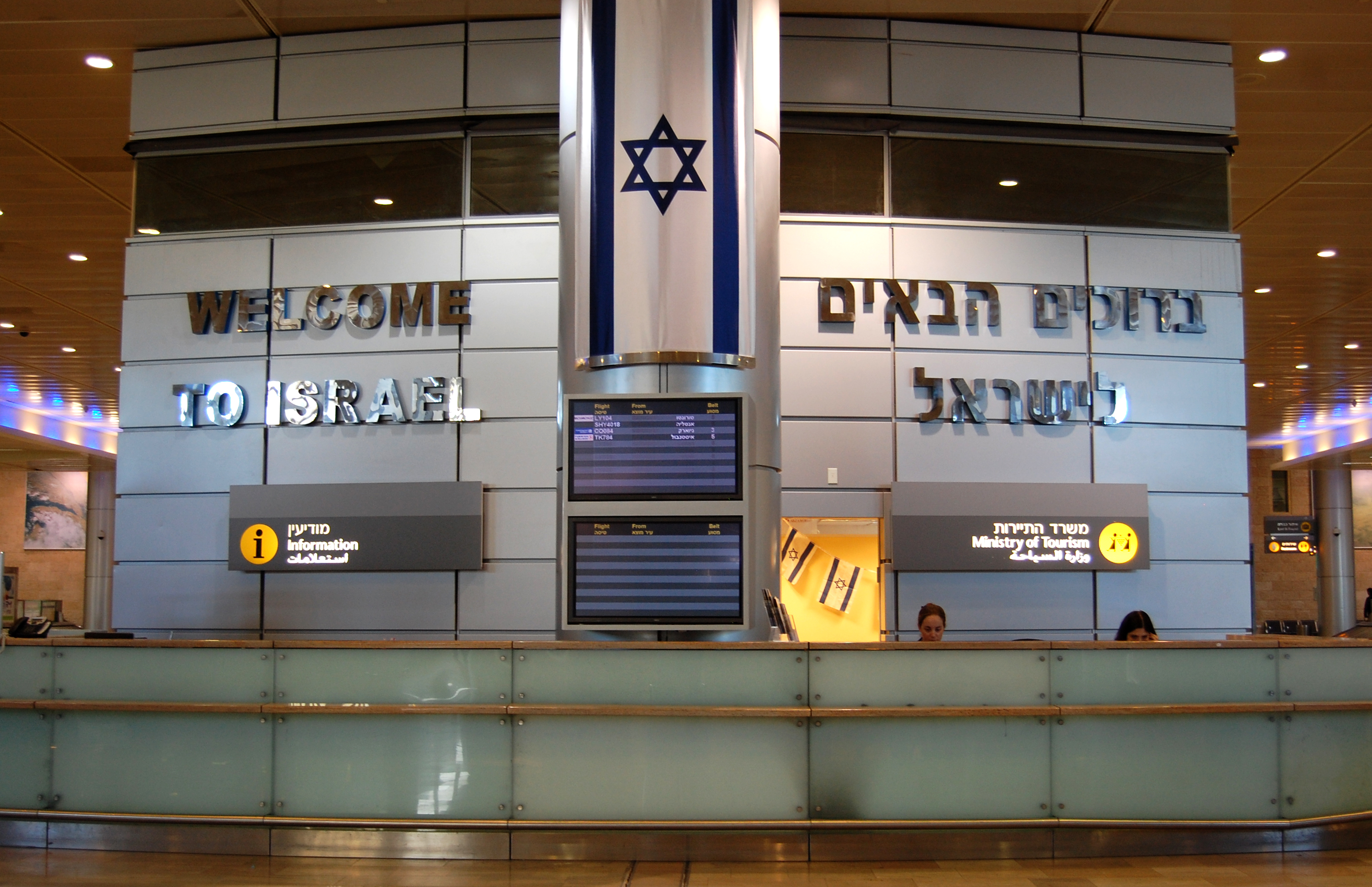 Image via Lappin Foundation
Core Causes Behind the Withdrawal
Several key factors led to the airline’s decision to disengage from the Israeli market:
Security and Safety Risks: Ongoing regional tensions and unpredictable security concerns have directly disrupted flight schedules. A notable missile incident earlier in 2025 near Ben Gurion Airport resulted in temporary airport shutdowns and multiple passenger flight cancellations, prompting airlines, including Ryanair, to reassess safety operational risk.
Terminal and Cost Disputes at Ben Gurion Airport Ryanair has long complained about being assigned to the more expensive Terminal 3 rather than Terminal 1, which is optimized for low-cost carriers. These increased operational costs undermine Ryanair’s ultra-low-cost model, which is heavily dependent on high-frequency service, reduced turnaround times, and minimal airport expenses.
Slot Allocation Issues Reports detail that Ryanair was unable to secure sufficient landing and takeoff slots for the upcoming winter season. While airport authorities deny the claims and insist that appropriate slots and access were offered, Ryanair leadership publicly stated its dissatisfaction, citing unreliable planning conditions that affected its operational confidence.

Industry and Competitive Landscape
With Ryanair withdrawing nearly one million annual passenger seats from the market, there will be a noticeable decline in low-cost travel options between Israel and Europe. Competitor airlines, particularly other budget carriers such as Wizz Air, are expected to fill some of the gap, though none match Ryanair’s scale across multiple European regions.
Traditional carriers may benefit from reduced price competition, but passengers will likely see higher average fares and fewer flight frequency options from secondary European destinations previously served directly by Ryanair.
Likelihood of a Future Return
All signs indicate that Ryanair is unlikely to return to Israel in the foreseeable future. Contributing elements include:
Full removal of Tel Aviv and its associated flight schedules rather than a paused route status.
Public statements from Ryanair leadership suggesting frustration with local airport processes and a lack of cooperation.
Continued instability affecting carrier scheduling and risk assessments.
Strategic fleet deployment now targeting alternative growth markets seen as more secure and commercially reliable.
Although not formally declared a permanent closure, Ryanair’s removal of Israel from its system positions this change as long-term. Only a significant restructuring of airport policy, cost frameworks, and long-term slot planning could prompt reconsideration. Even then, Ryanair would need to believe that operational risk and competition environment align with its low-cost principles before reinvesting resources.
Impact on Travelers and the Tourism Sector
For travelers, this change removes one of the key ultra-low-cost options connecting Israel to Europe. Israeli travelers seeking budget flights may need to rely on alternative carriers or indirect routes. European inbound tourism could also be impacted, particularly from cities previously served directly by Ryanair.
Tourism operators and travel agencies may need to adjust itineraries to accommodate limited low-cost connections, especially for travelers from smaller European markets. The absence of Ryanair may also affect price sensitivity, making spontaneous weekend and short-break travel less accessible.
Potential Anti-Israel Bias
While no evidence has emerged confirming discriminatory intent, some observers have raised the question of whether political sentiment or anti-Israel bias may have played a subtle role in Ryanair’s decision to fully remove its Tel Aviv listings rather than simply suspending service. This suggestion stems from the unusually decisive nature of the withdrawal, coupled with strained relations between the airline and Israeli authorities, as well as continued anti-Israel pressure from Irish government officials and throughout Irish society.
However, to date, there is no verified indication that antisemitism or anti-Israel discrimination directly influenced the move, and all available statements and reported details point toward commercial, operational, and security-driven motivations. Such theories remain speculative, but their emergence underscores the sensitivity surrounding major brands distancing themselves from the Israeli market during ongoing geopolitical tensions.
Conclusion
Ryanair’s exit from Israel represents a significant shift in European travel accessibility for Israeli passengers and visitors, effectively removing one of the most aggressive ultra-low-cost competitors from the market. While security uncertainties, terminal allocation disputes, and unresolved operational disagreements appear to be the defining causes, the broader implications extend beyond airfare and scheduling.
The airline’s definitive removal of Tel Aviv from its route network, combined with leadership statements suggesting a lack of intent to return, indicates that this decision should be viewed as long-term, not tactical. Although some have speculated whether political sentiment or anti-Israel bias may have subtly influenced the hardline approach, no evidence currently supports that claim. Unless structural changes are made to address the core issues impacting Ryanair’s cost and risk model, the likelihood of the carrier reentering the Israeli market remains minimal. Travelers and industry observers should plan accordingly, assuming a prolonged absence and anticipating continued reliance on alternative airlines to fill the gap left behind.