
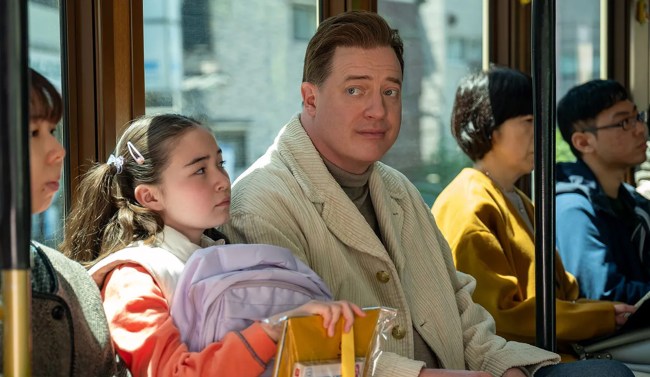
At the recent Governors Awards, Brendan Fraser was grinning from ear to ear, genuinely happy to be back in the room, marveling at the stars milling around. He gushed to Gold Derby over his conversation with Ariana Grande, who told him she’d support his film Rental Family by going to see it opening weekend, since both their films were opening opposite each other. Not quite Barbenheimer, he laughed — “Rental: For Good? Wicked Family?” he joked good-naturedly.
It’s that generous spirit that made him the ideal leading man for Rental Family, his follow-up role to his Oscar-winning performance in The Whale. Director Hikari told Gold Derby she couldn’t imagine anyone else playing Phillip Vandarploeug, the struggling American actor living in Japan — “the token white guy” who finds himself taking on stand-in roles in people’s lives.


Here, the ever-humble Fraser — who drops “jeepers” and “gee willikers” into his conversation non-ironically — tells Gold Derby why the film’s message resonated so much for him, and why he hopes it does for others as well.
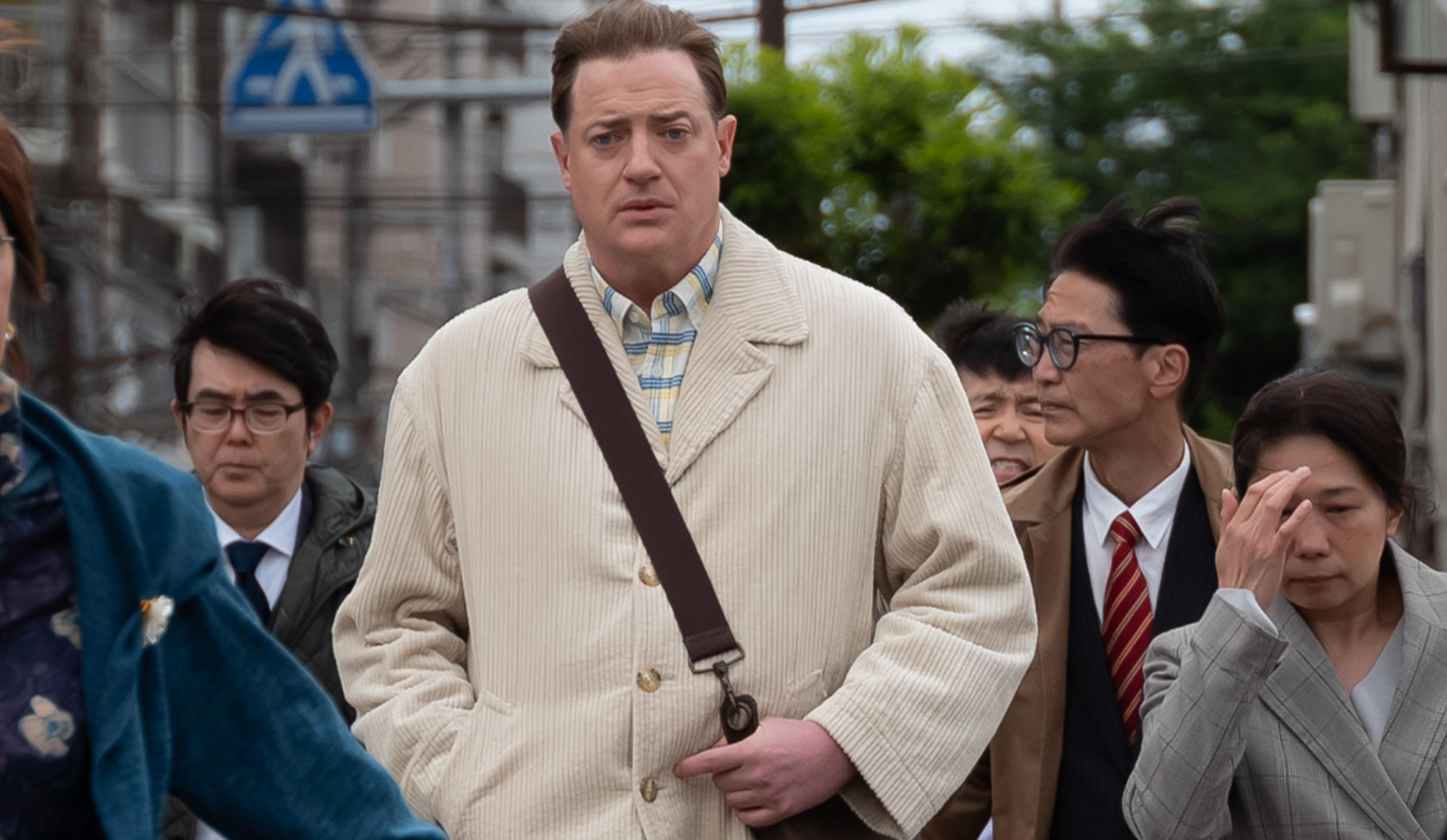 Brendan Fraser in ‘Rental Family’James Lisle/Searchlight Pictures
Gold Derby: I would imagine there was a lot of pressure to pick your first role post-Oscars.
Brendan Fraser: From whom? Maybe just myself. Other than that, I didn’t feel any. I wanted it to be something sort of a quarterback sneak, something out of the ordinary. With a title like Rental Family, at first blush, you might think it’s a studio-generated comedy from the 1990s or a sitcom. A rental family has been a business model in Tokyo for the last — jeepers — 40 years or so. There’s some 300 agencies that operate today — probably more now that the film’s come around — which cater to clients who have a paucity of connection. And they hire people, actors, performers, individuals who may just look the part — just to sit with them for one or two hours a day, have a simple activity, go bowling, see a movie, have a meal. Because there’s an epidemic of loneliness in Tokyo. It’s possible to have solitude there to an extent where it’s detrimental. People have been living their lives in a virtual way, flipping through pieces of glass in the palm of their hand for a new generation. And it’s put a dent in the way that we connect with one another. So it’s valuable to people who feel lonely because of the need to have that connection, to be told that you matter, to be told that I see you when you look someone in the eyes.
 Brendan FraserJames Lisle/Searchlight Pictures
It does seem like it’s a bit of a lark, but it works somehow to fill the void. We find ourselves in this very modern world when we’ve lost connection with one another, and how do we unite one another from all this division we live with now in a way that’s meaningful, that’s not mawkish, that’s not sentimental, that has actual value to it. That’s where the film lives, with all of its ethical and moral dilemmas and sharp edges — not necessarily all filed away to be smoother, but presented to us when we wonder what happens when the surrogacy, the make-believe, the pretend actually gets real when they actually do get feelings for one another, whether they meant to or not. So we have a single mother with a daughter who she wants to be accepted into a prestigious school who wants her daughter to believe that her father is now back in her life, so she can keep up appearances for the entrance interview. She believes it will help improve this girl’s quality of life, albeit you are telling a lie to a child and we need to examine the ramifications of that.
How does Phillip fit into this world that you’re describing?
He’s an expat American living in Tokyo. He’s been there for about seven or eight years. He hit pay dirt when he arrived, when he landed the gig as mascot for a toothpaste company in a commercial. He got internet famous for that, and he can still walk the streets unrecognized. But when he is, he’s pigeonholed for that and that alone. He’s not down on his luck, but he is certainly lonely himself. And whether he acknowledges that or not on the outside, he does become aware of it when he feels less lonely because he has this newfound family that he is surprised is so meaningful to him. And he forgets himself. He forgets his job, that this is really just again make-believe. Or is it?
Is that appealed to you about this role? How did you find your way into him?
It helped a lot to meet Hikari, our director and writer, whose name means light and energy. She is that. She is someone who just rubs off on you with fairy dust in the best way possible for how enthusiastic and positive she is. But at the same time always keen to be authentic about the circumstances of her own family life. Her father was remiss in her life and absent, and her mother did substitute other men and tell her that this is her father, when in reality that wasn’t true.
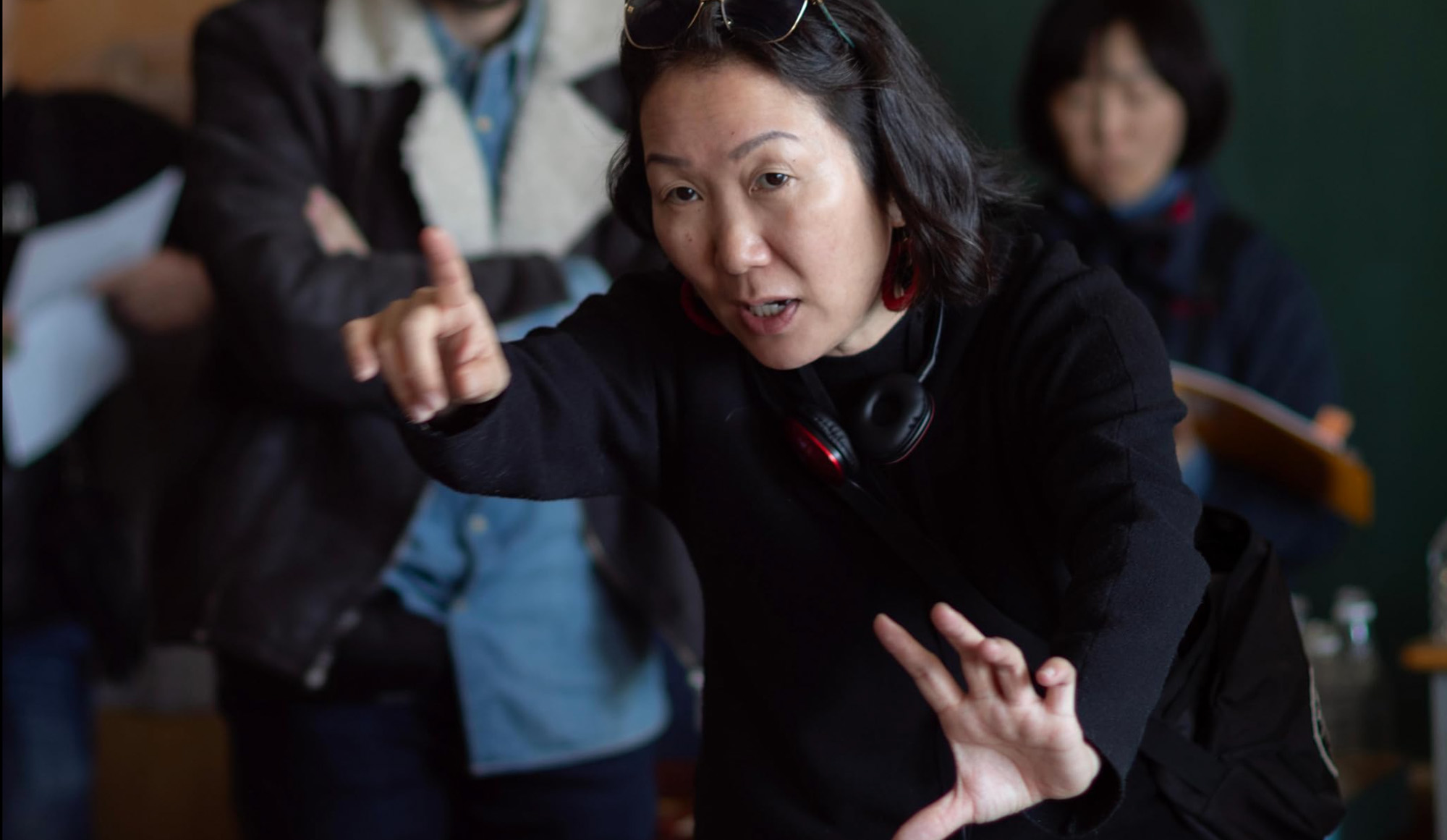 Hikarki on set James Lisle/Searchlight Pictures
She borrows these real circumstances in her work to apply them, to give them a sense of truth. So working with her and seeing how she could navigate the busy streets of Tokyo was exciting. It was a thrill. It was location; it wasn’t vacation. By the time I left, I felt like the Victrola dog. I could kind of understand what people were saying in Japanese. I didn’t know exactly what it meant, but I recognized the structure of basic conversations, or what would be said in any particular instance from a taxi to you dropped a bowling ball on my foot.
So much of the performance is the emotion and what you portray on your face. How did you find that right balance?
I was hopeful it was the right tone. I’m going to confess I didn’t have a character per se, which on the one hand makes me a very lazy actor. But also on the other hand it’s liberating because I had enough on board to help me feel like a fish out of water. Like a stranger in a strange land, which is to see me through all that scene work. I guess I just did my best to invest in this much in the same way that Hikari did by culling from her own life. I just applied myself in those circumstances, too. I do personally know what it means to go along, to get along. I am the son of a foreign tourism official, which had us traveling every three or four years somewhere growing up. I lived in Europe, the late ’70s to the northwest and Seattle boarding school in Toronto, Canada. And then onwards to life and college and came to Hollywood 35 years ago. So I know what it means to feel like the new guy. I know what it means to need to reinvent yourself and if you can find a way to be comfortable in your own skin, to be the new guy. A lot of actors I’ve talked to have had similar trajectories on their journey of life by moving lots of places, seeing different people, feelings of who am I? Where am I from? I guess it’s all in the chemical soup of what it takes to make an actor an actor.
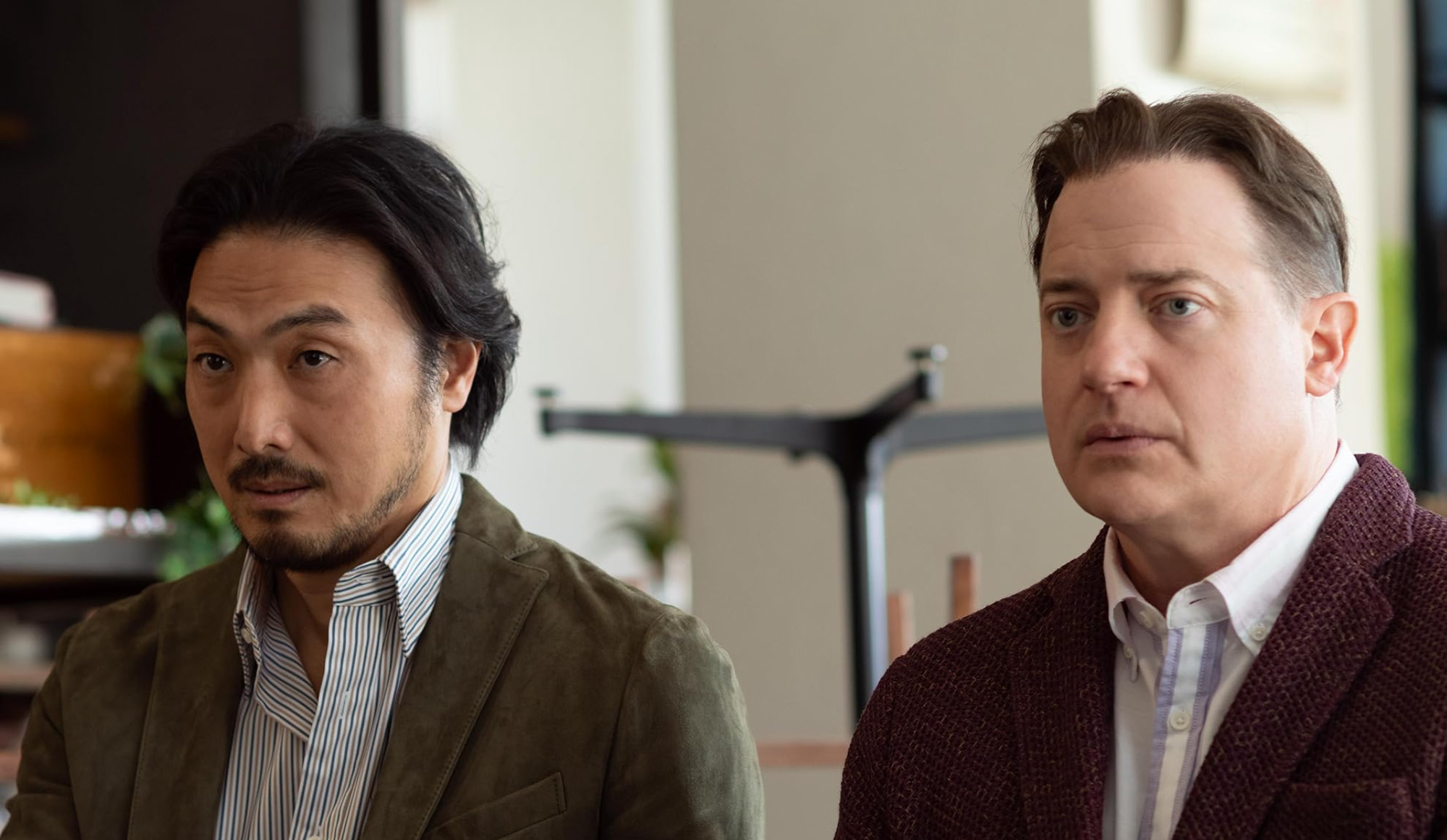 Takehiro Hira and Brendan FraserJames Lisle/Searchlight Pictures
In playing these roles in these people’s lives, you also have to keep the audience on your side. Because he’s lying to a little girl. He’s lying to an old man. How do you find the emotional truth at that?
That’s when you have to just take the rules of what the script says. The emotional truth in that, thankfully, was captured because of this kid, Shannon Gorman, who was one of those stories, she came in near the end of casting. She had all this emotional bandwidth to begin with, whether she knew it or not. She had never acted before, which is perfect because we didn’t want her to play the game in the locker room. We stopped rehearsing. Just put the camera in front of her, and that’s what you got. So that emotional truth really helped me stay as close to being authentic as I could. And I’m going to challenge you on saying he was lying to the old man — because I think he was onto him from the jump!
How does working with Hikari compare to some of your relationships with directors in the past?
I do my best to get along with everyone, and Hikari is pretty easy to get along with. I’m the the fourth of four sons, so she’s the sister that I never had and that I wanted. So that early realization and understanding went far. I’m glad she chose me for this. I honestly didn’t think I would have been her first choice, to tell you the truth. But for whatever requirements she had, I’ll let her answer to that. I was the lucky guy who got the part.
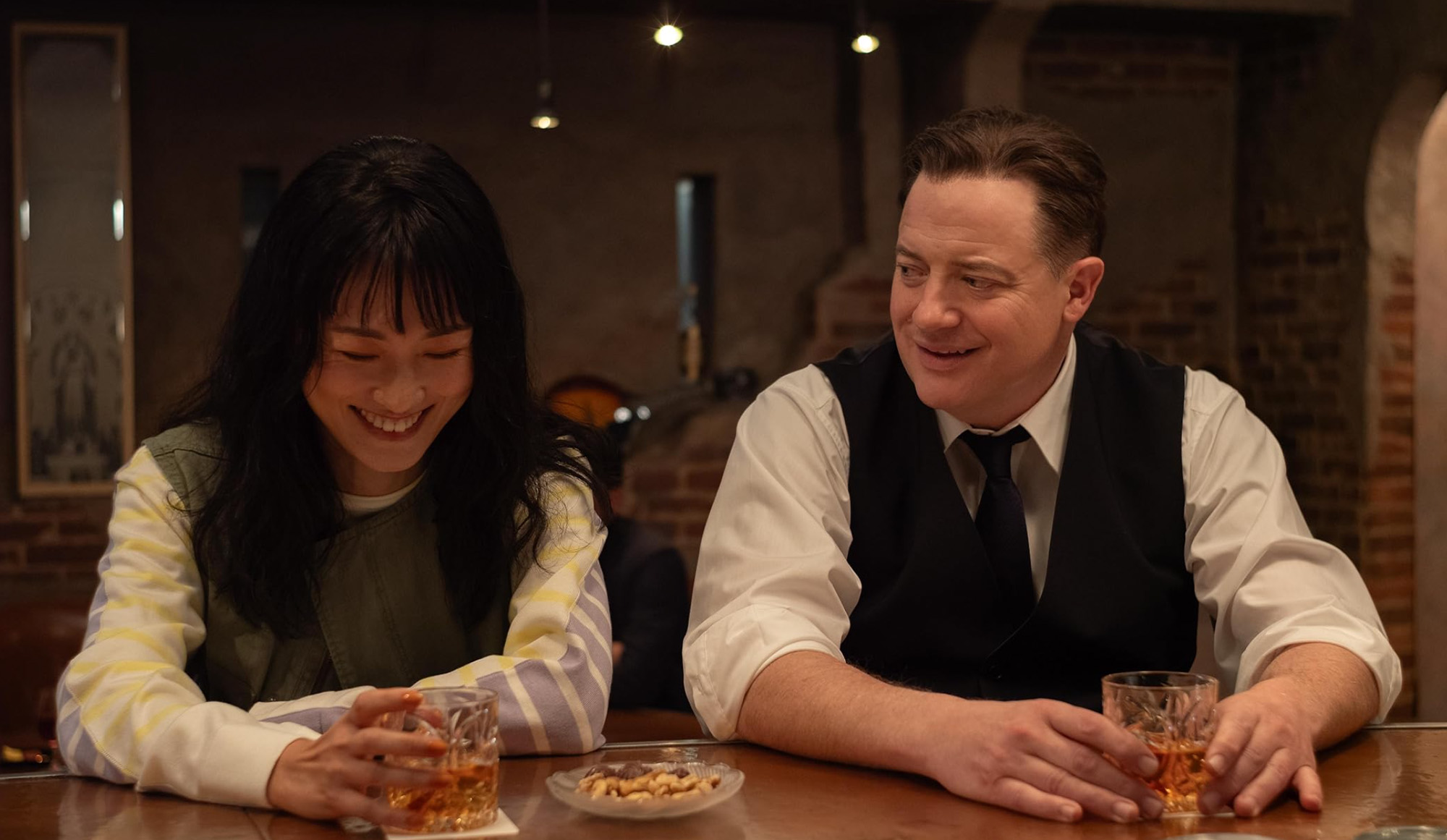 Mari Yamamoto and Brendan FraserJames Lisle/Searchlight Pictures
What do you want audiences to take away from the film?
Audiences are taking something different away from this film every time — something unique, something good. It’s staying with them for several days. It’s moving. You have a heart of stone if you don’t shed a tear when you watch this film. But you will be taken by surprise by the revelations that come. And there are some very good ones in this movie. There are some set-ups that pay off in the most unique way that give me personally, a thrill that I used to get when back in the day you would see a new CGI technology going that’s so cool. Hikari directed this story, a movie so that gee-willikers feeling comes just from people talking to each other and the story itself, because you feel yourself so invested along with these people when it takes its twists and turns and reveals what’s really underneath the surface, it’s a payoff that you get. I haven’t felt that way in a long, long, long, long, long time.
And what did you take away from it?
I take away that family is who we make it to be, who we find it to be. I take away that it’s not necessary to have a villain in a film, per se. In a world so divided, when we have so much apathy — apathy, that would be the villain in this film, I would say. This movie is a love letter to loneliness. It’s addressed to Tokyo. It’s written in cherry blossom pink ink, sealed with a kiss, all of that good stuff. You can still continue to evolve as a person, even if you find yourself down on your luck in some faraway, remote world of your own division or the physical one itself if you do something about it and you ask for help. Personally, I didn’t know you could ask for help for many years until it was pointed out to me, and I did.
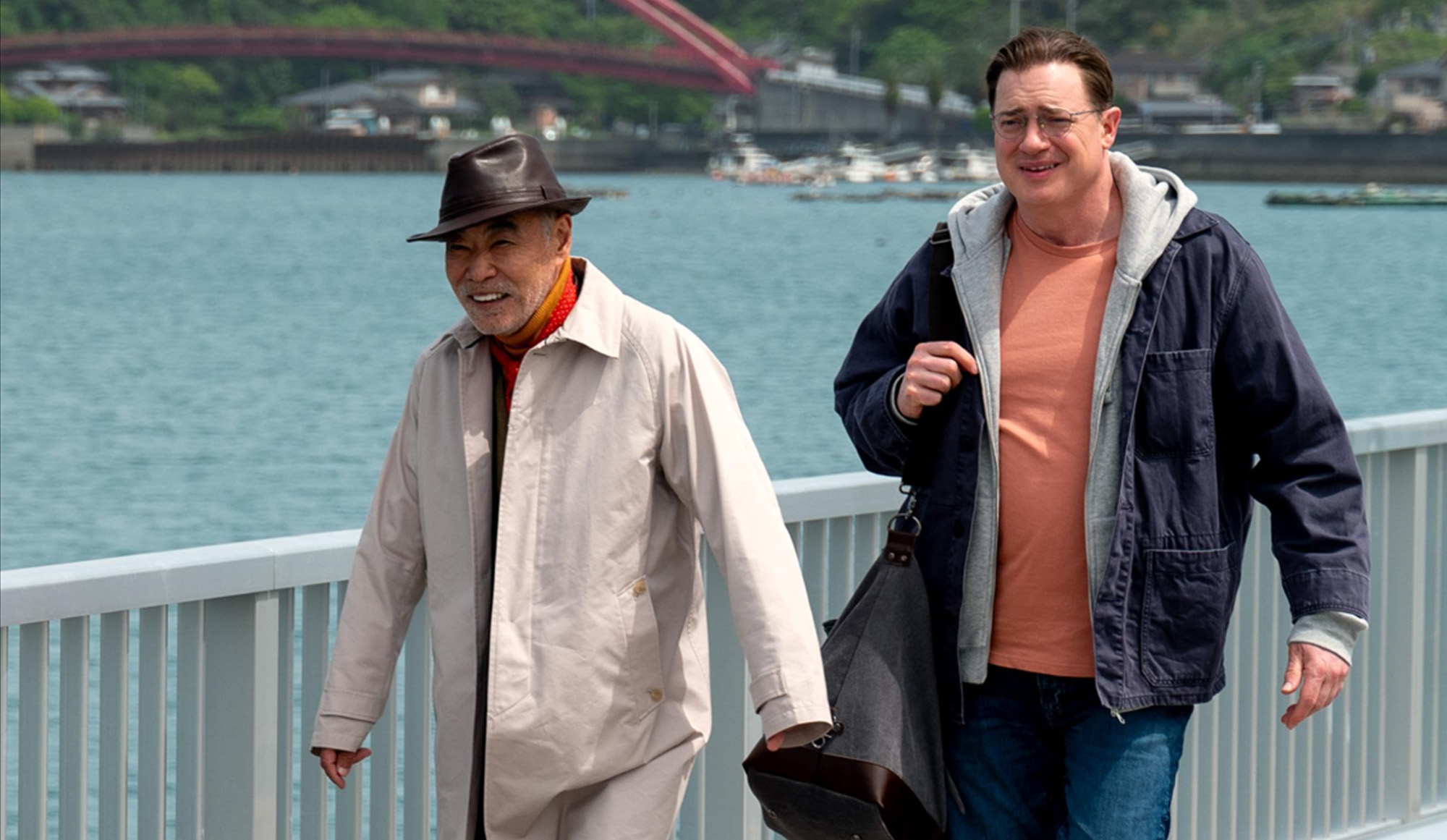 Akira-Emoto and Brendan FraserJames Lisle/Searchlight Pictures
A film like this, I think it’s going to help people feel. It can help people feel a sense of belonging, the belonging we all crave that comes from being made to stand in front of a piece of glass on the outside, looking in with your nose pressed against it, wanting to be a part of that. And it inspires you to feel more inclusive of one another and more tolerant. Whatever your voyage is on your journey of discovery, start by looking within first. That’s likely where you’ll find the best answers — a point that’s made in this movie. I won’t tell you when. Come see Rental Family if you can’t get into Wicked. If your family is driving you bonkers at Thanksgiving, come with me to Japan for a couple of hours. It’ll do a body good.