
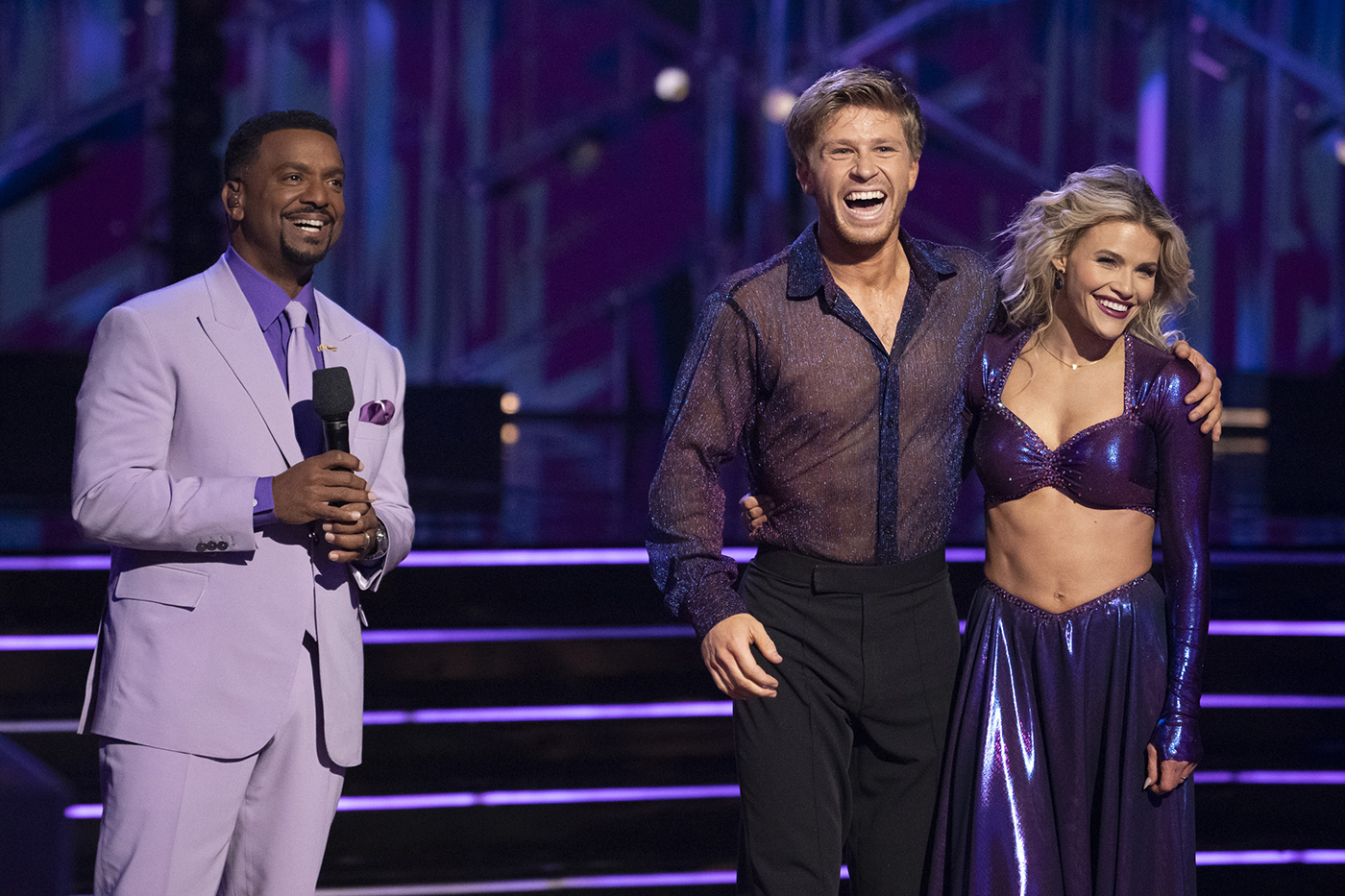
The popular TV show “Dancing with the Stars” premiered in 2005 with a simple concept: celebrity contestants learn and perform a dance routine in a different style each week, with the help of a professional dancer. They then compete for viewer votes to be selected as the winner of the Mirrorball Trophy.
Back then, couples performed on a bare stage in classic dance competition costumes. Most of the stars were past their prime and viewers didn’t get to see as much of the learning process.
Now in its 34th season, “Dancing with the Stars” recently celebrated its 20th anniversary with a look very different from its early days. There are theme nights like TikTok night where dancers perform to viral songs from the app. The cast includes influencers and reality stars. And viewers get to see stars learn to dance during the show and through social media. Each week’s dances are posted on Instagram and TikTok, allowing people to follow along on these platforms.
The changes paid off: This season has been one of the show’s most successful, becoming the first fall show in decades to see increased viewership five weeks in a row after its premiere.
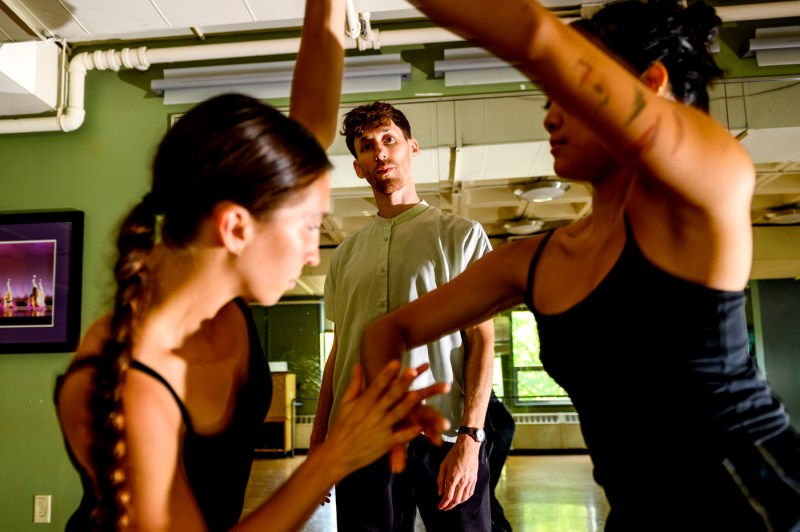 Photo by Matthew Modoono/Northeastern University
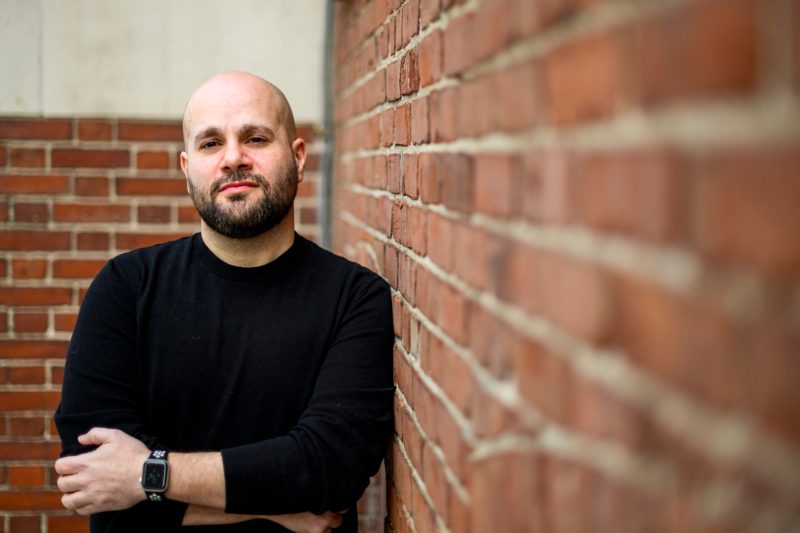 Steve Granelli. Photo by Matthew Modoono/Northeastern University
Northeastern experts said harnessing the power of social media and casting celebrities popular with a younger crowd helped bring new life to ‘Dancing with the Stars.’ Photos by Matthew Modoono/Northeastern University
“Ballroom dancing can have this reputation that everyone is always so coiffed and polished and (on social media) you see them joking around and being silly,” said Ilya Vidrin, a dancer, choreographer and assistant professor of theater at Northeastern University. “It gives it dimensionality. Now, every day on social media between episodes, you can see them working on things. Before, it was really focused on the performance. We get to see the daily stories (and) failure.”
Vidrin grew up competing in the world of ballroom dancing and knows many of the “dance pros” (the professional dancers who partner with celebrities) on the show. Over the years, he’s said he’s seen more posts from them on social media highlighting their work and viewers posting their own videos trying to imitate the dances they see from them.
“Dance is both a visual art form and a kinesthetic one,” Vidrin said. “Social media platforms are able to show video clips as a way for people to engage. It works because you’re showing a minute of that dance and you’re getting to see almost the whole thing. It’s clever for them to be marketing the process in addition to the product.”
The show is active on TikTok and Instagram, where clips of the short dances performed each week are posted, allowing them to reach a wider audience. Half of American adults use Instagram and 37 percent use TikTok, according to Pew Research, with adults under 30 more likely to use these platforms. In posting on those platforms, the show is reaching a younger audience.
Additionally, the show has been casting stars who reach a younger audience, including influencers like TikTokker Charli D’Amelio, who won Season 31 of the show. Influencers are becoming more commonly found on the reality TV scene from the game show “Traitors” to “The Secret Lives of Mormon Wives,” a Hulu reality show based around a group of Mormon mom TikTokkers in Utah. Overall, influencers have more sway in terms of views and spending power: The influencer marketing industry was estimated at more than $21 billion in 2023 with LTK, an affiliate marketing platform, generating $3.6 billion in sales each year.
Steve Granelli, a pop culture expert and teaching professor of communication studies at Northeastern, recalled when the show cast Olympic rugby player Ilona Maher last season as an example of them choosing stars with a fan base outside the show’s typical audience.
“It was a very big swing and get,” he said. “That was at the height of her celebrity on social media and people were tuning in. I was following her at the time and watching the show and saw that and (thought) this is what the show should be doing moving forward.”
Genesis Calle, a 26-year-old content creator in New York City, watched the show on and off throughout her life, but started tuning in regularly around Season 30 when the show featured its first same-sex pairing with dancer Jenna Johnson and singer/dancer Jojo Siwa.
“That was really iconic and I wanted to see what was going on,” Calle added. “And then just seeing all the other celebs, I was like, ‘OK, like, this show is really interesting to actually watch.’”
Calle now makes TikToks about the show and found that between the casting and the choice of songs and theme nights, more and more young people are engaging.
“That was the first step into gaining that new younger Gen Z audience to watch it,” she said. “Every season is getting even more popular with the younger audience. It’s been really cool to see how they’re bringing in the younger audience, and mixing in the older audience.”
The contestants this season included actors such as Elaine Hendrix, known to many for her work in the 1998 remake of the film “The Parent Trap,” and Andy Richter, a fan favorite from his time as a “sidekick” to comedian Conan O’Brien.
The network also included stars more popular with a younger crowd, such as influencer Alix Earle, and Jen Affleck and Whitney Leavitt, who both star in the Hulu reality series “The Secret Lives of Mormon Wives.”
The Season 34 finale, which features Hendrix, Earle, gymnast Jordan Chiles, wildlife conservationist Robert Irwin, and TV personality Dylan Efron, airs on Nov. 25.
In casting stars from other ABC/Hulu shows like “Mormon Wives,” “Dancing with the Stars” has followed in the footsteps of networks like MTV.
“The competitors (on the show) have an embedded audience,” Granelli said. “It’s casting the audience. … You’re capitalizing on the fame that you created for these individuals.”
And it’s working. Twenty-eight-year-old Katelyn Poore watched the show with her mom when she was younger. She described the earlier season as lower budget with lesser-known celebrities.
“I think they really fell off,” she said. “They were bringing in celebrities people knew of but weren’t crazy popular.”
But once the show began casting people from the hit TV franchise “The Bachelor,” she began watching again, her interest piqued. She, too, has made popular TikToks highlighting moments from each week’s show.
“Social media has really helped it evolve, especially TikTok,” she added. “Now we can interact with the pros and celebrities outside of just the Tuesday airtime.”