
The Trump Administration has overhauled student reimbursement in the United States, leading to significant changes in federal student financial aid programs. Under the terms of the One Big Beautiful Bill Act, a new Repayment Assistance Plan (RAP) is to be introduced at the Department of Education to replace previous programs. Under RAP, annual loans to new student borrowers will be capped at $20,500 for graduate students and $50,000 for professional students.
The system sets out a definition of what is considered a professional degree, for which students would be eligible for the higher borrowing amount. Architecture is among the degrees not deemed professional, meaning student loan amounts will be capped at the $20,500 annual level. Other degrees not considered professional in the regulations are nursing, physical therapists, accountants, and engineering. Among the degrees considered professional are law, medicine, and theology.
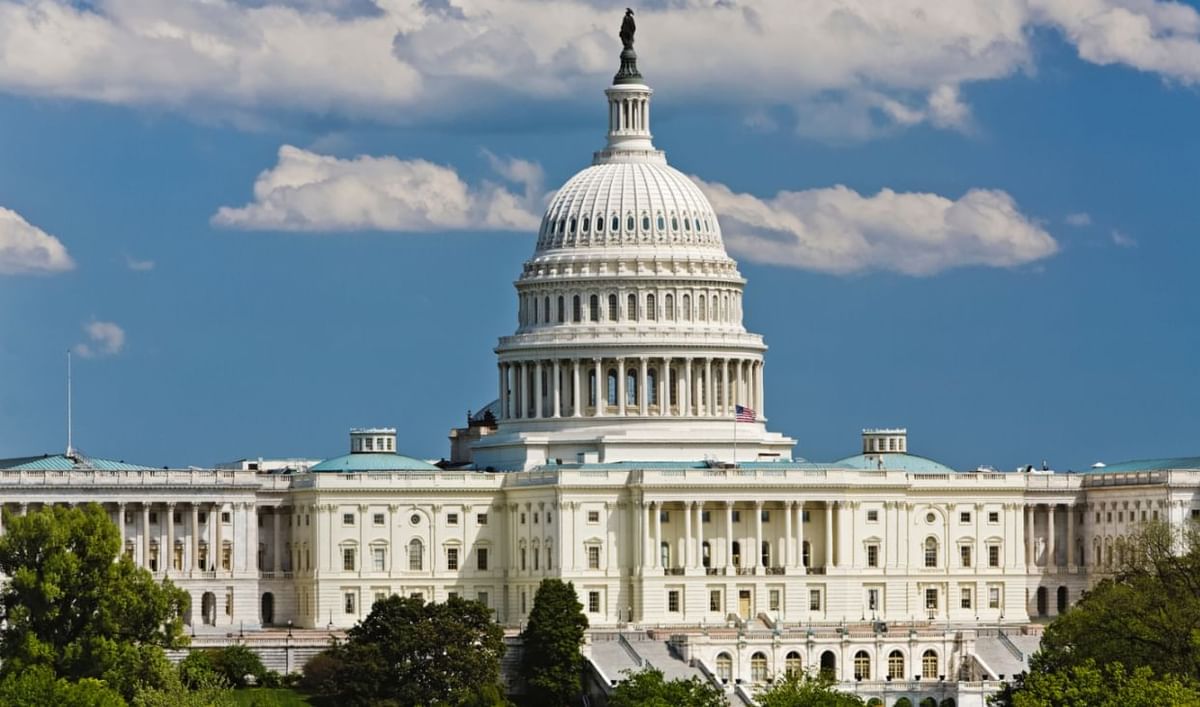
 Related on Archinect: 10 Views on Architectural Licensure From Archinect Readers. Photo by Thirdman via Pexels
New architecture students enrolling in RAP will therefore be limited to borrowing $20,500 per year, and $100,000 overall. While the consequences of the change are unclear as of yet, the reduced access to federal loans could exacerbate barriers to architecture degrees for prospective students otherwise unable to cover tuition and living costs.
The pressure could also force a change in fee levels for architecture programs, which itself may have consequences on teaching resources. It should, however, be noted that the definition of a ‘profession’ determined by RAP is limited to the program itself, and does not impact definitions of architects or architecture under state licensing laws.
“The impacts of narrowly construing professions could include barriers to opportunities for students seeking a career in what is otherwise considered a profession under other legal standards,” Peter Lake, director of the Center for Excellence in Higher Education Law and Policy at Stenson Law, told Newsweek.
“The private loan market might not be sufficient or sufficiently affordable, especially for promising students who have faced economic challenges,” Lake added. “There may be some pressure as well on institutions to reduce tuition, and the major question is whether doing so might result in diminution of necessary instruction and training, particularly in person.”
Do you have views on the latest changes to student loans and the omission of architecture as a professional degree under RAP? Let us know in the comments, and join the active discussion on the topic over on the Archinect Forum.