
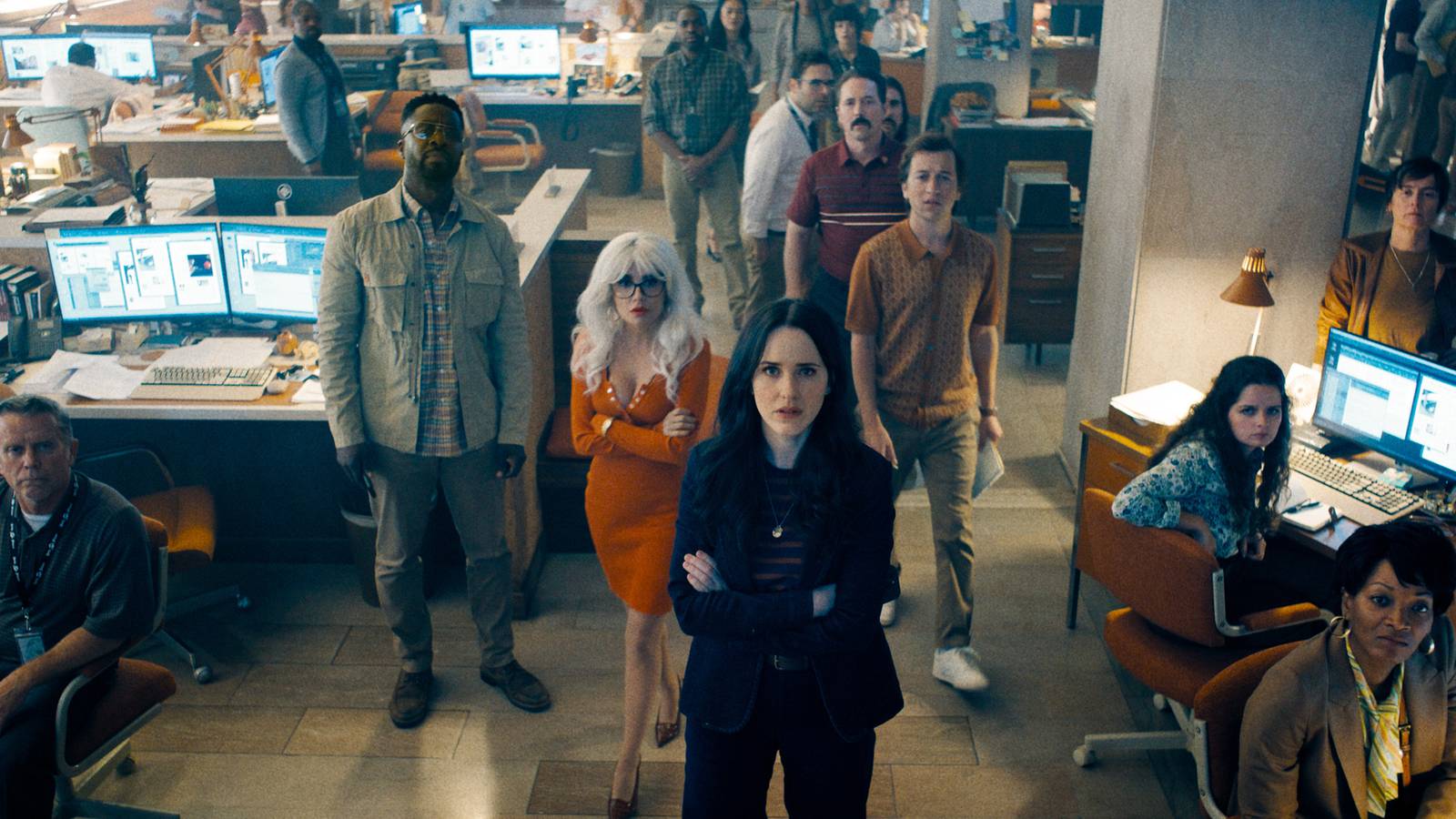
Superman sent James Gunn’s vision for the DCU soaring into the cinemas with a Crayola color palette and unabashedly comic book-y tone. The stakes were high for the Man of Steel’s most recent silver-screen reboot and, much to the relief of Gunn and Warner Bros. Discovery, the results were largely positive.
But despite Superman enjoying a 90% audience score on Rotten Tomatoes and Forbes reporting the DCU movie generating $150 million in profit for WBD, it can’t keep itself out of online debate—and it’s not for one reason alone. An uphill battle was inevitable for Superman. It was never only a Superman movie, after all. Politics, impossible expectations and competing fanbases keep the DCU set-up for Man of Tomorrow highly contentious in the superhero movie discourse despite ranking officially as the most successful superhero movie of 2025.
Superman and the Tale of Two Scorned Superhero Franchises
James Gunn and leading man David Corenswet weren’t just delivering a new spin on the character. Alone, Gunn was stepping into a whole new world—literally and figuratively.
He’d left Marvel’s familiar sandbox for the new DC Studios Co-CEO role. Superman, in turn, became a proof-of-concept for Gunn’s entire professional excursion altogether. The movie’s meta conceit wasn’t a secret— could the fatigued Marvel fan—or even the one mad at Gunn—like him— jump ship should he, Corenswet and company convince them?
But it wasn’t just MCU binge-watchers Superman had to win over. Together, Gunn and Corenswet would shift the popular intellectual property away from a decade or so of DCEU content that, with Zack Snyder at the helm, depicted Clark Kent/Superman more brooding and violent than ever. Considering the DCU and DCEU directors have particularly protective online fan bases, the drastic tonal shift from one iteration to the next set Superman up for debate, necessary or not.
Political Landscape Made Superman Misunderstood
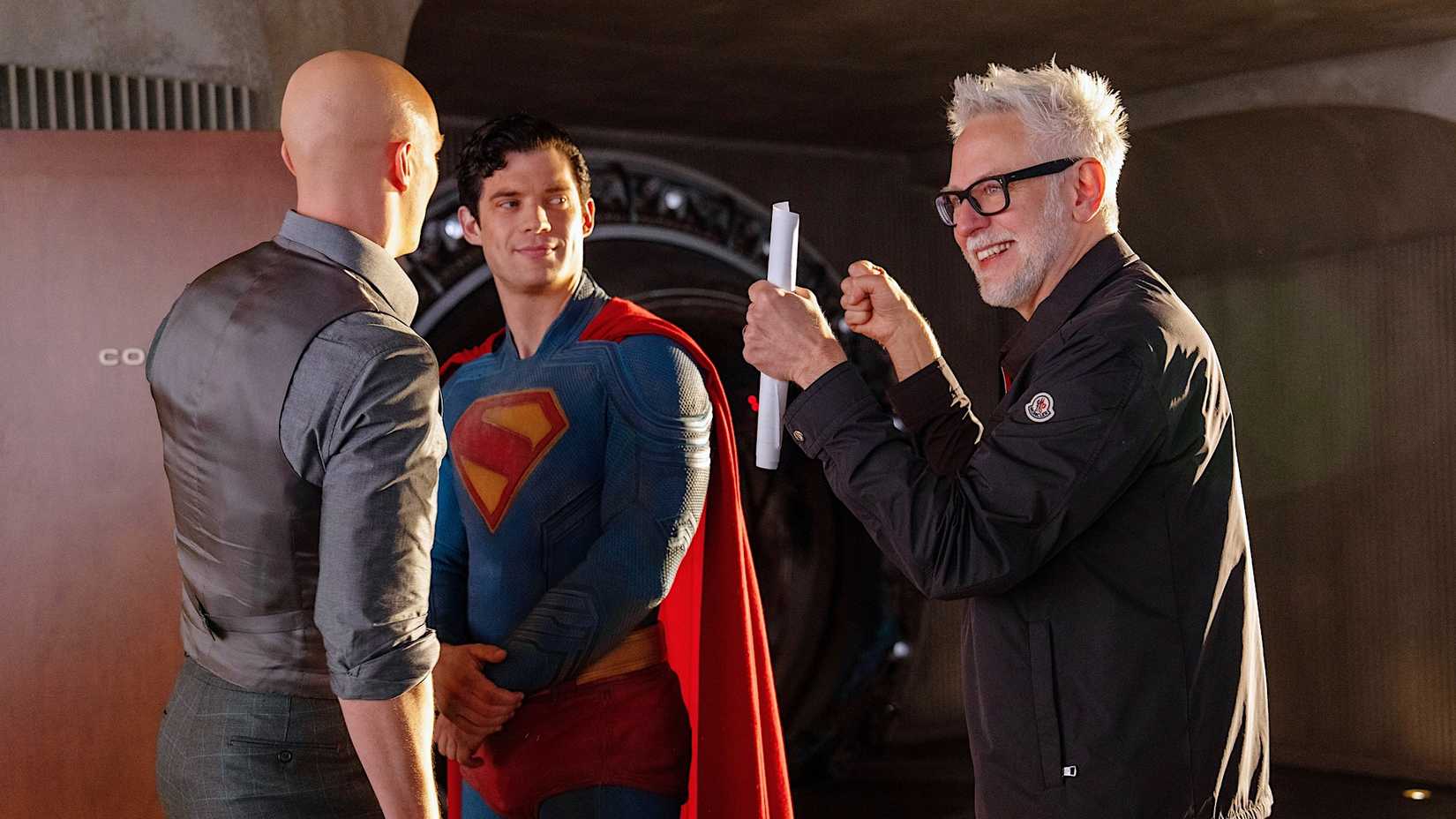
Filming on SupermanCredit: Warner Bros. / Courtesy Everett Collection
The politically hostile landscape Superman arrived in this summer is no secret. The Kryptonian’s “truth, justice, and the American way” moniker put the character’s 2025 outing under a microscope, unable to escape political interpretation. Gunn’s press tour didn’t shy away from language that lingers in the news, either.
Speaking to Deadline, the writer-director conceded: “Yes, [Superman] is about politics. But on another level it’s about morality,” explaining that the film told “the story of America…. An immigrant who came from other places and populated the country…but it is mostly a story that says basic human kindness is a value and is something we have lost.”
Comments like these, as innocently intended as they have been, only compounded the Superman controversy. The movie was already contending with the Snyder vs. Gunn, DC vs. Marvel debates, but owning the Superman-immigrant-allegory in today’s day and age thrust the movie into what was an already active and almost always toxic online debate all summer long.
Just when it seemed to have died down in the discourse, the politicizing of Superman—particularly its portrayal of fictional, warring nations Jarhanpur and Boravia—gained a second wind when Warner Bros. Discovery began fielding merger offers from Netflix, Comcast/NBCUniversal, and Paramount Skydance Corp.
The influx suddenly thrust Gunn’s DCU future into uncertainty, with Gunn himself seemingly acknowledging the shaky ground on BobaTalks’ YouTube channel, hesitantly commenting on his ability to deliver DCU storyline plans, saying, “whether that’ll be me that’s able to fulfill that promise depends on a lot of things in life.”
Superman Was Barbie for Boys: Detoxing Masculinity in Spandex
If political commentators and saving the Snyderverse wasn’t enough controversy for Superman, its soft approach to masculinity became a—to use a DC phrase— flashpoint of its own. Whereas Summer 2023 saw Warner Bros. and Greta Gerwig’s Barbie deconstruct femininity via a famous intellectual property, Gunn saw Superman do the same for the male hero in Superman.
Corenswet’s Clark Kent cried and stumbled. Like Gerwig’s 2023 Oscar favorite, Superman also ends in a climactic, compassionate monologue subverting power dynamics. Some embraced it as a necessary evolution of the character. Others saw it as emasculation, another example of Hollywood “softening” male heroes.
The discourse around Superman’s masculinity became particularly charged—a perfect nexus of the departure from Snyder’s tone and the movie’s seeming disinterest in machismo. Gunn’s insistence that the film was about “basic human kindness” and his acknowledgment that “there is a meanness that has emerged due to cultural figures being mean online” seemed to position Superman as a direct counter to modern toxic masculinity.
Whether viewers saw this as refreshing or preachy largely depended on where they stood in those larger cultural conversations. The Barbie comparison wasn’t entirely unfair. Both films used beloved IP to interrogate gender expectations, both employed bright, almost garish color palettes that emphasized their artificiality, and both seemed designed to spark conversation as much as entertain.
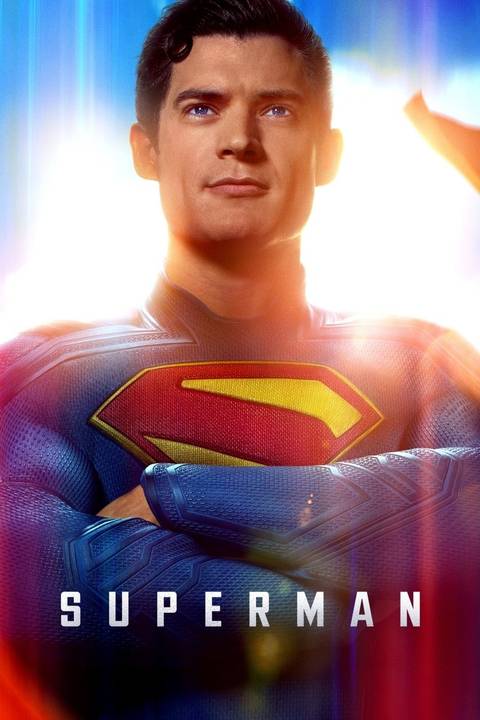
Release Date
July 11, 2025
Runtime
130 minutes


Rachel Brosnahan
Lois Lane