
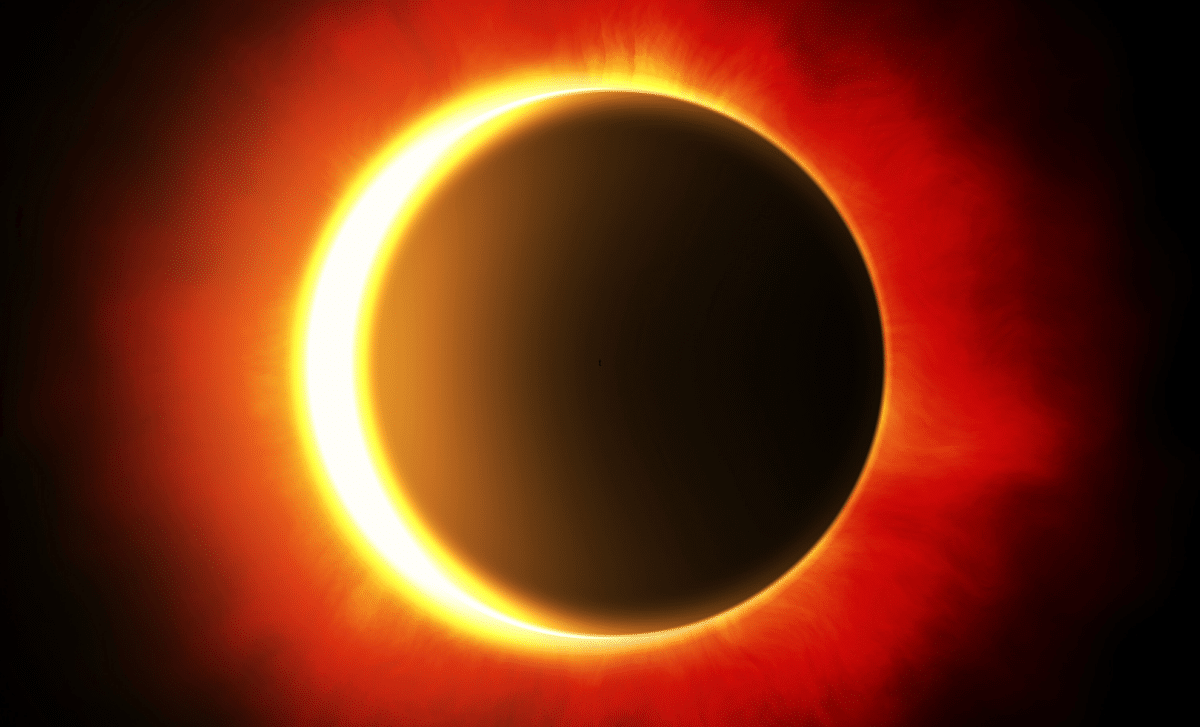
A breathtaking celestial event is on the horizon—one that promises to be a rare spectacle for skywatchers around the world. In the coming years, the longest total solar eclipse in a century will unfold, offering an extraordinary opportunity to witness the dramatic interplay of the sun, moon, and Earth. For over six minutes, the sky will darken, casting a shadow across several regions, including parts of Europe, North Africa, and the Middle East.
The Path of the Longest Eclipse in 100 Years
According to NASA’s eclipse data, the total solar eclipse of August 2, 2027, will span a wide geographic area, crossing through several regions that rarely experience such long totality. Starting in Morocco and southern Spain, the eclipse will progress eastward across Algeria, Tunisia, Libya, and Egypt, before reaching the Middle East. The eclipse will culminate in Yemen and the Somali coast, with the longest duration occurring in Egypt, particularly in the cities of Luxor and Aswan, famous for their ancient temples.
For those situated along this path, the experience will be unlike anything else, as the moon’s shadow sweeps across the landscape. In Egypt, the eclipse will last for a record-breaking 6 minutes and 23 seconds, offering ample time for viewers to witness the eerie transformation of the sky. The totality phase will be a breathtaking sight—stars will become visible, the temperature will drop, and the world will fall into an uncanny twilight. Observing such a phenomenon in historic locations like Luxor, known for its burial tombs and temples, adds an extra layer of wonder.
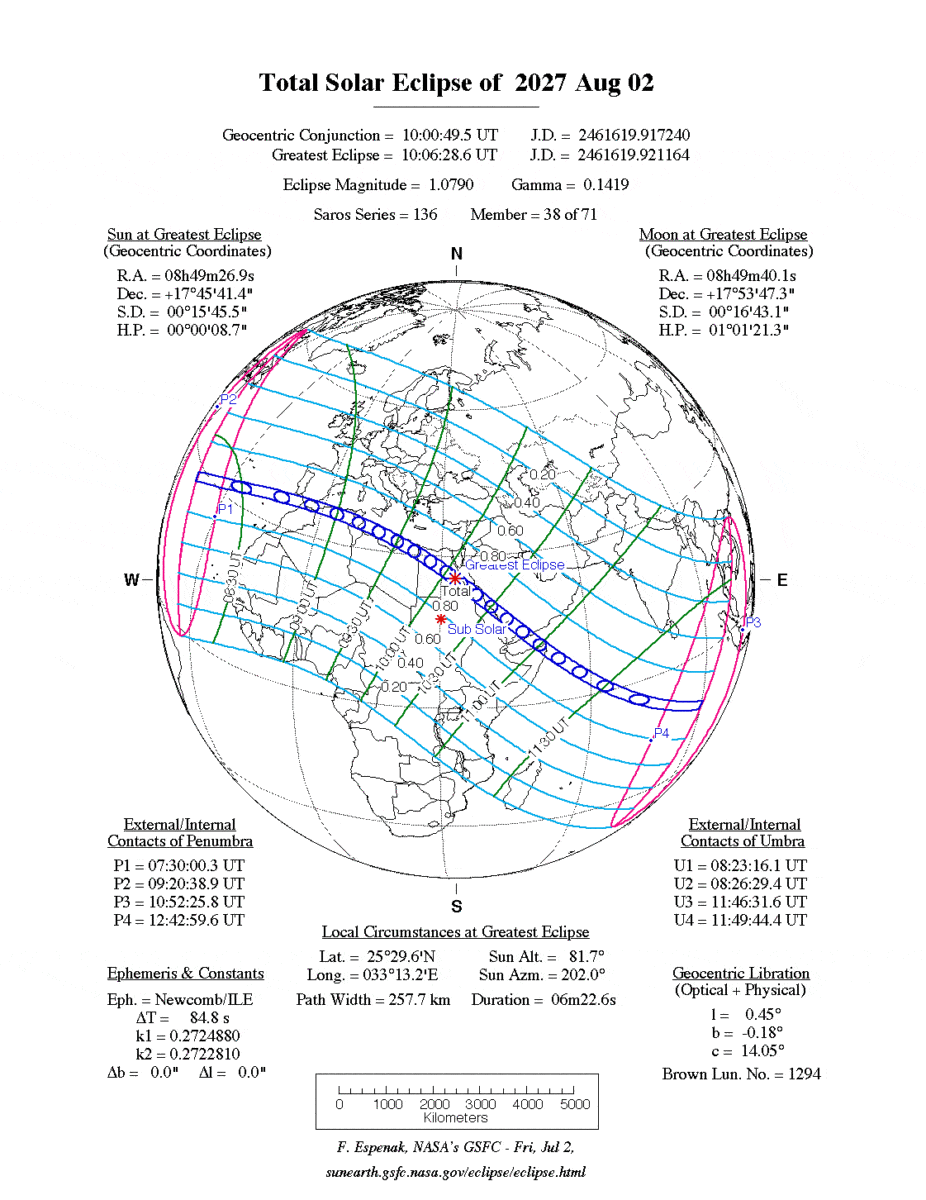 Map of the path of the longest total solar eclipse in 100 years. Credit: NASA
Understanding the Science Behind Solar Eclipses
While the visual impact of a solar eclipse is unforgettable, the science behind it is just as fascinating. A solar eclipse occurs when the moon passes between the Earth and the sun, casting a shadow that blocks sunlight. This alignment is rare because the moon’s orbit is tilted relative to the Earth’s orbit around the sun. The exact duration of the eclipse depends on various factors, including the distance between the Earth, moon, and sun, as well as the specific path of totality.
The August 2027 eclipse will be especially long due to the unique positioning of the three celestial bodies. NASA’s extensive study on eclipse paths, available on their Solar Eclipse Page, reveals that this eclipse’s total phase will last 6 minutes and 23 seconds, the longest seen in 100 years.
Understanding the mechanics of the eclipse helps to highlight its rarity. The next solar eclipses with similarly long durations won’t occur until 2045 and beyond. As such, this event provides an exceptional opportunity to experience the power and beauty of a total eclipse.
The Cultural Significance of Solar Eclipses
Throughout history, solar eclipses have held significant meaning across different cultures. Many ancient civilizations viewed them as omens, often interpreting the darkening of the sun as a sign of major events. In ancient China, eclipses were thought to signal the displeasure of the heavens, while in Mesopotamia, they were seen as a sign that the king had lost divine favor. In modern times, though we understand the science behind the event, the awe it inspires still links us to our ancestors’ fascination with the cosmos.
The eclipse in 2027, with its long duration, is sure to spark similar wonder. For those who are lucky enough to be in the path of totality, it will offer a chance to pause and reflect on the vastness of the universe. This celestial event will also be an opportunity for scientific exploration, as astronomers continue to study the sun’s outer layers, the corona, and the effects of solar radiation during an eclipse.
How to Safely Observe the Solar Eclipse
While the eclipse itself is a stunning sight, it’s crucial to observe it safely. Looking directly at the sun without protection can cause permanent damage to your eyes. Special eclipse glasses, which are widely available, are essential for viewing the event without risk. Regular sunglasses, even very dark ones, are not sufficient to protect your eyes from the intense solar radiation.
Another option for safe viewing is using a solar viewer or a pinhole projector. These methods allow you to safely watch the eclipse without looking directly at the sun. As the eclipse will be a major event in many regions, local communities and organizations may set up public viewing areas with solar viewing equipment. Don’t miss the chance to observe this incredible spectacle, but remember to protect your eyes and your safety.