
Key TakeawaysPrior to the financial crisis, it was very common for financial advisors to be commission-based. Since the financial crisis, we’ve seen much more of a shift toward fee-based and fee-only financial advisors.If an advisor is being paid on commissions, they’re typically getting compensated through things like load fees or 12b-1 fees, which are tied to the products.With a fee-only advisor, they’re typically going to charge a flat percentage of your portfolio annually.Fee-based financial advisors typically are going to charge a fee on assets under management, similar to fee-only. They won’t take loads and 12b-1 fees on things like mutual funds and exchange-traded funds, but they will potentially be compensated extra for selling you things like insurance and annuities.Investors should check on the fees for their portfolio in terms of the mutual funds and ETFs and the combination. The shift to fee-only is one of the biggest reasons we’ve seen so much money pour into passive, low-cost ETFs because that keeps the overall fees down for the end investor.We think the average total cost for advisor fees in the industry is probably around 1%.You want to make sure you have your advisors’ fee schedule ahead of time as your portfolio grows.
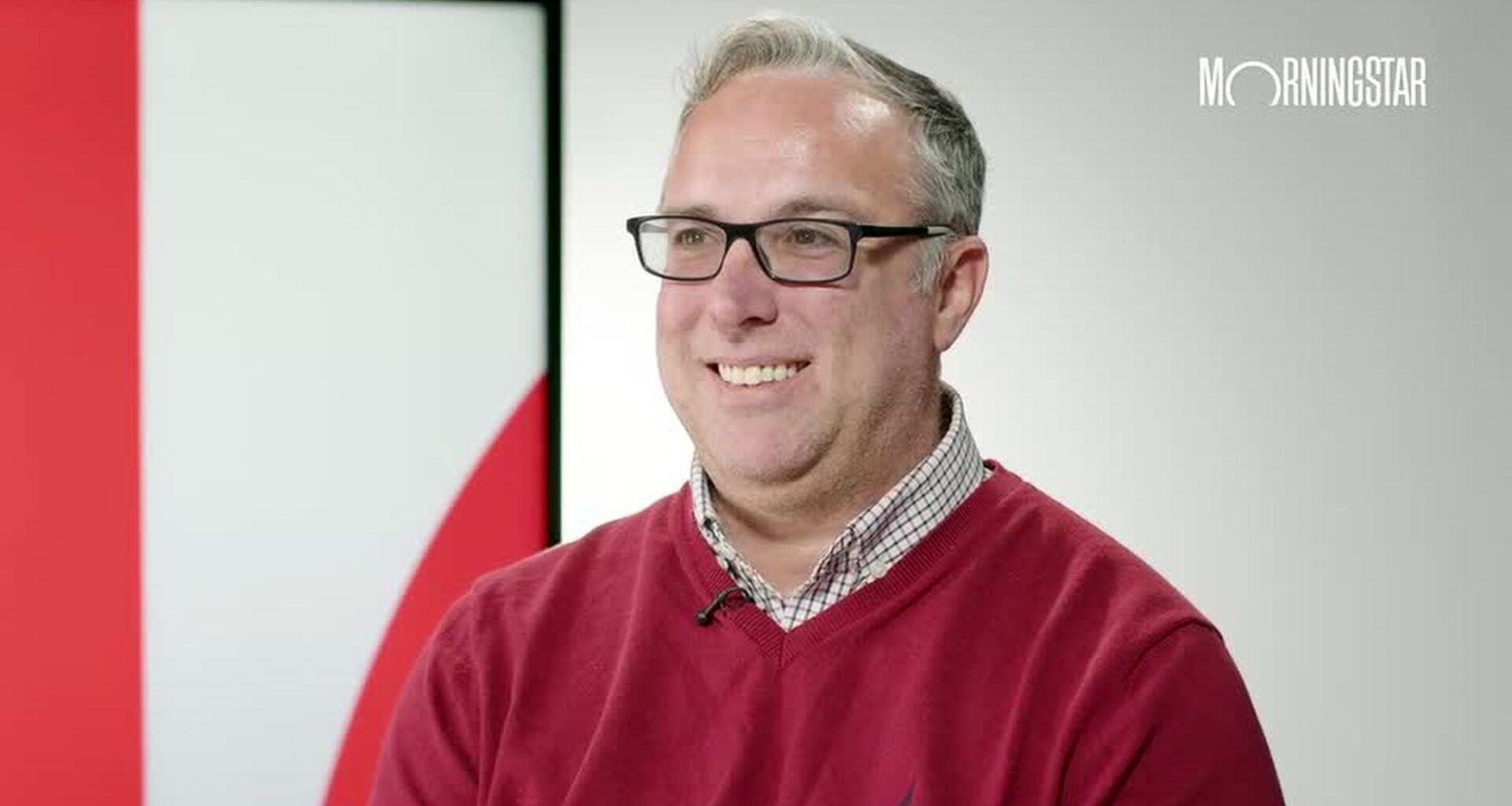
Susan Dziubinski: I’m Susan Dziubinski with Morningstar. When it comes to working with financial professionals, understanding how they’re compensated is critical. After all, how your advisor gets paid may affect the type and level of service you’ll receive. Joining me today to discuss the key questions to ask an advisor about how they’re compensated is Jason Kephart. Jason is a senior principal with Morningstar’s multi-asset ratings team.
Nice to see you, Jason.
Christine Benz: Why I Have a Financial Planner 
Jason Kephart: Thanks for having me, Susan.
How Are Financial Advisors Compensated?
Dziubinski: All right, let’s start with those very broad categories of compensation types in which advisors fall. What are those buckets, and how does compensation work within each of those buckets?
Kephart: Yeah, there’s kind of like four main ones. What we’ve seen over the last decade, maybe even since the financial crisis, is a definite shift in one direction. Prior to the financial crisis, it was very common to be commission-based, which we will talk about kind of the details there. But since the financial crisis, we’ve seen much more of a shift towards fee-based and fee-only financial advisors. There’s also the option to do hourly. I think that’s still more of a niche payment structure, but it’s something that is out there. I think it’s really important to think about because most of the time, a financial advisor, you’re not really writing a check. It’s kind of like when you’re investing in a mutual fund and the fees just kind of disappear and are taken out of it. Without you having to really make an action. Being aware of how these fees are getting transferred between you and the financial advisor is something you really want to be on top of.
Questions Investors Should Ask Commission-Based Financial Advisors
Dziubinski: Let’s walk through some of these buckets, Jason. And presumably, if someone’s already working with an advisor, they know which bucket they sort of fall into here. So, let’s start with commission-based advisors. What are the questions an investor should be asking if, in fact, their advisor is being paid on a commission basis?
Kephart: Yeah. So if the advisor is being paid on commissions, what it means is they’re typically getting compensated through things like load fees or 12b-1 fees, which are tied to the products. And so I guess the risk there, which you need to be aware of, is, you know, they might be incentivized to sell you more products, or trade out of one product for another to get another load fee. Also, the 12b-1 fees are going to be, that’s common to A shares and C shares. So if you have an advisor and you have a lot of A shares in your account, it’s probably because they’re commission-based. So I think you just want to be aware that that’s where those fees are coming from. And yeah, the downside is they might be incentivized to do trading. That’s not necessarily needed, but when they do trade, they do get compensated. So that’s kind of, I think, the risk there. And I think that realization is one of the reasons we’ve seen this big shift towards fee-based and fee-only.
Questions Investors Should Ask Fee-Only Financial Advisors
Dziubinski: All right, let’s talk about those a little bit more. What about a fee-only advisor? What are some of the specific questions here that a client needs to be thinking about and asking?
Kephart: So, with a fee-only advisor, they’re typically going to charge a flat percentage of your portfolio annually. And this could be in the form of typically around 1%, we’d probably say. But I think there the pitch is, well, I get paid more if your portfolio grows, so my only incentive is for you to succeed. So that’s why I think that’s caught on. I think that’s an easier selling point than the commissions. That’s still kind of common. So I do think those are things you want to be aware of, is how much am I paying? What is it based on? Like all of my assets? Just the assets under management? Does it also include the assets in your 401(k) or your kid’s 529 plan? There’s a lot of places where your assets can be. Trying to figure out where exactly that 1% is being taken off of, that’s key, I think. Also, I think with the fee-only, maybe you’re more likely to get financial planning as part of it. I don’t think that’s really necessarily in the toolkit of the commission-based advisors, though I think everyone’s evolving in that direction. But you want to know like, is financial planning included in this fee-based expense? Or is it basically just portfolio management services?
More in the Ask Your Advisor video series Questions Investors Should Ask Fee-Based Financial Advisors
Dziubinski: Got it. And then what about the fee-based advisor, which is sort of a hybrid between the two? What questions should the client be asking here?
Kephart: Yeah, so the fee-based, they’re typically going to charge a fee on assets under management, similar to fee-only. They won’t take loads and 12b-1 fees on things like mutual funds and ETFs. But they will potentially be compensated extra for selling you things like insurance and annuities. So I think that’s when you want to be on the lookout. Like, do I really need this insurance product or annuity product? And make sure you’re really comfortable with the reasoning behind it, because that is where they’re incentivized to kind of sell you something. And that’s when you always just want to be sure you’re asking the questions and comfortable with the why. So obviously, we think a lot of these financial advisors are fiduciaries, great for individuals who don’t want to deal with the complexities of investing in financial planning on their own. So they provide a great service, but it really is just being sure you’re aware of what’s going on and why.
How Fee-Only Financial Advisors Have Shifted Investors Towards Passive Investing
Dziubinski: Got it. So, Jason, what other fees might be out there when it comes to having a relationship with a financial professional that an investor might be on the hook for that they might not even think about asking about?
Kephart: I think the big one is the fees for your portfolio in terms of the mutual funds and ETFs and the combination. The shift to fee-only is one of the biggest reasons we’ve seen so much money pour into passive, low-cost ETFs because that keeps the overall fees down for the end investor. But I think that’s something you really want to be in mind of, like, what’s the all-in cost? And potentially, is there additional cost for financial planning, things like estate planning, tax planning? You want to make sure, like, what is the all-in fee? And that 1% fee or the commissions might not include it all. So I think you just want to make sure what’s all included.
Are My Financial Advisor Fees Fair?
Dziubinski: So once advisors have sort of laid out how they’re compensated, and an investor or client has run the numbers, how do they really know whether that fee is fair or not, compared with the rest of the industry or other financial professionals they could be working with?
Kephart: Yeah, it’s much harder to benchmark your financial advisor’s fees than it is your mutual fund fees or ETF fees. So you really want to keep some rules of thumb, like you’re all-in costs. Like, if you have $100,000, what did you actually pay in fees that year, whether it’s commission, fee-based, or fee-only? And what is your total cost? We think the average in the industry is probably around 1%. That’s what gets bandied around a lot. So if your fees are significantly north of that, I would maybe ask some more questions. And if they’re significantly under that, maybe you’re getting a good deal. Or maybe there are some services you’re not being offered that others might be.
Why Investors Should Check Their Advisors’ Fee Schedule
Dziubinski: And then, lastly, Jason, most investors, I would think, would like to develop a long-term relationship with their financial professionals. You don’t want to be hopping from professional to professional, like you might change cable companies or cellphone providers or whatever. What questions might they ask on an ongoing basis to really make sure they’re aware of any cost adjustments that might go on over time?
Kephart: Yeah, hopefully, the longer you’re with a financial advisor and the more your portfolio grows, because we know stocks grow over time, bonds go up over time, your portfolio should be getting larger over time. Hopefully, there are some clear breakpoints in terms of the assets you have under management, where the fees do start to come down. And I want to make sure you have that fee schedule ahead of time and making sure that that is kind of already in place.
Dziubinski: Well, Jason, thanks for your time today and for these tips about how we really need to know how we’re paying our advisors. I appreciate it.
Kephart: Thanks for having me.
Dziubinski: I’m Susan Dziubinski with Morningstar. Thanks for tuning in.
Watch Ask Your Advisor These Questions Before Investing in Semiliquid Funds for more from Jason Kephart and Susan Dziubinski.