
There is something magical about the way Teenage Mutant Ninja Turtles has endured for more than 40 years. From its conception in Mirage Comics to the countless film adaptations and animated TV shows, the Turtles have always appealed to one generation after the next. With a new TMNT live-action reboot on the way for 2028, it’s a fitting moment to revisit the Michael Bay–produced Turtles installment and its 2016 sequel Teenage Mutant Ninja Turtles: Out of the Shadows before they go back into the sewers when they leave Netflix on December 17.
Directed by Jonathan Liebesman, the 2014 Turtles movie pulled off an ambitious feat by reinventing the franchise with motion-capture performances, a heavier action aesthetic, and plenty of Bayhem influence. While largely panned, the new take on the “heroes in a half-shell”, holding a 20% Rotten Tomatoes score, TMNT brought fans old and new to the theaters in droves. The setups were all in place to bring fan favorites from the comics and cartoons to future live-action sequels before the brand was re-imagined again for the animated Teenage Mutant Ninja Turtles: Mutant Mayhem in 2023.
What Happens in ‘Teenage Mutant Ninja Turtles’?
Rooted partly in Mirage Comics and partly in modern franchise sensibilities, the 2014 TMNT follows Leonardo, Donatello, Michelangelo, and Raphael as they first cross paths with reporter April O’Neil (Megan Fox) and her cameraman Vern Fenwick (Will Arnett). Their battle with The Foot Clan, now re-imagined as a paramilitary force, pulls them into a conspiracy led by the armored Shredder and Sacks Industry mogul Eric Sacks (William Fichtner), whose plot involving the mutagen used to create the turtles threatens all of New York City. Much like the popular 1990 live-action film, the emotional core remains the bond between the brothers and their father, Master Splinter (voiced by Tony Shalhoub), whose life-threatening injury at the hands of Shredder forces the turtles to stop bickering and rise as true heroes.
Released during a wave of blockbuster superhero reboots, the tone of the 2014 film reflects the era’s appetite for grounded spectacle fused with oversized fantasy. Rather than immediately incorporate cartoon-era favorites like Bebop, Rocksteady, and Krang, Liebesman and writers Josh Applebaum, André Nemec, and Evan Daugherty narrowed the story to the Turtles’ origins and their first clash with Shredder, while still pushing scale with sweeping action set pieces. The cinematography embraces rain-slicked rooftops, neon shadows, and chaotic street-level combat—stylistically echoing modern action franchises as the Turtles’ motion-capture designs tower and flex in ways practical Jim Henson-produced suits never could.
Beyond the slapstick gags, pizza humor, and chaotic brotherly antics, the reboot taps into the same thematic lineage that runs through earlier TMNT stories. For all the spectacle, there is a genuine sense of danger, particularly as April uncovers the truth about the experiments that created the Turtles and her unexpected childhood connection to them. The brothers struggle with purpose and identity beyond the sewer walls, and their fear of losing Splinter mirrors the darker coming-of-age threads embedded throughout TMNT’s history. The film never gets too heavy-handed, but the emotional stakes give it more weight than its reputation as a loud, explosive blockbuster might suggest.
‘Out of the Shadows’ Delivers All the ‘80s Animated Series Fan Service
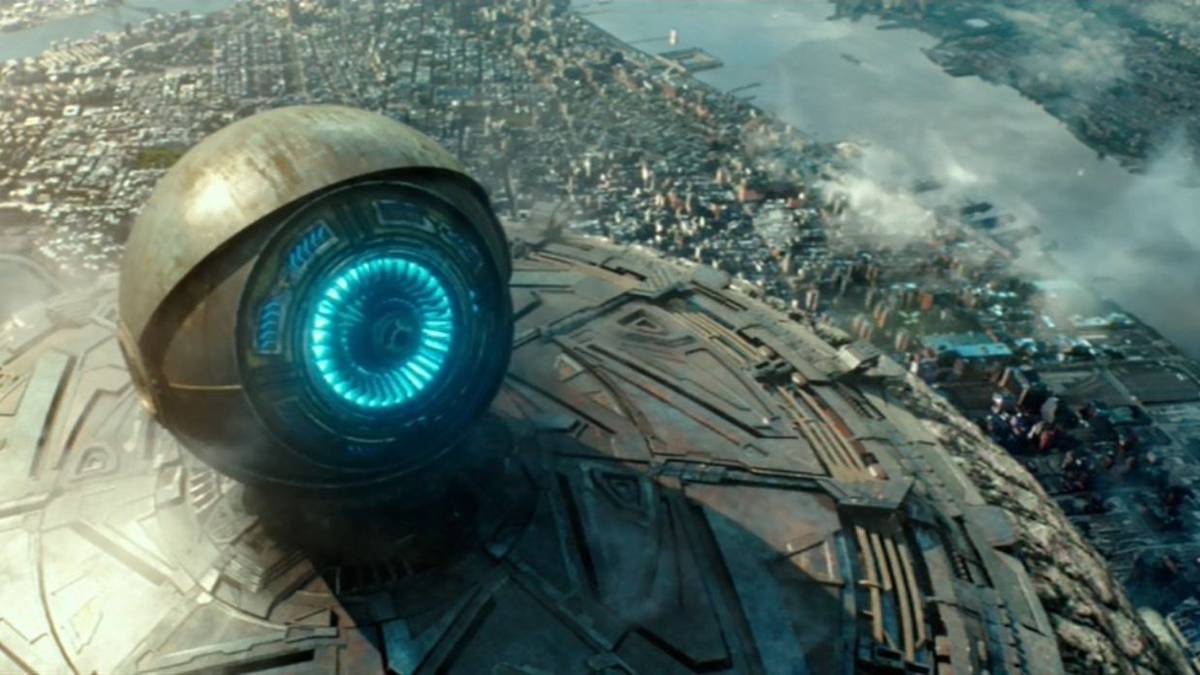
If the 2014 TMNT film was a step into a new cinematic era for the franchise, Teenage Mutant Ninja Turtles: Out of the Shadows aimed for what longtime fans had been craving. The 2016 sequel, directed by Dave Green, discards much of the reboot’s self-serious tone in favor of Saturday-morning energy and lackluster character debuts. Shredder returns and aligns with scientist Baxter Stockman (Tyler Perry), eventually summoning the alien warlord Krang (voiced by Brad Garrett) while unleashing the long-awaited Bebop and Rocksteady on the Turtles. Joining the Turtles in their crusade to stop Krang’s formation of the Technodrome is the street vigilante Casey Jones (Stephen Amell).
This time, the Turtles inhabit a world far closer to the ‘80s animated series, and the movie fully embraces that playful absurdity with a boatload of Easter Eggs. Bebop and Rocksteady are rendered as boisterous, bumbling bruisers. The action is lighter, funnier, and more character-driven, and the sequel gives the turtles more room to breathe. Despite the arrival of Krang and the tease of Dimension X, the dramatic stakes remain intentionally looser and more comedic than the darker 2014 climax. In many ways, Out of the Shadows feels like an apology to fans who struggled with the mixed tone of the previous film.
For older fans of the live-action TMNT films, the Bay-era movies remain a mixed bag in balancing nostalgia, experimentation, and occasionally chaotic execution. But for fans of all generations, the 2016 sequel stands out as the most faithful live-action embodiment of the classic animated series spirit that made the world fully embrace “Turtle Power.”
Catch Teenage Mutant Ninja Turtles and Teenage Mutant Ninja Turtles: Out of the Shadows on Netflix in the US before they disappear into the night on December 17.