
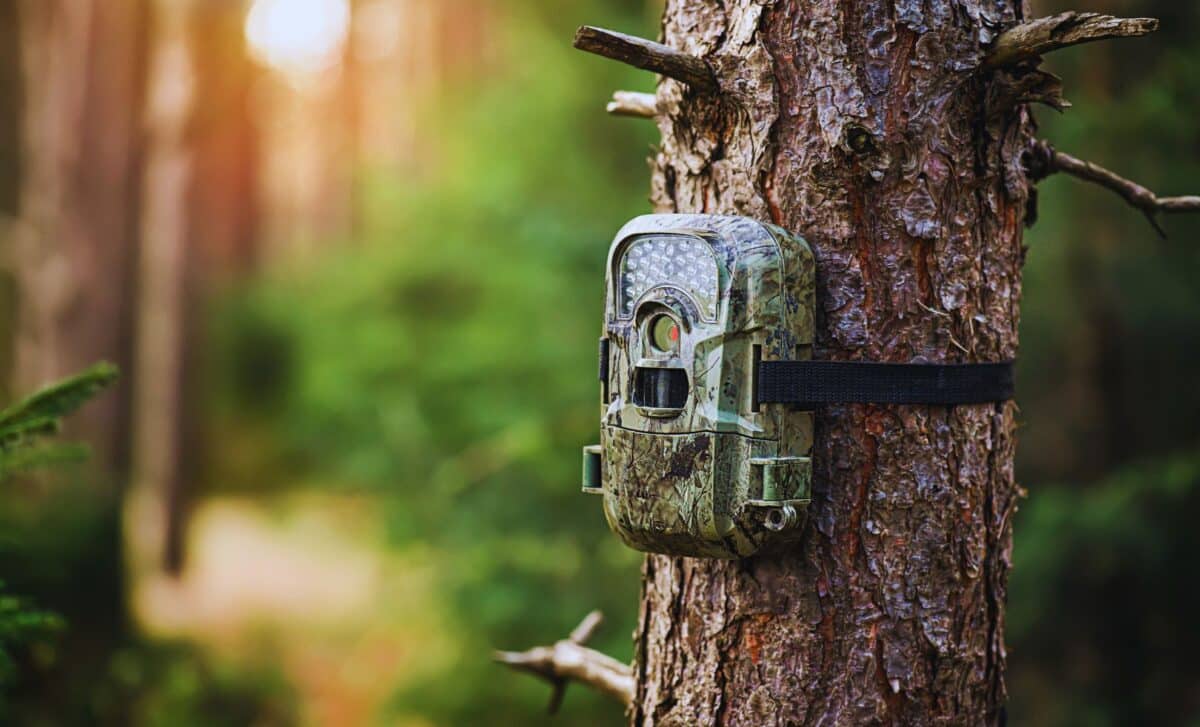
A rare creature has been spotted in Cleveland Metroparks for the first time in over 100 years. The sighting, captured by a wildlife camera earlier this year, is a testament to ongoing conservation efforts and a hopeful sign that the state’s ecosystems are beginning to bounce back.
Once a familiar presence in Ohio’s forests, the fisher, a medium-sized carnivore related to weasels, otters, and minks, vanished from much of the state by the mid-1800s. The reasons? Unregulated trapping and widespread habitat destruction. This elusive mammal hasn’t been seen in Cuyahoga County for over a century, so its reappearance is both a surprise and a source of excitement for park authorities and wildlife enthusiasts alike.
A Creature Once Lost
Fishers used to roam the woodlands of Ohio, but their disappearance is a classic example of human impact on wildlife. Park officials stated in an Instagram post, that, by the mid-19th century, the fisher had disappeared from much of Ohio, driven out by trapping and the gradual loss of its forested habitat.
“This is tremendously exciting, as this is yet another extirpated native Ohio mammal species to be documented for the first time in Cleveland Metroparks,” Park officials mentioned.
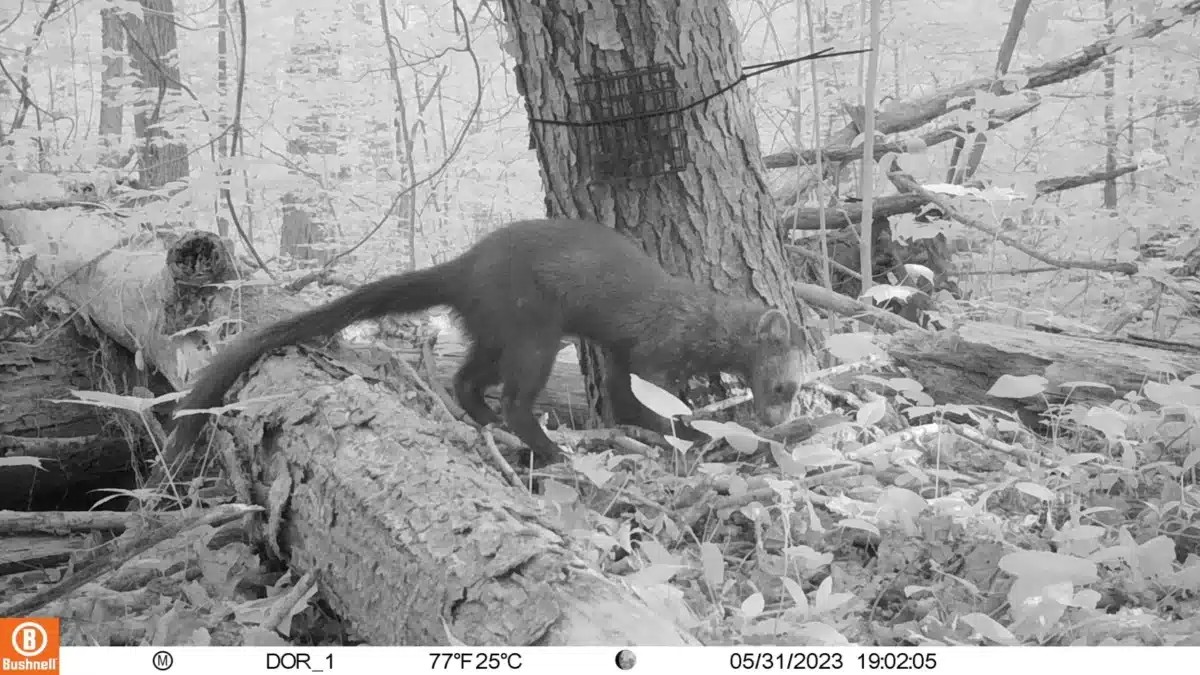
For over 100 years, there had been no verified fisher sightings in Cuyahoga County, until now. The footage shows the creature wandering through the woods, stopping for a moment to stare into the camera.
“We don’t have cameras everywhere, and they don’t see everything,” said Jon Cepek, Cleveland Metroparks wildlife ecologist. “Usually, with our cameras out year-round at sites, sooner or later something goes in front of it.”
According to the DailyMail, The body length of adult fishers ranges from 20 to 25 inches, not including their tails, which can grow up to 16.5 inches. Their weight typically falls between three and 15 pounds. They’re also known for their long bodies, bushy tails, pointed faces, and round ears.
Conservation Pays Off
The creature’s reappearance in Cleveland is part of a broader story about wildlife recovery across northeastern Ohio. The Ohio Department of Natural Resources (ODNR) has confirmed more than 40 fisher sightings in the region over the past three years. The key factor behind this surge? Successful reintroduction efforts in neighboring states like Pennsylvania and West Virginia, where fishers were reintroduced and gradually began to expand their range.
Biologists say fishers are tricky to spot. They prefer dense forests and spend much of their time in the trees, making them one of those creatures that remain mostly hidden from sight. They hunt small mammals like squirrels, and their solitary, elusive nature only adds to the mystery.
 A fisher was detected by a trail camera in Cleveland Metroparks earlier this year. Credit: Cleveland Metroparks
A Sign of Things to Come?
The fisher sighting in Cleveland isn’t an isolated event—it’s part of a wider recovery of native species in Ohio. The Ohio Division of Wildlife is actively tracking the return of fishers and other species like otters and bobcats, which have also been making a comeback in recent years. The growing number of sightings, including evidence of pregnant females and expanding territories, suggests that fishers are beginning to thrive in the state’s forests.
“The return of fishers and other extirpated species like otters, bobcats and trumpeter swans are a result of conservation efforts and emphasizes the importance of our healthy forests, wetlands, waterways and natural areas in Cleveland Metroparks,” they said.
That’s a major win for conservationists, who’ve been working hard to restore Ohio’s natural habitats. Officials are encouraging residents to report any further sightings of fishers to the Ohio Division of Wildlife, so they can continue tracking the species’ progress and learn more about its role in the local ecosystem.
 A fisher was spotted on a trail camera. Credit: Ohio Department of Natural Resources