
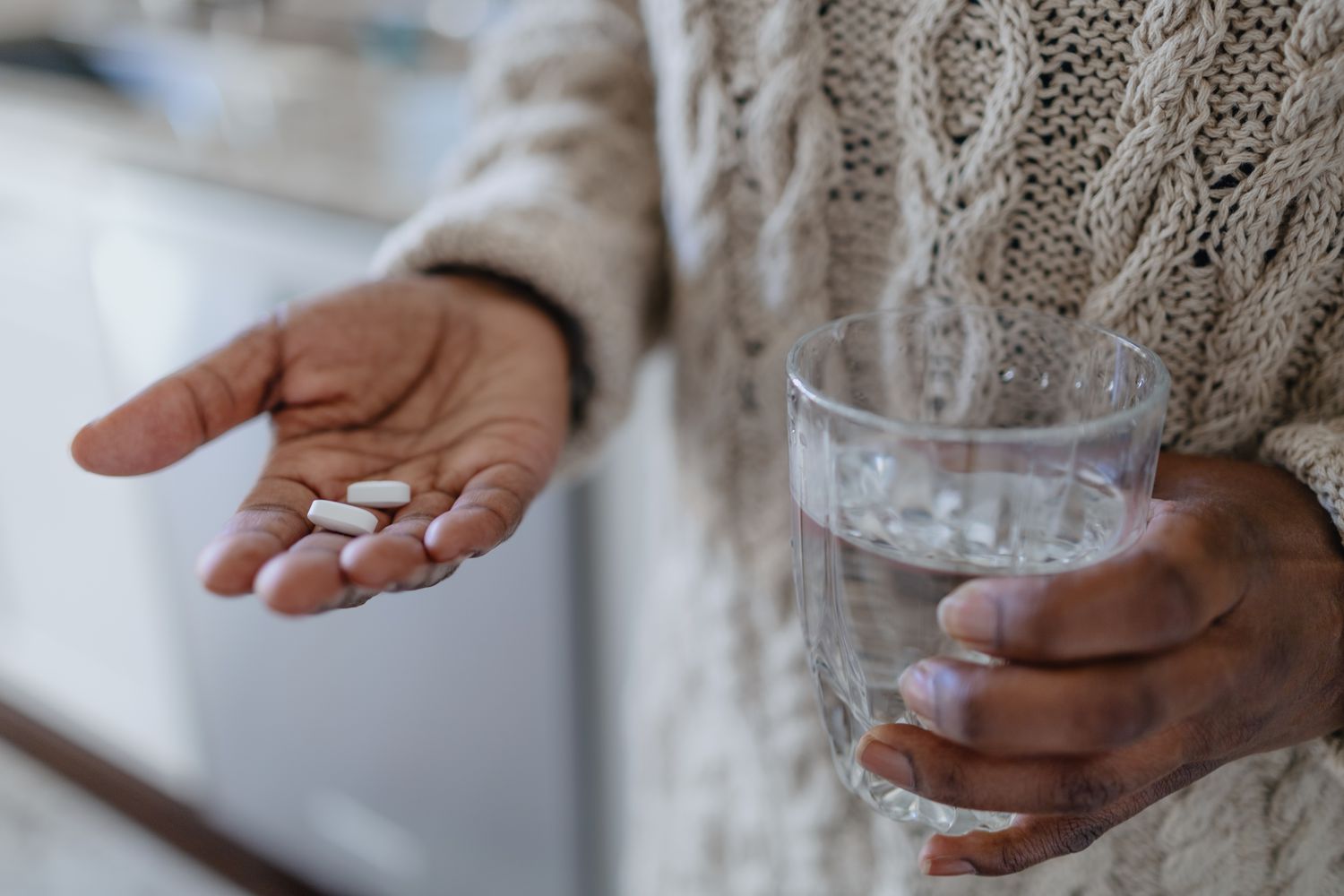
Dietary and herbal supplements may seem harmless, but six popular supplements are linked to liver damage. Learn when to exercise caution and avoid taking too many supplements.
1. Turmeric
Turmeric is a popular dietary supplement for managing arthritis, digestive problems, and liver disease. However, some evidence suggests that turmeric supplements may damage the liver. Supplements with black pepper may cause additional harm since this enhances turmeric absorption.
A 2023 study showed an increase in turmeric-induced liver injuries in the U.S. The researchers examined data from the U.S. Drug-Induced Liver Injury Network between 2004 and 2022. Only 10 cases of turmeric-related liver injuries were reported, but six of these occurred since 2017.
2. Green Tea
Green tea supplements have been marketed as weight loss and cancer-fighting agents. Consuming too much of a specific compound in green tea—epigallocatechin gallate (EGCG)—may harm the liver.
“Regular tea drinking, about 3 to 5 cups per day, does not pose the same risk, as dietary intake provides much lower levels of EGCG,” Caroline Susie, RDN, a Dallas-based registered dietitian and spokesperson for the Academy of Nutrition and Dietetics, told Verywell in an email.
3. Ashwagandha
Some people take ashwagandha for stress relief or to support overall health. There have been reports of ashwagandha-related liver injuries in the U.S.
“The precise toxic threshold is unknown, but reported cases involve high-dose extracts rather than traditional root powders,” Susie said.
While high-dose extracts may cause harm, low dietary intake of ashwagandha is generally safe, she added.
It is important to speak with a trusted healthcare provider before taking ashwaganda, especially if you have a history of liver disease. Taking ashwagandha with other supplements might cause additional harm.
4. Garcinia Cambogia
Garcinia cambogia supplements that contain hydroxycitric acid (HCA) have been touted for weight loss. These may interact with other medications and have been linked to liver damage.
“The risk is higher when combined with other weight loss supplements,” Susie said.
5. Red Yeast Rice
Red yeast rice supplements are said to help lower cholesterol. These contain a natural statin that may cause liver damage, said Nima Majlesi, DO, a medical toxicologist at Northwell Staten Island University Hospital.
People who take higher doses tend to have a greater risk, but due to a lack of regulation, you don’t always know how much you are taking, he added.
Case reports have linked red yeast rice with liver issues. A 2019 case report showed that a 64-year-old woman experienced liver inflammation six weeks after starting a red yeast rice supplement. Once she stopped taking the supplement, her liver enzymes dropped, which suggests that her liver was recovering.
6. Black Cohosh
Black cohosh is an herbal product used to manage menopause symptoms. Some reports have linked supplements labeled “black cohosh” to serious liver damage.
Taking black cohosh with other medications or supplements may cause liver injury. It is important to always speak with a trusted healthcare provider about all of the medications and supplements you take.
Should You Avoid These Six Supplements?
It is important to consider risks before taking any supplement, not just these six. Studies have also shown that supplements are frequently mislabeled, so you don’t always know exactly what you are taking.
“All supplements, you have to question. The reality is because this industry is so poorly regulated, we have no idea, actually, what’s in many of them,” Majlesi said.
What This Means For You
Six popular herbal supplements have been linked with liver toxicity. While the study didn’t prove that these herbal supplements caused liver damage, it’s always best to talk with your healthcare provider before starting any new supplements.
Verywell Health uses only high-quality sources, including peer-reviewed studies, to support the facts within our articles. Read our editorial process to learn more about how we fact-check and keep our content accurate, reliable, and trustworthy.
National Institutes of Health. Dietary supplements: what you need to know.
National Center for Complementary and Integrative Health. Turmeric.
Halegoua-DeMarzio D, Navarro V, Ahmad J, et al. Liver injury associated with turmeric—a growing problem: ten cases from the drug-induced liver injury network [DILIN]. The American Journal of Medicine. 2023;136(2):200-206. doi:10.1016/j.amjmed.2022.09.026
National Center for Complementary and Integrative Health. Green tea.
Acosta L, Byham-Gray L, Kurzer M, Samavat H. Hepatotoxicity with high-dose green tea extract: effect of catechol-o-methyltransferase and uridine 5’-diphospho-glucuronosyltransferase 1a4 genotypes. Journal of Dietary Supplements. 2023;20(6):850-869. doi:10.1080/19390211.2022.2128501
Memorial Sloan Kettering Cancer Center. Ashwagandha.
Lubarska M, Hałasiński P, Hryhorowicz S, et al. Liver dangers of herbal products: a case report of ashwagandha-induced liver injury. IJERPH. 2023;20(5):3921. doi:10.3390/ijerph20053921
MedlinePlus. Ashwagandha.
National Center for Complementary and Integrative Health. Garcinia cambogia.
Memorial Sloan Kettering Cancer Center. Red yeast rice.
Loubser L, Weider KI, Drake SM. Acute liver injury induced by red yeast rice supplement. BMJ Case Rep. 2019;12(3):e227961. doi:10.1136/bcr-2018-227961
National Center for Complementary and Integrative Health. Black cohosh.
Mount Sinai. Black cohosh.
Jagim AR, Harty PS, Erickson JL, Tinsley GM, Garner D, Galpin AJ. Prevalence of adulteration in dietary supplements and recommendations for safe supplement practices in sport. Front Sports Act Living. 2023;5:1239121. doi:10.3389/fspor.2023.1239121
Navarro V, Avula B, Khan I, et al. The contents of herbal and dietary supplements implicated in liver injury in the United States are frequently mislabeled. Hepatol Commun. 2019;3(6):792-794. doi:10.1002/hep4.1346
U.S. Food and Drug Administration. FDA 101: dietary supplements.

Thanks for your feedback!
What is your feedback?
Helpful
Report an Error
Other