
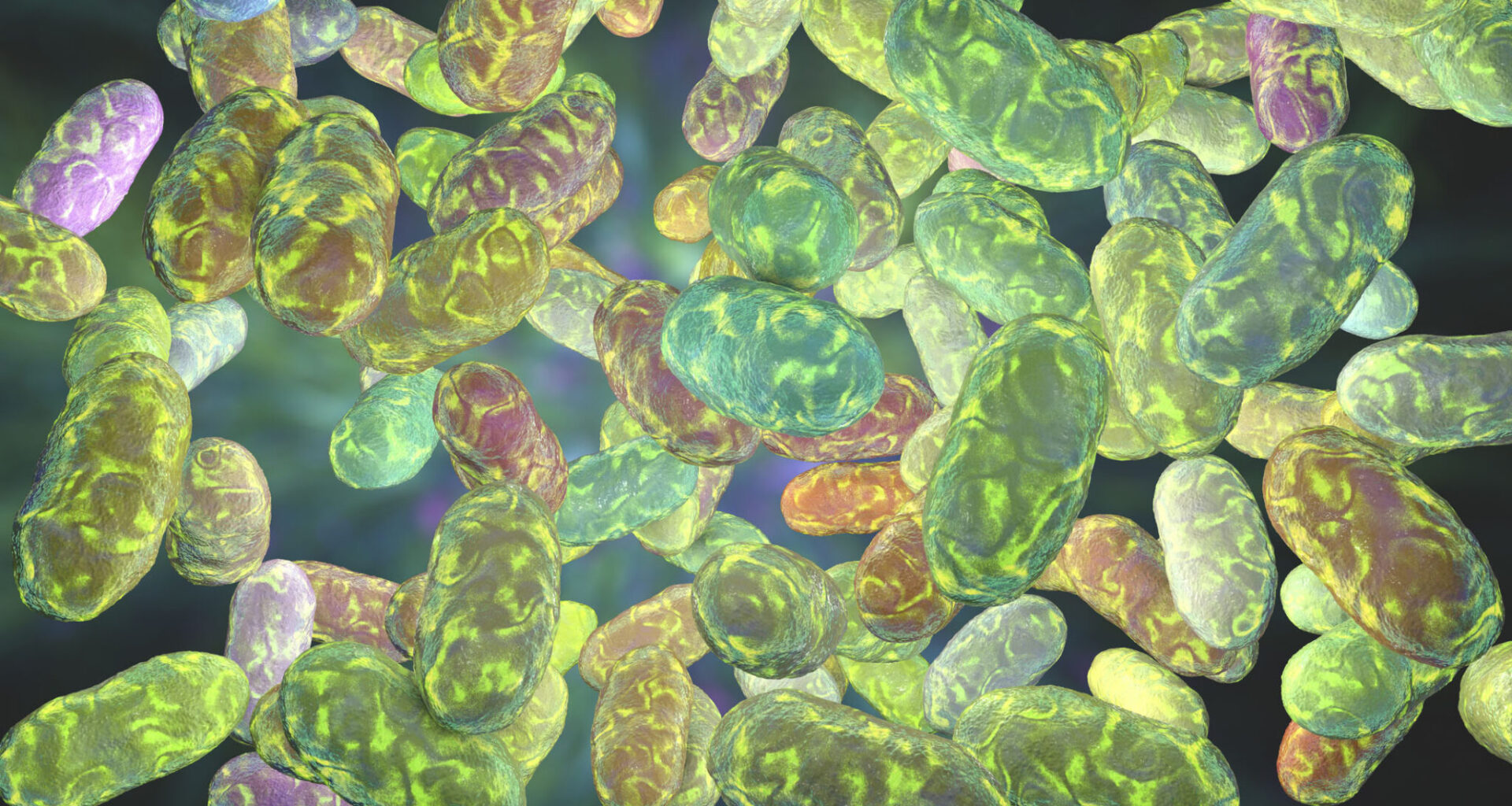
 Bacterial communication — known as quorum sensing — allows microbes to detect their population density and coordinate community behaviour. (iStock)
Dental researchers are exploring how bacterial “conversations” in the mouth shape the ecology of dental plaque — and how interrupting those signals could favour a healthier microbial balance without harming beneficial species.
A team from the College of Biological Sciences and the School of Dentistry at the University of Minnesota has detailed how bacterial communication via N-acyl homoserine lactones (AHLs) influences the composition of oral biofilms, particularly the shift from health-associated bacteria toward species linked to periodontal disease. Their findings were published in the journal npj Biofilms and Microbiomes in late 2025.
Bacterial communication — known as quorum sensing — allows microbes to detect their population density and coordinate community behaviour. In dental plaque, which contains hundreds of microbial species, AHL signals can be produced in oxygen-rich zones above the gumline and perceived by bacteria in oxygen-poor niches below the gumline.
“Understanding how bacterial communities communicate and organize themselves may ultimately give us new tools to prevent periodontal disease—not by waging war on all oral bacteria, but by strategically maintaining a healthy microbial balance,” said Mikael Elias, associate professor in the College of Biological Sciences and senior author of the study.
Related: Bioactive breakthroughs: The next generation of antimicrobial dental materials
Targeting bacteria
Instead of targeting all bacteria with broad-spectrum antimicrobials, the researchers focussed on modulating these chemical signals to tip the balance in favour of health-associated species.
“Dental plaque develops in a sequence, much like a forest ecosystem,” said Elias. Pioneer bacteria such as Streptococcus and Actinomyces generally dominate in early, health-associated communities, while a more diverse set of late colonizers — including Porphyromonas gingivalis linked to periodontal disease — emerge later.
In laboratory models, the team used specialized lactonase enzymes to remove AHL signals, effectively “quenching” quorum sensing. This disruption was associated with an increased relative abundance of bacteria tied to oral health. Conversely, adding external AHLs under low-oxygen conditions tended to promote late colonizers associated with disease.
The results suggest that targeted quorum-quenching strategies, such as enzyme treatments that degrade AHLs, could steer dental biofilms toward stable, health-associated states without eradicating beneficial microbes.
The researchers plan to investigate how these bacterial messages vary across oral sites and in patients with different stages of periodontal disease, with long-term goals of informing microbiome-based therapeutics for oral and systemic health.