
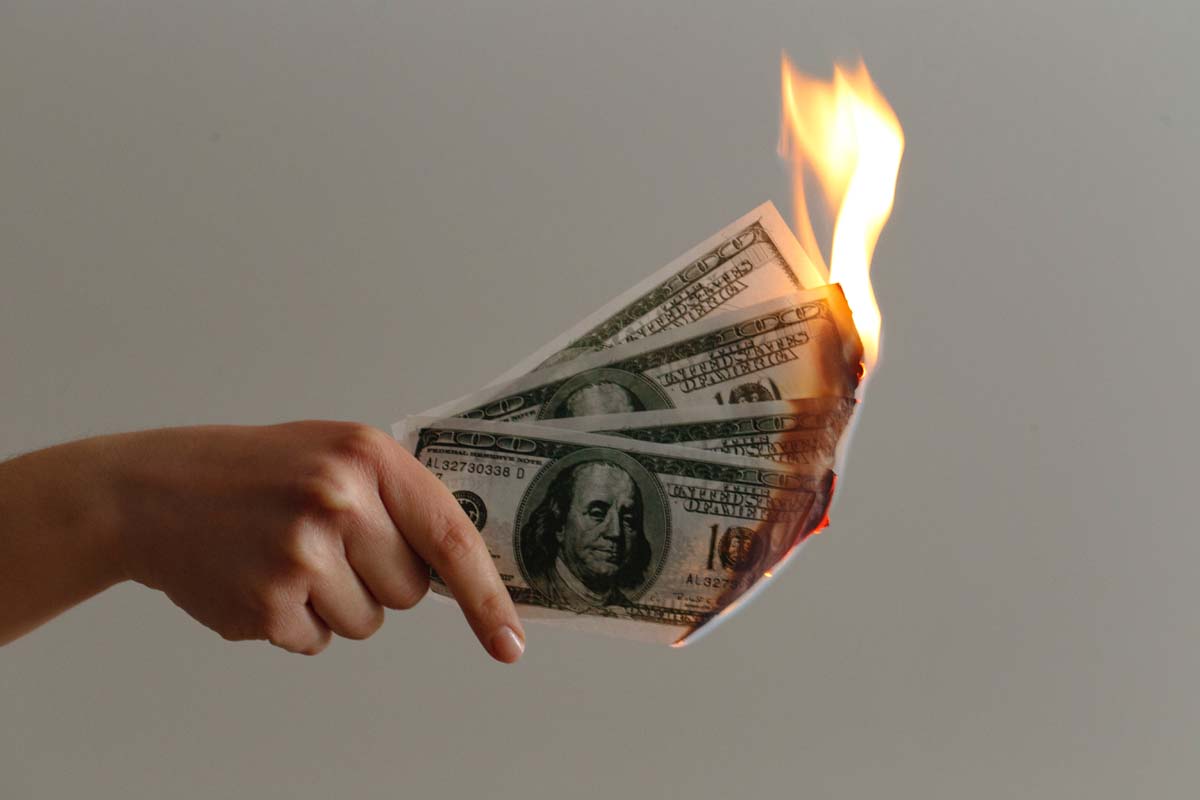
(MENAFN) During the last twenty-five years, the world economy has been repeatedly jolted by financial upheavals that strained markets, institutions, and decision-makers, leaving enduring effects on economic expansion, public and private debt, and investor trust.
Certain disruptions arose from speculative overreach within the financial sector, while others were driven by geopolitical conflict, global health emergencies, or sudden changes in government policy. Collectively, these events generated recurring cycles of rapid expansion and abrupt contraction, destroying trillions of dollars in value and redefining the boundaries of market regulation and state involvement.
From the collapse of the dot-com boom and the global financial meltdown to the eurozone sovereign debt crisis, the COVID-19 market plunge, and the return of restrictive trade measures, the 21st century has been characterized by ongoing instability and sharp fluctuations across global financial systems.
Viewed as a whole, these crises illustrate how governments, central banks, and international bodies have adjusted to a world that is increasingly interconnected, more fragile, and more vulnerable to systemic risk.
As the 1990s came to an end, optimism surrounding internet-focused businesses intensified, igniting a speculative surge in technology equities. Capital flooded into companies with minimal earnings and untested commercial strategies, pushing share prices to unsustainable heights.
This bubble deflated in early 2000, setting off a steep decline in technology stocks. In the two years that followed, trillions of dollars in market value vanished as hundreds of young firms failed and investors reevaluated the dangers associated with speculative ventures.
MENAFN18122025000045017167ID1110497724