
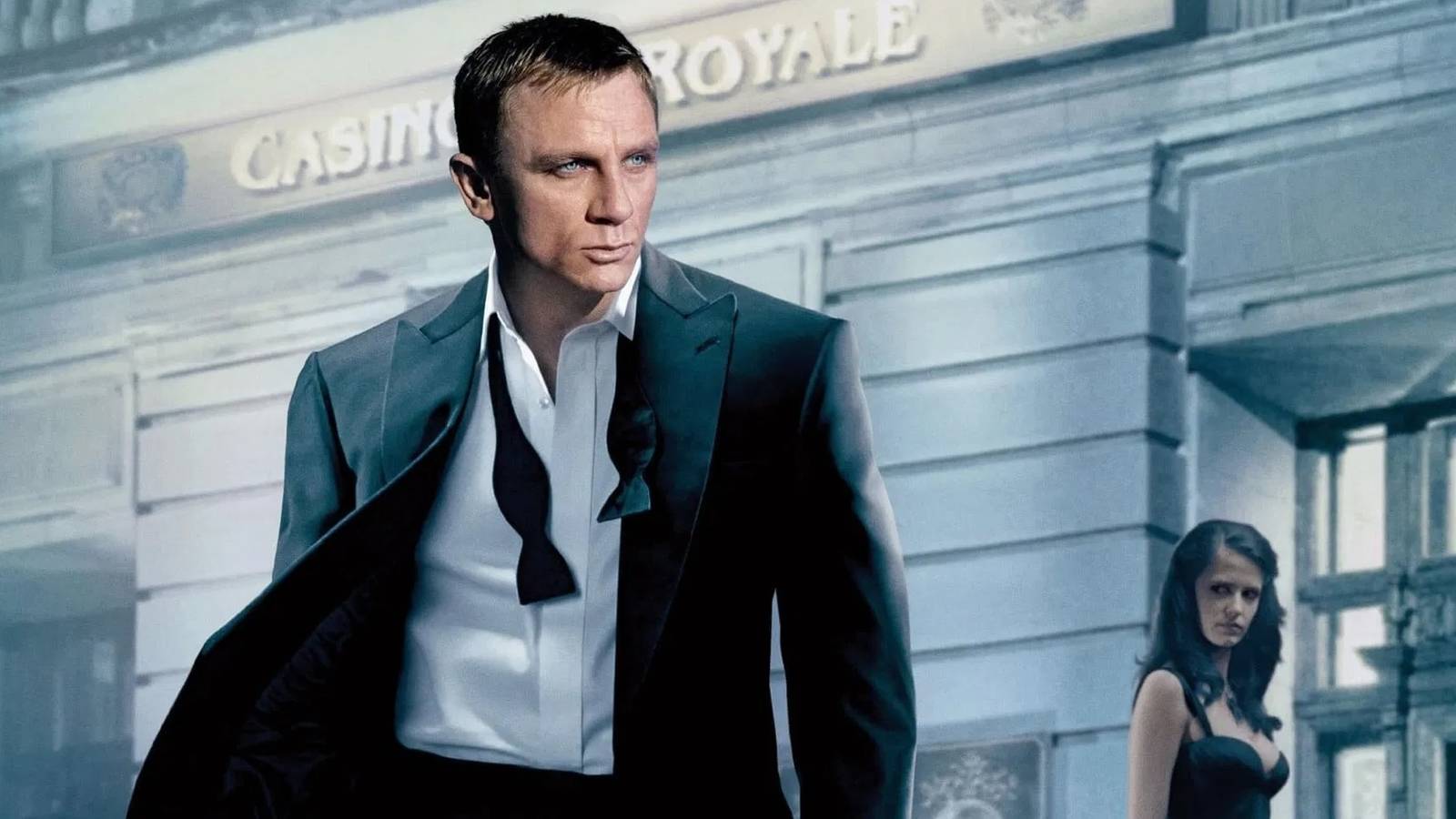
At its best, spy cinema is one of the most engrossing and intense spectacles film has to offer. Whether it is in the form of the action-packed bombast and big set-piece splendor of the genre’s most excessive and exciting blockbuster, or emphasizing a quieter, more suspenseful mode of espionage intrigue and elaborate complexity, the genre has presented its fair share of the most exhilarating pictures cinema has seen over the past century.
An interesting distinction of secret agents is that they must work as government operatives; a fact that may seem like semantics, but one that means such exceptional spy movies as North by Northwest, Bridge of Spies, and—quite ironically—2025’s smash hit The Secret Agent won’t be considered for this list. Still, the films that remain encompass the divinity of spy cinema over the years, spanning from decades-old gems that stand among the greatest thrillers ever made to modern masterpieces of action extravagance.
20
‘Charade’ (1963)
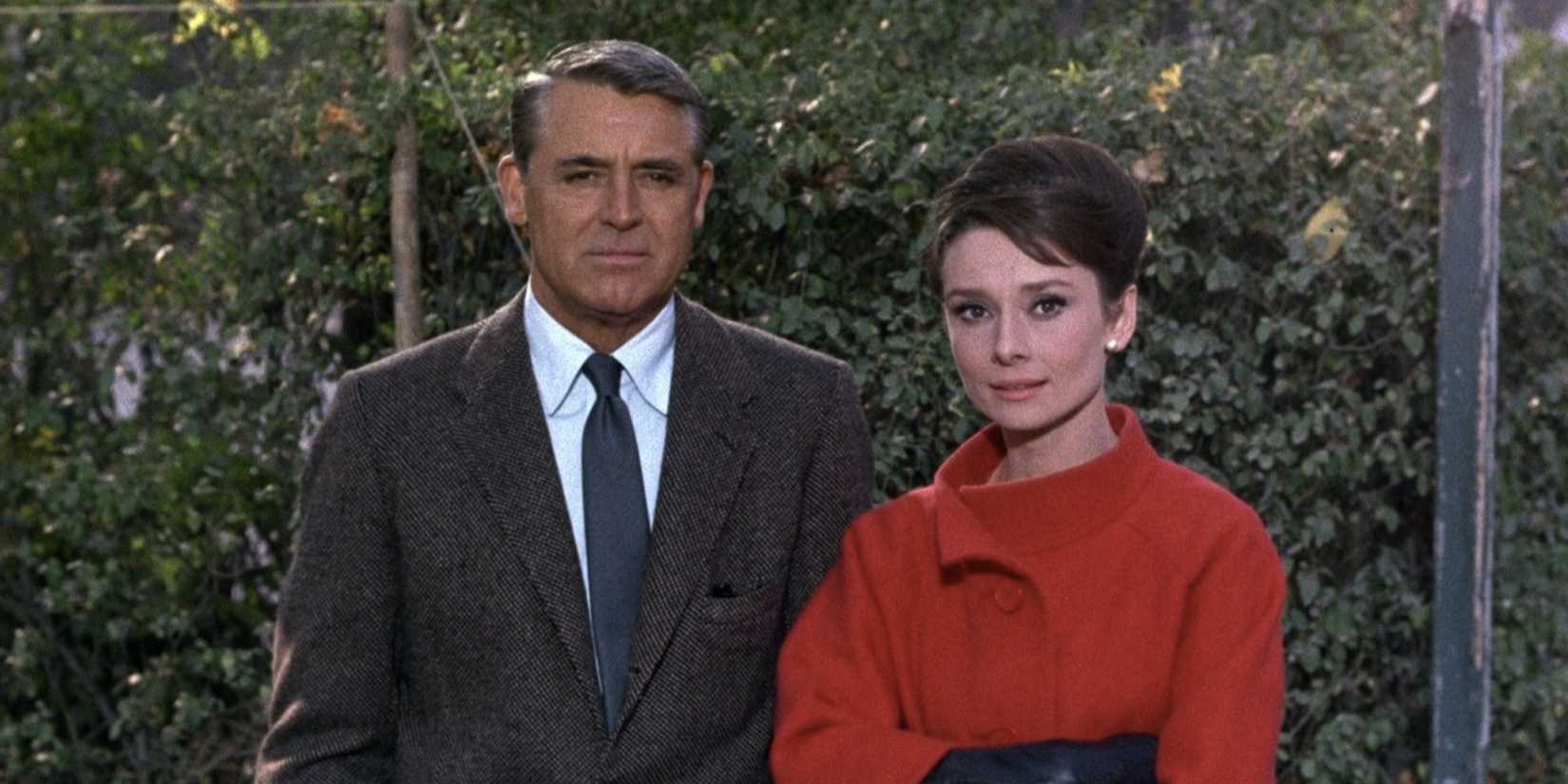
Audrey Hepburn and Cary Grant in ‘Charade’ side by side.Image via Universal Pictures
A star-studded delight that marries secret agent suspense with the effervescent fun of screwball comedy, Charade maintains its dazzling, almost cozy allure even more than 60 years on from its release. A tale of intoxicating duplicity, it revolves around the widow of an art dealer as she is accosted by her late husband’s former WWII cronies who claim he stole a stash of money from them. As the situation escalates, Regina (Audrey Hepburn) turns to the CIA for help.
Armed with vibrant visuals and a litany of wonderfully cheesy performances, Charade’s story of shock twists and unexpected alliances presents a riveting tale of spy intrigue at its most infectiously fun and absorbing. It’s a globetrotting adventure where nothing is what it first seems, a stunning secret agent caper of momentous mayhem and seismic shifts that is confident in its ability to steer viewers on a rollicking journey where American spycraft plays a huge role, even if it may not always seem that is the case.
19
‘The Manchurian Candidate’ (1962)
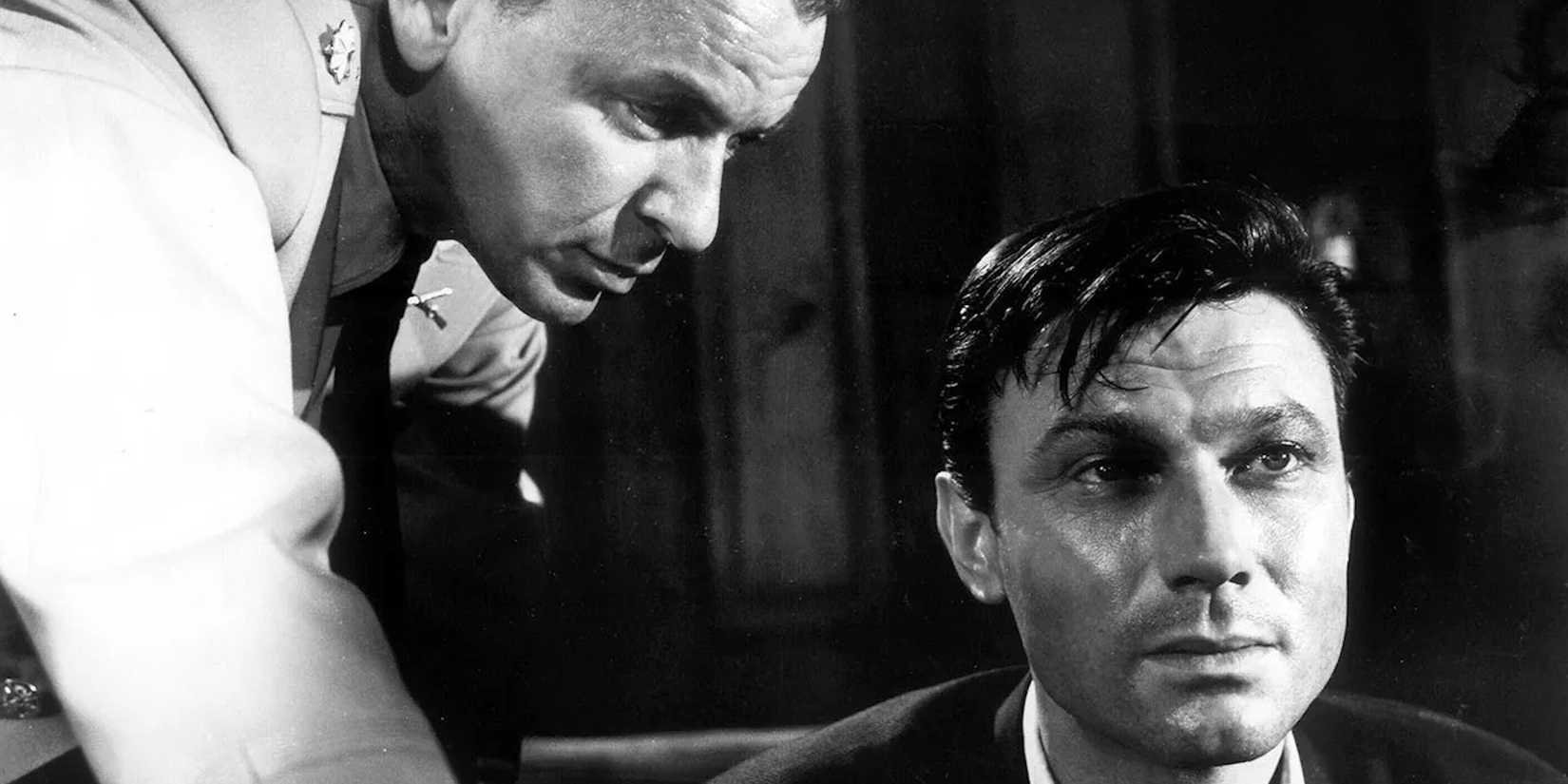
Image via United Artists
One of the earliest movies to use the nature of spy narrative to explore the air of paranoia and panic that was sparked with the onset of the Cold War, The Manchurian Candidate is brilliant as a combination of espionage intensity and scathing political commentary. It centers on the return of a platoon of American soldiers held in captivity by communist powers at the conclusion of the Korean War. While Sergeant Raymond Shaw (Laurence Harvey) is lauded as a hero, his platoon commander is plagued by nightmares of his betrayal, and races to investigate a devastating plot concerning brainwashing techniques and sleeper agents.
Even with its surreal narrative and its satirical punch, The Manchurian Candidate was received as an eerie and uncomfortable movie upon release in the 60s. These qualities have aged little in the 60+ years since, making for an assertive and cold mystery of international espionage still capable of leaving viewers in a state of distress and doubt as they ponder notions of political leadership, military jingoism, and government activities.
18
‘Austin Powers: International Man of Mystery’ (1997)
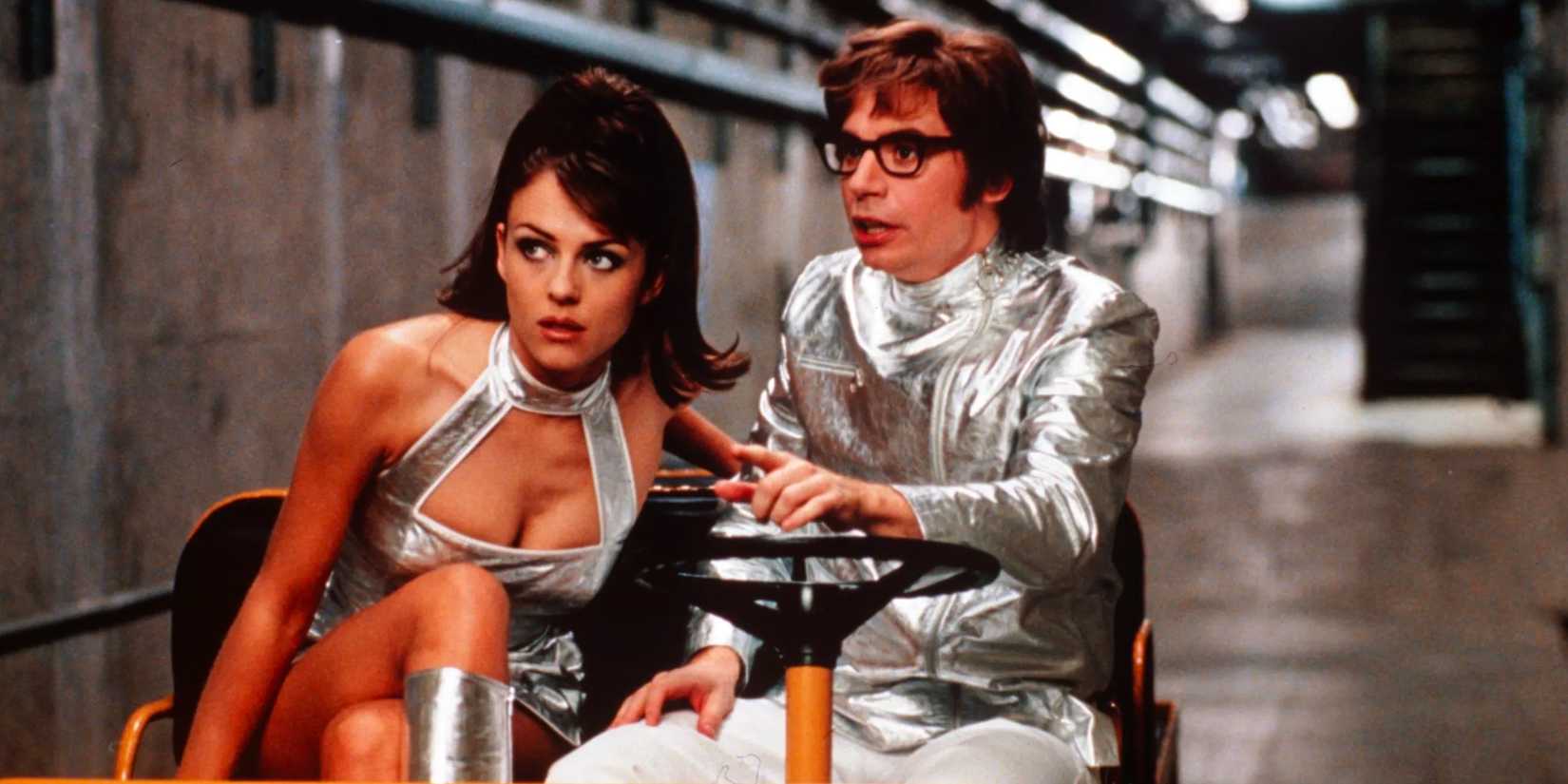
Austin Powers and Vanessa Kensington drive a small cargo carrier van through the narrow hallways of the villain’s base.Image via New Line Cinema
“Yeah, baby, yeah!” Parody movies are often viewed as an enjoyable but low-brow form of comedic entertainment, but every so often one comes around that lampoons a specific genre while still being a brilliant example of it. Airplane! did this with the disaster movie. Galaxy Quest with sci-fi adventure. And Austin Powers: International Man of Mystery did this to extravagant spy movie blockbusters, taking particular aim at the anachronistic sentiments of the James Bond franchise.
Following Austin Powers (Mike Myers), a British spy from the 1960s who is awoken from cryogenic sleep to combat the dastardly schemes of his arch nemesis Dr. Evil (also Myers) who has returned from space, the movie offers 89 minutes of juvenile fun completely at the expense of the most eccentric and exaggerated movies in spy cinema. By targeting genre tropes, it presents a laugh-out-loud movie of espionage absurdity and hysterical tastelessness that masters the art of ridiculous comedy while delivering a spy story of inspired lunacy and infectious immaturity.
17
‘On Her Majesty’s Secret Service’ (1969)
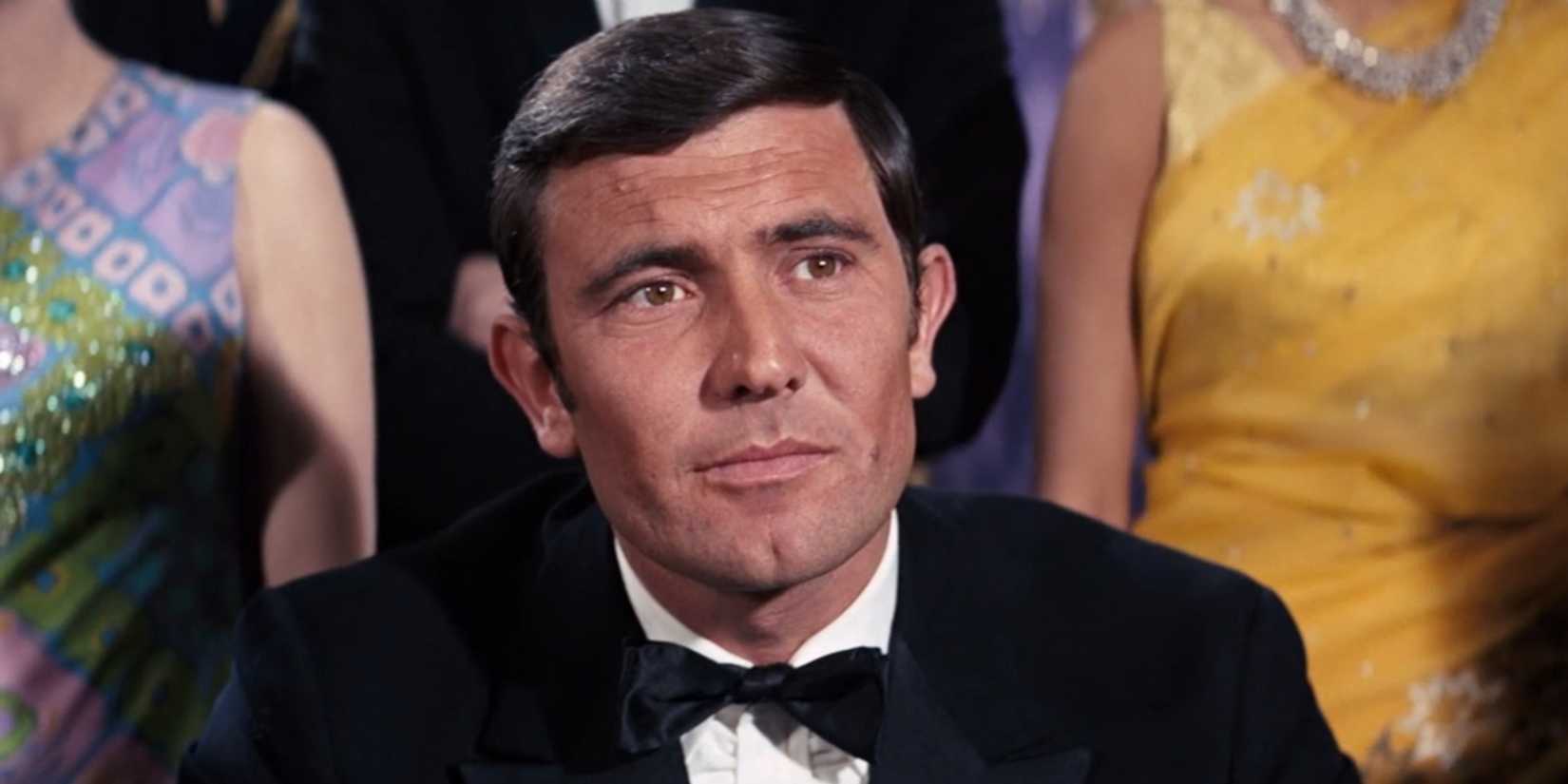
James Bond, played by George Lazenby, looks ahead in On Her Majesty’s Secret Service.Image via United Artists
By far the most underrated of all the Bond movies, On Her Majesty’s Secret Service marked the franchise’s first foray into a future without Sir Sean Connery. With Australian George Lazenby occupying the role of 007, the movie was initially received as being a bit of a misfire, but as audiences have grown accustomed to different versions of Bond over the decades, retrospective analysis has been kind to it, even if it remains something of a hidden gem that steers the franchise into surprisingly dramatic and dark waters.
Covering Bond’s efforts to defeat Ernst Stavro Blofeld (Telly Savalas) as well as his blossoming love with Contessa Tracy di Vicenzo (Diana Rigg), it contains all the usual fun of a Bond flick while still flaunting an eye for romantic tragedy and powerful emotional beats. There have been bigger Bond films, and even a couple of better ones (more on those later), but On Her Majesty’s Secret Service is perhaps the franchise’s most piercing installment, one made distinctive for its narrative boldness and its confident sense of dramatic gravitas that has proven to be quite timeless.
16
‘Spy’ (2015)
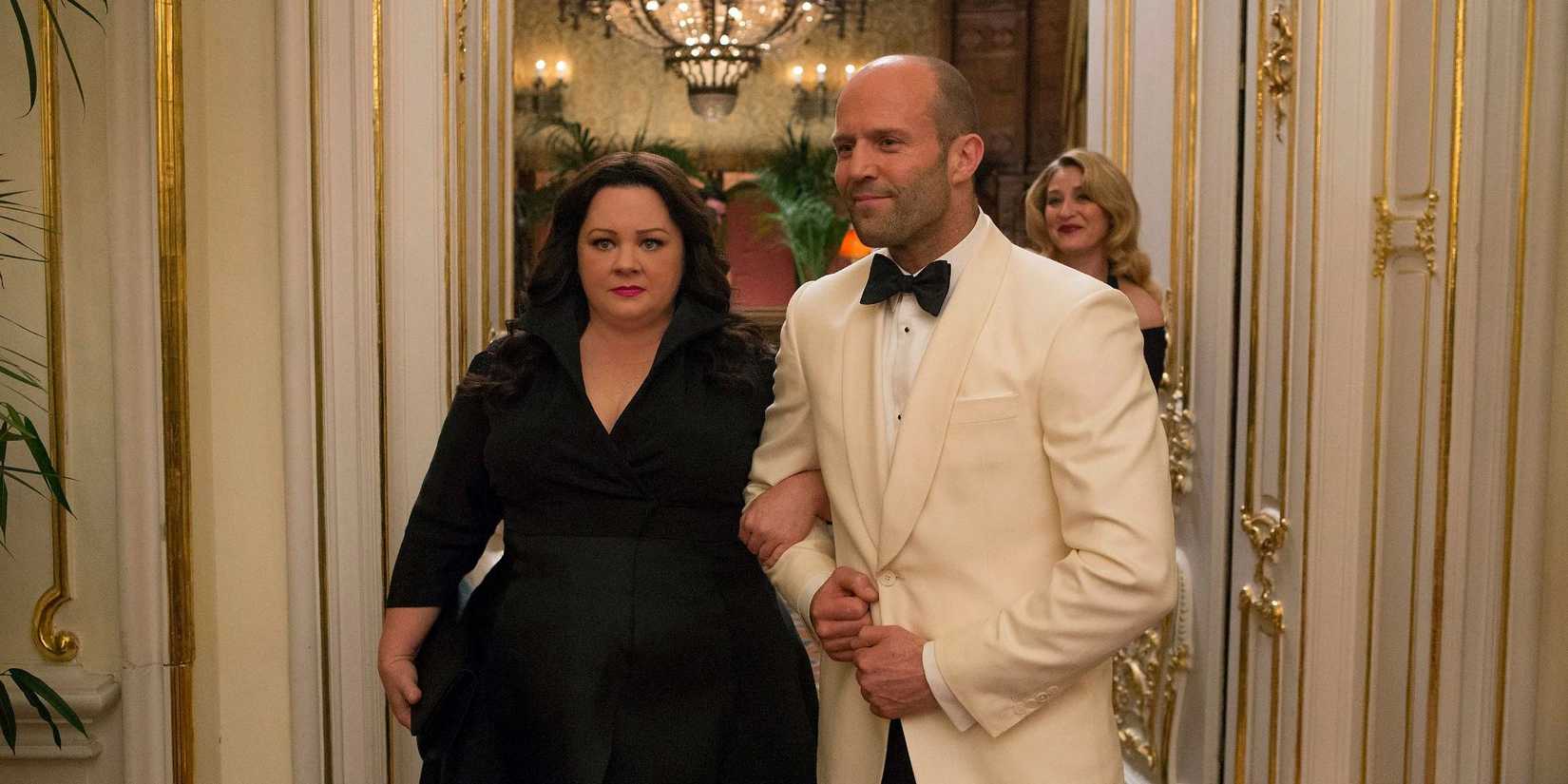
Melissa McCarthy and Jason Statham walking into a room in Spy (2015)Image via 20th Century Studios
One of the surprise sensations of 2010s cinema, Spy is an effervescent and entirely enjoyable comedy spin on spy cinema that thrives with Paul Feig’s sharp direction and Melissa McCartney’s marvelous lead performances. She stars as Susan Cooper, a desk-bound CIA agent who assists field operative Bradley Fine (Jude Law) in his missions. However, when Fine is killed on a job, Cooper is tasked with completing the undercover assignment relating to an international arms deal and a looming global disaster.
The film is brilliant at finding the comedy embedded within the formula of spy action, delivering a hysterical comedy of espionage suspense that coasts on McCartney’s delightful lunacy which transforms the exhilarating sophistication of secret agents into a relatable and hilarious form of comedic expression. Bolstered by a snappy screenplay and a dazzling ensemble cast of stars turning in sensational performances, Spy is a treat of secret agent cinema that repurposes the genre’s tropes as a resource for comedy to sublime effect.
15
‘The Spy Who Came in from the Cold’ (1965)
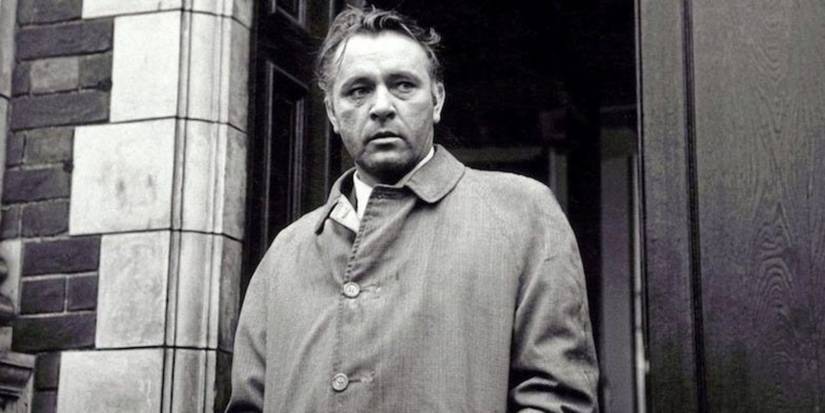
Richard Burton as Alex Leamas in ‘The Spy Who Came in from the Cold’ (1965)Image via Paramount Pictures
The first of several John le Carré adaptations to feature on this list, The Spy Who Came in from the Cold removes the sensationalism and spectacle that was running riot in 1960s spy cinema, instead embracing a tone of subdued suspense and dramatic detail in its story of disinformation and defection. Richard Burton stars as Alex Leamus, an MI5 agent operating in West Berlin who is tasked with posing as a pseudo-defector to gain intel concerning captured colleagues. When he himself is apprehended, Leamus finds himself embroiled in a web of schemes and deceit that proves difficult to navigate.
Like so many spy movies that have come since, The Spy Who Came in from the Cold masters the art of blending the innate complexity of the genre with intriguing insights into human values and the strains of loyalty and national morality. It’s a taut and tactful gem of grounded spy drama, an exploration of British Cold War operations that lands with visceral impact as it delves into the ambiguity and confounding complexity of international espionage.
14
‘The Ipcress File’ (1965)
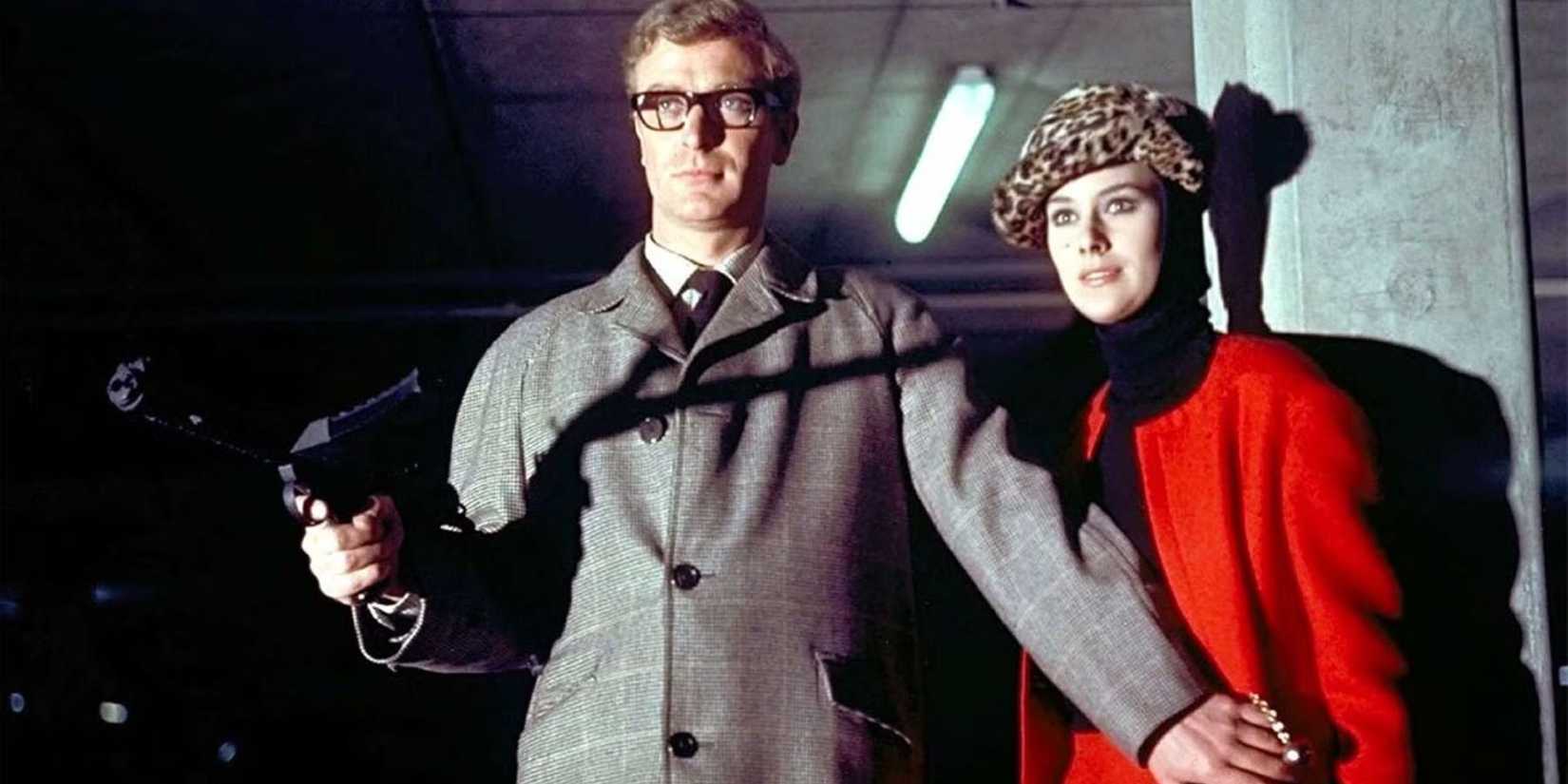
Michael Caine as Harry Palmer in ‘The Ipcress File’Image via Rank Film Distributors
Another 1965 spy movie based on one of le Carré’s works, and another dismantling of the contemporary romanticism and extravagance surrounding espionage thrillers, The Ipcress File is a taut and tactful gem of grounded suspense and eerie conspiracy that thrives with Michael Caine’s lead performance. He stars as Harry Palmer, an operative with a criminal past working for the Ministry of Defence who is tasked with retrieving a kidnapped scientist and figuring out why 16 other British scientists have abruptly quit their jobs despite being at the peak of their careers.
Unglamorous and taut yet enchanting with its elaborate plotting, The Ipcress File is a treat of obscure spy drama that was defined by its determination to fight against the grain with regard to the excessive espionage thrillers of its time and, today, is known for its gritty realism and unwieldy narrative. It launched a number of sequels, both directly and decades later, and its cultural impact remains as evident as ever.
13
‘A Most Wanted Man’ (2014)
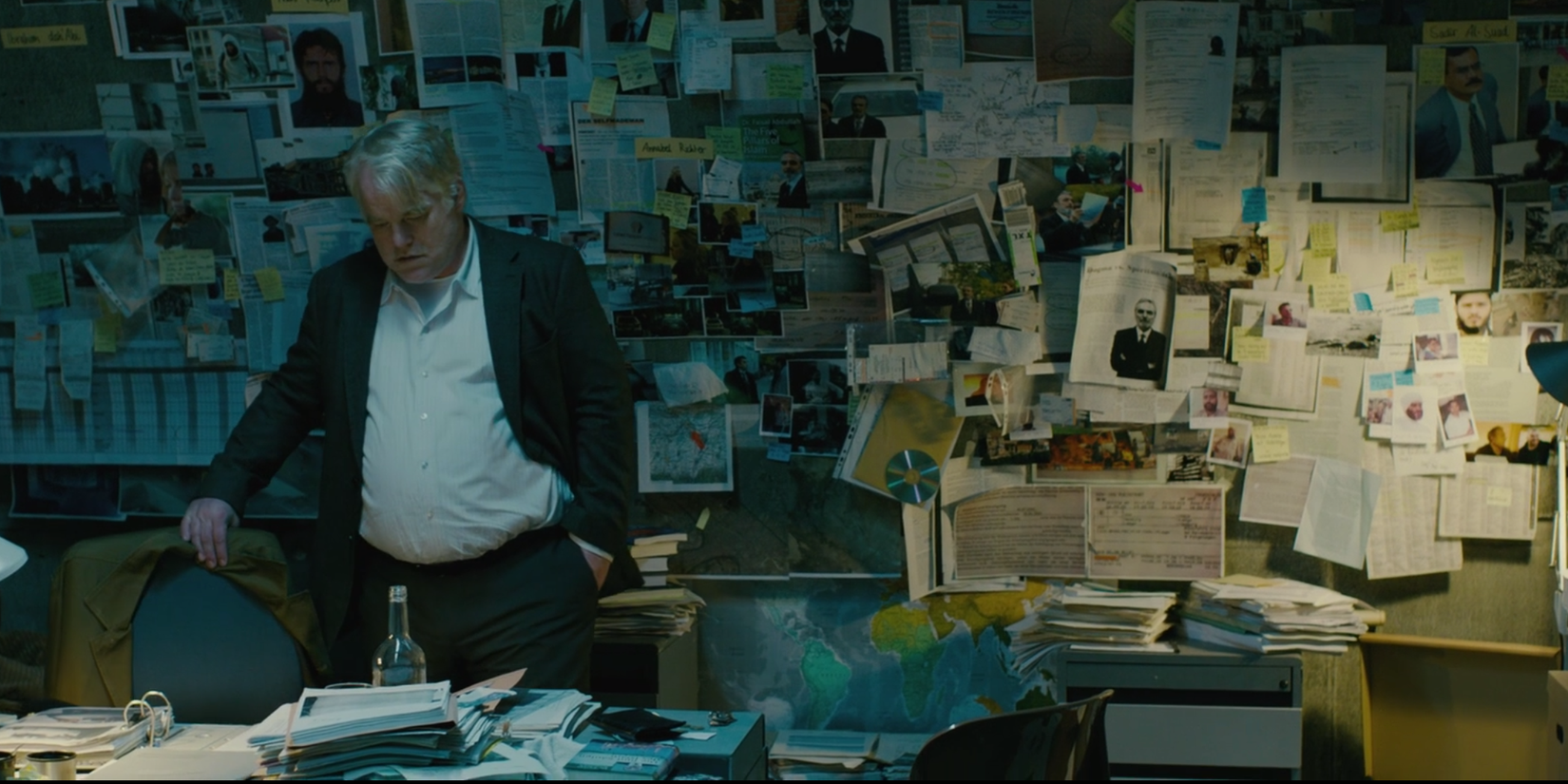
Philip Seymour Hoffman as Gunther Bachmann in ‘A Most Wanted Man’Image via Lionsgate
Coasting on Phillip Seymour Hoffman’s commanding screen presence and a taut sense of grounded tension, A Most Wanted Man is a spy movie made for modern anxieties. Hoffman stars as a German intelligence officer who manages a covert anti-terror unit and sets his sights on a Muslim asylum seeker who enters the country illegally. When he determines his target isn’t a terrorist asset, he tries to use him in an elaborate ploy to gain intel on a financier rerouting charity funds to a shipping company that serves as a front for al-Qaeda.
Adapted from John le Carré’s 2008 novel, A Most Wanted Man thrives as a steady yet suspenseful examination of counter-terrorism in a post-9/11 world, flaunting the imbalance between morality and efficiency in such work as its most compelling and contemplative aspect. Also functioning as an analysis of rival agencies working under the same government, competing for power rather than operating in unison, the film is a bleak and brutally realistic look at spy ethics and self-minded secret agents that stands as one of the most underrated spy movies released this century.
12
‘Three Days of the Condor’ (1975)
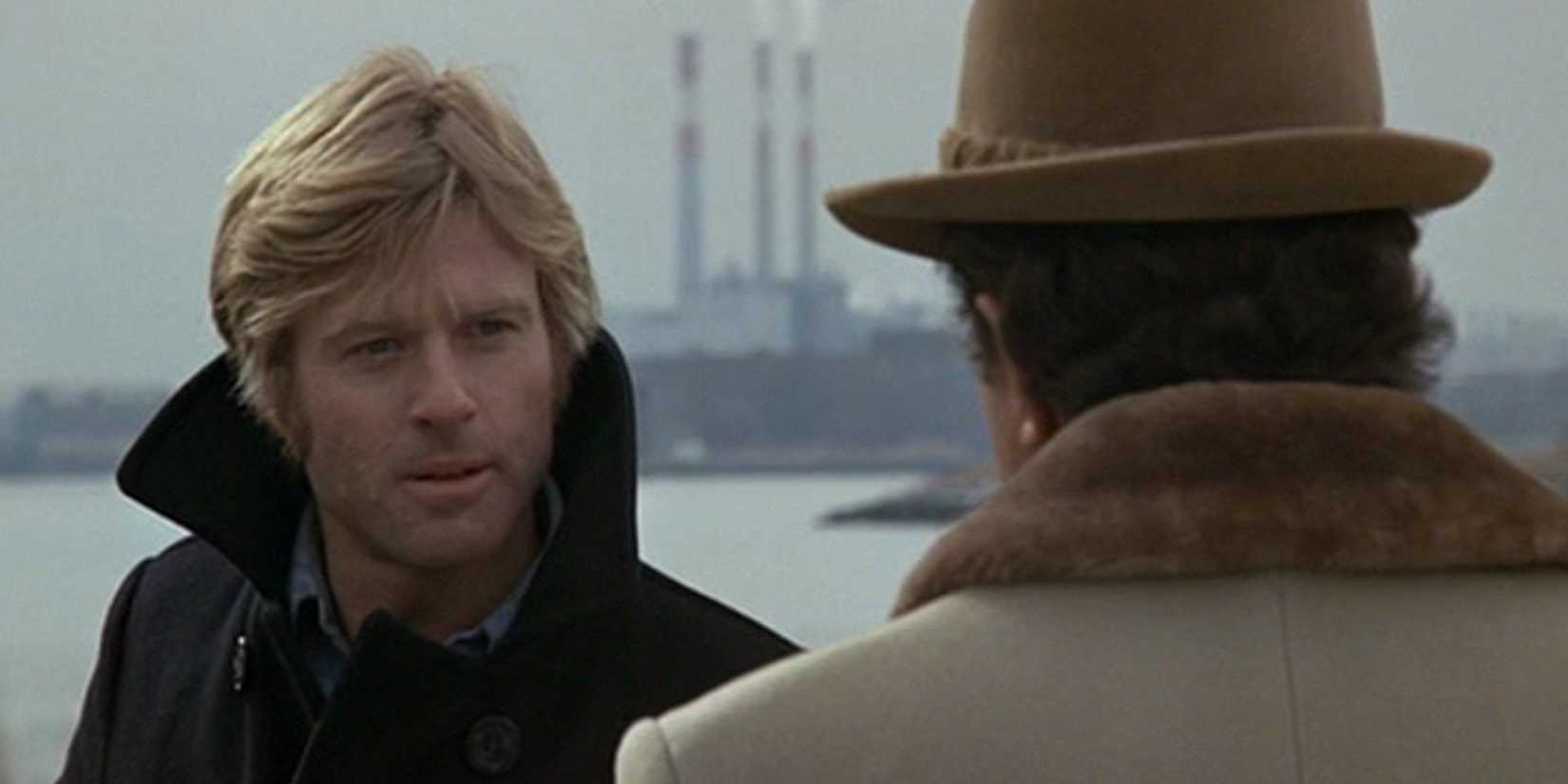
Robert Redford in ‘Three Days of the Condor’Image via Paramount Pictures
Based on James Grady’s “Six Days of the Condor,” Three Days of the Condor stands as one of Sydney Pollack’s most defining films, a picture of gripping intensity that captures the air of paranoia and pessimism that had taken hold in post-Watergate America. A compelling tale of institutional rot and ferocious suspense, the 1975 movie follows bookish CIA analyst Joe Turner (Robert Redford) who, after returning from his lunch break to find his co-workers killed, embarks on a pulsating quest for safety and justice that exposes the moral decay of the agency he serves.
Tense, absorbing, and even occasionally scary in its examination of power and corruption, Three Days of the Condor sits comfortably among other 70s films like All the President’s Men and The Parallax View as being great films that capitalized on society’s growing cynicism and distrust for the government throughout the decade. It strikes a fine balance between heart-stopping conspiracy thrills and real-world issues to be one of the defining American movies of the decade as well as a piercing secret agent movie with several timeless qualities.
11
‘La Femme Nikita’ (1990)
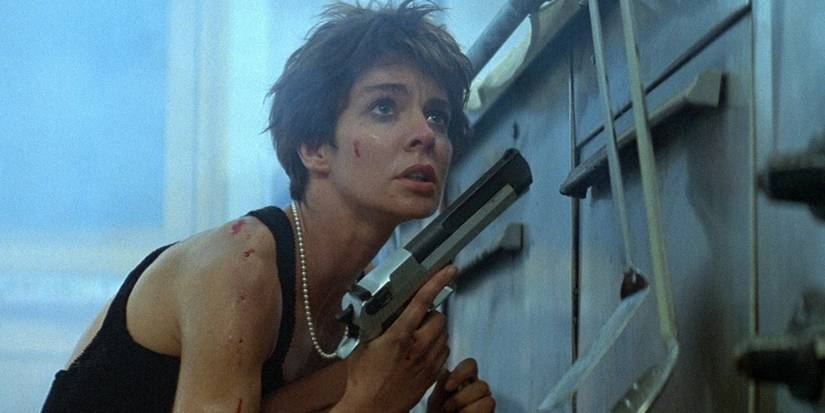
Image via Gaumont Distribution
Combining the suspenseful allure of secret agent cinema with an invigorating sense of stylized action sensationalism, La Femme Nikita excels as a foray into big screen spectacle undercut with themes of transformation and coercion. It focuses on Nikita (Anne Parillaud), a troubled teen sentenced to life in prison who is then recruited by the French government, receiving training to become a ruthless sleeper agent and an expert assassin. Complications arise, however, when she falls in love with a cashier who has no idea about her double life.
There’s an absurdist quality to La Femme Nikita, but it is driven by sheer entertainment value and surprisingly considered and nuanced emotional beats, making for a wonderfully dynamic and engaging action-thriller that offsets its fascination with stylized violence with intriguing depths and a beautifully-realized character arc. Such is the success of the film in international markets, several sequels and television spin-offs have been made over the decades, but none have come close to recapturing the vibrant punch and emotional heart of the original film.