
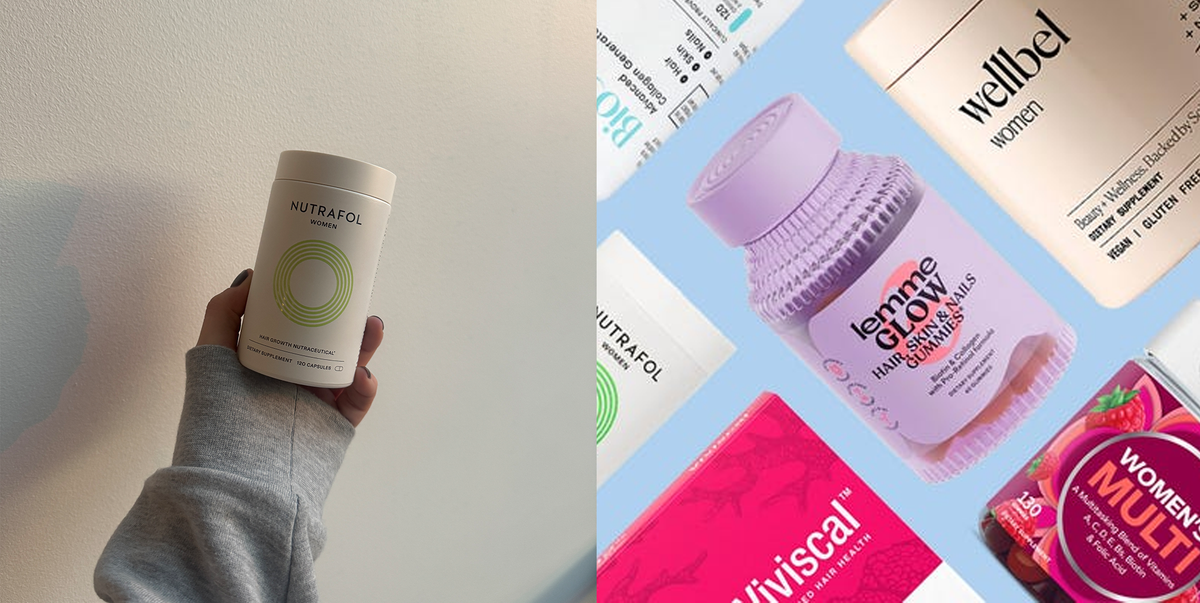
6 Best Hair Growth Vitamins and Supplements That Actually WorkDo hair-growth vitamins work?
Most hair-growth vitamins, gummies, and supplements contain a blend of so-called hair-friendly ingredients—think biotin, folic acid, vitamins D, A, C, and E, plus omega fatty acids—designed to support stronger, shinier, healthier-looking hair over time. These nutrients are often meant to work synergistically, with noticeable results promised after a few months of consistent use. But do they actually deliver? The short answer: it depends.
What vitamins for hair growth work?
Hair-growth vitamins aren’t one-size-fits-all—the ingredients that help depend on why you’re losing hair in the first place. Most supplements contain vitamins people already get through food, which means they won’t automatically lead to longer, thicker hair.
However, supplements can help if a doctor confirms a deficiency. Dermatologist Dhaval Bhanusali, MD, notes that low vitamin D levels—extremely common even in healthy people—have been linked to slowed hair growth. Iron deficiency is another big one. “Many dermatologists see improved shedding when patients with low iron start iron and vitamin D supplements,” he says. Always check with your doctor before supplementing, since taking too much can backfire.
If you’re not vitamin-deficient, hair-growth supplements are unlikely to do much. “For people without deficiencies, supplements might only improve hair growth a little,” says trichologist Dominic Burg.
Now that we’ve got that out of the way, here are our reviews for supplements that may work for you, based on our testimony and reading all the reviews. You should always connect with your doctor before implementing any new vitamins, so feel free to bring this list to your next appointment to figure out which (if any) are right for you.
” data-next-head/>Skip to Content

We may earn commission from links on this page, but we only recommend products we love. Promise.
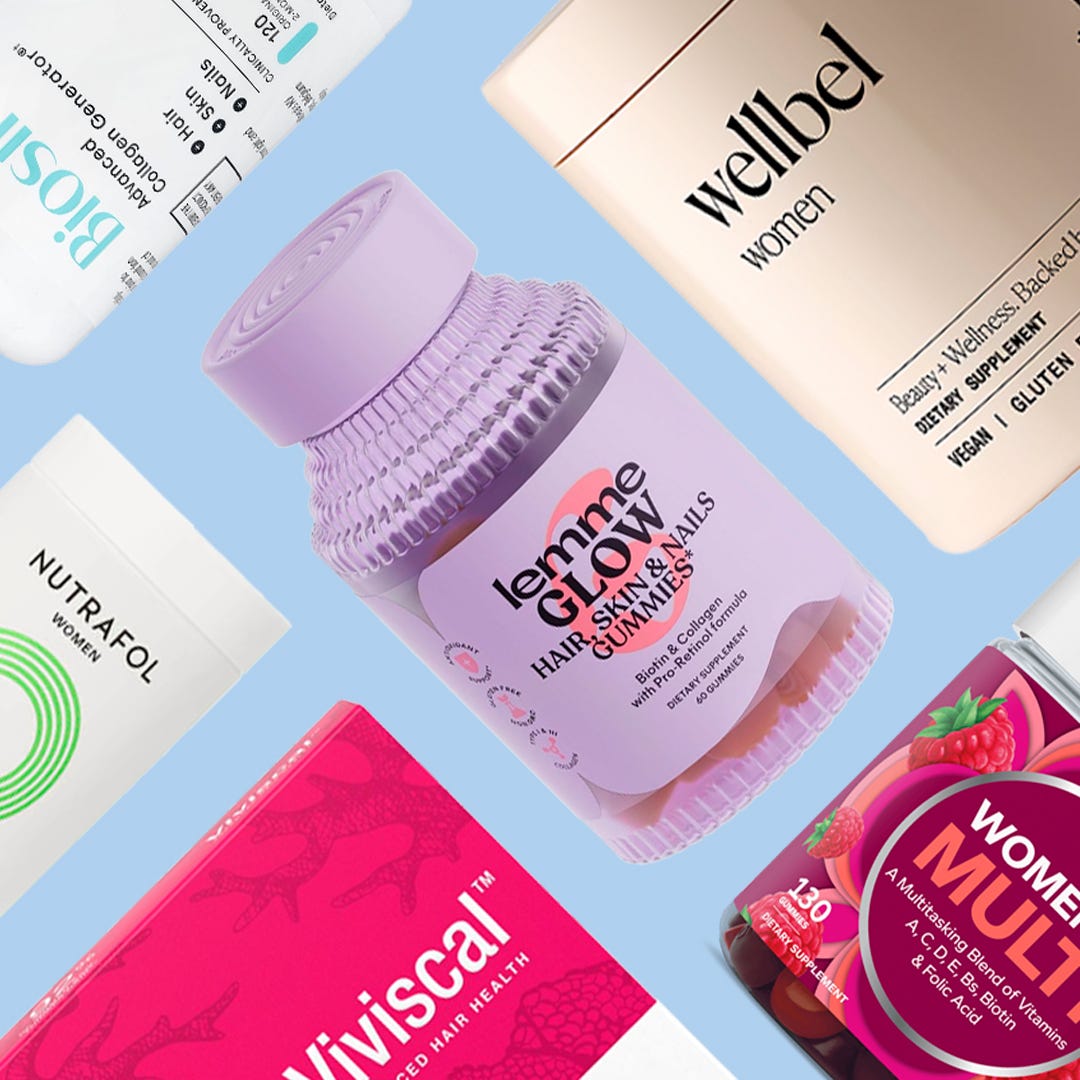
 Product Shot Image
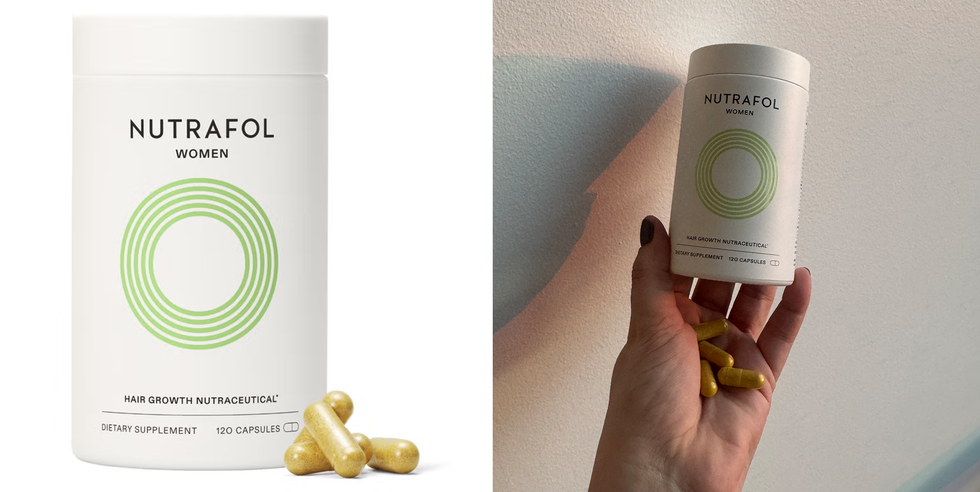 Credit: Courtesy of Nutrafol / Beth Gillette for CosmopolitanPros
 Loved and recommended by dermatologistsUses a mix of vitamins, minerals, botanical extracts, and more to target multiple causes of hair loss and thinningCons
 Have to take four supplements daily
Why we love it: No hair-growth supplement has a cult-like following in the same way that Nutrafol does. Strangers will tell me they know nothing about beauty, but then immediately ask me what I think about Nutrafol. (And by my awarding it the #1 spot on this list, it should tell you I’m a big fan.) And it’s so popular because of the thousands of anecdotes and testimonials from reviewers who rave about how this helped their hair grow when nothing else was working. Oh, and all the dermatologists who recommend it too.
How does it work? Nutrafol is packed with so many essential vitamins and minerals you need for healthy hair, including zinc, selenium, biotin; and vitamins A, C, and D. But there’s also a mix of other extracts that help get to other root causes of hair loss and thinning. Collagen peptides helps promote stronger hair, hyaluronic acid moisturizes, resveratrol fights against free radical damage, and ashwaghanda helps calm (stress and irritation are huge factors contributing to thinning). But that’s just scratching the surface—the formula truly is loaded with ingredients to potentially boost hair growth as well as protect the hair you already have.
BTW, they also have a specific version for people over 45 that can help with perimenopause and menopause-related hair concerns. The formula is ever-so-slightly different, so make sure you pick up the right one for you (and as always, connect with your doctor first).
One shopper says: “I was skeptical for a while and decided to finally get it. I have been using for almost 2 months. I have naturally really fine hair that falls out when brushing/washing. But ever since using this it has made my hair much thicker, healthier, shiny, and visibly longer! I have had no negative side affects. If you are considering; get it!!!”
 Features at a GlanceFormCapsuleKey ingredientsVitamin A, vitamin C, vitamin D, sea kelp, ashwaghanda, hyaluronic acid, biotin, zinc, seleniumDosage4 per day
Advertisement – Continue Reading Below
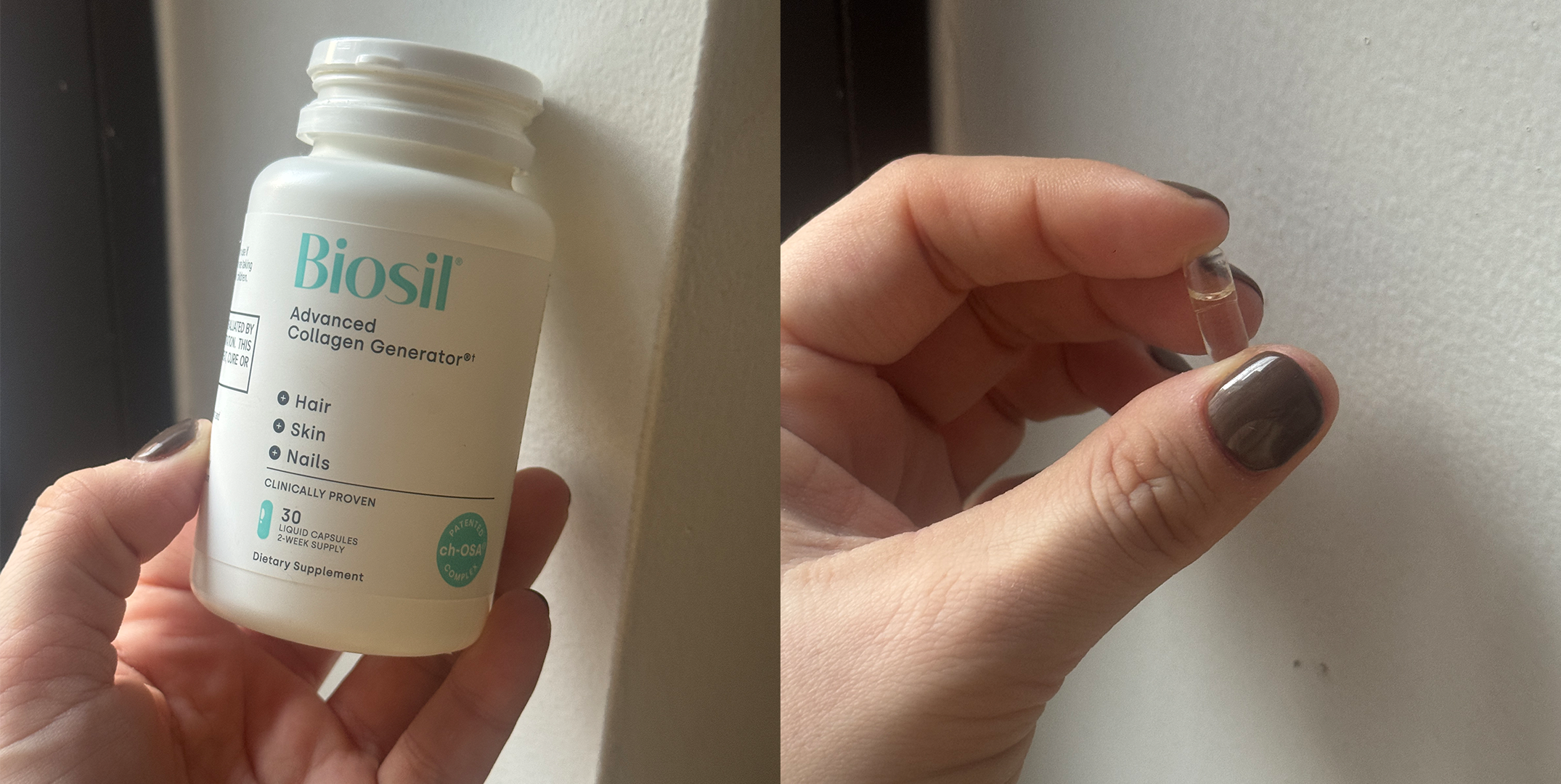 Beth Gillette for Cosmopolitan
One Cosmo editor says: “I have such a hard time getting myself to take vitamins. It’s a problem; my doctor hates me. Anyway! This one is actually easy because it’s only two tiny pills per day. I keep it with my skincare, and ever since I started taking these, I’m calling my hairstylist for root touch-ups way more often the last few months.”—BETH GILLETTE, BEAUTY EDITOR
Why we love it: Thinning hair requires a multi-prong approach, one of which should definitely include a visit to your dermatologist. But one supplement that many doctors have recommended is Viviscal. It helps nourish your hair and scalp with biotin, iron, and vitamin C to encourage hair growth with time.
One shopper says: “After about three months, I noticed ‘baby hairs’ near my thinning patches. These continued to grow into normal length diameter hairs. My hair in the thinning areas looks thicker, and I am less self-conscious about the thinning.”
Features at a GlanceFormCapsuleKey ingredientsBiotin, vitamin C, ironDosage2 per day
Advertisement – Continue Reading Below
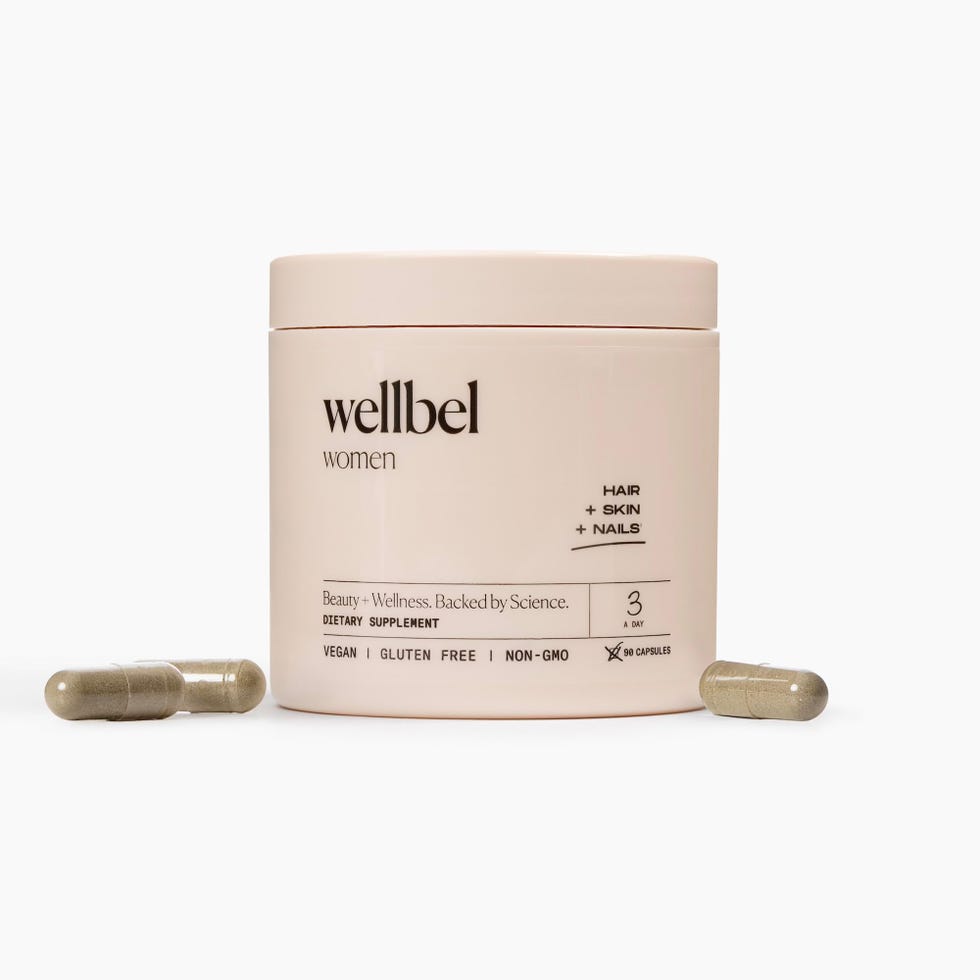 ProsDoesn’t contain as much biotin as other supplements, so it’s potentially better for acneReviewers rave about how shiny and full their hair looks after usingConsTesters say the capsules can be a bit hard to swallow
Why we love it: Most people (hi, Cosmo editors) with acne-prone skin have been told they can’t use hair-growth vitamins. Many supplements are loaded with biotin (aka vitamin B7), which could be great for encouraging hair growth, but also has the potential to trigger breakouts in excess. With Wellbel, though, only has a sixteenth of the amount of biotin as many of the popular hair-growth vitamins on the market, significantly reducing the amount in your body and not being as likely to aggravate acne-prone skin. On top of that, Wellbel also contains vitamins A, B12, and D; folate, selenium, and saw palmetto, and stinging nettle leaf.
Features at a GlanceFormCapsuleKey ingredientsBiotin, vitamin A, vitamin B12, vitamin D, folate, selenium, saw palmetto, stinging nettle leafDosage3 per day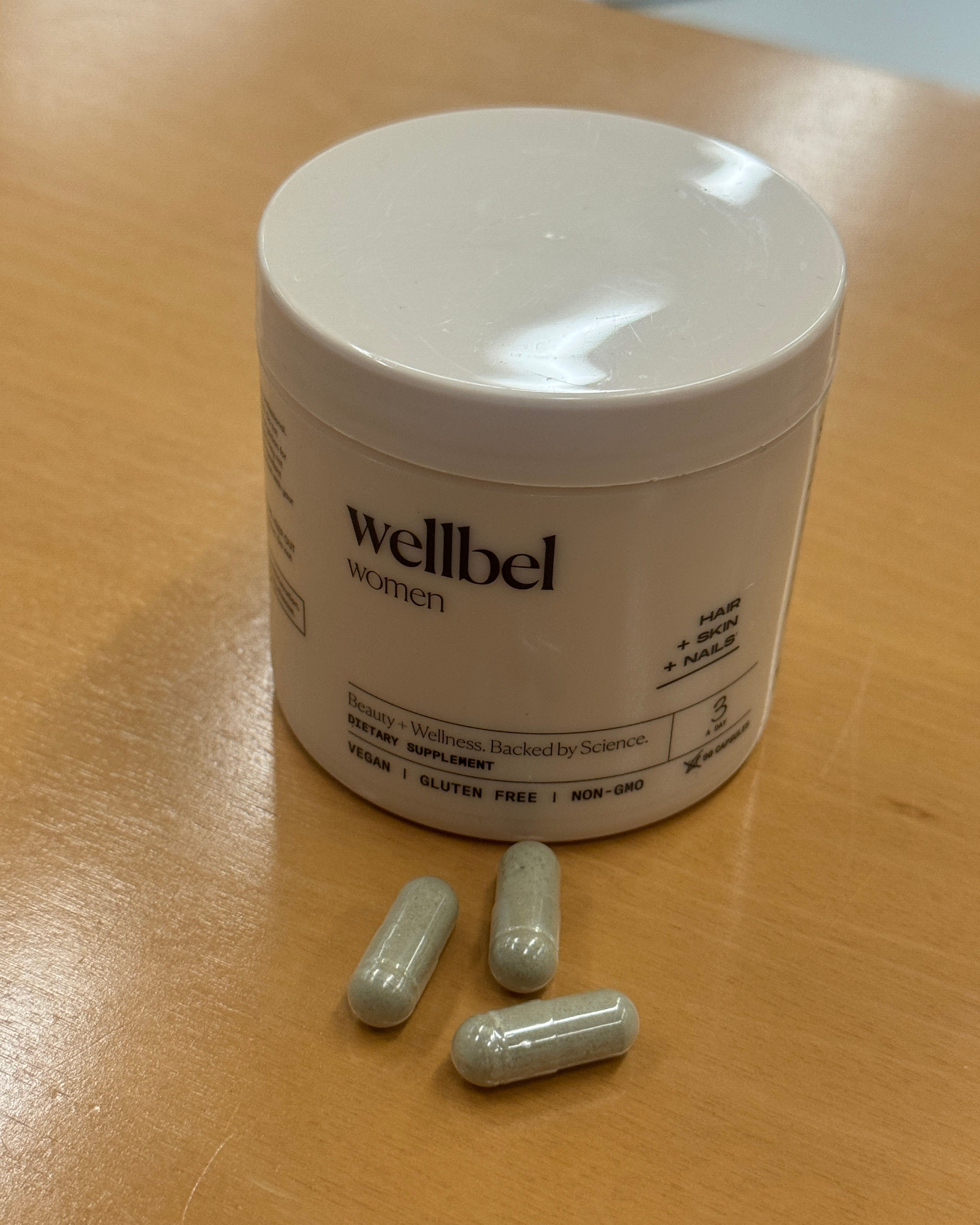
One Cosmo editor says: “Two years ago, I went through a breakup that basically ruined my life, therefore, my hair. When I was finally back in a normal headspace, I started taking Wellbel, and I thank it wholeheartedly for getting me back on track. Afterward, my hair felt thicker and fuller and was finally starting to grow again.”—BG
Advertisement – Continue Reading Below
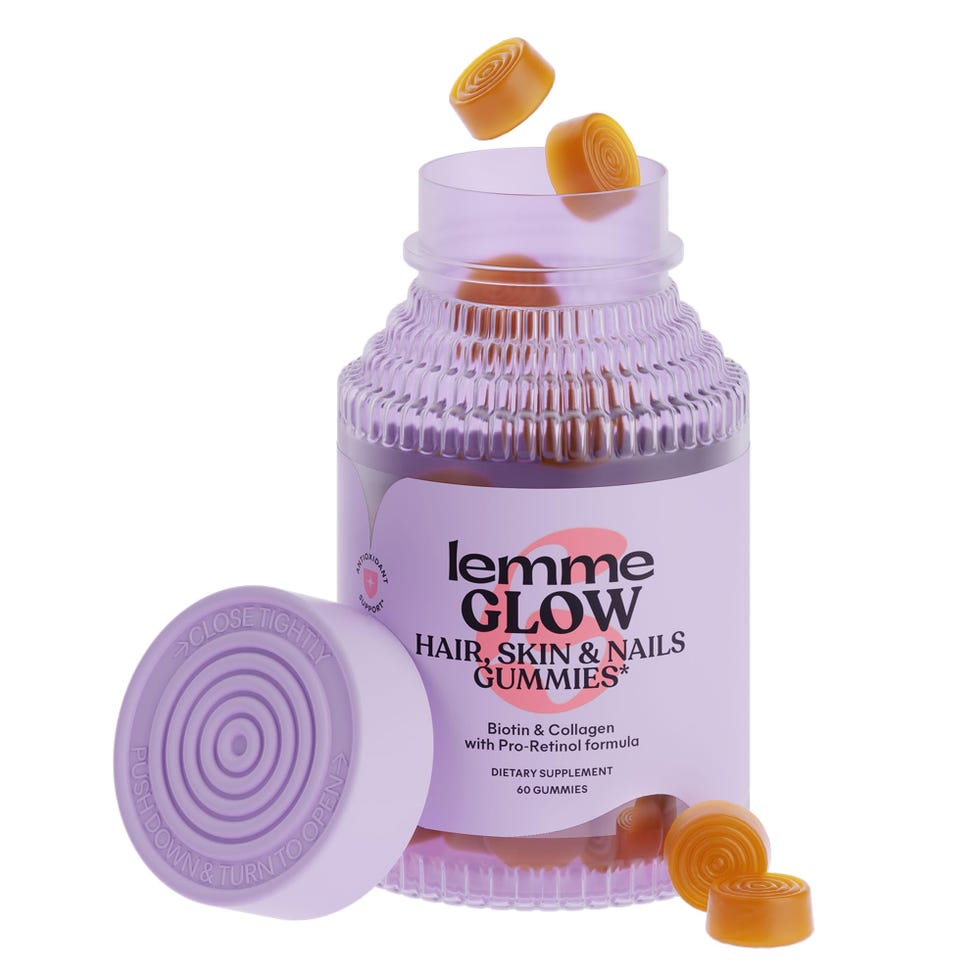 ProsThese taste so good and don’t have a chalky feel to themMany reviewers say it’s also helped improve their skin’s radianceConsContains sugar
Why we love it: IDC that I’m a 29-year-old woman, I freakin’ love taking gummy vitamins. However, lots of times they contain a whole lotta sugar and not a lot of the hair-loving ingredients I want to help encourage growth. Lemme’s Glow gummy is different. Two gummies only has 2g of sugar, which is decent for gummy vitamin standards. Best of all, though, is the ingredients list. Vitamin A, vitamin C, vitamin E, biotin, zinc, collagen, and trace minerals—all of which are vital for improving hair, skin, and nail health (and let’s face it, overall health).
One shopper says: “I got these to help reduce hair loss and help my skin and hair be healthy. The gummies are really yummy and don’t have any weird side effects—no upset tummy like other supplements. Since starting them, I have noticed less hair loss.”
Features at a GlanceFormGummiesKey ingredientsVitamin A, vitamin C, vitamin E, biotin, zinc, collagenDosage2 per day
Why we love it: Sometimes, the answer is just a standard multivitamin, as hair loss and thinning can be caused by so many physical and mental factors. “There are a lot of women running around who are vitamin deficient and don’t realize it, either because of dieting, poor nutrition, or intense stress,” says trichologist Dominic Burg. And when you’re super stressed or not eating enough, “your body will shut down your hair growth first and redirect nutrients and energy to the organs that need it most,” he says, thus leaving you vitamin-deficient and your hair growth at a standstill.
That said, there are several key nutrients and vitamins you may be lacking that are causing your hair loss. Because you can’t diagnose it yourself, go see a doctor, but the common culprits are vitamins A, B12, C, D, and E; selenium and zinc. And this (delicious) gummy from Olly has it all. It’s often recommended by derms and doctors and clocks in at under $10 for a 45-day supply, making this a great place to start before you invest in a dedicated hair-growth formula.
One Cosmo editor says: “Unfortunately, I am genuinely only capable of taking my adult vitamins consistently if they’re gummies. I’m a child at heart!! But these really do have everything I need and came recommended by my doctor. I never forget to pop one in the mornings because they actually taste good—like a lil candy first thing in the a.m.”—BG
Features at a GlanceFormGummiesKey ingredientsVitamin A, vitamin B12, vitamin C, vitamin D, vitamin E, selenium, zinc, biotinDosage2 per day
Advertisement – Continue Reading Below
How we tested the best hair-growth vitamins:
To narrow down this list of best vitamins for hair growth, we consulted with the above dermatologists and trichologists on their own recommendations for patients. Then, we also dove deep into the ingredients of each treatment to determine which actually have ingredients that might encourage healthier scalp and hair. We’ve also thoroughly tested products on ourselves (including polling other Cosmo staffers) and combed through product reviews and ratings.
Do hair-growth supplements actually work?
“While hair-growth vitamins may potentially help improve overall hair health, there is not enough evidence to prove their efficacy for hair growth,” says board-certified dermatologist Marisa Garshick, MD. In essence, hair-growth vitamins could work to help grow longer, thicker hair, but it’s not that simple. If your hair loss or thinning is caused by a vitamin deficiency, then potentially flooding your body with a whole lot of that vitamin could, potentially, help slowly regrow back some hair. But “Most people get all the vitamins they need to manage their hair growth from their diet alone,” says Burg, meaning all that extra in your system won’t do too much.
Some hair-growth supplements will contain botanical extracts, like grapeseed extract, saw palmetto, horsetail extract, and others—that are filled with amino and fatty acids that might help encourage scalp stimulation a bit. But there’s just not enough scientific research yet that can say any of these truly work.Here’s the thing: Vitamins and supplements are not FDA-approved, which means there isn’t a universal standard when it comes to ingredients, strengths, or formulations. Plus, all of these concoctions can include a whole slew of ingredients that say they work, even when there isn’t the scientific backing proving so just yet. Which brings us to…
Advertisement – Continue Reading Below
Are hair-growth supplements safe?
Whether or not hair-growth vitamins are safe depends on your current health and the type of supplement or gummy you ingest. The thing is, supplements and vitamins are not FDA-regulated, meaning brands can kinda say and do whatever they want—and also add whatever mix of ingredients they want to their formulas. That’s not to say all gummies and vitamins are automatically scary and unsafe (after all, it is bad business practice to poison customers), but because hair supplements aren’t backed by government-approved data, the research around them is either nonexistent or highly suspect.
“A lot of the studies you find in support of hair supplements are actually funded by the brands themselves,” says dermatologist Dhaval G. Bhanusali, MD, who specializes in hair loss. “The literature is sketchy at best, and most dermatologists agree that supplements are not very impressive.” Instead, your best bet is to talk to your doctor (seriously—their many years of schooling made them pretty smart in the hair-growth department), or trying some topical products instead:But if you’re determined to try hair gummies, pills, supplements, and vitamins, regardless of what I say, then let me at least help you do it safely.
Are there any side effects to vitamins for hair growth?
I know what you’re thinking: What’s the harm in taking hair growth vitamins and supplements, just in case they do end up helping? But sadly, that’s not how vitamins work in a healthy (read: non-vitamin-deficient) human. Even if you were to ingest triple the vitamins your body needs (please don’t), you still wouldn’t reap triple, or even double, the hair growth rewards.
Why? Because “your body keeps only the vitamins it needs and then gets rid of the rest,” says Burg. It’s kind of like pouring water into a glass that’s already 100 percent full. So unless you’re actually missing some key nutrients—i.e., your doctor has confirmed you have a deficiency—you’ll usually end up peeing out the excess vitamins pretty soon after you ingest them.
Advertisement – Continue Reading Below
How long do hair-growth supplements take to work?
So if you do decide to try any of the above hair-growth vitamins, expect to take them consistently for three to six months before you’ll notice results. And really, it can take even longer—potentially, up to a year–if you’re experiencing hair loss or thinning. Hair growth takes a lot of time—your hair only realistically grows ½-inch per month.
When to see a doctor…
A dermatologist can definitely help with hair growth and loss. “If your hair loss is abrupt and without an identifiable trigger, your scalp is itchy or painful, or if your hair loss or thinning is accompanied by other symptoms, then a trip to the doctor would be especially warranted,” says dermatologist Samantha Ellis, MD.
But even if you’re not dealing with other symptoms, you’d still be wise to see your dermatologist so they can do a full blood-panel workup to test for any vitamin deficiencies that could be contributing to hair loss or stunted hair growth. Then, they can make suggestions based on your age, sex, and other health conditions, including prescription options like oral minoxidil, finasteride, or spironolactone, along with in-office treatments like PRP therapy.
Advertisement – Continue Reading Below
Can stress cause hair loss?
Yes, if you’ve ever experienced a severe bout of physical or emotional stress (see: the pandemic), you might have noticed a sudden shedding of your hair a few months afterward. “It’s a delayed reaction to the stress or diet that usually occurs three months later,” says Burg. Of course, the only way to know for sure if your body is deficient is to have your levels tested by your doctor, so please wait for a physician to tell you supplements are safe for you to try.
How to choose the best hair-growth vitamin for you:
Before you start shopping for hair-growth vitamins, it’s worth checking in with your doctor to talk through the specifics of your hair loss. A medical professional can help determine whether shedding is linked to stress, hormones, nutritional deficiencies, or an underlying health issue—and make sure your body is in a healthy place before you add supplements into the mix. Once you get the green light, they can recommend a plan tailored to your goals, whether that includes correcting a specific vitamin deficiency, adding a topical treatment like minoxidil, or considering prescription options such as oral spironolactone for hormonally driven hair loss. With that foundation in place, there are a few key factors dermatologists and nutrition experts say to keep in mind when choosing a hair-growth vitamin.
Look for clinically supported ingredients.
Biotin often gets the spotlight, but dermatologists also point to nutrients like zinc, iron, vitamin D, selenium, and the B‑complex vitamins as important players in healthy hair growth. Some formulas combine these with botanical boosters like saw palmetto or horsetail extract — though evidence for botanicals can be mixed, they’re worth discussing with your clinician.
Match the formula to your deficiency.
The most effective supplementation starts with knowing what you’re actually deficient in. For example, if your doctor confirms low iron or vitamin D, targeting that specific gap can make a bigger difference than a generic multivitamin.
Pay attention to form and dosage.
Not all supplements are created equal. Some vitamins come as single‑nutrient pills, others as multi‑ingredient blends; some are gummies, others capsules. Dosage matters, too — too much biotin, for example, can skew certain lab results and interfere with thyroid testing. That’s another reason to loop in your clinician before starting.
Consider your lifestyle and absorption.
Some ingredients are better absorbed with food or healthy fats, so your doctor or dietitian can help you sequence your routine (e.g., take with breakfast vs. at night) to maximize effectiveness.
If you’ve already stocked up on gummies or supplements — or have been taking them for a while — bring them along to your appointment. Your doctor can review the ingredients list, weigh the potential benefits for hair growth, and flag any possible interactions with medications or underlying conditions. Approaching hair‑growth vitamins with professional insight and personalized context means you’re investing in something that’s not just trendy, but genuinely tailored to your body and goals.
Advertisement – Continue Reading Below
Meet the experts: Marisa Garshick, MD, is a board-certified dermatologist at MCDS Dermatology in New York, NY. She is also a clinical assistant professor at Weill Cornell Medicine.Samantha Ellis, MD, is a board-certified dermatologist in Danville, CA. She’s also a clinical instructor of dermatology at the University of California Davis.Dhaval G. Bhanusali, MD, is a board-certified dermatologist and founder of Hudson Dermatology and Laser Surgery in New York, NY. Dr. Bhanusali is also the founder of HairStim, a custom-compounded hair loss formula that’s created and prescribed by your own dermatologist.Dominic Burg is a certified trichologist and chief scientist at Evolis Professional. Why trust ‘Cosmopolitan’?
Beth Gillette is the beauty editor at Cosmopolitan with seven years of experience researching, writing, and editing hair stories that range from scalp acne shampoos to deep conditioners. She’s an authority in all hair categories but is an expert when it comes to hair-growth vitamins, thanks to interviewing dermatologists and doctors about how they work and which are actually worth trying.
Siena Gagliano was the associate editor at Cosmopolitan, and has four years of experience writing about beauty, fashion, and lifestyle news. She’s an expert at researching and writing beauty stories, like the best shampoo for a dry scalp and the best hair-growth oils, and feels especially knowledgeable in hair-growth vitamins, thanks to her own struggles with—what she believes—was post-Covid-19-related hair loss. She regularly tests and analyzes vitamins for her own hair for efficacy, while working with the industry’s top dermatologists and trichologists to assess new formulas and brands.
Additional reporting by Chloe Metzger, the former deputy beauty director at Cosmopolitan with 10 years of experience researching, writing, and editing skin, makeup, hair, and nail stories across print and digital, including curly hair products and clarifying shampoos. Her hair-growth vitamin picks were based on product reviews, ratings, and personal testing, along with information from experts.

Beth Gillette is the beauty editor at Cosmopolitan, where she covers skincare, makeup, hair, nails, and more across digital and print. She can generally be found in bright eyeshadow furiously typing her latest feature or hemming and hawing about a new product you “have to try.” Prior to Cosmopolitan, she wrote and edited beauty content as an Editor at The Everygirl for four years. Follow her on Instagram for makeup selfies and a new hair ‘do every few months.

Siena Gagliano is the associate editor at Cosmopolitan, where she primarily covers beauty, fashion, travel, and lifestyle. Wanna know how to get the best brows of your life? gotchu. What about how to find the best fashion deals of the season, the softest sheets on the market, or exactly how to use retinol without irritating your skin? Check, check, and check. Before joining Cosmopolitan, Siena was a writer at Bustle and several other media outlets. As her 2024 goal, she has vowed to find the best (extra) dirty martini NYC has to offer—and yes, that means ~attempting~ to try every cute cocktail spot in the city (hit her up with some recs, pls). Follow Siena on Instagram for a behind-the-scenes look at that magazine life.
Watch Next


Advertisement – Continue Reading Below
Readers Also Read
Advertisement – Continue Reading Below
Advertisement – Continue Reading Below