
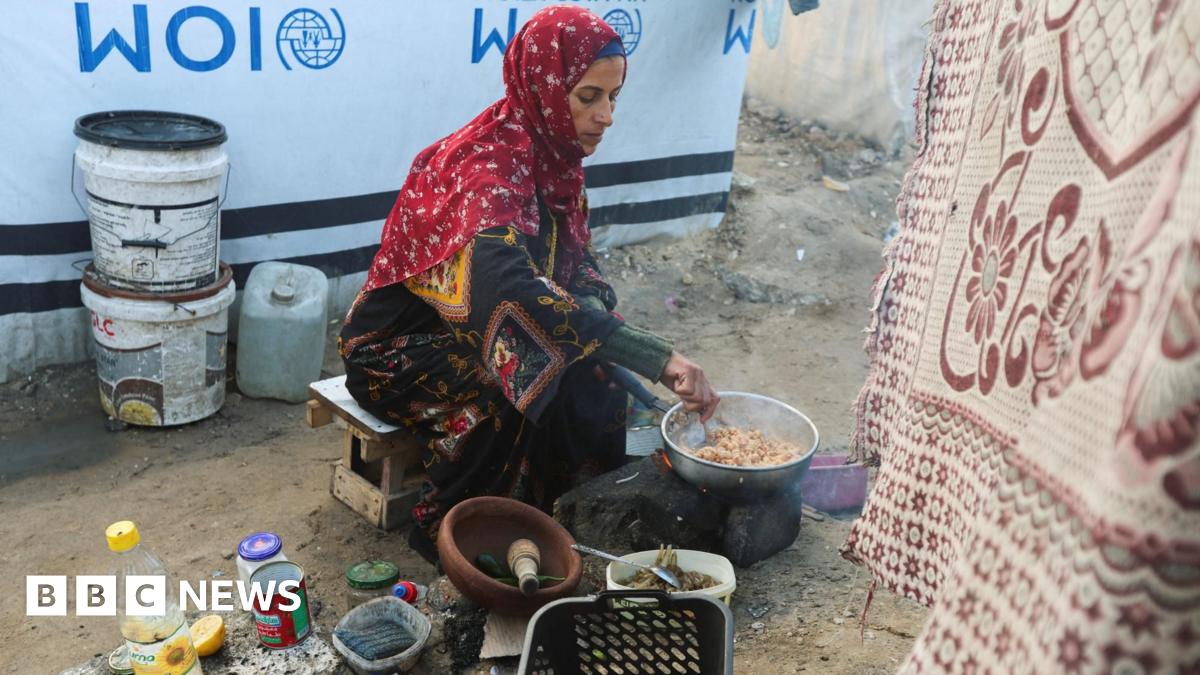
Fourteen out of the approximately 100 applications have so far been rejected, 21 have been approved, and those remaining are still undergoing review, according to the ministry.
The registration system introduced in March includes several grounds for rejection, external, including:
Denying the existence of Israel as a Jewish and democratic state
Denying the Holocaust or the Hamas-led attacks on Israel on 7 October 2023
Supporting an armed struggle against Israel by an enemy state or terrorist organisation
Promoting “delegitimisation campaigns” against Israel
Calling for a boycott of Israel or committing to participate in one
Supporting the prosecution of Israeli security forces in foreign or international courts
The Humanitarian Country Team of the Occupied Palestinian Territory – a forum that brings together UN agencies and more than 200 local and international organisations – warned in a statement last Wednesday that the system “fundamentally jeopardises” the operations of INGOs in Gaza and the West Bank, external.
“The system relies on vague, arbitrary, and highly politicised criteria and imposes requirements that humanitarian organisations cannot meet without violating international legal obligations or compromising core humanitarian principles,” it said.
It added: “While some INGOs have been registered under the new system, these INGOs represent only a fraction of the response in Gaza and are nowhere near the number required just to meet immediate and basic needs.”
According to the Humanitarian Country Team, INGOs currently run or support the majority of Gaza’s field hospitals and primary healthcare centres, emergency shelter responses, water and sanitation services, nutrition stabilisation centres for children with acute malnutrition, and critical mine action activities.
If they were forced to stop operations, it said, one in three health facilities in Gaza would close.
“Pressing ahead with this policy will have far-reaching consequences on the future of the OPT, in addition to threatening a fragile ceasefire and putting Palestinian lives at imminent risk, particularly during winter,” the Humanitarian Country Team warned.
“The UN will not be able to compensate for the collapse of INGOs’ operations if they are de-registered, and the humanitarian response cannot be replaced by alternative actors operating outside established humanitarian principles.”
It also stressed that Israel had an obligation under international humanitarian law to ensure that Gaza’s population was adequately supplied.