
That headline sounds rather harsh, but that’s not how I intend it. In reality, I’d love to see 3D artists embrace AI in their pipelines, not such that it replaces human creativity, but so that it enhances everything we do.
I appreciate that this is a hot and divided topic, but with AI here to stay in the creative sectors, we’re going to have to learn to live with it, much like that housemate who refuses to move out despite ruining the vibe of the house. We’ve already seen Autodesk add more AI to some of the best 3D modelling software, and there’s more to come in 2026.
You may like
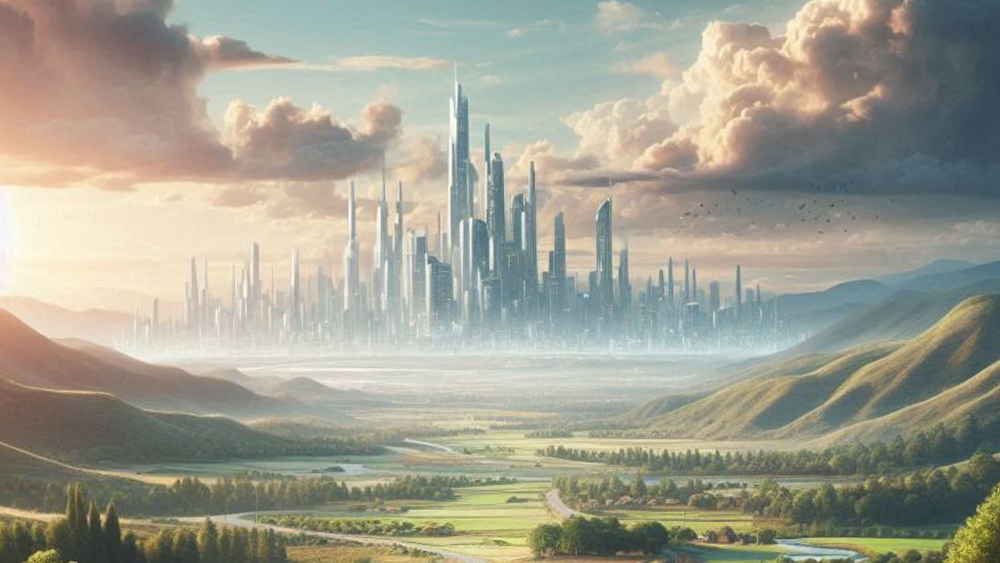
(Image credit: AI-generated / posted by Mike Verdu on LinkedIn)1. Concept development
I believe 3D artists will begin to more fully embrace generative AI tools like Midjourney and DALL-E to create concept sketches and mood boards. This will dramatically speed up the process of fine-tuning the creative brief and make sure the artist is on the same page as the client.
This will, of course, require 3D artists to become adept in prompt writing, something that many won’t yet be familiar with. Forward-thinking 3D artists will increasingly share their workflows and knowledge in this area, which will help less experienced artists to try it for themselves.
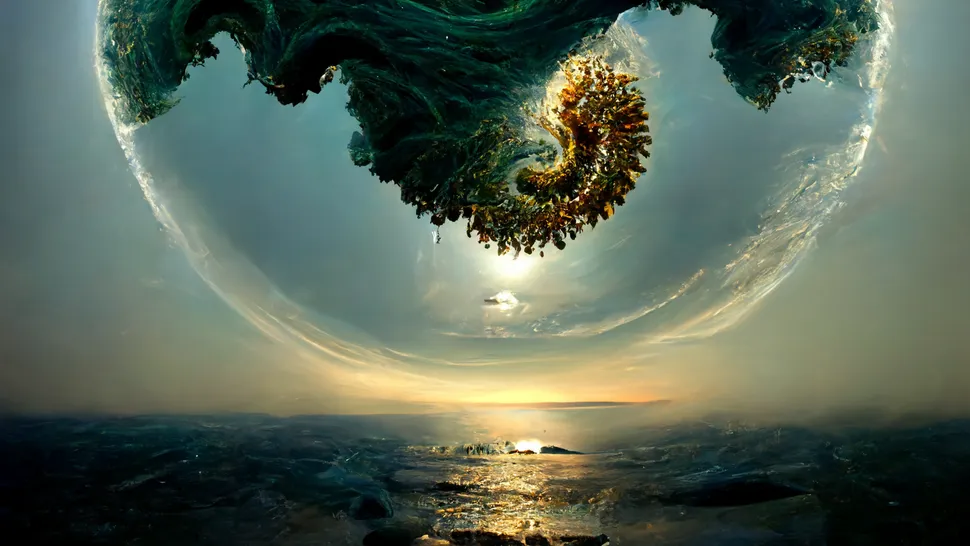
(Image credit: MidJourney)2. Model generation
Once the concept has been developed and refined, 3D artists will then use AI tools such as Meshy and Hyper 3D to generate props, environment elements, and characters. These will then be adapted within traditional software such as Blender, Maya, and 3ds Max.
Again, this will not be a familiar workflow to many, but those who are able to do this efficiently and successfully will set themselves apart from the rest. I don’t envisage it being used on every project, but rather, 3D artists will need to determine for themselves whether they should do so on a case-by-case basis.
We will also see an increase in automated texturing as well as AI-driven retopology and UV mapping. As a result, I expect to see an increase in specialist AI-skilled artists. Are you ready for some upskilling?
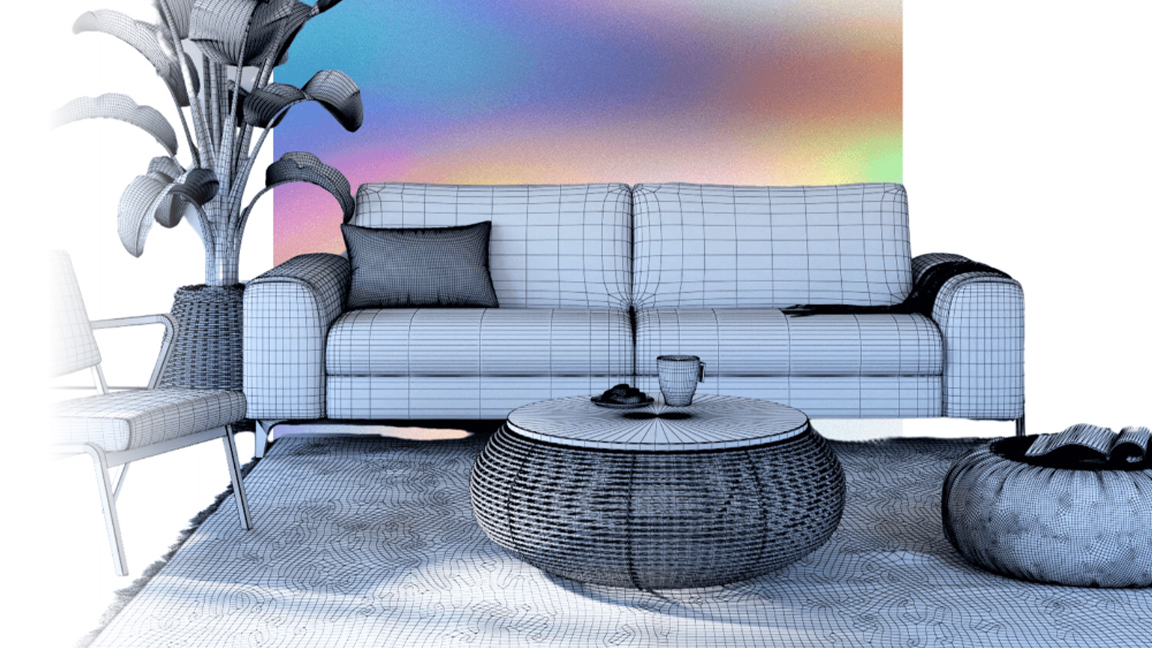
(Image credit: Nfinite)3. Rendering upscaling
One of the most time-consuming parts of any 3D project is creating the rendered images and videos. The fine balance of quality versus time taken is something that most 3D artists will have a love-hate relationship with. Software has gone a long way to reducing rendering times, and render farms can obviously help, at a cost, but I think AI will disrupt the process more significantly.
I expect we’ll see more people turning to AI upscalers developed by the likes of Topaz and Adobe. It’ll become increasingly possible for 3D artists to generate lower-resolution and lower-quality images, knowing that AI upscaling can then take over and generate the finished items. This will be a game-changer for delivering complex projects quickly.
It’ll never be the same again
I’ve only mentioned a few areas where AI is likely to become more commonplace in 2026. In reality, every part of the pipeline will be affected. I think 3D artists should fight for and defend the parts of the workflow that only humans can do effectively, while also embracing AI to enhance processes. Maybe we can learn to get along after all.