
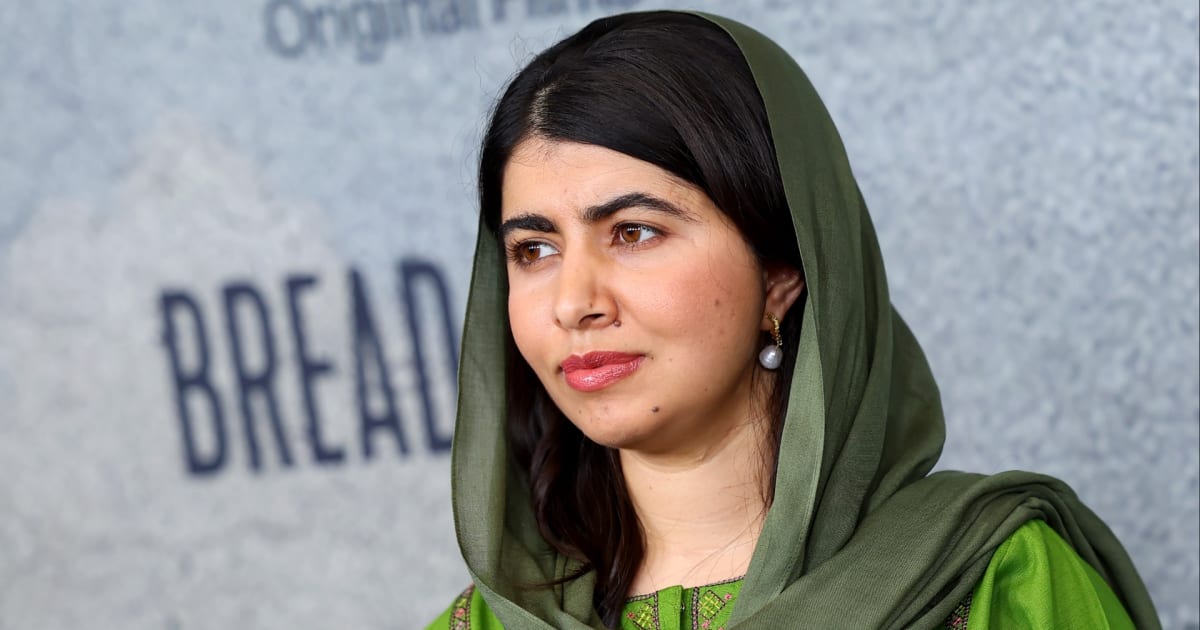
Malala Yousafzai: “You realise how precious peace is” in this film
The 76-minute film was directed and edited by Ben Sturgulewski and filmed over a series of years, including in 2019 in Bamyan, prior to the Taliban taking back power in Afghanistan.
As the viewer gets to know the ski school and is enveloped around the excitement of the Afghan Ski Challenge, Alishah’s life as a refugee in Germany is dripped through the narrative with beautifully shot sections in black and white.
“I love when Alisha talks about peace,” says Yousafzai. “It’s so hard to define what peace is, but he feels it. And it’s that feeling that you have when you are enjoying a moment like simply skiing with your friends, or laughing together… and you realise that you are safe, or you don’t have hear bombings and firing and every moment.
“When you see this documentary, you realise how precious peace is to the Afghan people.”
Yousafzai, 27, is the youngest Nobel Peace Prize winner ever, and has turned her advocacy into a global effort, often focusing in on the refugee experience. The UNHCR, the United Nations’ refugee agency, estimated earlier this year that some 117 million people have been forced to flee their homes, with 43 million of them classified as refugees.
Alishah is one of them, fleeing Afghanistan in 2021 and settling with his family in Germany. In one scene, he’s seen strolling the aisles of a grocery store filled with Western products and explaining just how out of place he feels.
“No one is taking my freedom, but I don’t feel free,” Farhang says in the documentary. “Not knowing people, not knowing the area, not even knowing the culture… it’s difficult to do for a Muslim. People look at you in a different way. Your background is just refugee. I wish they knew that we never had anything to do with extremism in Afghanistan and war. We were just normal people doing normal life.”
It’s a powerful thread that Moayed says resonates with him – and he is sure will sting for audiences, as well.
“[It’s] so powerful because what he’s really saying is, ‘I’m just like you,'” details Moayed. “Because everybody in their community has a coach that they love. And so these types of small little stories are really impactful to humanising people that have been dehumanised for too long.”