
In any comic book-related or superhero-inspired medium, the onus is typically on super-villains to earn their place within a run or event, and how engaging their design is contributes greatly to how memorable or iconic they may be. Either in DC or Marvel, countless superb super-villain costumes and appearances help the antagonists who bear them soar to unfathomable levels of iconography.
Considering their looks from comics specifically, there are too many iconic super-villain designs to count, realistically, and subjectivity unquestionably plays a role in what designs are considered more iconic or favorable than others.
Some villains may have gradually become more iconic as decades went on and brand-new interpretations of the character granted them the luxury of a redesign; meanwhile, others have been iconic since their first appearance, with newer design experimentations not landing as popularly and reversions being made to what came before. Still, some are arguably more fashionable or profound.
10
Mysterio
First appears in The Amazing Spider-Man #13 (1964)
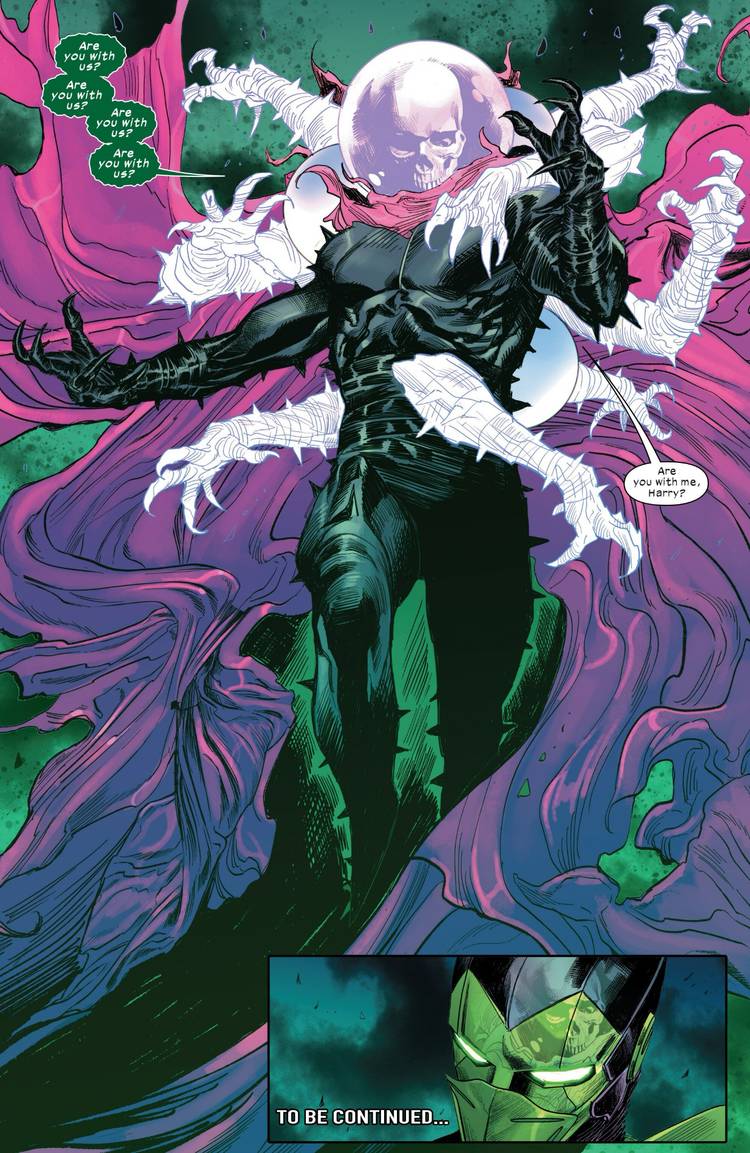
Quentin Beck’s Mysterio is the definition of a ‘gag’ or a gimmick; he has no actual powers, and his illusions are fake. Granted, Mysterio’s illusions are compelling and immersive enough to deceive even Spider-Man, and his design is appropriately zany and funhouse-esque.
The ‘fishbowl’ helmet, in particular, is quite iconic, and it can look considerably arresting when shrouded in smoke. Redesigns have been decent, yet the classic design from the 60s is adequately odd and mesmerizing, just as Beck’s theatrics should be. The Ultimate universe’s secret society of Mysterios, on the other hand, is wildly unique.
9
Mystique
First cameos in Ms. Marvel #16 (1978), and appears fully in Ms. Marvel #18 (1978)
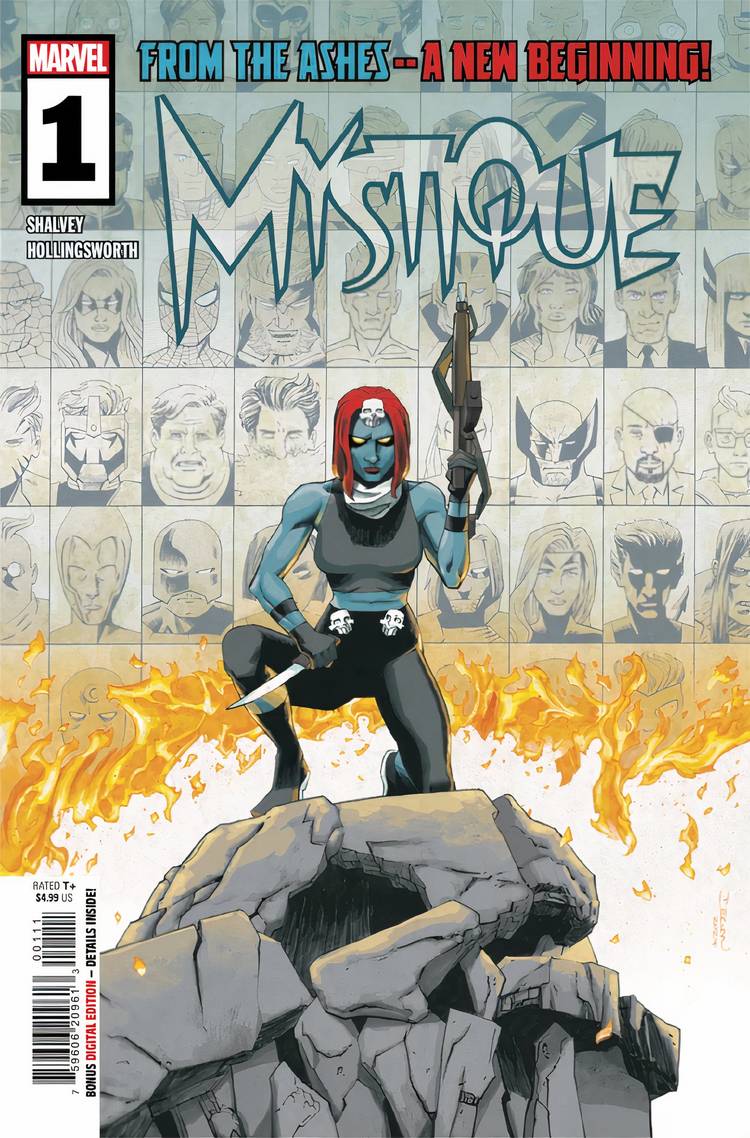
Mystique #1 cover featuring Mystique with a gun and a knife.
Even apart from the Brotherhood, the base design for Marvel and X-Men’s Mystique has always been striking. It helps that Mystique’s skin is blue, hair is red, and eyes are yellow, but her white costume with thigh-high boots and over-the-elbow gloves completes the look via a color palette that is unmistakably ‘Mystique.’ Thus, when she isn’t shapeshifting to mimic someone else, her aesthetic is staggering all on its own, especially with the forehead skull accessory she wears.
8
Two-Face
First appears in Detective Comics #66 (1942)
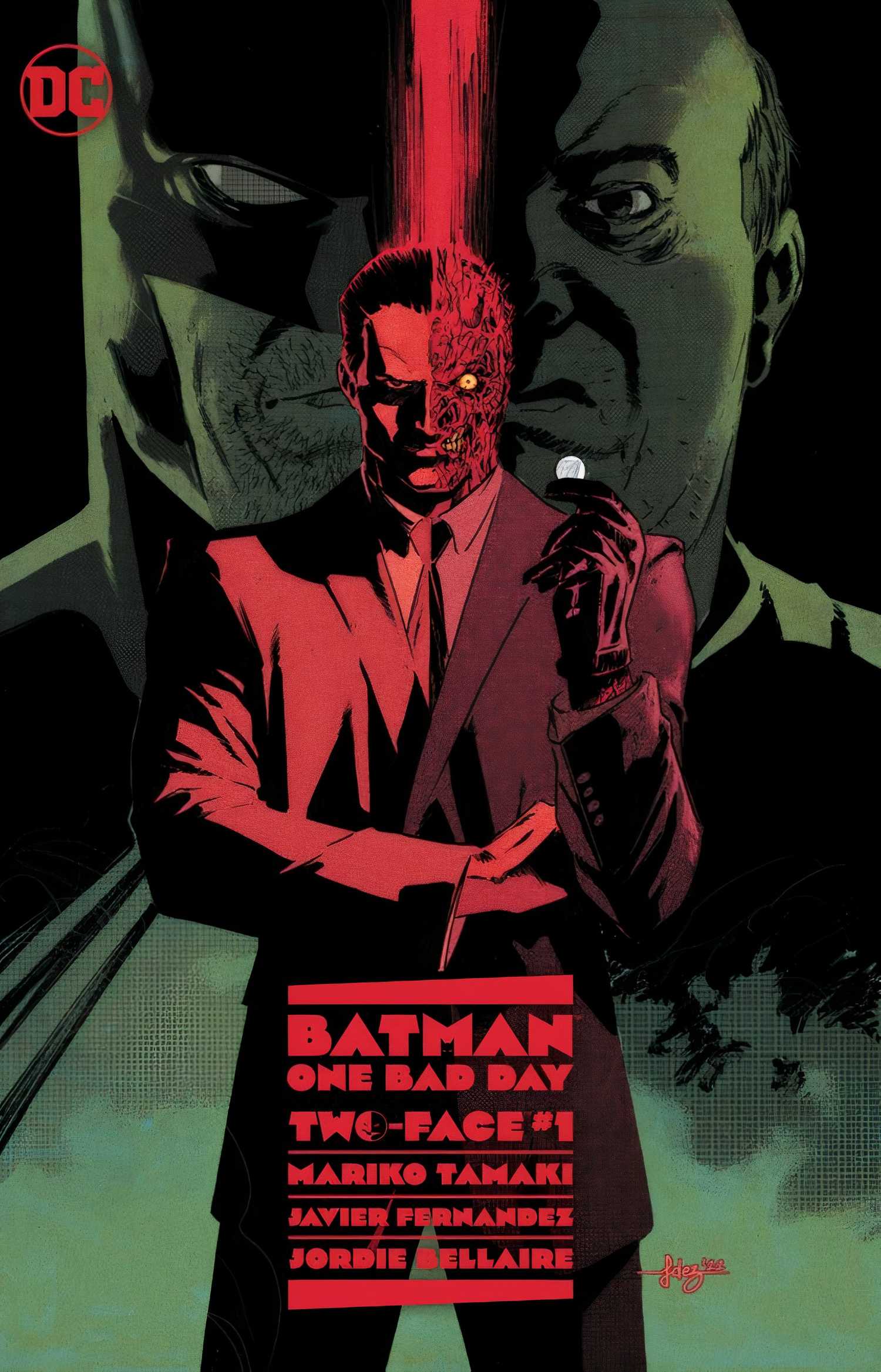
Batman One Bad Day Two Face #1 main cover
Two-Face’s design, like his super-villain alter-ego moniker, is completely unsubtle. However, it’s the tragic dissociative identity disorder (DID) dichotomy of Harvey Dent and Two-Face that makes the character interesting, and that’s transparently illustrated with the character’s acid splash physically and metaphorically splitting an already psychologically troubled individual into two halves.
Two-Face thus elects to wear dress suits that match his flesh’s symmetrical, two-toned aesthetic. His overall look is terrific as it can help thematically portray which half of the character’s psyche is present at any given time, sometimes depending on which side of him is shown more prominently in a panel or shot.
7
Doctor Octopus
First appears in The Amazing Spider-Man #3 (1963)
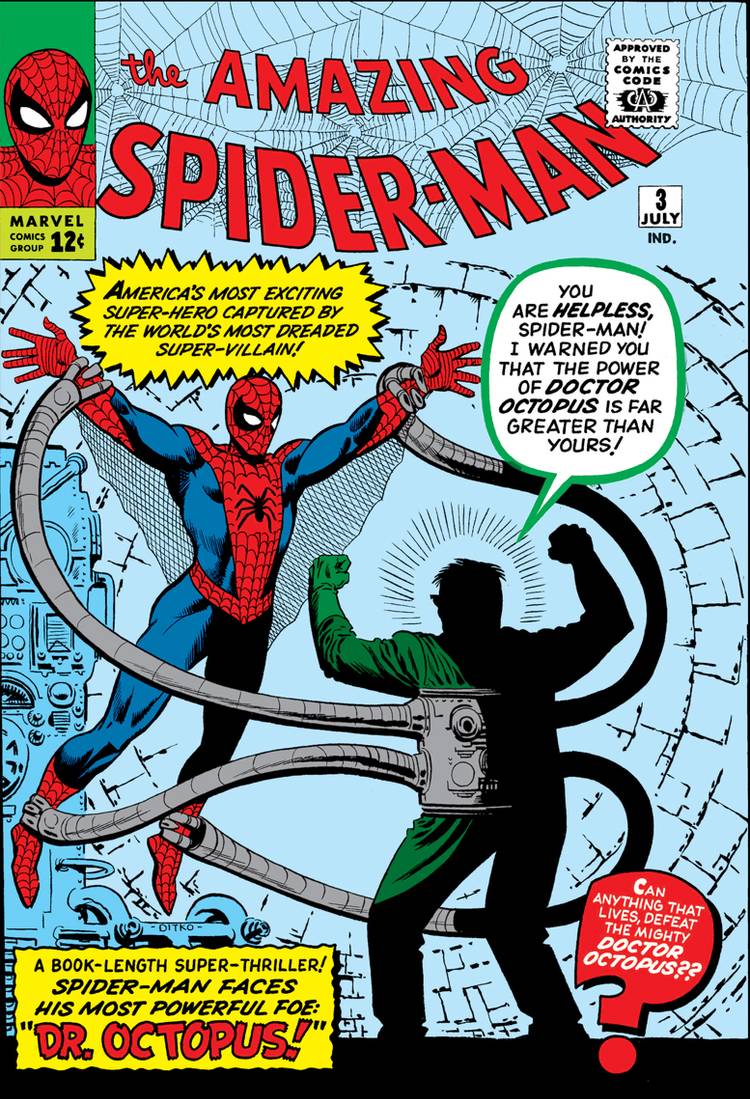
amazing spider-man 3 cover spider-man is fighting doctor octopus who is in silhouette
A phenomenal character design has a silhouette that can be identified immediately, and Doctor Octopus’ is easily recognizable with four long, slender tentacles. Whether it’s the orange-and-green suit or a dark trench coat, the clothes Doc Ock wears aren’t ever as paramount as how the tentacles are designed. The bowl-shaped haircut and glasses/goggles combination isn’t all that appealing, to be fair, but the whole package can present a truly imposing foe.
Doctor Octopus’ look in Ultimate Spider-Man (2000) #14 is menacing because he’s tall and muscular, for example. Later in the same run, Doctor Octopus’ look evolves in the nine-part “Clone Saga” arc to a well-cleaned-up black-and-white dress suit with awesome, makeshift mechanical tentacles that he controls via ferrokinesis.
6
Poison Ivy
First appears in Batman #181 (1966)
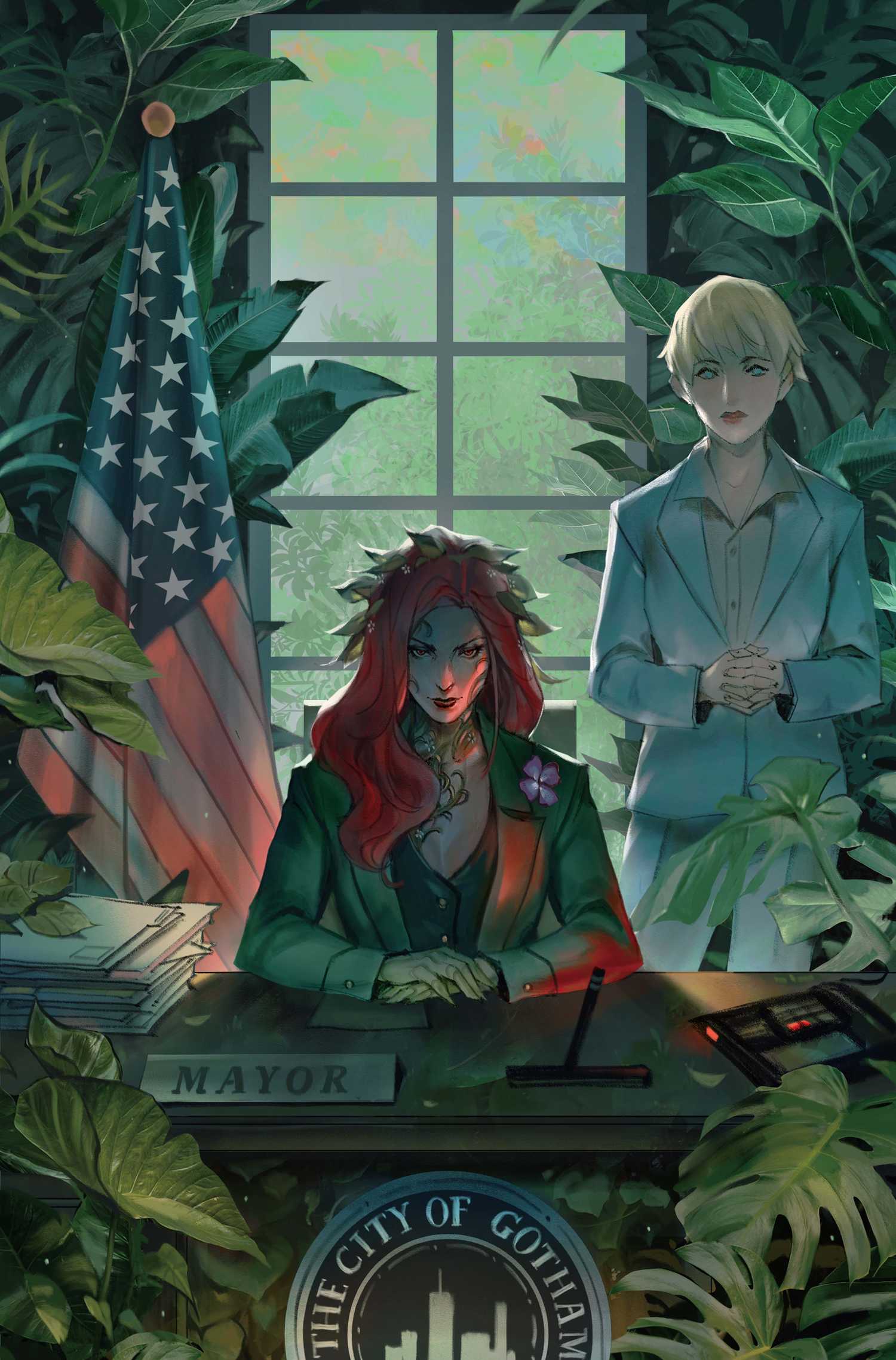
Poison Ivy’s design essentially lends itself to creativity, as she’s able to control plant life. Her color palette is remarkably simple—predominantly green in her choice of floral wear, as well as many iterations depicting her with green skin and red hair—in that she is typically adorned with vines, leaves, and other greenery.
Part of why Poison Ivy’s design is special, too, is that it’s highly iterative and could evolve with her, as opposed to some characters being stagnant in what their costume opportunities are. For instance, a white laboratory coat from her days as a doctor of botany can elevate her look tenfold, whereas saturating her body with decorative flora can transform her look to be incredibly ethereal or mythological.
5
Cyborg Superman
First appears as Hank Henshaw in The Adventures of Superman #465 (1990), and as Cyborg Superman in The Adventures of Superman #500 (1993)
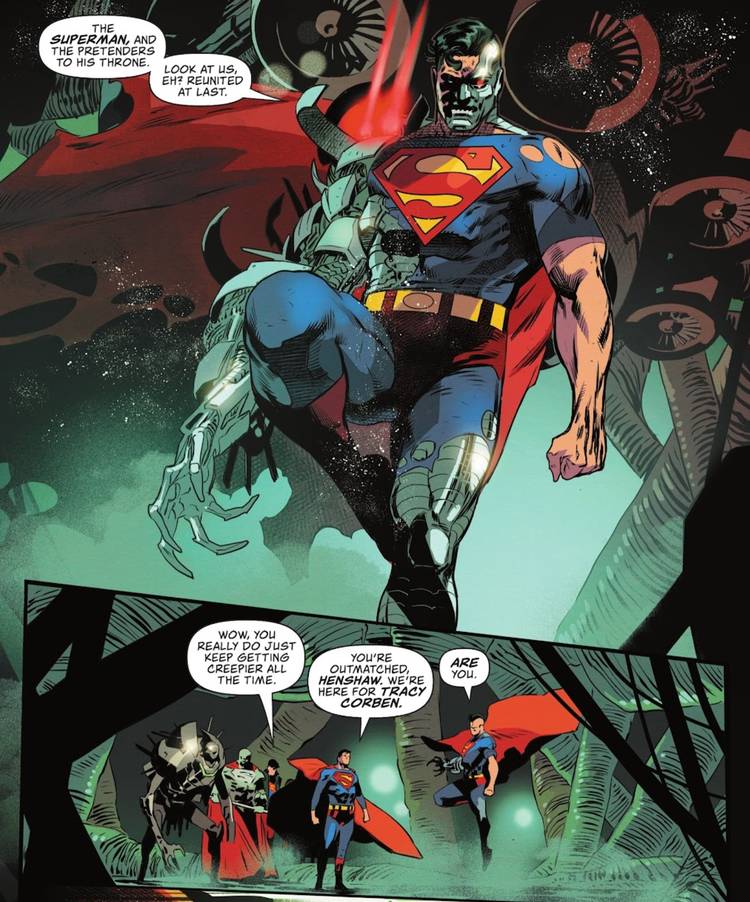
Cyborg Superman Joins the Fray
Perhaps one of the more frightening-looking of Superman’s rogues’ gallery, Cyborg Superman is actually a technomorph named Hank Henshaw whose origin story almost identically mirrors that of Marvel’s Fantastic Four. The character’s name is quite literal, assuming the aesthetic of Superman if he was a cyborg. Superman’s blue bodysuit, red cape, and curled strand of hair are intact, only with haunting features, such as human- and Terminator-like teeth, as well as a large, cybernetic right arm with long, creepy fingers.
4
Carnage
First cameos in The Amazing Spider-Man #360 (1992), and appears fully in The Amazing Spider-Man #361 (1992)
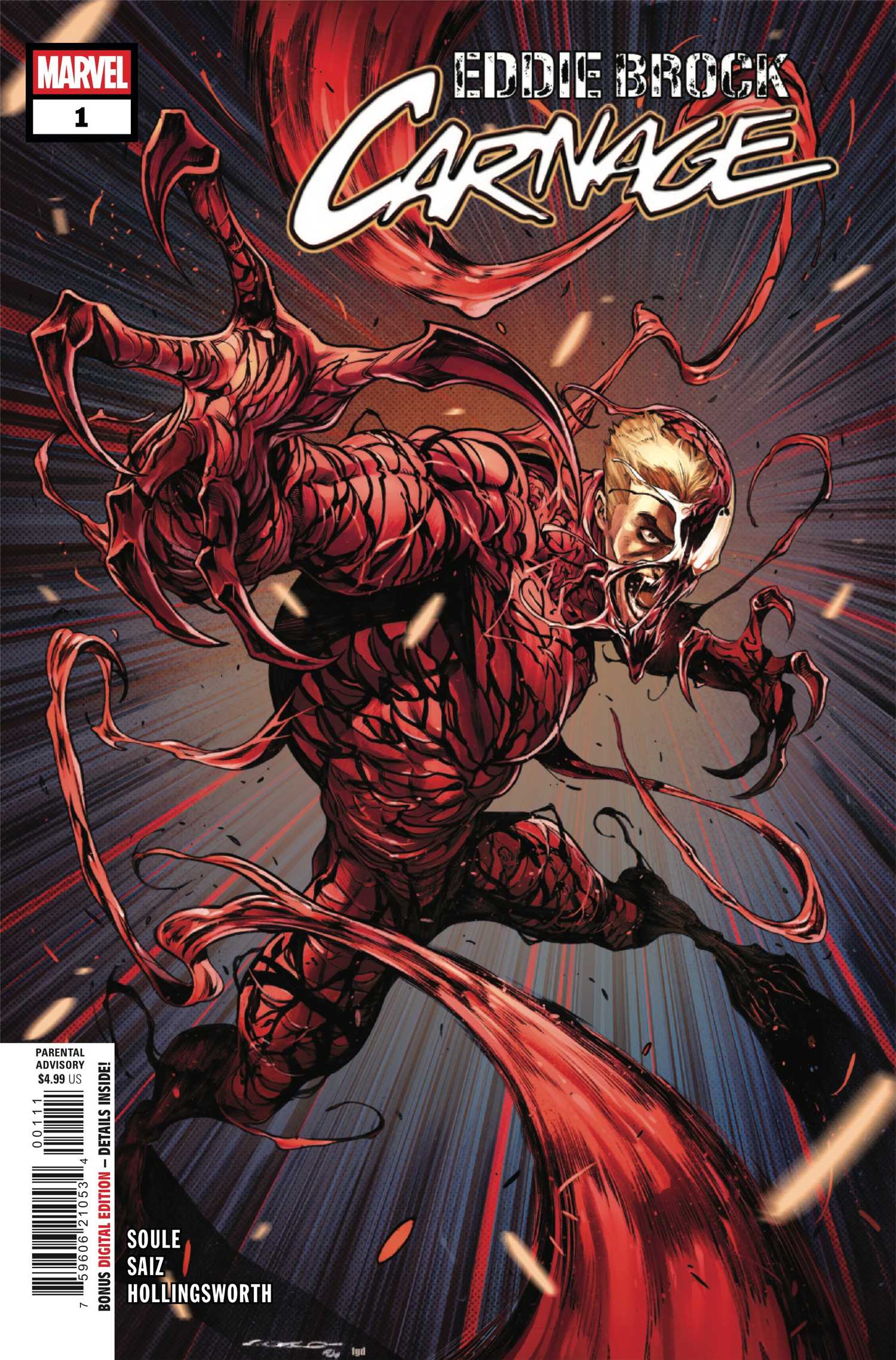
Eddie Brock: Carnage #1 cover by Iban Coello and Frank D’Armata – Eddie flashes his new Carnage claws
Now, while Eddie Brock Jr.’s Venom absolutely has a great design, it also has the unfortunate circumstance of being derivative of Spider-Man’s black symbiote suit, only more gorilla-like and muscle-bound, with a monstrous set of teeth, a long tongue, and scary, swirling eyes doing a lot of the heavy lifting. Likewise, Venom has been labeled as an antihero, much less a do-gooder, for quite some time.
Rather, Cletus Kasady’s Carnage is perfectly horrific as a blood-red symbiote super-villain, bearing the same hideous alien features as Venom but with a wiry build and the ability to manifest lethal weapons from the symbiote mass. Carnage has always been one of the scarier Marvel villains around—even as the red symbiote is currently paired with Eddie in Eddie Brock: Carnage (2025), anyway—and Cletus’ origins as a psychopathic serial killer reinforced how iconic the host and symbiote are together.
3
Green Goblin
First appears in The Amazing Spider-Man #14 (1964)
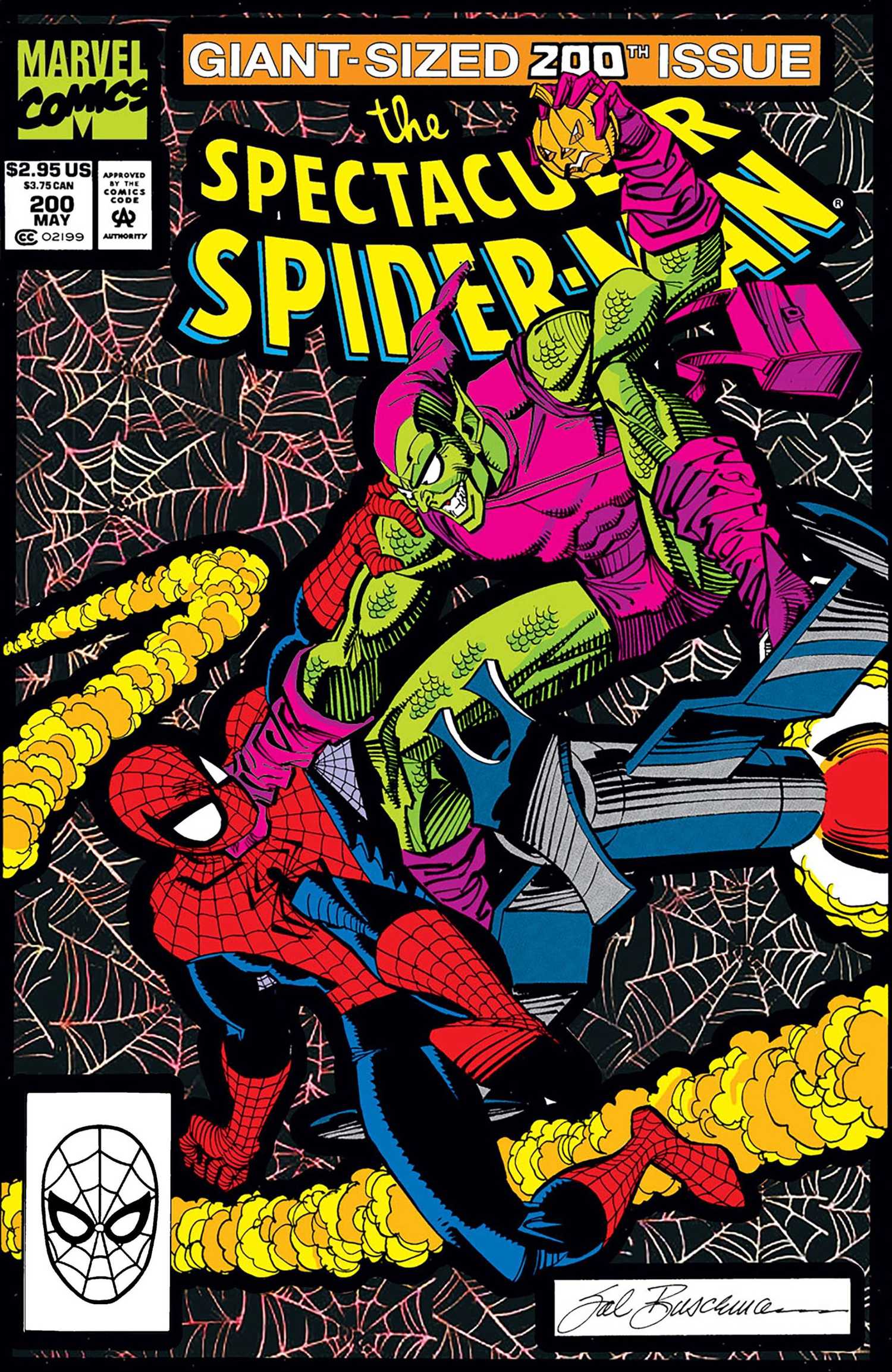
The design preference between Green Goblin and Hobgoblin, not to mention any of the myriad Goblins that have followed, is subjective and likely determined by what color scheme is more alluring. Green Goblin earns brownie points for being the original Goblin, though, and the design has remained a magnificent staple in the costume catalog of Spider-Man’s rogues’ gallery.
Narratively, Norman Osborn’s Green Goblin was virtually the equivalent of Joker in Marvel comics, with Norman’s fiendish nature propelling the green-and-purple colorway to an iconic realm. Plus, the Goblin’s mischievous elf appearance is doubly neat in tandem with a satchel of Halloween-themed equipment, such as pumpkin bombs and a bat-shaped glider.
2
Doctor Doom
First appears in The Fantastic Four #5 (1962)
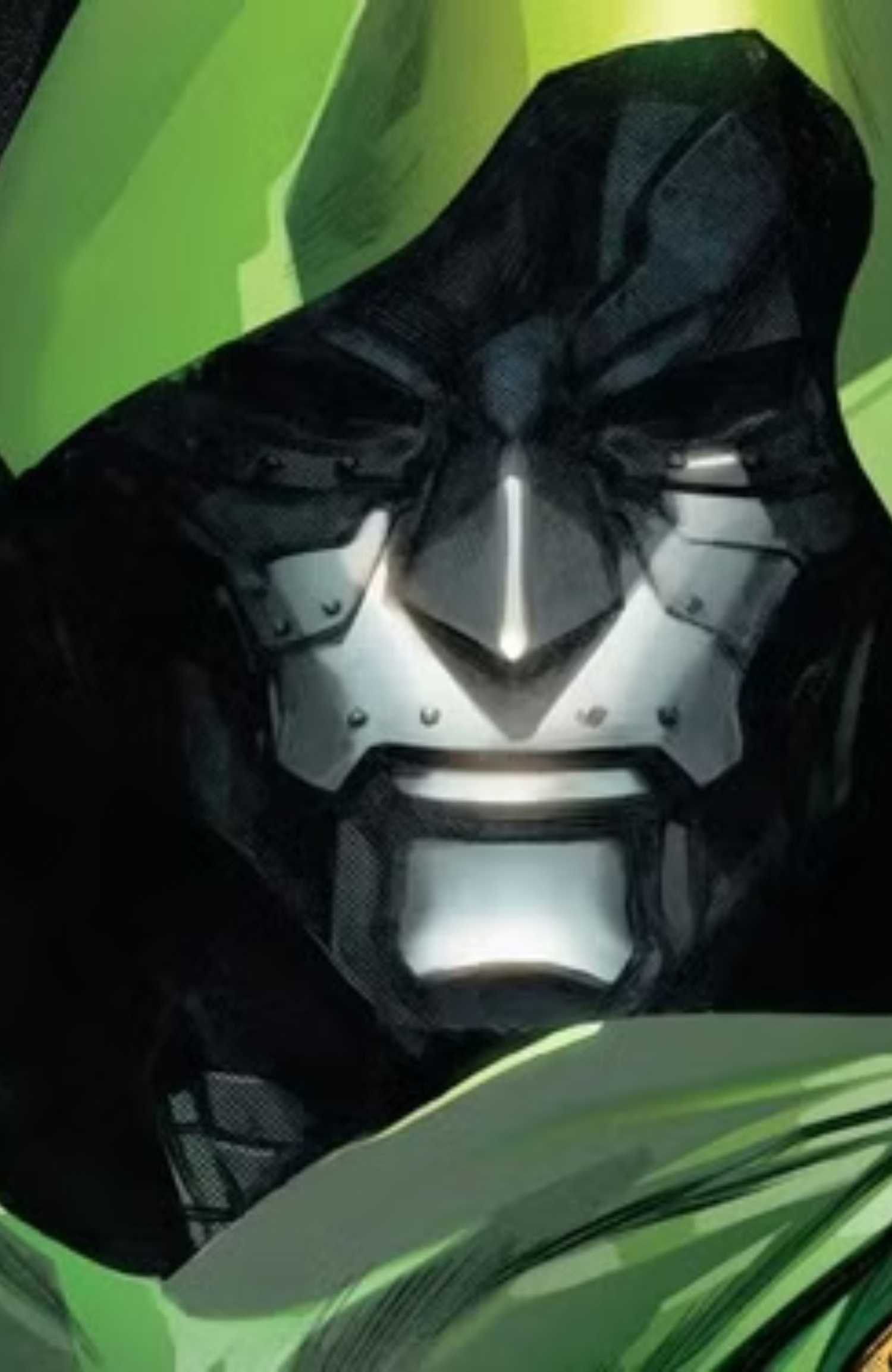
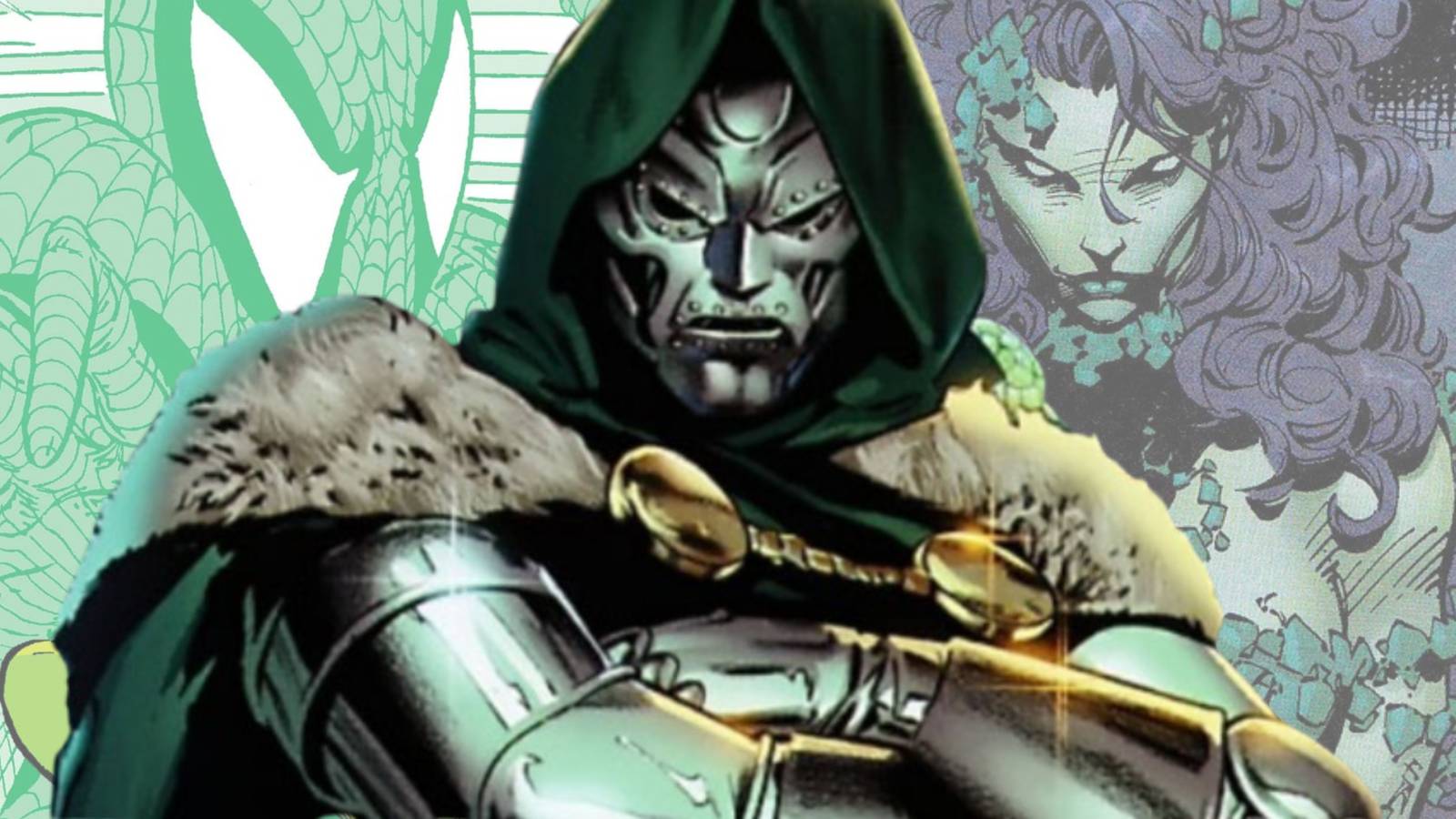
Doctor Doom’s green, hooded cloak and tunic, paired with a chrome suit of armor and a metal mask, would be highly gimmicky if it wasn’t for how unbelievably powerful Dr. Victor von Doom—a formidable foe for Marvel’s first family, let alone any Marvel ensemble affiliation—is regarding sorcery, technology, and science. His look has undergone certain variations that make it far more regal, such as adding fur to the cloak, with each having its own flair or European, medieval aesthetic.
1
Joker
First appears in Batman #1 (1940)
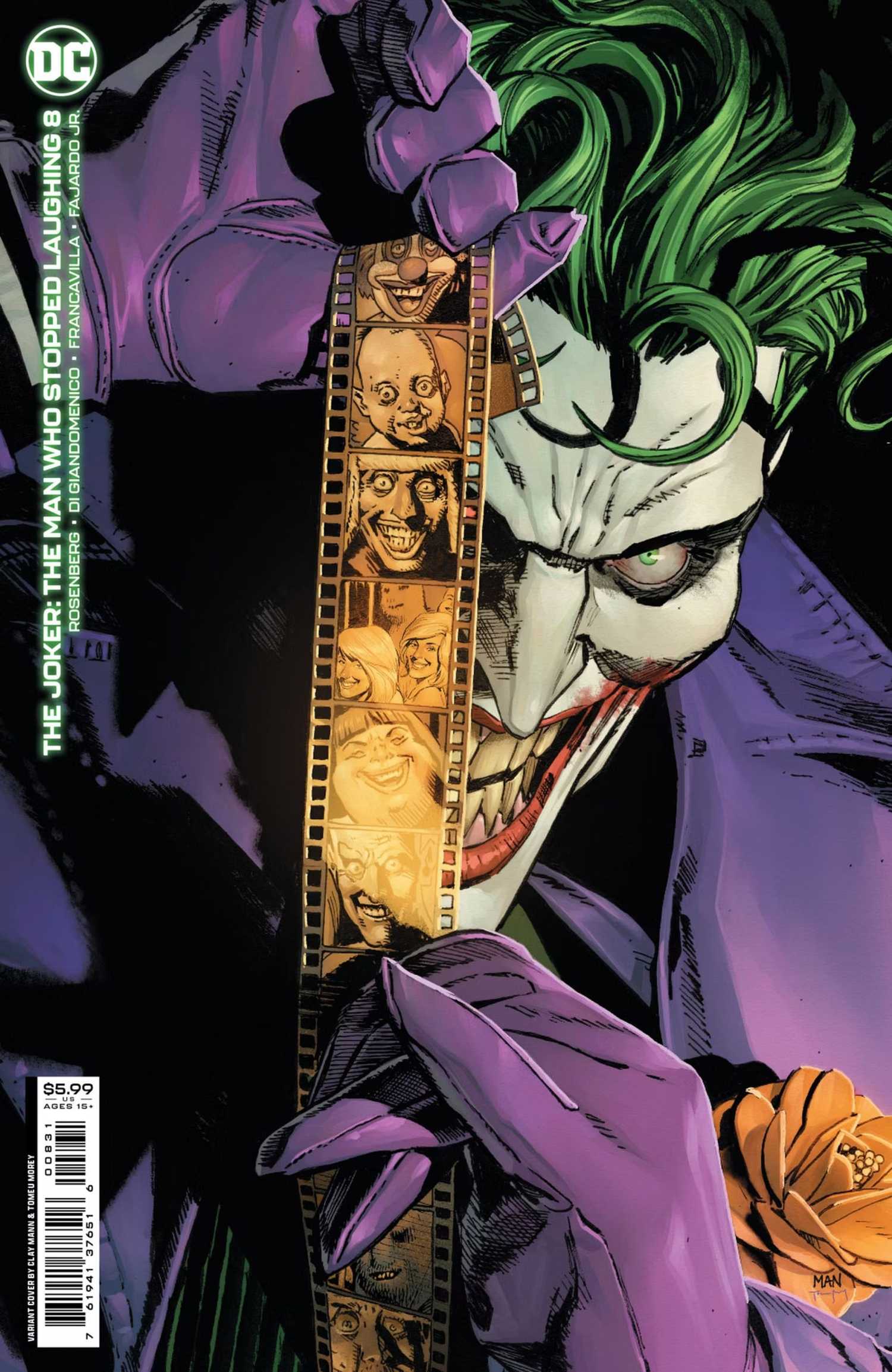
Not dissimilar to Doctor Doom, Joker’s design, merely being chemical-bathed white skin, dress suits, and a purple-and-green color palette, wouldn’t be nearly as interesting or iconic if it wasn’t for how sinister DC’s Clown Prince of Crime is. Joker’s angular head, eerie grin, and beady eyes do a lot of the legwork for his classic look, to be fair.
As proof that they are distinguishing, those same features have now been adapted to Joker’s most hideous and harrowing design yet in Absolute Batman. This demonstrates that the brilliance of Joker’s aesthetic reaches far beyond the ‘clown’ appearance he received while plunged into a vat of acid.
First Appearance
Amazing Fantasy
Alias
Peter Parker, Ben Reilly, Otto Octavius, Yu Komori, Kaine Parker, Pavitr Prabhakar, William Braddock, Miles Morales, Kurt Wagner
Alliance
Avengers, Fantastic Four, X-Men, Secret Defenders, Future Foundation, Heroes for Hire, Mighty Avengers, New Avengers, Web-Warriors
Race
Human