
Dietitians say these everyday foods support muscle, bone, heart, and brain health after 55.
As you age, a consistently healthy diet becomes more critical. Tara Collingwood, MS, RDN, CSSD, LD/N, ACSM-CPT, a Board Certified Sports Dietitian and co-author of the Flat Belly Cookbook for Dummies, explains the importance of maintaining a healthy diet every single day after 55. After you turn 55, “muscle protein synthesis declines,” she says. Also, “bone turnover increases, inflammation and oxidative stress rise, and nutrient absorption becomes less efficient,” she says. “Consistency matters more than perfection.” Here are 11 foods people over 55 should eat every day.
Leafy Greens
 Shutterstock
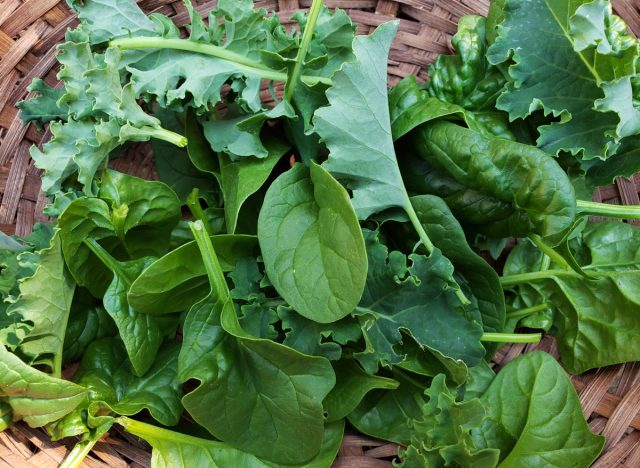
Make sure you are eating leafy greens, including spinach, kale, and collards. Why? They are “rich in vitamin K, folate, and magnesium,” says Collingwood. They also support bone strength and cardiovascular health. “Your daily target should be at least 1 cup cooked or 2 cups raw.”
Berries
 Shutterstock
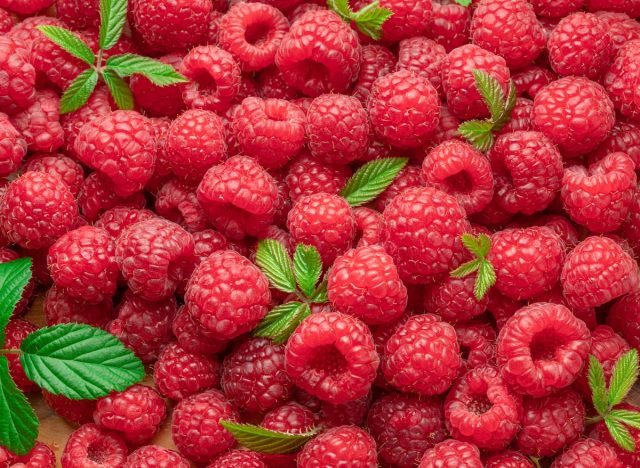
Next up, add berries to your diet. This includes blueberries, strawberries, and raspberries. “High in polyphenols and antioxidants,” she says. “Linked to slower cognitive decline and reduced inflammation.” Your daily target should be ½–1 cup.
Fatty Fish
 Shutterstock
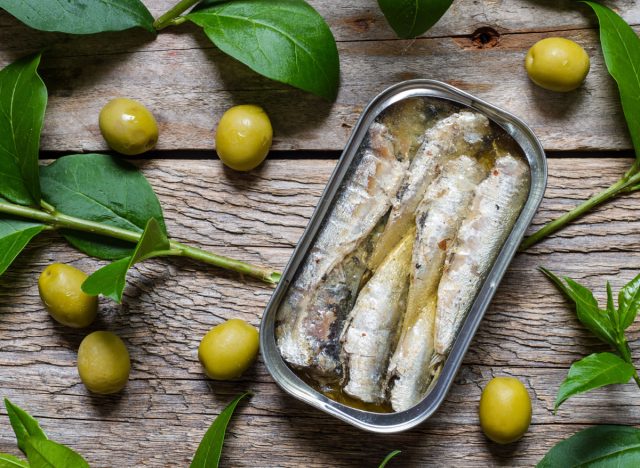
Fatty fish, including salmon, sardines, and trout, are also essential as you age. “These types of fish are an excellent source of omega-3s (EPA/DHA) and vitamin D,” Collingwood states. “Supports heart health, joints, and brain function.” Try to eat at least 3–4 oz daily, “or most days of the week.”
Eggs
 Shutterstock
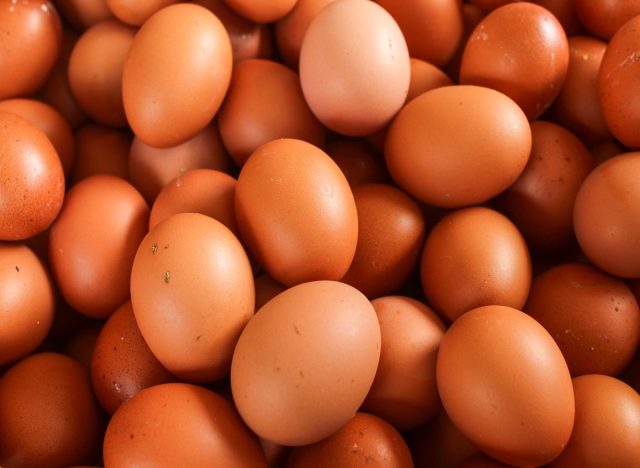
Start your day with eggs, Collingwood urges. “Eggs provide high-quality protein, choline, and lutein,” she says. “Support muscle maintenance and eye health.” She recommends aiming for one or more per day, “if cholesterol is well controlled.”6254a4d1642c605c54bf1cab17d50f1e
Greek Yogurt or Kefir
 Shutterstock
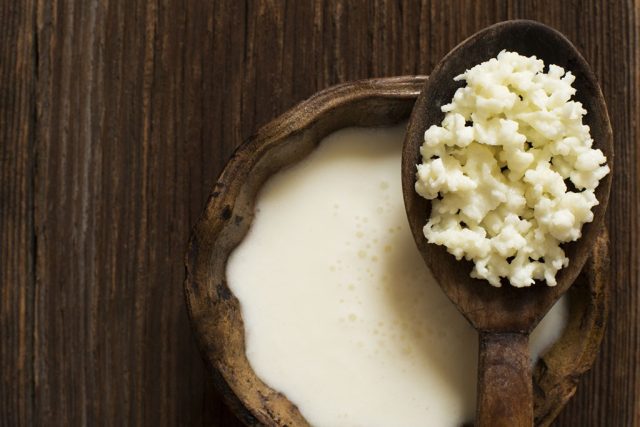
Also in the dairy department, she recommends Greek yogurt or kefir. “High in protein, calcium, and probiotics,” she says. “Supports bone density and gut health.” Aim for ¾–1 cup daily.
Beans or Lentils
 Shutterstock
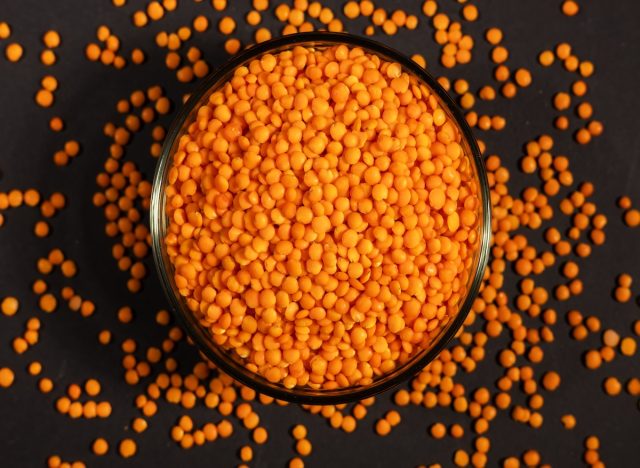
Beans and lentils are excellent sources of fiber for adults over 55. “Fiber-rich, plant protein, magnesium, potassium,” Collingwood states. This helps improve blood sugar control and cholesterol. Aim for ½–1 cup cooked beans or lentils daily.
Nuts
 Shutterstock
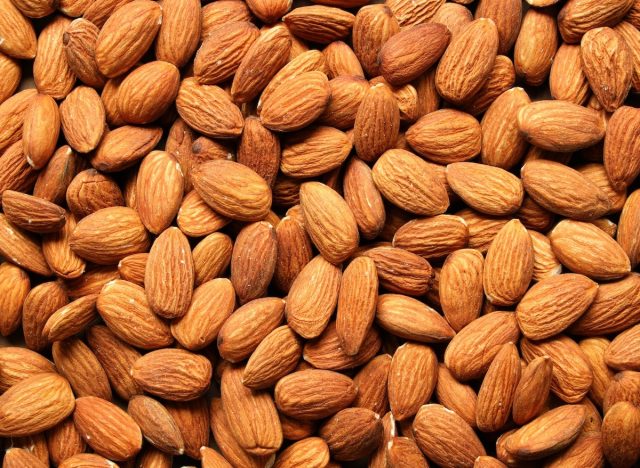
Next up, nuts, “especially walnuts, or almonds,” says Collingwood. “Contain healthy fats, vitamin E, and magnesium,” she explains. “Associated with lower cardiovascular risk.” Your daily target should be 1 small handful (≈1 oz).
Whole Grains
 Shutterstock
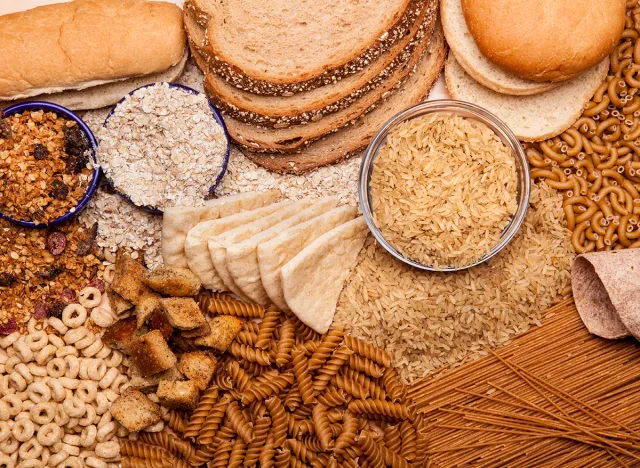
Whole grains, including oats, quinoa, and barley, should also be consumed. Collingwood recommends 1-2 servings daily. They “provide fiber and B vitamins,” she says. They also support digestive health and insulin sensitivity.
Olive Oil
 Shutterstock
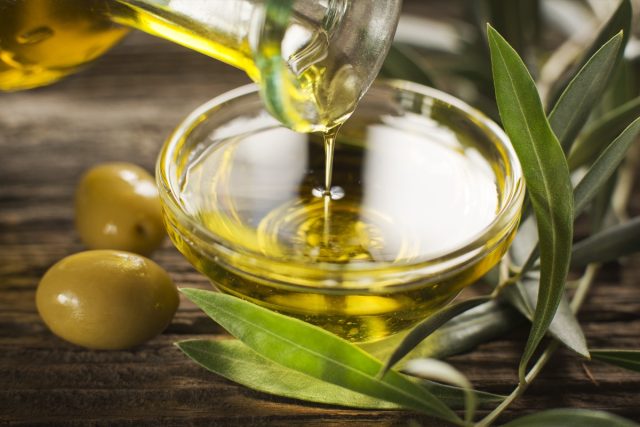
Olive oil (extra virgin) is another recommendation. “High in monounsaturated fats and polyphenols,” she says. “Anti-inflammatory, cardioprotective.” Consume 1–2 tablespoons daily.
Cruciferous Vegetables
 Shutterstock
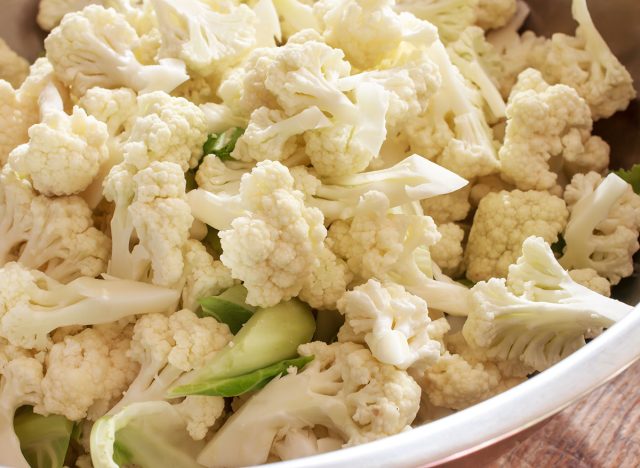
Over in the produce department, cruciferous vegetables (broccoli, Brussels sprouts, and cauliflower) will also do your body good. “They contain sulforaphane and antioxidants,” she says. “Support detoxification and cancer risk reduction.” Your target should be 1 cup cooked or raw daily.
Fortified Milk or Milk Alternatives
 Shutterstock
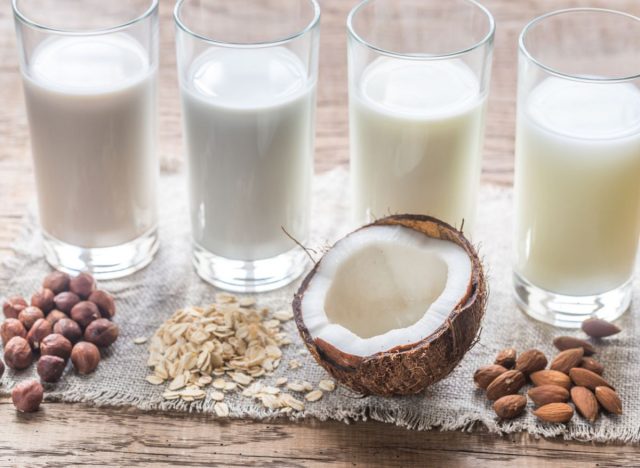
Lastly, make sure to consume fortified milk or milk alternatives. “Key source of calcium and vitamin D,” she says. “This is critical for preventing age-related bone loss.” She recommends 1–2 cups (or equivalent from fortified foods) daily.
Leah Groth
Leah Groth is an experienced shopping editor and journalist for Best Life and Eat This, Not That! bringing readers the best new finds, trends, and deals each week. Read more about Leah