
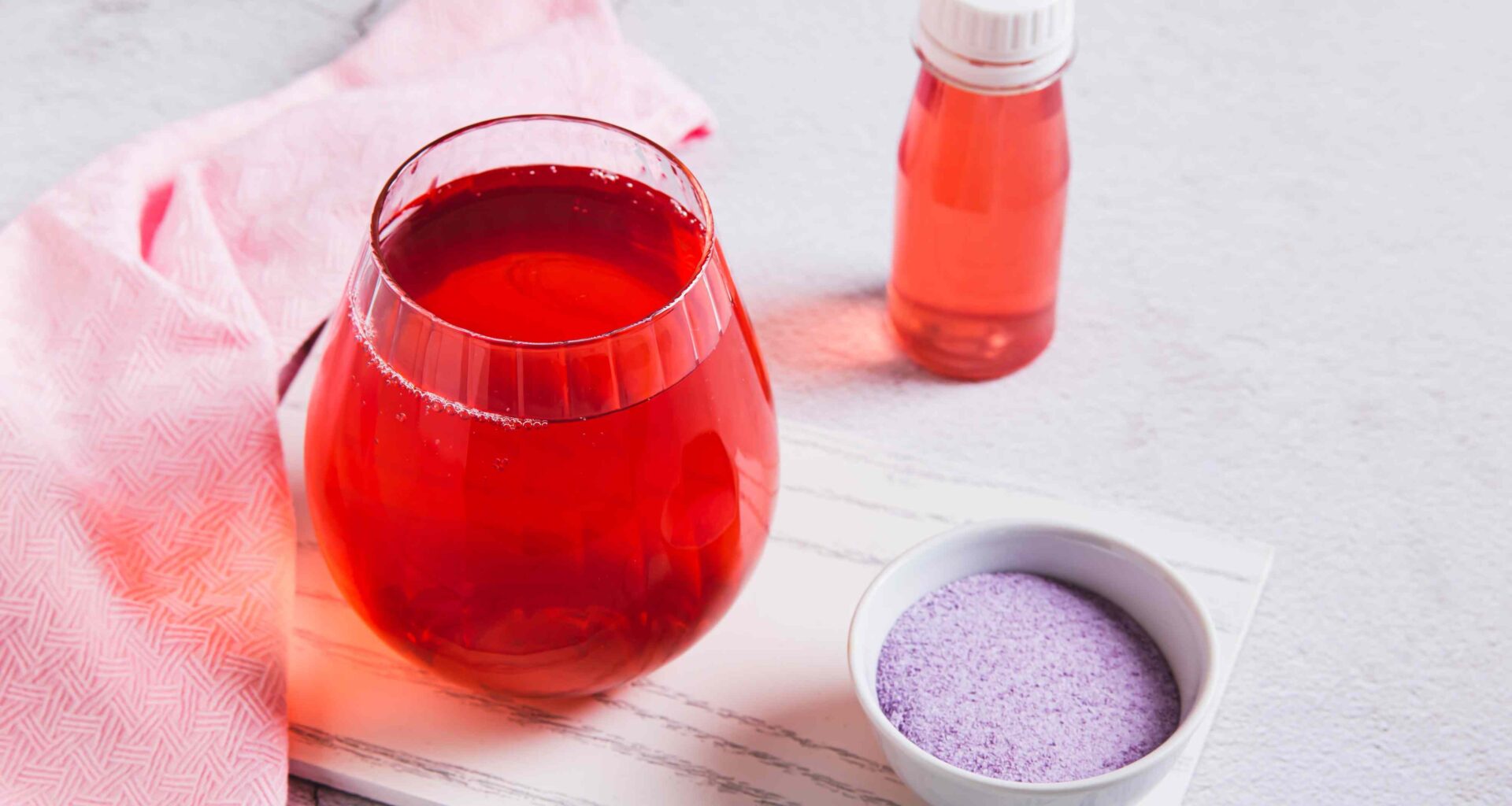
Electrolyte drinks are formulated to replenish these losses and prevent dehydration. In addition, they can help reduce fatigue and enhance recovery after a workout.
Kseniya Ovchinnikova / Getty Images
Infused water is simply water that has been enhanced with minerals like magnesium, sodium, and potassium. Some may also contain natural flavorings such as lemons and cucumber.
An older study suggested that consuming electrolyte-rich water before exercise can help your body maintain electrolyte balance and prevent dehydration after workouts.
The carbohydrate content in many electrolyte-infused waters is often very low. Hence, it may not be suitable for athletes who need more sugar, such as those exercising at very high intensity, longer durations, or in very hot weather.
That said, if you are looking for a low-sugar option, be sure to check the label as some “infused water” contains sugars as high as those found in sports drinks.
samuraioasis / Getty Images
Coconut water is very rich in potassium and also contains sodium, chloride, and carbohydrates. It is the clear liquid found in a young coconut and is different from coconut milk, which is obtained by blending mature coconuts.
Coconut water has been used as an oral rehydration fluid for patients suffering from severe dehydration due to diarrhea. It has lower sugar content compared to many electrolyte drinks.
In addition to its hydrating properties, coconut water is also rich in antioxidants, which could help protect your cells from damage that comes from prolonged exercise.
Alberto Marrupe Gutierrez / Getty Images
Sports drinks contain about 6% to 8% of carbohydrates, which are in the form of sugar. They are formulated to speed rehydration, provide the body with energy during exercise, and promote overall recovery after exercise. In addition, sports drinks contain water, vitamins, and various salts to provide electrolytes.
Sports drinks are best for people who engage in intense and prolonged physical activity, as its high sugar content is used as an energy source.
If you do not engage in moderate physical activity, then sports drinks are nothing more than extra sugar for you. Consider lower-calorie or sugar-free options to replenish lost fluids or electrolytes instead.
twomeows / Getty Images
Pedialyte is an oral rehydration drink containing water, electrolytes, zinc, and sugars. It is suitable for children over the age of one and adults. Studies suggest that Pedialyte can rehydrate the body better than water.
Pedialyte electrolyte drinks are formulated to replenish lost fluids and electrolytes to prevent dehydration. They can also help treat dehydration that occurs due to vomiting or diarrhea.
Classic Pedialyte drinks have fewer carbohydrates and may not be suitable for those who also need a burst of energy.
Catherine Falls Commercial / Getty Images
Cow milk can be a great alternative for people looking for a natural alternative to sports drinks. Some studies suggest that cow milk has similar calories and carbohydrate content to classic sports drinks.
Cow milk contains sodium, calcium, carbs, and even protein. They may rehydrate the body even better than traditional sports drinks because of the protein content in these drinks. Cow’s milk also provides energy and enhances fluid recovery after exercise.
Viktoriya Telminova / Getty Images
Pickle juice contains potassium, sodium, zinc, and vitamin C. They can provide hydration before and after a workout and help relieve or prevent muscle cramps.
While an effective hydrating drink, pickle juice has a very high sodium content. An 8-ounce serving, or about 240 ml, contains roughly 821 mg. Therefore, it should not be used by people with high blood pressure or those on a low-sodium diet.
Gorlov / Getty Images
Maple water, obtained from the sap of maple trees, is becoming a new alternative to boost rehydration, enhance energy, improve performance, and speed recovery among athletes.
Some studies also suggest that maple water can reduce muscle inflammation as it is rich in antioxidants. It is also rich in electrolytes such as calcium, potassium, carbonate, and sulphate. However, its sodium content is negligible, and some researchers believe this might explain why maple water does not feel rehydrating enough.
Maple water might not quench your thirst, so if you are using it for its fast post-workout recovery benefit, be sure to drink enough water.
ROHE Creative Studio / Getty Images
Low-fat chocolate milk provides fluids and electrolytes that can help rehydrate you. It is rich in carbohydrates and also contains proteins, fats, and sodium, similar to many recovery beverages, which are great for post-exercise recovery.
In addition, low-fat chocolate milk contains calcium and vitamins, which are great for muscle growth and strength.
If you are looking for a practical and affordable alternative to other commercially available recovery drinks, then low-fat chocolate milk can be a suitable option.
Electrolyte drinks are not created equal; the type and amount of electrolytes, carbohydrates (sugars), or proteins in these drinks differ.
Here are some things to prioritize and avoid when shopping for your next electrolyte drinks.
Electrolyte contents: Consider the electrolyte content, especially sodium, which is the main electrolyte lost through sweat. Electrolytes drink with low sodium content might not be as hydrating, especially after an intense workout. Endurance athletes are advised to consume as much as 300 to 600 mg of sodium per hour. However, if you have high blood pressure or are placed on a low-sodium diet, avoid electrolyte drinks with high sodium content.
Sources of ingredients: Prioritize electrolyte drinks made from natural or organic sources.
Sugar or carbohydrate content: For athletes who engage in high-intensity or prolonged exercise, electrolyte drinks with sufficient carbs might be needed to boost energy levels. Otherwise, avoid electrolyte drinks with high sugar levels.
Focus on purpose: If you just want to hydrate, choose light electrolyte drinks like coconut water. If you are looking for an energy boost, sports drinks may be more appropriate.
In general, avoid electrolyte drinks with:
Artificial ingredients and colorsSweeteners or refined sugarsUnnecessary additives