
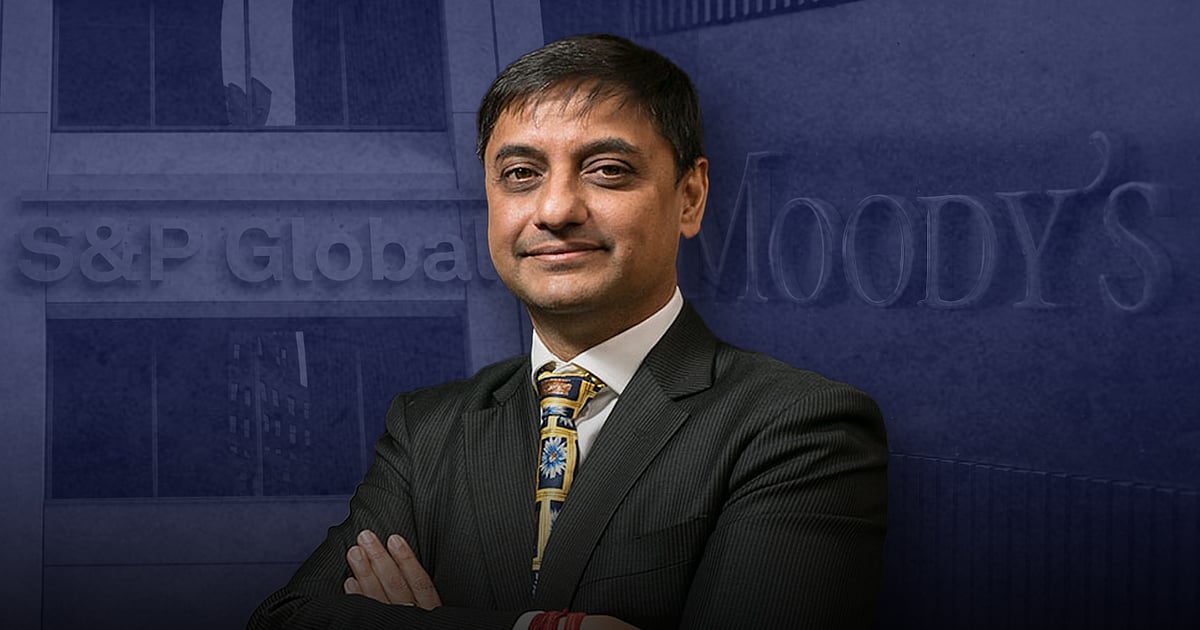
For years, India has been told a familiar story: the economy grows, but jobs don’t; democracy is flawed; press freedom is sliding; governance is suspect. These claims arrive neatly packaged in global indices with impressive names and foreign addresses. According to economist Sanjeev Sanyal, this isn’t coincidence — it’s narrative engineering.
Sanyal, in a podcast with ANI, argued that global opinion is shaped through a carefully layered system. Think tanks publish “research”, universities cite it, media reports amplify it, Wikipedia locks it in, and rating agencies use it as gospel. Over time, opinion hardens into “fact”. Challenging it becomes difficult because even arguing against it means accepting the framework.
At the centre of this system sit popular global indices — from Freedom House and V-Dem to press freedom rankings and governance scores. According to the full-time member of the Prime Minister’s Economic Advisory Council (EAC-PM), many of these rely on opaque methodologies, unnamed experts and subjective opinions. The same small circle of institutions, often funded by Western foundations, ends up validating each other.
The real problem? These rankings aren’t just for debate shows. Investors, multilateral lenders and rating agencies use them to decide where capital flows. If the indices say a country’s democracy or governance is weak, money becomes more expensive — or disappears altogether.